Yerevan.


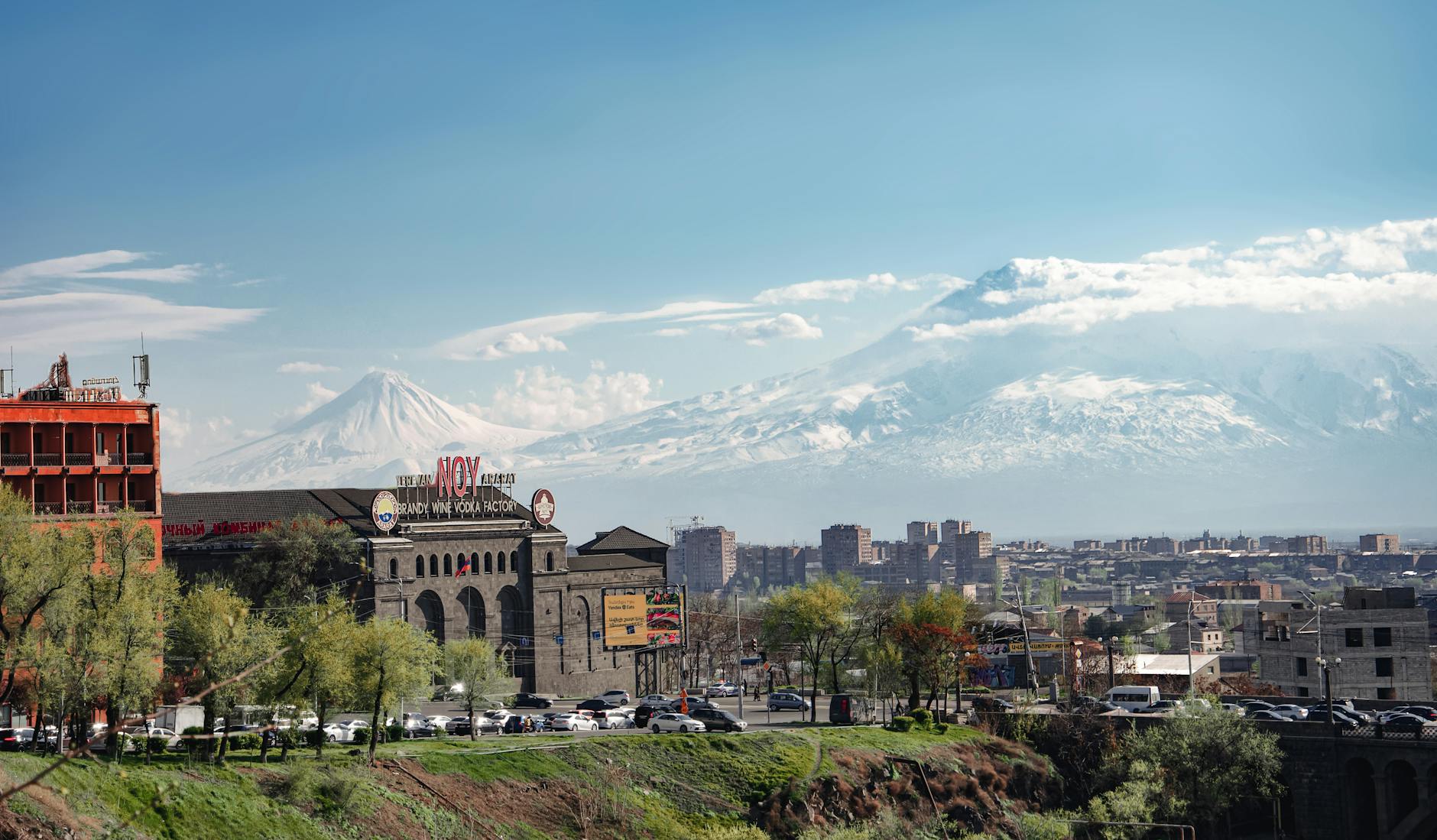
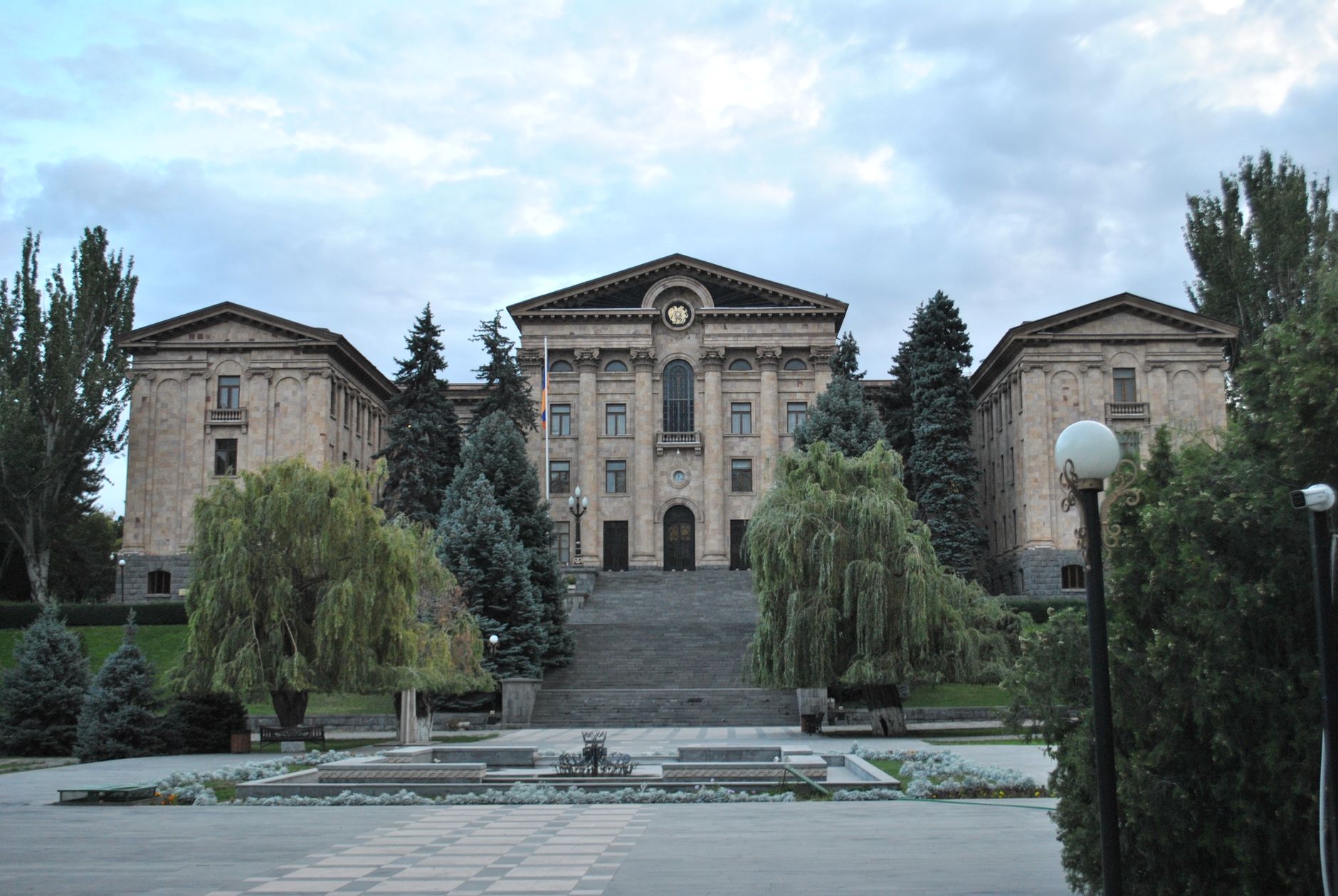

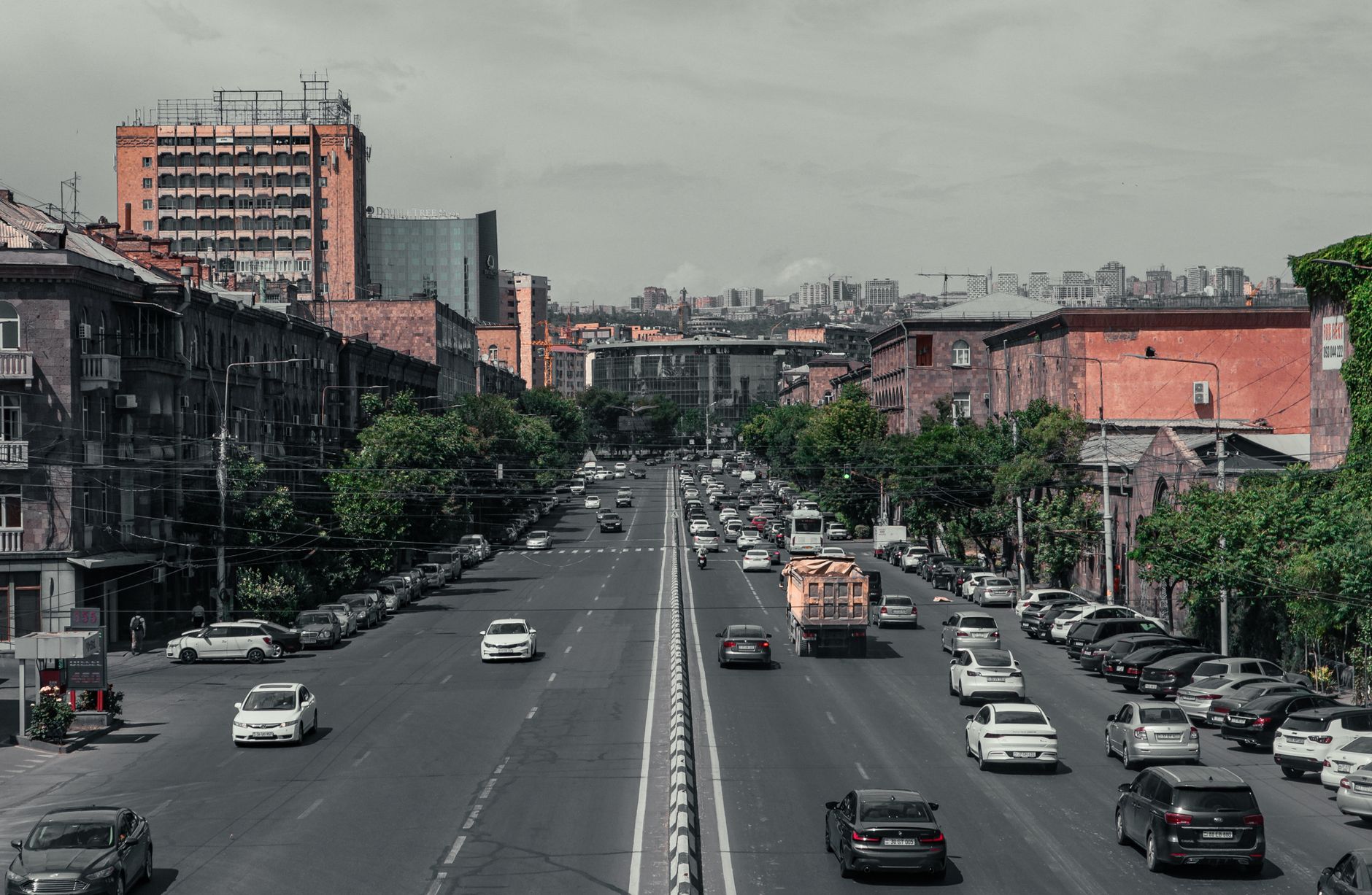
Set directly around Zvartnots International Airport (a twenty-minute taxi ride west), Yerevan is Armenia's capital, known for its neoclassical pink volcanic tuff stone buildings and a street life sustained by strong coffee, fresh flatbreads, and centuries-old brandy production. The city sits over the Ararat Plain with views across the closed border. Yerevan is worth visiting if you want to drink Areni Noir wine at pavement tables and explore early Christian manuscripts on foot. Look elsewhere if you want coastal beaches, cool summer temperatures, a hyper-modern skyline, or extensive public transit.
Last updated 9 Sept 2026
Build a Yerevan itinerary.
Choose up to 4 threads that pull you in. Your plan arrives organised around them.
The Bed
Where to stay in Yerevan
Which part of town to book, and what each one costs you in walking, noise or quiet.
The Comparison
Yerevan, or somewhere near it
The places you are realistically choosing between, and the honest case for each.
The Local Record
Where to read more about Yerevan
The blogs, boards, guides and operators worth bookmarking.
What to do in Yerevan Ararat Plain Armenia
Yerevan is built in a concentric bowl of pink tuff, designed in the 1920s by Alexander Tamanyan. Life moves at an easy walking pace between Republic Square and the Opera Theatre, revolving around leisurely morning coffees, afternoon walks up the Cascade stairs, and outdoor dinners that stretch past midnight. It suits travellers who appreciate unhurried urban strolling, distinct Caucasian cuisine, and deep layers of architectural history.
24 hours in Yerevan Ararat Plain Armenia
Begin with an early morning climb up the Cascade for views of Mount Ararat before the haze sets in. Head down to Mashtots Avenue for lunch of spiced lahmajun, visit the illuminated codices inside the Matenadaran, and spend your evening sipping Areni wine along Saryan Street. Select 1 Day above to see it.
2 days in Yerevan Ararat Plain Armenia
Devote your second day to the Kond neighbourhood, wandering its narrow Ottoman-era lanes before browsing brassware at the Vernissage market. Cross the Hrazdan Gorge for a late lunch of grilled khorovats pork, then book a late afternoon tasting at the Ararat brandy cellars. Choose 2 Days to expand the plan.
3 days in Yerevan Ararat Plain Armenia
A third day allows an easy morning drive to the rock-cut chapels of Geghard and the basalt canyon beneath Garni Temple. Return to the city for an afternoon at the GUM Market buying dried fruits and walnut sudzhuk, followed by classical music at the Opera Theatre.
Yerevan Ararat Plain Armenia itineraries by interest
Markets & Produce in Yerevan Ararat Plain Armenia
Weave through the GUM Market for rows of sweet dried persimmon, walnut sudzhuk, and pungent tarragon rolled into fresh lavash.
Local Spirits in Yerevan Ararat Plain Armenia
Tour the cellars at the Yerevan Brandy Company on Admiral Isakov Avenue to sample aged vintages resting in Caucasian oak casks.
Ancient History in Yerevan Ararat Plain Armenia
Climb the red-brick ruins of Erebuni Fortress, an eighth-century BC Urartian citadel overlooking the southern fringe of the plain.
Wine & Vineyards in Yerevan Ararat Plain Armenia
Sip ancient Areni Noir and Voskehat pours along the outdoor terrace tables of Saryan Street late into the evening.
Sacred Architecture in Yerevan Ararat Plain Armenia
Visit thirteenth-century Katoghike Holy Mother of God Church, dwarfed by Soviet-era apartment blocks on Abovyan Street.
Public Parks in Yerevan Ararat Plain Armenia
Walk the leafy promenades of the Circular Park or sit beside the fountains at English Park when the summer heat begins to break.
Modern Art in Yerevan Ararat Plain Armenia
Climb the outdoor limestone stairs of the Cafesjian Center at the Cascade to see monumental sculptures by Fernando Botero.
Meat Traditions in Yerevan Ararat Plain Armenia
Pull up a stool for pork khorovats skewers grilled over grape vine wood and served with sliced onions and thin mountain herbs.
Manuscript Heritage in Yerevan Ararat Plain Armenia
Inspect illuminated medieval gospels and ancient medical treatises preserved in the Matenadaran at the top of Mashtots Avenue.
Street Food in Yerevan Ararat Plain Armenia
Pick up hot, blistered lahmajun topped with spiced minced lamb and lemon juice from tiny bakeries tucked behind Republic Square.
Craft Traditions in Yerevan Ararat Plain Armenia
Browse hand-knotted wool rugs and hand-carved khachkar cross-stones at the weekend Vernissage flea market off Hanrapetutyan Street.
Day Trips in Yerevan Ararat Plain Armenia
Hire a driver for the forty-minute run southeast to the cliffside monastery of Geghard and the Hellenistic colonnade at Garni.