Amalfi.
_(7678608304).jpg)


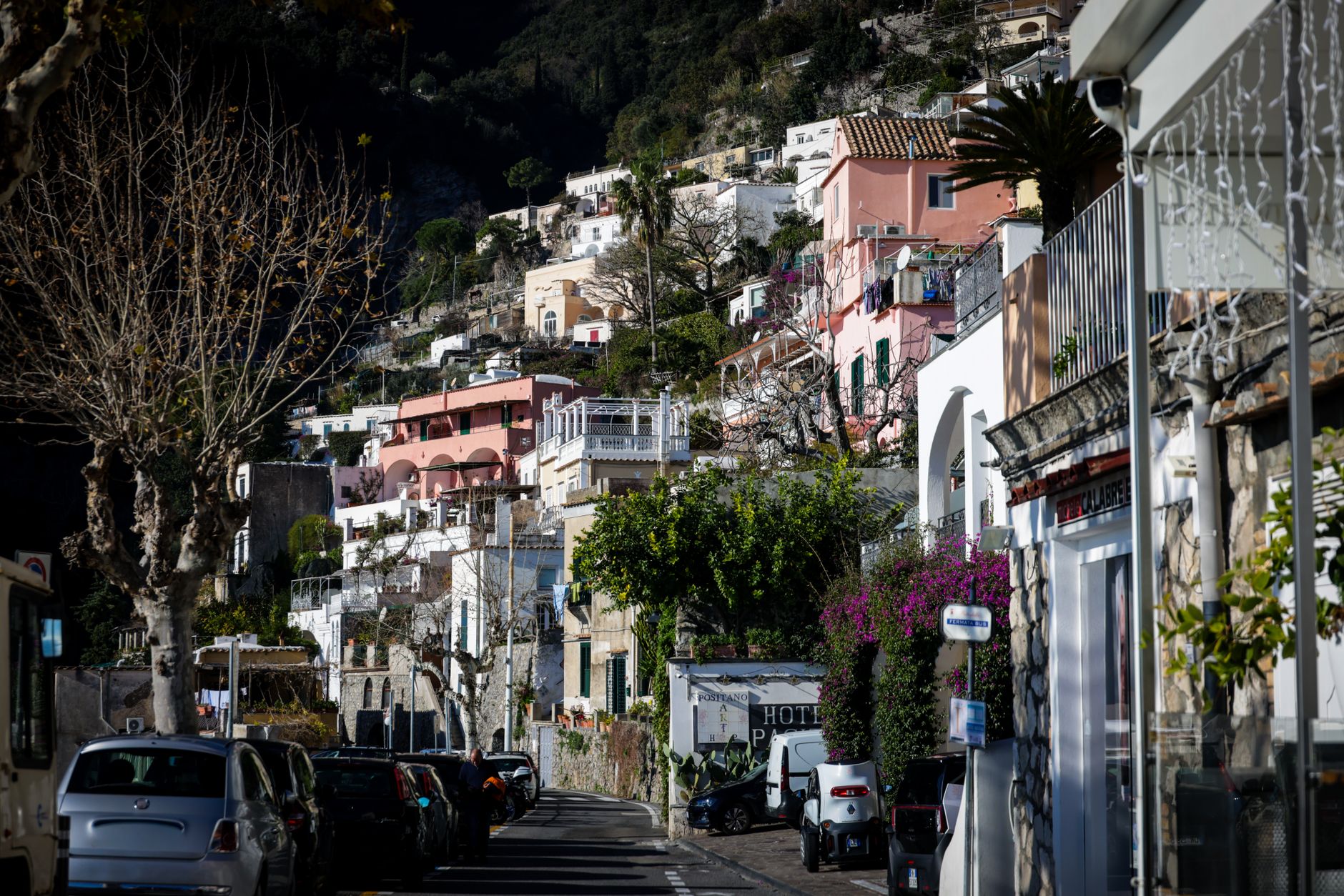
Grit your teeth through the ferry dock scramble, look up, and the ninth-century maritime republic makes sudden, vertical sense. Limestone cliffs squeeze whitewashed alleys toward Piazza del Duomo, where the striped facade of Sant'Andrea looms over espresso drinkers. Past the postcard stalls, water still rushes through the Valle dei Mulini, powering centuries of handmade cotton paper while cooks drop fresh scialatielli into bowls of garlic and tiny clams.
Last updated 28 Aug 2026
Build a Amalfi itinerary.
Choose up to 4 threads that pull you in. Your plan arrives organised around them.
The Bed
Where to stay in Amalfi
Which part of town to book, and what each one costs you in walking, noise or quiet.
The Comparison
Amalfi, or somewhere near it
The places you are realistically choosing between, and the honest case for each.
The Local Record
Where to read more about Amalfi
The blogs, boards, guides and operators worth bookmarking.
What to do in Amalfi Amalfi Coast Italy
Life in Amalfi runs between the salt water of Marina Grande and the quiet lemon terraces rising into the Lattari Mountains. Days naturally calibrate around morning espresso beneath the cathedral steps, unhurried lunches of grilled pezzogna, and late afternoon strolls into the cooler valley alleys. It suits independent walkers, maritime history enthusiasts, and anyone who appreciates honest coastal cooking paired with dramatic clifftop geography.
24 hours in Amalfi Amalfi Coast Italy
Start at 08:30 on Piazza del Duomo with espresso and a warm sfogliatella before touring the Arab-Norman cloisters. Walk ten minutes up Via Lorenzo d'Amalfi for a lunch of scialatielli with clams, then take a three-minute stroll through the stone tunnel to sleep off the afternoon in quiet Atrani. End with a glass of crisp Biancolella down at the harbour. Select 1 Day above to see it.
2 days in Amalfi Amalfi Coast Italy
Dedicate the second morning to hiking up through the Valle dei Mulini into the Valle delle Ferriere nature reserve. Return along the stream to visit the old paper workshops, then catch a local wooden boat to Santa Croce beach for grilled squid and a jug of local white wine, enjoying the quiet water once the ferry crowds thin out. Choose 2 Days to expand the plan.
3 days in Amalfi Amalfi Coast Italy
A third morning lets you take the local bus twenty minutes inland to the clifftop gardens of Ravello before noon. Spend your final evening back in Amalfi touring the medieval stone vaults of the Arsenale, followed by a slow dinner of Totani e patate tucked away on Ruga Fore, far from the tour buses.
Amalfi Amalfi Coast Italy itineraries by interest
Local Seafood in Amalfi Amalfi Coast Italy
Order scialatielli ai frutti di mare or totani e patate, served with local squid, garlic, and small rockfish hauled in at the Marina Grande dock.
Sacred Architecture in Amalfi Amalfi Coast Italy
Climb the sixty-two stone steps to the Duomo di Sant'Andrea to view tenth-century bronze doors from Constantinople and the Arab-Norman Chiostro del Paradiso.
Craft Traditions in Amalfi Amalfi Coast Italy
Walk up into the Valle dei Mulini to see watermills pressing handmade cotton rag paper, a craft Amalfi perfected in the thirteenth century.
Pastry & Sweets in Amalfi Amalfi Coast Italy
Stand at the wood counter of Pasticceria Pansa on Piazza Duomo for delizia al limone, filled with rich custard and sfusato amalfitano lemon peel.
Coastal Walks in Amalfi Amalfi Coast Italy
Follow stepped donkey paths up through olive terraces to neighbouring Atrani, a ten-minute walk through cool, whitewashed pedestrian tunnels.
Valley Hiking in Amalfi Amalfi Coast Italy
Hike the Valle delle Ferriere nature reserve past ruined ironworks, mossy limestone waterfalls, and rare giant ferns high above the town.
Citrus Groves in Amalfi Amalfi Coast Italy
Climb the terraced orchards along Via delle Cartiere to see the sfusato amalfitano lemons that yield cold glasses of dry, aromatic limoncello.
Maritime History in Amalfi Amalfi Coast Italy
Step into the stone vaults of the Arsenale della Repubblica, where shipwrights built war galleys during Amalfi's maritime zenith in the Middle Ages.
Regional Wine in Amalfi Amalfi Coast Italy
Ask for Costa d'Amalfi DOC wines pressed from ancient Biancolella and Tintore grapes grown on vertical pergolas carved into the sheer limestone.
Street Food in Amalfi Amalfi Coast Italy
Grab a paper cone of cuoppo di mare packed with fried anchovies, calamari, and red mullet along Ruga Fore to eat while watching the harbour traffic.
Beach Culture in Amalfi Amalfi Coast Italy
Skip the crowded Marina Grande pebbles and catch a wooden gozzo boat around the headland to the quiet pebble cove of Santa Croce for an afternoon swim.
Day Trips in Amalfi Amalfi Coast Italy
Catch the morning Sita bus climbing hairpin bends to Ravello to wander the clifftop gardens of Villa Cimbrone and Villa Rufolo.