_LCCN96512441.jpg)


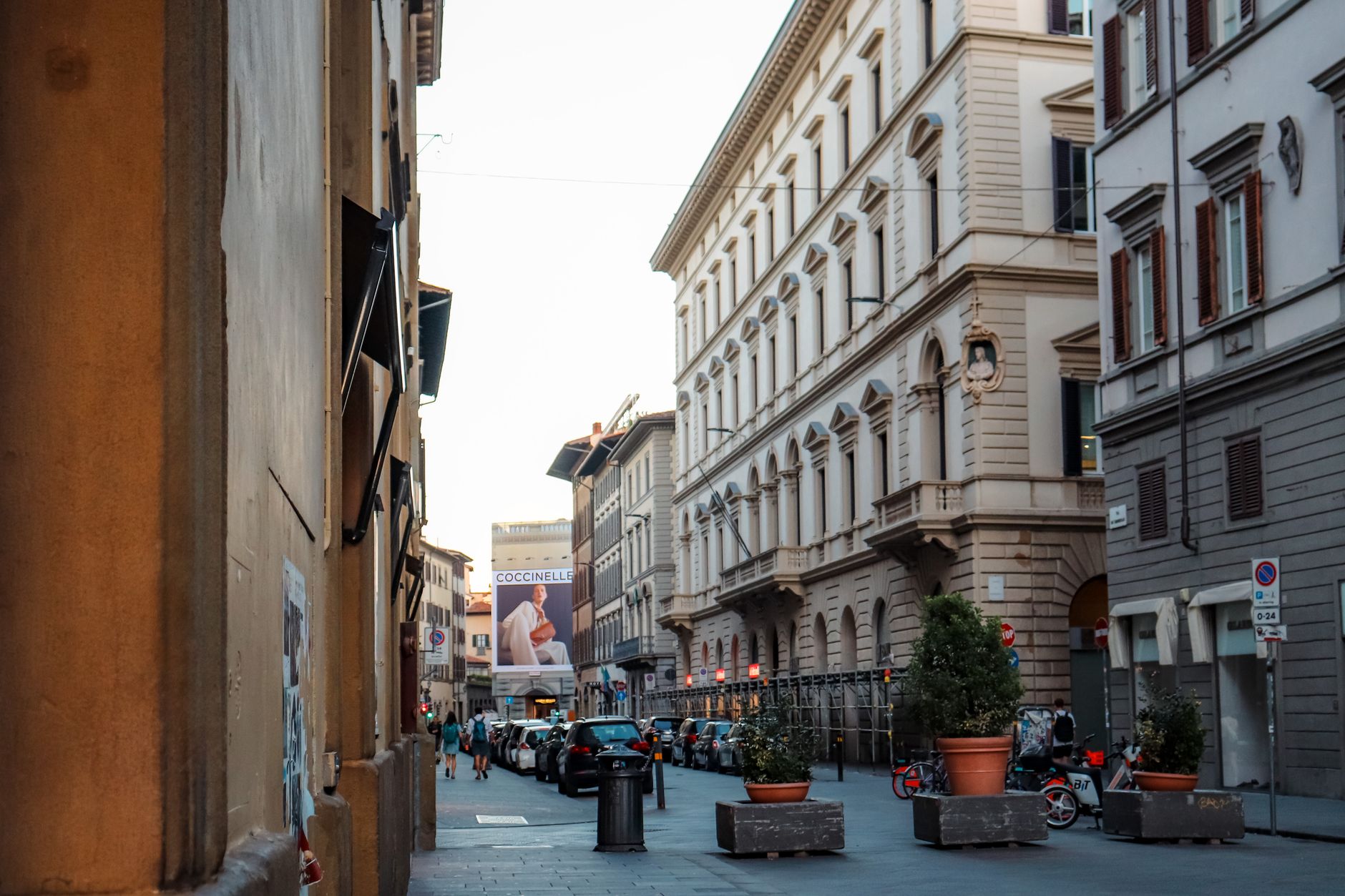
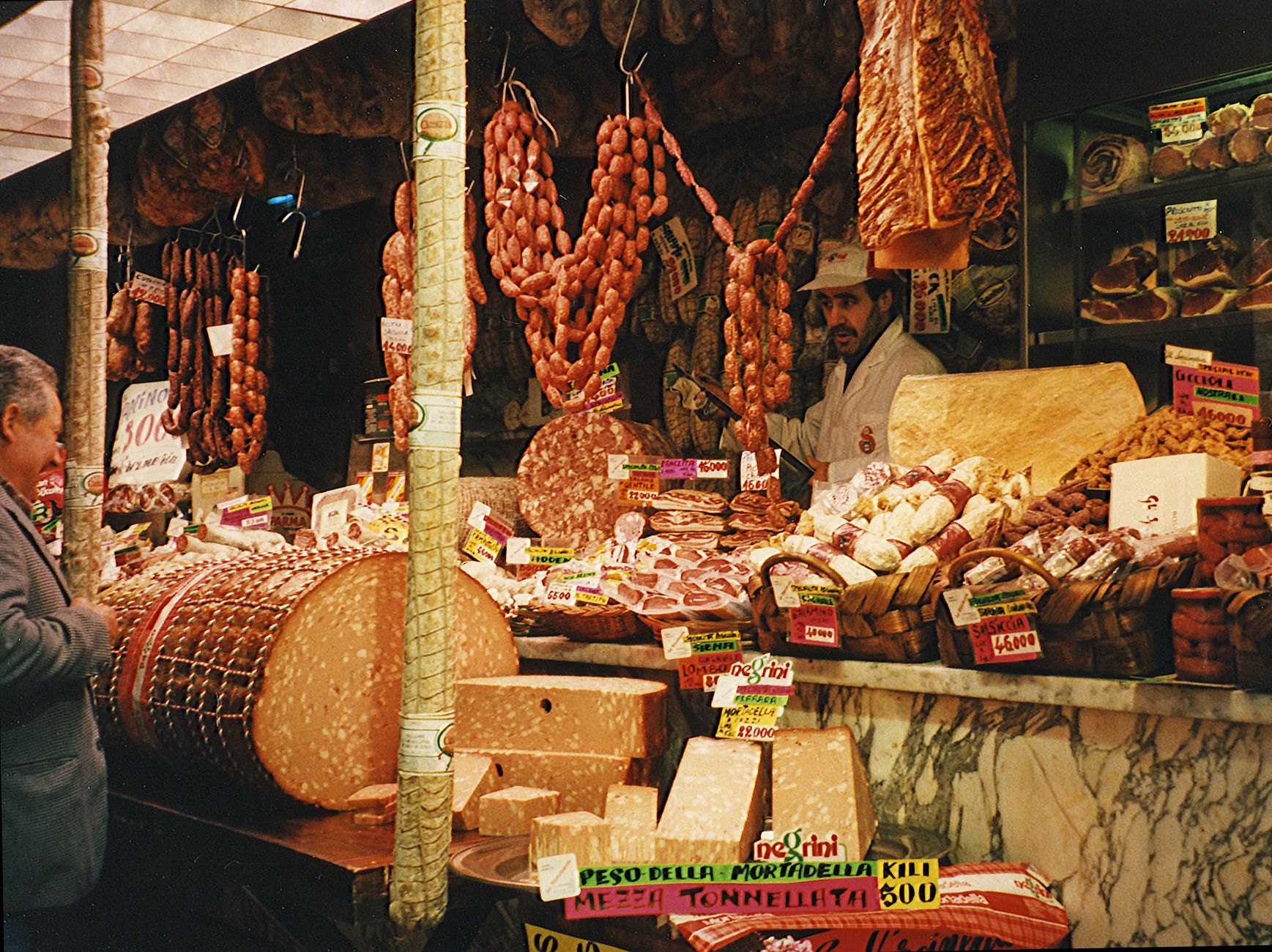

Morning light hits the pietra serena sandstone along the Arno, turning the river the colour of weak tea while vespas rattle over medieval paving stones. Florence is dense, flat, and best navigated on tired feet. You come for Brunelleschi’s terracotta dome and Giotto’s crisp geometry, but you stay for the stubborn rhythm of neighbourhood bakeries, three-ingredient ribollita, and marble workshops where chisels have sounded since the fifteenth century.
Last updated 28 Aug 2026
Build a Florence itinerary.
Choose up to 4 threads that pull you in. Your plan arrives organised around them.
The Bed
Where to stay in Florence
Which part of town to book, and what each one costs you in walking, noise or quiet.
The Comparison
Florence, or somewhere near it
The places you are realistically choosing between, and the honest case for each.
The Local Record
Where to read more about Florence
The blogs, boards, guides and operators worth bookmarking.
What to do in Florence Tuscany Italy
Florence compresses six centuries of intense creative ambition into a walkable grid of stone alleys. Days naturally pivot around museum bookings in the morning, long trattoria lunches of white cannellini beans and beef, and late-afternoon strolls across the Ponte Santa Trinita. It suits anyone happy to explore on foot, marvel at masterworks without rushing, and take food seriously without pretension.
24 hours in Florence Tuscany Italy
Start at 8:30 at the Duomo before crowds build, then head south to the Bargello. Grab a warm tripe roll at Sant’Ambrogio market for lunch. Cross the Arno to the Oltrarno by four for evening workshops, finishing with a rare T-bone steak and house red at a lively neighbourhood trattoria. Select 1 Day above to see it.
2 days in Florence Tuscany Italy
Dedicate your second day across the river in the Oltrarno. Climb through the terraced gardens of Villa Bardini up to San Miniato al Monte. Spend the afternoon browsing leather ateliers around Piazza Santo Spirito, then settle in for roasted pigeon or peppery beef peposo at a quiet family-run osteria. Choose 2 Days to expand the plan.
3 days in Florence Tuscany Italy
A third day lets you slow the pace. Take the number 7 city bus up to the hilltop village of Fiesole for Roman ruins and panoramic views of the city basin. Return for an unhurried visit to the quiet cloister cells of San Marco, followed by a glass of Chianti from an old stone wine window on Via dell’Anguillara.
Florence Tuscany Italy itineraries by interest
Street Food in Florence Tuscany Italy
Join the queue at Da Nerbone for lampredotto simmered with salsa verde on a crusty roll, or grab schiacciata stuffed with finocchiona.
Renaissance Art in Florence Tuscany Italy
Book the Uffizi first thing for Botticelli and Caravaggio, then head to San Marco for Fra Angelico’s quiet, contemplative cloister frescoes.
Traditional Dining in Florence Tuscany Italy
Sit elbow-to-elbow at Trattoria Mario or Cammillo for thick bistecca alla Fiorentina and bowls of peppery peposo stew with Sangiovese.
Sacred Architecture in Florence Tuscany Italy
Reserve dome climb slots weeks ahead at Santa Maria del Fiore, then admire Masaccio’s revolutionary frescoes inside the Brancacci Chapel.
Craft Traditions in Florence Tuscany Italy
Wander the backstreets of San Frediano to find leather guild masters, marbled paper marblers, and hand-gilded picture framers at work.
Food Markets in Florence Tuscany Italy
Browse the ground floor of Mercato Centrale for pecorino di Pienza, porcini mushrooms, and cantucci before the lunch crowds arrive.
Wine & Vineyards in Florence Tuscany Italy
Sip Chianti Classico at ancient wine windows across the Oltrarno or take a short regional bus out to the olive-clad hills of Greve.
Urban Viewpoints in Florence Tuscany Italy
Walk past the rose garden up to San Miniato al Monte in late afternoon for quiet Romanesque mosaics and wide city vistas without the crush.
Historic Gardens in Florence Tuscany Italy
Escape the midday sun among the Medici grottoes in the Boboli Gardens or the terraced Renaissance parterres of nearby Villa Bardini.
Sculpture & Bronzes in Florence Tuscany Italy
Skip the main lines for the Bargello Museum, home to Donatello’s bronze David and early marble masterworks by Michelangelo.
Coffee & Pastries in Florence Tuscany Italy
Stand at the zinc bar at Caffe Gilli for an espresso and a warm budino di riso, leaving the pricey outdoor terrace tables to others.
Day Trips in Florence Tuscany Italy
Catch the half-hour train to Lucca to cycle tree-lined ramparts, or ride the bus up to hilltop Fiesole for Etruscan ruins and cool breezes.