Andermatt.


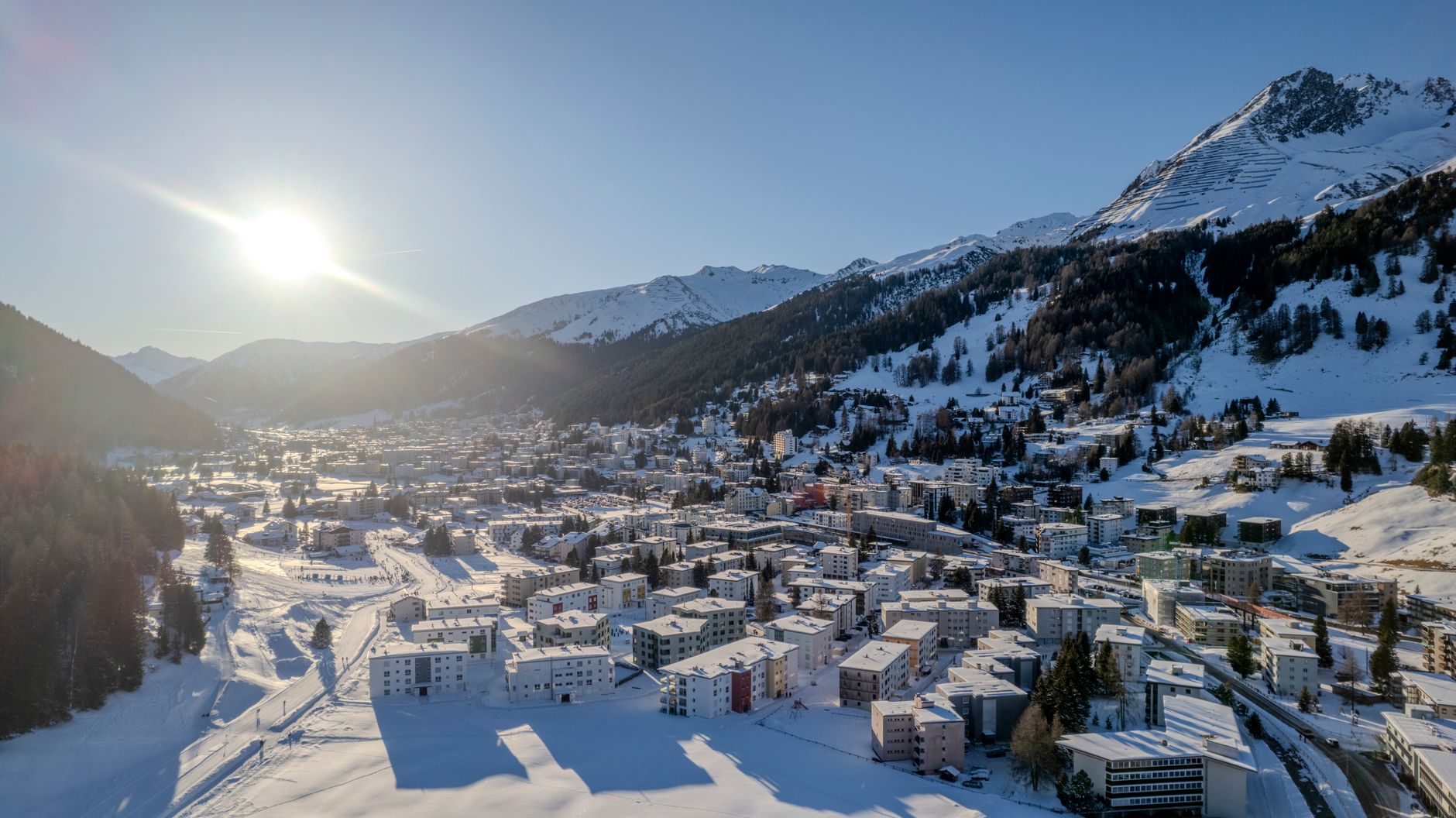
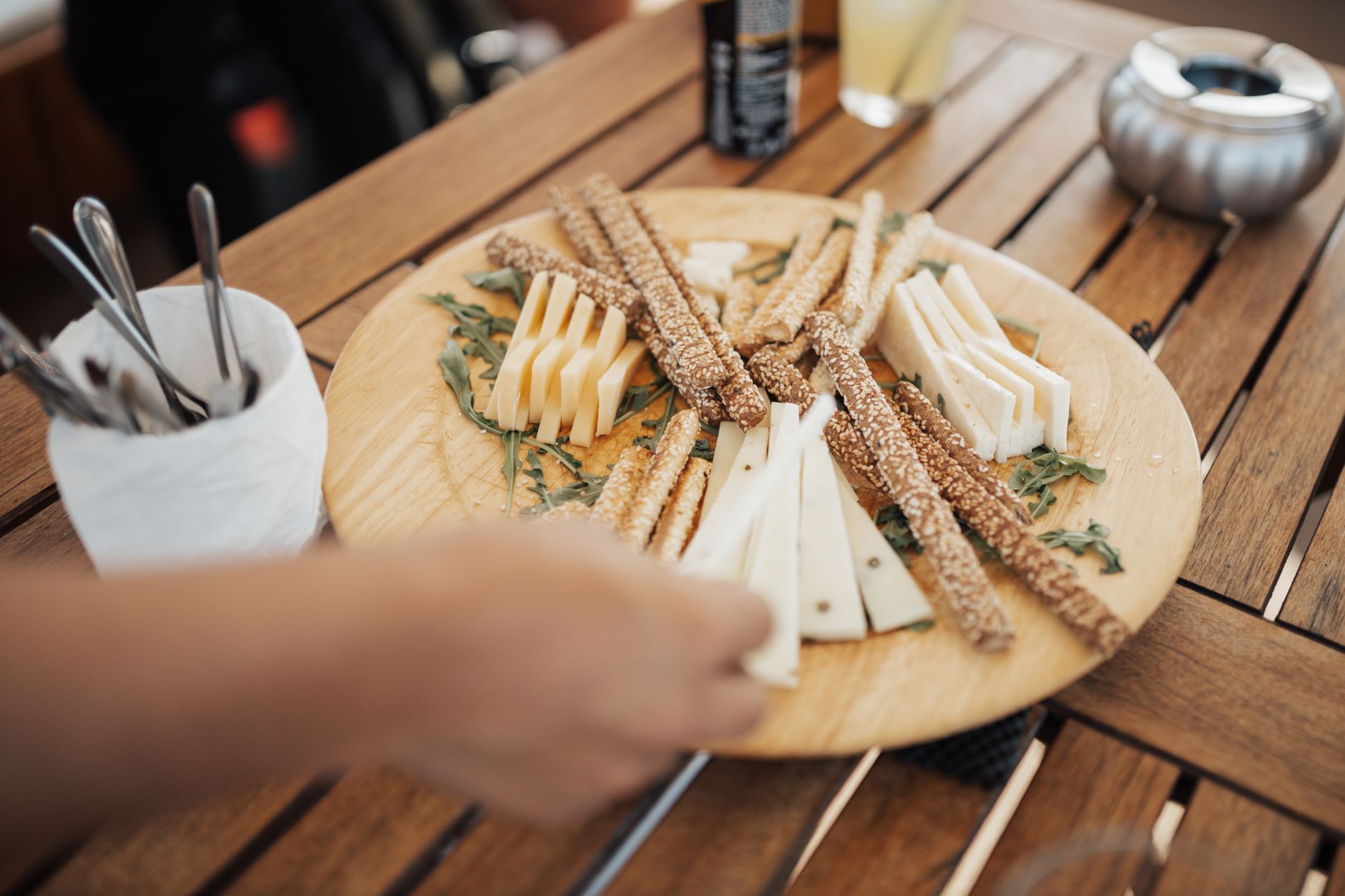

Andermatt sits ninety minutes south of Zurich by train via Göschenen in the high Ursern Valley. It is known for big alpine passes connecting northern and southern Switzerland and the steep, north-facing slopes of the Gemsstock. The old granite village street balances against major modern resort developments. Andermatt is worth visiting if you want high-altitude ski touring, quiet mountain rail routes, and traditional alpine cheese in a rugged crossroads valley. Look elsewhere if you want bustling nightlife, budget-friendly lodging, gentle beginner terrain, or extensive indoor cultural attractions.
Last updated 14 Sept 2026
Build a Andermatt itinerary.
Choose up to 4 threads that pull you in. Your plan arrives organised around them.
We'll craft a 4-lens plan for Andermatt, one collapsible strand per lens.
Mountain Passes
Drive the twisting switchbacks over the Gotthard, Furka, and Oberalp passes, tracing routes used by pack mules for centuries.
Mountain Passes
Drive the twisting switchbacks over the Gotthard, Furka, and Oberalp passes, tracing routes used by pack mules for centuries.
Alpine Macaroni and Braised Beef
Gasthaus Ochsen
Book a wooden booth downstairs by late afternoon. Order the Urner Chäsmagronen tossed with local Uri mountain cheese, caramelized onions, and stewed apple.
Editor TipAlpine herdsmen relied on this carbohydrate-heavy staple during long summers grazing cattle across the high passes of Uri. Do not skip the applesauce on the side; the sharp acidity cuts through the molten cheese perfectly.
Gotthard Rye Bread Ritual
Bäckerei Konditorei Baumann
Order a warm Urserer Roggenbrot and a slice of walnut tart at the counter. Take a small table near the window for thirty minutes while railway conductors grab their morning rations.
Editor TipDense alpine rye was the fuel of trans-Gotthard mule drivers navigating wind-scoured passes long before rail tunnels pierced the granite massifs. Pay with small Swiss franc notes under ten francs; card readers can hesitate against the old stone walls.
Alpine Hiking
Follow high-altitude trails to the Tomasee, the mountain source of the Rhine river, or traverse the four-springs trail in summer.
Alpine Hiking
Follow high-altitude trails to the Tomasee, the mountain source of the Rhine river, or traverse the four-springs trail in summer.
Muleteer Craft Inspection
Talmuseum Ursern
Admission is eight francs at the wooden reception desk. Spend an hour walking the creaking floorboards to view 18th-century valley furniture, pack saddles, and iron trail gear.
Editor TipHoused in a 1786 timbered residence, the museum chronicles the everyday grit of Ursern families who maintained pass trails, managed cattle, and weathered brutal winters. Look closely at the hand-carved hay sledges on the upper floor to appreciate the timber engineering.
Gorge Walks
Cross the Schöllenen Gorge along the granite footpath to inspect the Devil's Bridge and the Russian monument carved into the rock.
Gorge Walks
Cross the Schöllenen Gorge along the granite footpath to inspect the Devil's Bridge and the Russian monument carved into the rock.
Crossing the Devil's Bridge
Schöllenen Gorge
Follow the paved trail from Andermatt station through the granite defile. The loop takes 45 minutes on foot, runs free of charge, and requires no advance booking.
Editor TipFor centuries, this churning chasm of the Reuss river blocked access to the Gotthard Pass until 13th-century Walser builders slung wooden beams across the void. Stand directly on the stone bridge to feel the spray hit your face; windproof layers are mandatory here.
Traversing The Schöllenen Gorge
Schöllenenschlucht
Follow the paved canyon path from Andermatt down to the bridge; it takes forty-five minutes on foot, requires no tickets, and lets you catch the rack train back up.
Editor TipFor centuries, this granite fissure barred northern traders from Italy until muleteers built a wooden bridge in the thirteenth century, opening the Gotthard trade route. Stand directly over the spray at Suvorov Monument for the clearest view down the sheer rock walls.
Mountain Railways
Board the Matterhorn Gotthard Bahn through the Oberalp Pass or ride the red cogwheel train up from the gorge at Göschenen.
Mountain Railways
Board the Matterhorn Gotthard Bahn through the Oberalp Pass or ride the red cogwheel train up from the gorge at Göschenen.
Riding the Oberalp Cogwheel
Matterhorn Gotthard Bahn
Board the red narrow-gauge train at Andermatt platform 3 up to the 2,044-metre pass. Trains run hourly, taking 15 minutes, with tickets bought at the counter.
Editor TipConstructed in 1915, this rack-and-pinion line tackles 600 vertical metres of switchbacks, connecting Uri to Graubünden over the Rhine's headwaters. Sit on the left side climbing up for uninterrupted views down into the Urseren Valley floor.
Cogwheel Ride Over Oberalp
Oberalp Pass Railway
Board the red Matterhorn Gotthard train at Andermatt station for the thirty-minute cogwheel ascent to the pass summit. Standard tickets cost eighteen francs each way.
Editor TipReaching over two thousand metres, this narrow-gauge rack railway has hauled farmers, post, and skiers through avalanche-prone granite since nineteen twenty-six. Sit on the left side of the carriage going up for the widest view down into the Urseren Valley.
Classic Uri Mountain Supper
Gasthaus St. Gotthard, Hospental
Ride the local train three minutes south to Hospental. Book an evening table for crisp rösti topped with melted Urner Alpkäse, local sausage, and a carafe of red Dôle.
Editor TipHospental was the final staging post where muleteers and travellers fortified themselves before tackling the cobblestones of the high Gotthard Pass into Ticino. Ask for a window seat overlooking the 13th-century stone watchtower as the mountain shadows stretch out.
Note from the Editor
“Catch the earliest rack railway departure before tour groups roll in from Lucerne. Granite stays slick until the mid-morning sun burns through the mist, so bring sturdy boots and leave the umbrella behind.”
The Bed
Where to stay in Andermatt
Which part of town to book, and what each one costs you in walking, noise or quiet.
The Comparison
Andermatt, or somewhere near it
The places you are realistically choosing between, and the honest case for each.
The Local Record
Where to read more about Andermatt
The blogs, boards, guides and operators worth bookmarking.
What to do in Andermatt Uri Switzerland
Andermatt sits at an intersection of three cantons, caught between quiet granite farming traditions and ambitious mountain luxury. The rhythm of the day follows the weather: skiers and hikers head up the cable cars early, while afternoons belong to quiet walks along the Reuss river and steaming bowls of broth. It suits travellers who appreciate stark, dramatic geology alongside hearty plates of rösti.
24 hours in Andermatt Uri Switzerland
Ride the first cable car up to the Gemsstock for panoramic views across the central Alps. Descend to Gotthardstrasse for lunch, ordering Älplermagronen with caramelized onions at a wood-lined tavern. Spend the afternoon walking twenty minutes to the Devil's Bridge in the Schöllenen Gorge before dinner. Select 1 Day above to see it.
2 days in Andermatt Uri Switzerland
Take the morning train over the Oberalp Pass to Sedrun for a wider look at the valley. Return by mid-afternoon to explore the stone-paved lanes around Saint Peter and Paul Church, then reward tired feet with local dried beef and Urseren alpine cheese alongside a crisp Valais white wine. Choose 2 Days to expand the plan.
3 days in Andermatt Uri Switzerland
A third day lets you tackle the cobblestone curves of the Tremola road on the Gotthard Pass or hike the trail to Lake Toma. Without a rush, you can visit the artillery tunnels at Sasso San Gottardo and lingering over a leisurely fondue dinner in the village centre.
Andermatt Uri Switzerland itineraries by interest
Alpine Skiing in Andermatt Uri Switzerland
Drop down the steep Bernhard Russi run off the Gemsstock at 2,961 metres or cross wide pistes towards Sedrun and Disentis.
Mountain Passes in Andermatt Uri Switzerland
Drive the twisting switchbacks over the Gotthard, Furka, and Oberalp passes, tracing routes used by pack mules for centuries.
Regional Cheeses in Andermatt Uri Switzerland
Sample raw-milk Urseren valley cheese and pungent Sbrinz aged in stone cellars, paired with dark rye bread and local butter.
Mountain Railways in Andermatt Uri Switzerland
Board the Matterhorn Gotthard Bahn through the Oberalp Pass or ride the red cogwheel train up from the gorge at Göschenen.
Historic Architecture in Andermatt Uri Switzerland
Walk Gotthardstrasse to see eighteenth-century timber chalets and the Baroque parish church of Saint Peter and Paul built in 1602.
Gorge Walks in Andermatt Uri Switzerland
Cross the Schöllenen Gorge along the granite footpath to inspect the Devil's Bridge and the Russian monument carved into the rock.
Alpine Hiking in Andermatt Uri Switzerland
Follow high-altitude trails to the Tomasee, the mountain source of the Rhine river, or traverse the four-springs trail in summer.
Local Dining in Andermatt Uri Switzerland
Sit down for hot Älplermagronen with apple compote, roasted veal sausages, and rich potato rösti in wood-panelled stübli.
Military Heritage in Andermatt Uri Switzerland
Explore the Swiss Redoubt fortifications around the Gotthard massif and the old artillery tunnels hidden inside the mountain slopes.
Luxury Spa in Andermatt Uri Switzerland
Soak weary legs in cedar thermal pools and Finnish saunas designed with dark stone at modern wellness lodges in the valley.
Road Cycling in Andermatt Uri Switzerland
Tackle the Gotthard Pass cobblestones on the historic Tremola road, climbing 24 hairpin turns over smooth granite pavers.
Winter Touring in Andermatt Uri Switzerland
Strap on snowshoes or skins for quiet ascents through the Unteralptal, finishing with a warm pot of melted Gruyère fondue.