Lucerne.


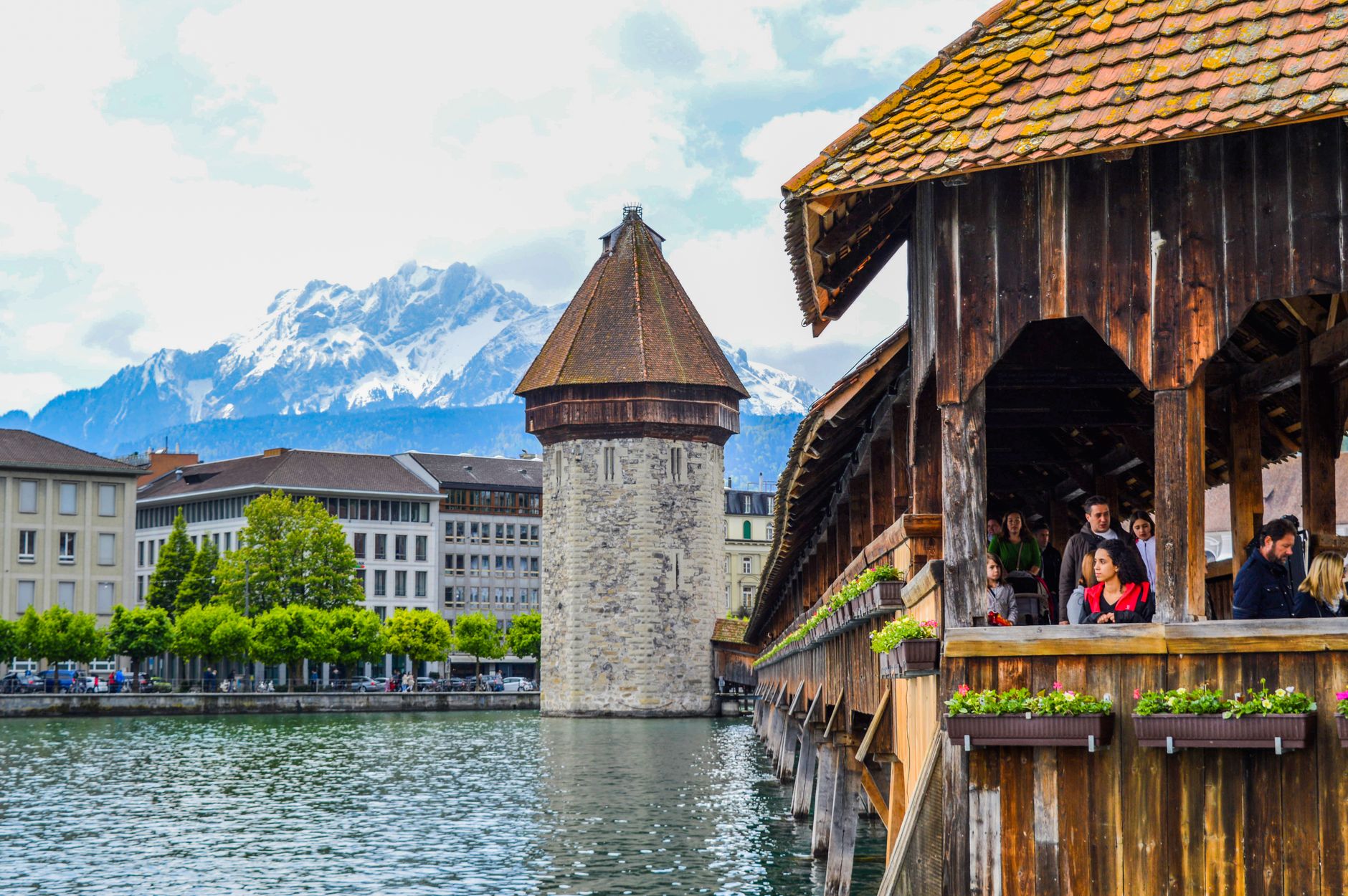
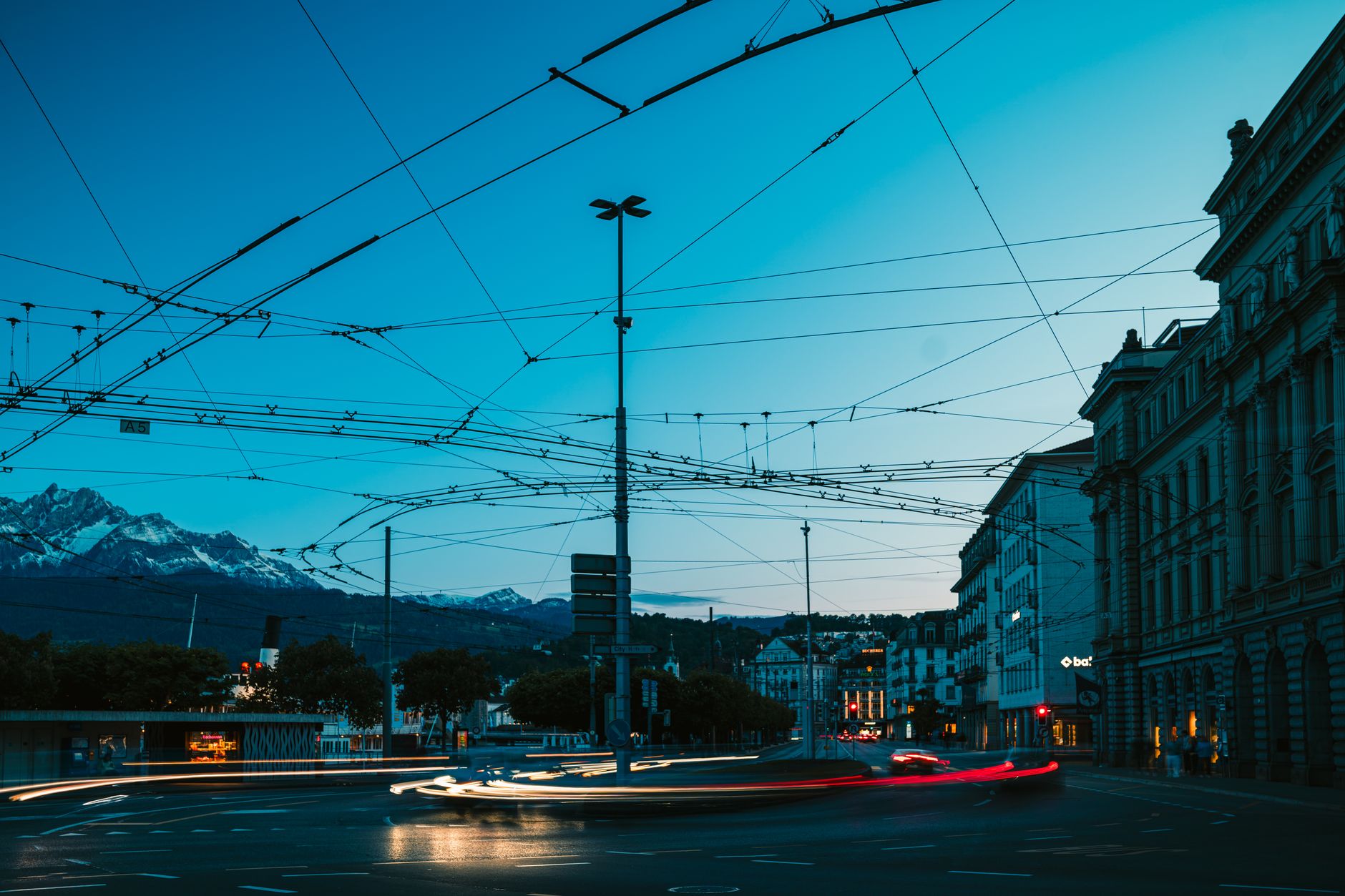
The Reuss rushes cold and glacier-green out of the lake, slicing the town in two beneath timber-roofed footbridges that have stood since the fourteenth century. You feel the lake's sheer scale before you see the mountains clear; then Pilatus looms overhead like an austere grey sentinel. Cobblestones in the Altstadt lead past frescoed guildhalls to quiet benches where bakeries turn out spiced Birnenweggen. It is easy to navigate on foot, remarkably orderly, and thoroughly grounded in mountain water.
Last updated 28 Aug 2026
Build a Lucerne itinerary.
Choose up to 4 threads that pull you in. Your plan arrives organised around them.
The Bed
Where to stay in Lucerne
Which part of town to book, and what each one costs you in walking, noise or quiet.
The Comparison
Lucerne, or somewhere near it
The places you are realistically choosing between, and the honest case for each.
The Local Record
Where to read more about Lucerne
The blogs, boards, guides and operators worth bookmarking.
What to do in Lucerne Central Switzerland Switzerland
Lucerne gathers along the outflow of Lake Lucerne, split cleanly by the Reuss. The compact Old Town hugs the north bank, backed by the Musegg Wall towers and facing the imposing ridge of Mount Pilatus. Days naturally divide between strolling medieval waterfronts, hopping vintage paddle steamers at the docks, and heading up into alpine peaks. It suits anyone who appreciates precise transit, lake air, solid tavern cooking, and walkable historical quarters.
24 hours in Lucerne Central Switzerland Switzerland
Start on Kapellbrücke before nine, beating the tour coaches across the water. Walk through the Altstadt to the Musegg Wall, then sit down for Luzerner Chügelipastete near the Jesuit Church. Finish with an afternoon steamer cruise to Meggenhorn or Weggis, returning by early evening. Select 1 Day above to see it.
2 days in Lucerne Central Switzerland Switzerland
Dedicate day two to the heights. Take the train to Alpnachstad and ride the cogwheel up Mount Pilatus for sweeping alpine views, descending by cable car to Kriens. Back in town, visit the Rosengart Collection and eat lake trout with Rösti along the Unter der Egg promenade. Choose 2 Days to expand the plan.
3 days in Lucerne Central Switzerland Switzerland
A third day lets you cruise further down the lake to Vitznau for Mount Rigi, or take the scenic Gotthard route to Brunnen and Flüelen. Alternatively, spend a slow morning at the Swiss Museum of Transport before walking the cliff path along Bürgenstock.
Lucerne Central Switzerland Switzerland itineraries by interest
Historic Architecture in Lucerne Central Switzerland Switzerland
Walk Kapellbrücke and Spreuerbrücke, both housing centuries-old roof panels depicting civic history and the Dance of Death above the Reuss.
Lake Cruising in Lucerne Central Switzerland Switzerland
Board Belle Époque paddle steamers like Uri or Stadt Luzern from Bahnhofquai across Lake Lucerne toward Flüelen and Weggis.
Mountain Rail in Lucerne Central Switzerland Switzerland
Take the world's steepest cogwheel railway from Alpnachstad up Mount Pilatus, or ride the vintage cog train from Vitznau to Rigi Kulm.
Local Comfort Food in Lucerne Central Switzerland Switzerland
Order Luzerner Chügelipastete, a puff pastry shell stuffed with veal ragout, mushrooms, and raisins soaked in Kirsch brandy.
Town Fortifications in Lucerne Central Switzerland Switzerland
Climb the Musegg Wall towers, including the Zyt tower with the oldest city clock that chimes one minute before the hour.
Sacred Architecture in Lucerne Central Switzerland Switzerland
Visit the twin-towered Jesuit Church on the riverbank and the Hofkirche St. Leodegar with its ornate seventeenth-century wood carvings.
Baking Traditions in Lucerne Central Switzerland Switzerland
Try Luzerner Birnenweggen, a spiced pear pastry rolled in yeast dough, picked up from traditional bakeries along Hertensteinstrasse.
Classic Museums in Lucerne Central Switzerland Switzerland
Explore the Swiss Museum of Transport or study the lion monument carved into sandstone by Lukas Ahorn in memory of Swiss Guards.
Cheese & Dairy in Lucerne Central Switzerland Switzerland
Sample Sbrinz AOP, the hard alpine cheese aged in Central Switzerland, shaved into paper-thin rolls or paired with dry white wine.
Modern Art in Lucerne Central Switzerland Switzerland
Browse the Rosengart Collection near the station, which holds over one hundred works by Pablo Picasso and Paul Klee under one roof.
Alpine Hiking in Lucerne Central Switzerland Switzerland
Hike the panoramic cliff path at Bürgenstock or tackle the ridge walk between Rigi Kaltbad and Urmiberg above the lake's blue bays.
Riverside Dining in Lucerne Central Switzerland Switzerland
Sit along the Unter der Egg promenade with a glass of local Pinot Noir while watching the swans and timber weirs regulate river levels.