Interlaken.


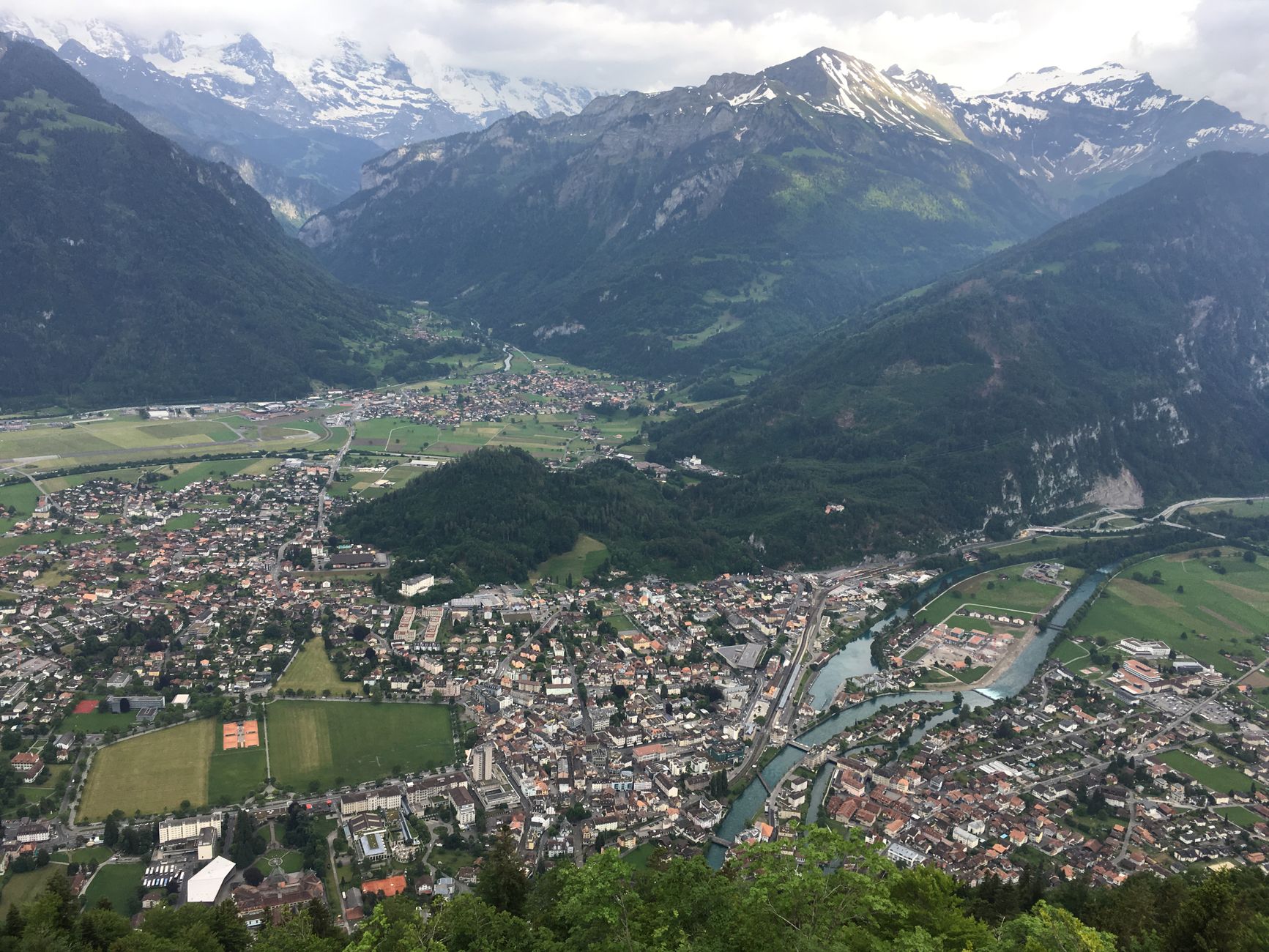
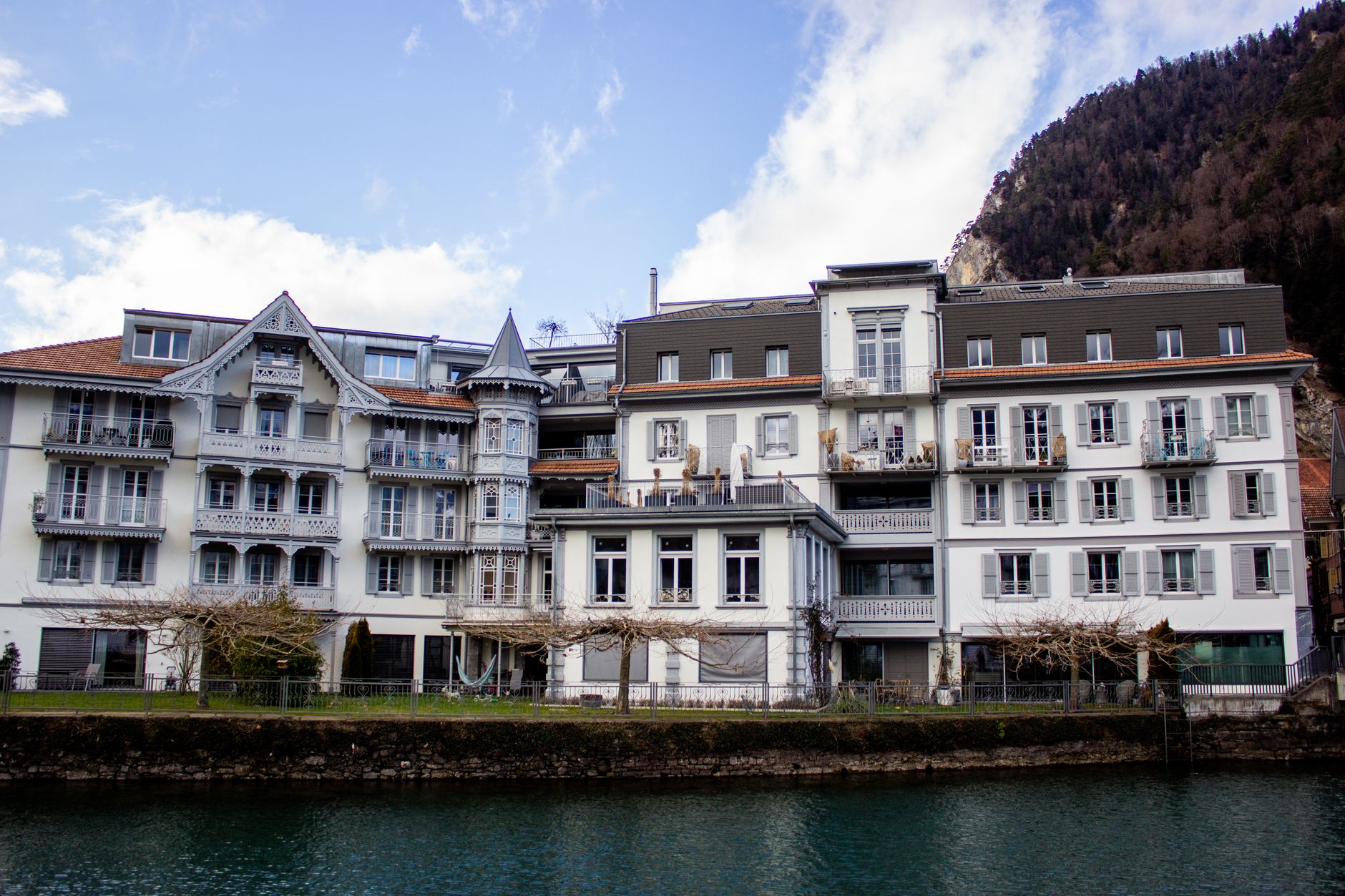


Two turquoise lakes pinch this flat alluvial plain while the icy teeth of the Eiger, Mönch, and Jungfrau loom above the rooftops. Stepping off the train at Interlaken Ost, you hear the rush of the glacial Aare River cutting straight through town. It is an unapologetic transit town built for Victorians with walking sticks and modern paragliders alike. Cross the bridge into Unterseen for seventeenth-century wooden chalets, quiet bakeries, and crisp plates of buttery rösti before the mountain trains pull you south.
Last updated 28 Aug 2026
Build a Interlaken itinerary.
Choose up to 4 threads that pull you in. Your plan arrives organised around them.
The Bed
Where to stay in Interlaken
Which part of town to book, and what each one costs you in walking, noise or quiet.
The Comparison
Interlaken, or somewhere near it
The places you are realistically choosing between, and the honest case for each.
The Local Record
Where to read more about Interlaken
The blogs, boards, guides and operators worth bookmarking.
What to do in Interlaken Bernese Oberland Switzerland
Interlaken is laid out cleanly along the Aare corridor between two rail stations, serving as a launchpad for the Bernese Oberland. The town revolves around morning departures to high alpine trails and late afternoons along the riverbanks. It suits active travellers, rail enthusiasts, and anyone who wants hot cheese fondue after a five-hour hike without paying high-altitude lodge prices.
24 hours in Interlaken Bernese Oberland Switzerland
Grab an early pretzel from a bakery near Interlaken West, then ride the funicular up to Harder Kulm for morning views. Spend midday wandering the medieval square in Unterseen before boarding an afternoon boat on Lake Brienz. Finish with pan-fried rösti on the Aare terrace. Select 1 Day above to see it.
2 days in Interlaken Bernese Oberland Switzerland
Day two belongs in the Lauterbrunnen Valley, just twenty minutes south by train. Walk the valley floor past seventy-two waterfalls, take the cable car up to quiet Gimmelwald, and return to town for dry white Chasselas and roasted veal sausage at a quiet tavern. Choose 2 Days to expand the plan.
3 days in Interlaken Bernese Oberland Switzerland
A third day allows an unhurried excursion to Schynige Platte on the vintage 1893 cogwheel train. Hike the flower-lined panoramic loop, tour the lakeside woodcarving village of Brienz in the afternoon, and stop at the St. Beatus Caves before sunset.
Interlaken Bernese Oberland Switzerland itineraries by interest
Alpine Trains in Interlaken Bernese Oberland Switzerland
Board the narrow-gauge Bernese Oberland Railway from Interlaken Ost up to Lauterbrunnen and Grindelwald for classic cogwheel transit.
Lake Cruises in Interlaken Bernese Oberland Switzerland
Take historic paddle steamers like the BLS Lötschberg across Lake Brienz to Giessbach Falls, or cruise Lake Thun toward medieval Spiez.
Local Cuisine in Interlaken Bernese Oberland Switzerland
Order Bernese Haslikuchen hazelnut cake, Älplermagronen macaroni with spiced applesauce, and crisp cast-iron skillet rösti.
Old Town Walks in Interlaken Bernese Oberland Switzerland
Stroll the Stadthausplatz in Unterseen, past 13th-century church towers, wooden farmhouses, and quiet bakeries along the Aare River.
Mountain Views in Interlaken Bernese Oberland Switzerland
Ride the 1906 funicular railway straight up to Harder Kulm for sweeping panoramic views over both lakes and the Jungfrau massif.
Cheese & Dairies in Interlaken Bernese Oberland Switzerland
Sample unpasteurized Berner Alpkäse AOP aged in mountain cellars, paired with dark rye bread and local cured landjäger sausages.
River Trails in Interlaken Bernese Oberland Switzerland
Walk the shaded paths tracing the turquoise Aare River between the Ost and West stations, passing woodcarvers and quiet lock gates.
Woodcraft Traditions in Interlaken Bernese Oberland Switzerland
Visit traditional woodcarving workshops in nearby Brienz, where artisans have turned linden wood into ornate figures since 1816.
Castles & History in Interlaken Bernese Oberland Switzerland
Explore the 12th-century Augustinian monastery near Schloss Interlaken, complete with quiet gothic cloisters and shaded courtyards.
Adventure Sports in Interlaken Bernese Oberland Switzerland
Watch tandem paragliders touch down on the broad grass of Höhematte, or book morning canyoning in the nearby Lütschine gorge.
Day Hikes in Interlaken Bernese Oberland Switzerland
Follow the high ridgeline trail from Schynige Platte to First, passing alpine botanic gardens, limestone karst, and wild edelweiss.
Underground Caves in Interlaken Bernese Oberland Switzerland
Wander the lighted limestone chasms and subterranean waterfalls of the St. Beatus Caves along the cliffside above Lake Thun.