Bhaktapur.


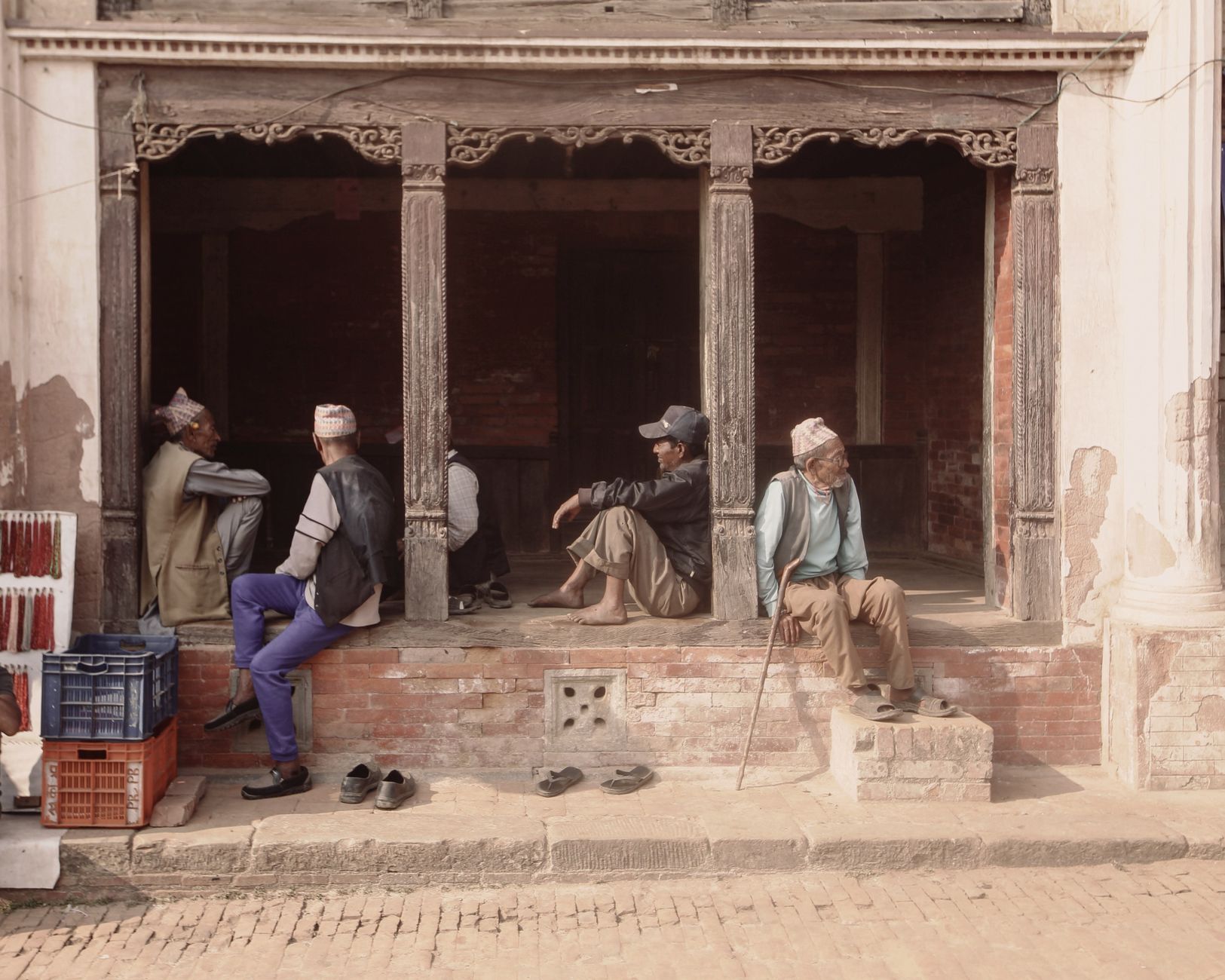


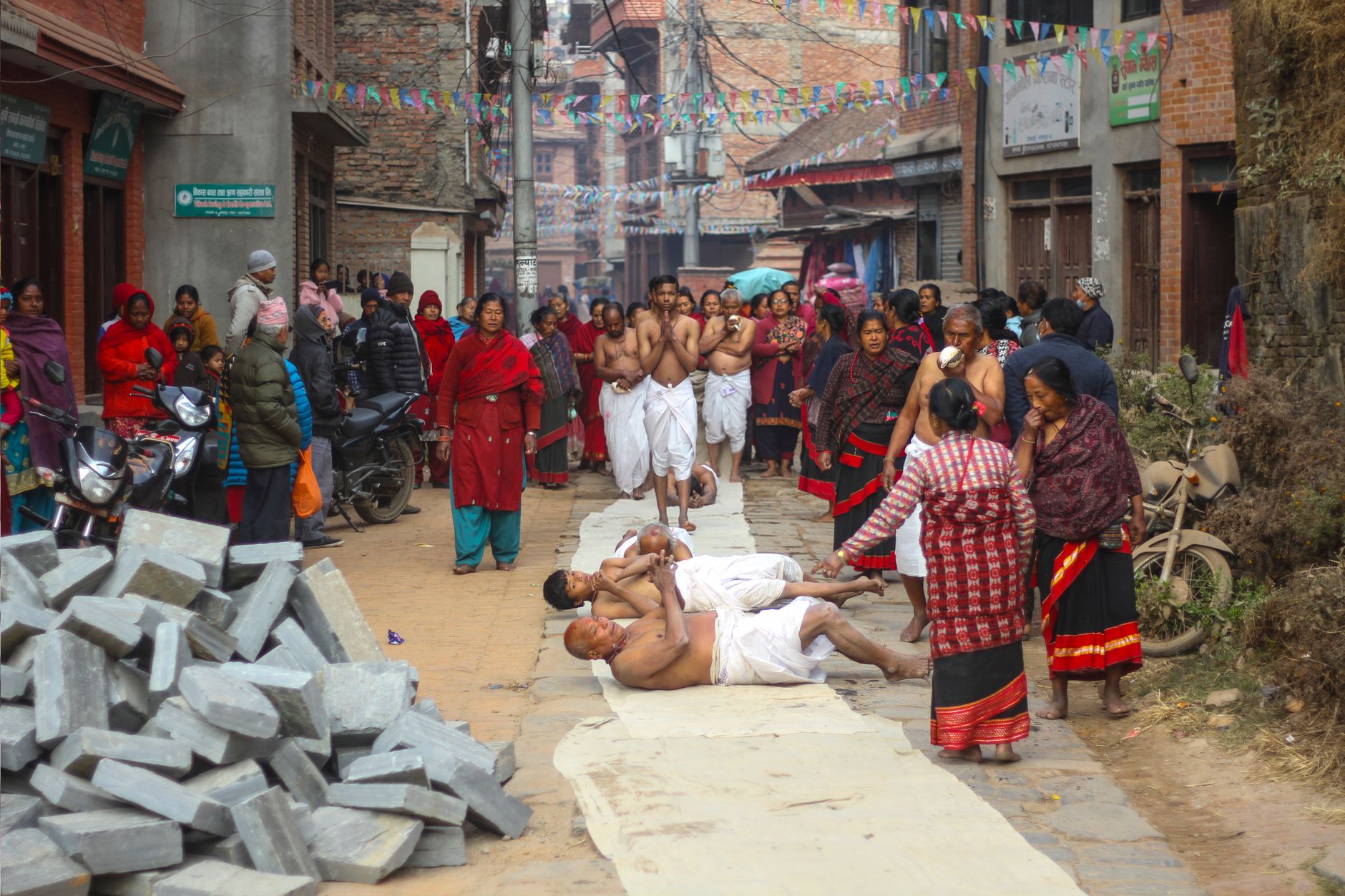
Red fired brick takes the shock out of your knees the moment you cross into the old vehicle-free core. Woodcarvers chip away at sal wood lintels beneath the five-tiered roof of Nyatapola Temple, just as their guilds did in the seventeenth century. Life happens outdoors here: grain drying on tarps in Tachapal Square, clay pots baking under the midday sun, and cold clay bowls of sweet juju dhau passed over counter tops.
Last updated 2 Sept 2026
Build a Bhaktapur itinerary.
Choose up to 4 threads that pull you in. Your plan arrives organised around them.
The Bed
Where to stay in Bhaktapur
Which part of town to book, and what each one costs you in walking, noise or quiet.
The Comparison
Bhaktapur, or somewhere near it
The places you are realistically choosing between, and the honest case for each.
The Local Record
Where to read more about Bhaktapur
The blogs, boards, guides and operators worth bookmarking.
What to do in Bhaktapur Kathmandu Valley Nepal
Bhaktapur functions at a pedestrian pace, buffered from Kathmandu's ring road traffic by strict brick paving rules. Days revolve around the four linked squares, quiet residential courtyards, and communal water spouts where daily chores still unfold. It suits travellers who prefer walking over taxi negotiations, appreciate medieval woodcraft, and want to sit with a clay bowl of curd while watching temple life happen in real time.
24 hours in Bhaktapur Kathmandu Valley Nepal
Start by 7:00 AM in Taumadhi Square before the ticket gates get busy. Climb Nyatapola Temple, then wander north to Tachapal Square for woodcarvings and tea. Lunch on spicy choila and beaten rice in a backstreet bhatti. Spend the afternoon in Potter’s Square, finishing with sweet juju dhau curd as the palace bricks turn deep crimson at sunset. Select 1 Day above to see it.
2 days in Bhaktapur Kathmandu Valley Nepal
Use your second morning for a three-hour hike north to Changu Narayan, perched on a ridge above the valley floor. Return to explore Bhaktapur's eastern residential quarters around Golmadhi, where weavers work on ground-floor looms. Dine on a multi-dish Newari samay baji platter served on leaf plates in an old courtyard house. Choose 2 Days to expand the plan.
3 days in Bhaktapur Kathmandu Valley Nepal
Head further east to the rural Newari town of Panauti, walking between sacred river confluences and quiet temples untouched by tour buses. On the return leg, stop at Thimi to watch mask-makers paint paper deities, before settling in for an evening stroll through Bhaktapur's dimly lit, vehicle-free alleys.
Bhaktapur Kathmandu Valley Nepal itineraries by interest
Craft Traditions in Bhaktapur Kathmandu Valley Nepal
Watch Newari artisans shape terracotta pots in Talako Potter's Square and carve intricate peacock windows along Dattatreya Square using traditional adzes.
Sacred Architecture in Bhaktapur Kathmandu Valley Nepal
Climb the steep stone stairs of the 1702 Nyatapola Temple and inspect the terracotta tilework of the 55-Window Palace in Durbar Square.
Local Dairy in Bhaktapur Kathmandu Valley Nepal
Eat juju dhau, the thick Newari king curd sweetened with honey and cloves, served in single-use clay pots from family stalls near Taumadhi.
Street Food in Bhaktapur Kathmandu Valley Nepal
Order spicy choila buffalo meat, beaten rice baji, and crisp lentil patties called bara fried on cast iron plates in dark, family-run bhattis.
City Walking in Bhaktapur Kathmandu Valley Nepal
Follow stone-paved lanes connecting the four main squares, past public water conduits, communal resting porches, and grain drying in courtyards.
Traditional Markets in Bhaktapur Kathmandu Valley Nepal
Morning vegetable vendors spread mustard greens, dried fish, and fresh radishes on jute sacks across the brick paving of Sukuldhoka by dawn.
Day Trips in Bhaktapur Kathmandu Valley Nepal
Walk two hours uphill through pine forests and farming hamlets to the sixth-century Changu Narayan Temple, the valley’s oldest pagoda shrine.
Hillside Views in Bhaktapur Kathmandu Valley Nepal
Take a morning taxi up to Nagarkot ridge for sunrise views stretching across the snow-capped central Himalayan range and terraced valleys.
Local Festivals in Bhaktapur Kathmandu Valley Nepal
Witness the spring Bisket Jatra chariot tug-of-war in Taumadhi Square or autumn Gai Jatra processions winding through ancient residential quarters.
Museum Collections in Bhaktapur Kathmandu Valley Nepal
Tour the National Art Gallery inside the palace complex to study medieval stone sculptures, gilt bronzes, and seventeenth-century palm-leaf manuscripts.
Weaving & Textiles in Bhaktapur Kathmandu Valley Nepal
Seek out workshops weaving black and red Haku Patasi cotton saris on wooden backstrap looms tucked into the residential courtyards of Golmadhi.
Country Walks in Bhaktapur Kathmandu Valley Nepal
Stroll through potato and mustard fields past brick kilns to the medieval village of Thimi, known for ceremonial papier-mâché masks and pottery.