Kathmandu.
.jpeg)


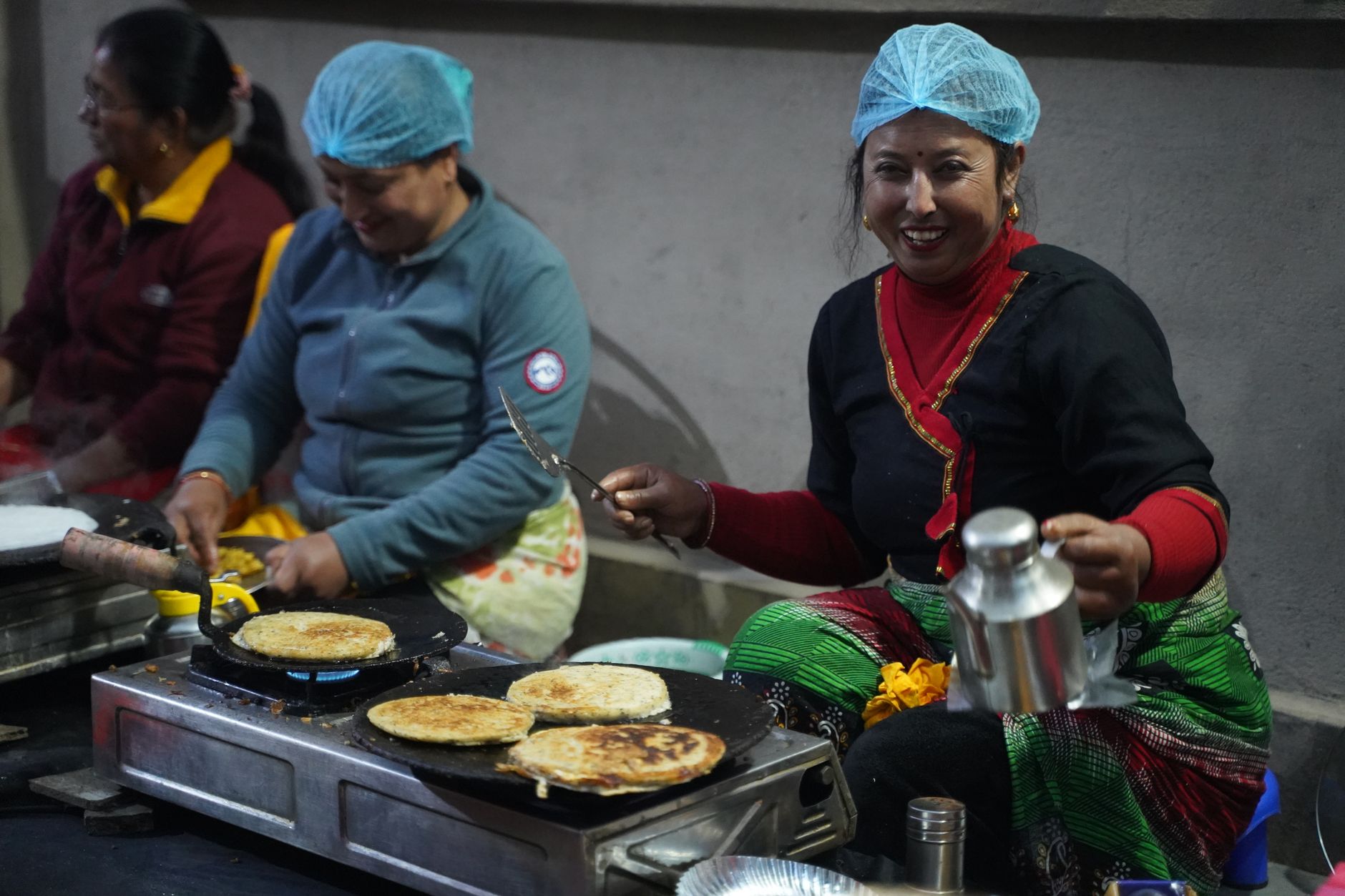

Motorbikes weave through alleys barely wider than a shoulder span, scattering pigeons across fourteenth-century brick courtyards. You step around brass offering plates piled with marigolds and find a quiet courtyard where an old woman folds buffalo momos by the gross. The city is dense, dusty, and relentlessly alive, framed by the high Himalayan rim. Durbar Square preserves centuries of carved sal wood and tiered pagoda roofs amid the diesel haze. Kathmandu is worth visiting if you want to navigate living medieval Newar architecture and eat steaming dumplings in courtyard backstreets. Look elsewhere if you need clean air, quiet pedestrian streets, orderly public transit, or an escape from dust and traffic.
Last updated 2 Sept 2026
Build a Kathmandu itinerary.
Choose up to 4 threads that pull you in. Your plan arrives organised around them.
The Bed
Where to stay in Kathmandu
Which part of town to book, and what each one costs you in walking, noise or quiet.
The Comparison
Kathmandu, or somewhere near it
The places you are realistically choosing between, and the honest case for each.
The Local Record
Where to read more about Kathmandu
The blogs, boards, guides and operators worth bookmarking.
What to do in Kathmandu Kathmandu Valley Nepal
Kathmandu unfolds across an ancient lake bed where three historic royal cities meet. Days revolve around temple courtyards, bustling morning market squares like Asan, and leisurely afternoon tea stops. It suits curious walkers comfortable with chaotic traffic, layered brick history, and intense urban texture who prefer raw street culture over sanitised sightseeing.
24 hours in Kathmandu Kathmandu Valley Nepal
Start at dawn circling Boudhanath with local pilgrims. Walk through Asan Tole toward Kathmandu Durbar Square before midday heat. Lunch on buff momos and spiced aloo tama, then spend the late afternoon climbing the stone stairs to Swayambhunath for valley views before dark. Select 1 Day above to see it.
2 days in Kathmandu Kathmandu Valley Nepal
Cross the Bagmati River to Patan to study fine Newar bronze craft and brick courtyards around Patan Durbar Square. Stop for samay baji in a backstreet bhatti, then head to Pashupatinath Temple at dusk to watch the Bagmati riverside rituals and butter lamp fires. Choose 2 Days to expand the plan.
3 days in Kathmandu Kathmandu Valley Nepal
Dedicate your third morning to Bhaktapur, walking traffic-free cobblestone lanes and Pottery Square. Eat a clay pot of sweetened juju dhau curd, then head north to the ridgeline at Nagarkot or Shivapuri National Park for quiet forest walks away from the urban noise.
Kathmandu Kathmandu Valley Nepal itineraries by interest
Sacred Architecture in Kathmandu Kathmandu Valley Nepal
Walk clockwise around the whitewashed dome of Boudhanath Stupa at dusk and inspect the fifth-century tiered shrines of Swayambhunath.
Street Food in Kathmandu Kathmandu Valley Nepal
Track down steaming buffalo momos in Asan Tole, deep-fried sel roti rings, and bowls of spiced choila served with beaten rice.
Local Markets in Kathmandu Kathmandu Valley Nepal
Navigate the narrow lanes of Asan Bazaar, where brass spice bowls, dried fish, cardamom sacks, and fresh marigolds crowd the sidewalks.
Craft Traditions in Kathmandu Kathmandu Valley Nepal
Watch Newar metalsmiths chase repoussé copper in Patan workshops and woodcarvers restore seventeenth-century peacock windows.
Historic Districts in Kathmandu Kathmandu Valley Nepal
Wander the dense Newar alleyways of Patan and Bhaktapur, lined with brick bahal courtyards and intricate wooden strut carvings.
Tea Culture in Kathmandu Kathmandu Valley Nepal
Sit on low wooden benches for spiced chiya brewed in tin pots with fresh buffalo milk and crushed black pepper in local tea stalls.
Spiritual Rituals in Kathmandu Kathmandu Valley Nepal
Observe evening aarti ceremonies along the Bagmati River at Pashupatinath Temple as butter lamps illuminate stone ghats.
Traditional Dining in Kathmandu Kathmandu Valley Nepal
Order a full Newar samay baji platter with beaten rice, black soybeans, spiced greens, and a clay cup of fermented aila.
Valley Hiking in Kathmandu Kathmandu Valley Nepal
Follow the forest trails from Sundarijal up to Shivapuri ridge for views across the valley floor and northern snow peaks.
Day Trips in Kathmandu Kathmandu Valley Nepal
Take an hour drive east to medieval Bhaktapur for pottery squares and terracotta temples largely spared from traffic.
Textiles & Weaving in Kathmandu Kathmandu Valley Nepal
Browse shops around Thamel and Bouddha for hand-spun yak wool shawls, hemp bags, and traditional Dhaka woven fabrics.
Monastic Life in Kathmandu Kathmandu Valley Nepal
Visit the Tibetan Buddhist monasteries ringing Boudhanath Stupa to listen to morning horn practices and butter lamp offerings.