Brașov.


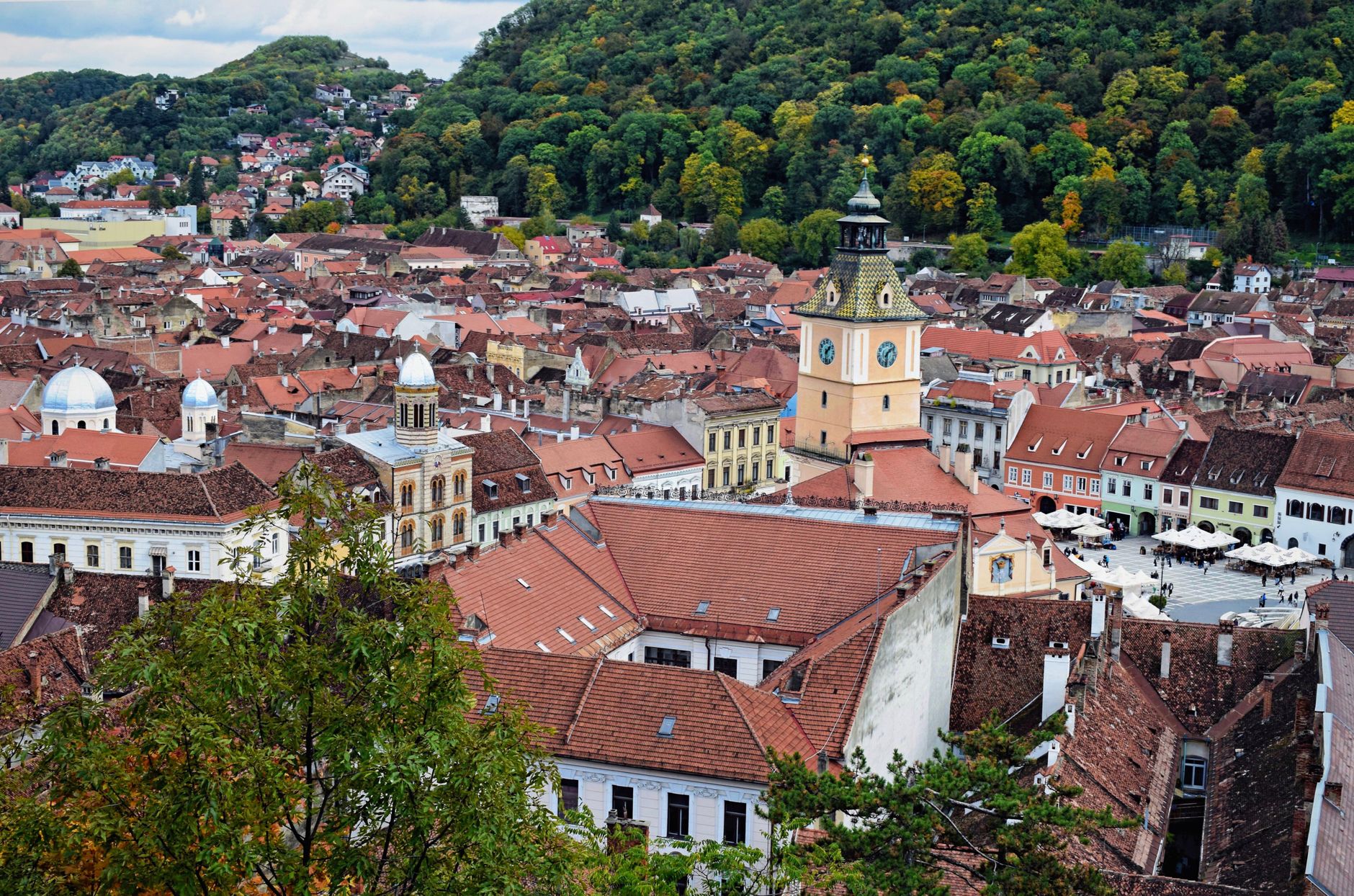
Mount Tâmpa drops straight against the medieval tile roofs. Beech forests hem the Saxon alleys on three sides, holding morning mist before the square clears. Walking into Piața Sfatului, you pass thick stone gates and the soot-blackened walls of the fourteenth-century Black Church. It is an orderly mountain bastion where bakers still sell hot sesame covrigi straight through basement grates. Brașov is worth visiting if you want medieval fortifications, pine-scented ridge hikes right from the curb, and sour tripe soup. Look elsewhere if you want late-night clubbing, major indoor museums for rainy days, or flat streets that spare your knees.
Last updated 3 Sept 2026
Build a Brașov itinerary.
Choose up to 4 threads that pull you in. Your plan arrives organised around them.
The Bed
Where to stay in Brașov
Which part of town to book, and what each one costs you in walking, noise or quiet.
The Comparison
Brașov, or somewhere near it
The places you are realistically choosing between, and the honest case for each.
The Local Record
Where to read more about Brașov
The blogs, boards, guides and operators worth bookmarking.
What to do in Brașov Transylvania Romania
Brașov is built inside a mountain bowl, its Saxon core radiating out from Piața Sfatului along pedestrian cobbles. Days balance forest trail walks with cellar dinners of pork stew and polenta. It rewards travellers who prefer temperate mountain air, hearty cooking, and walking everywhere without needing a car or complex transit.
24 hours in Brașov Transylvania Romania
Spend your morning exploring the Black Church and walking the defensive ramparts on Strada După Ziduri. For lunch, order ciorbă de burtă near the square. Ride the afternoon cable car up Mount Tâmpa for valley views, then spend the evening lingering over grilled mici sausages and cold draught beer in a vaulted tavern cellar. Select 1 Day above to see it.
2 days in Brașov Transylvania Romania
Head past Catherine's Gate into the quiet Schei quarter on day two to tour the First Romanian School. Hike the yellow trail to the White Tower before catching a regional bus to Râșnov to inspect its hilltop fortress. Dine on smoked trout and creamy polenta away from the main square. Choose 2 Days to expand the plan.
3 days in Brașov Transylvania Romania
A third day unlocks the fortified Saxon church at Prejmer, twenty minutes away by train, where you can explore centuries-old honeycomb storerooms. Return for an afternoon hike along the Piatra Mare trails, finishing with sheep cheese and plum țuică by an open hearth.
Brașov Transylvania Romania itineraries by interest
Sacred Architecture in Brașov Transylvania Romania
Inspect the soot-stained walls, towering 14th-century nave, and massive collection of Ottoman prayer rugs inside the gothic Black Church.
Mountain Hiking in Brașov Transylvania Romania
Climb the switchbacks up Mount Tâmpa or take the yellow triangle trail up to Poiana Brașov through steep beech and fir forests.
Local Soups in Brașov Transylvania Romania
Order steaming ciorbă de burtă with pickled garlic and sour cream, or bean soup served inside a hollowed loaf of crusty bread.
Medieval Fortifications in Brașov Transylvania Romania
Walk the defensive bastions along Strada După Ziduri, passing Catherine's Gate and the steep climb up to the White Tower.
Street Food in Brașov Transylvania Romania
Grab warm covrigi seeded with poppy or sesame straight from sidewalk bakeries, or sweet chimney cakes dusted with walnut sugar.
Traditional Taverns in Brașov Transylvania Romania
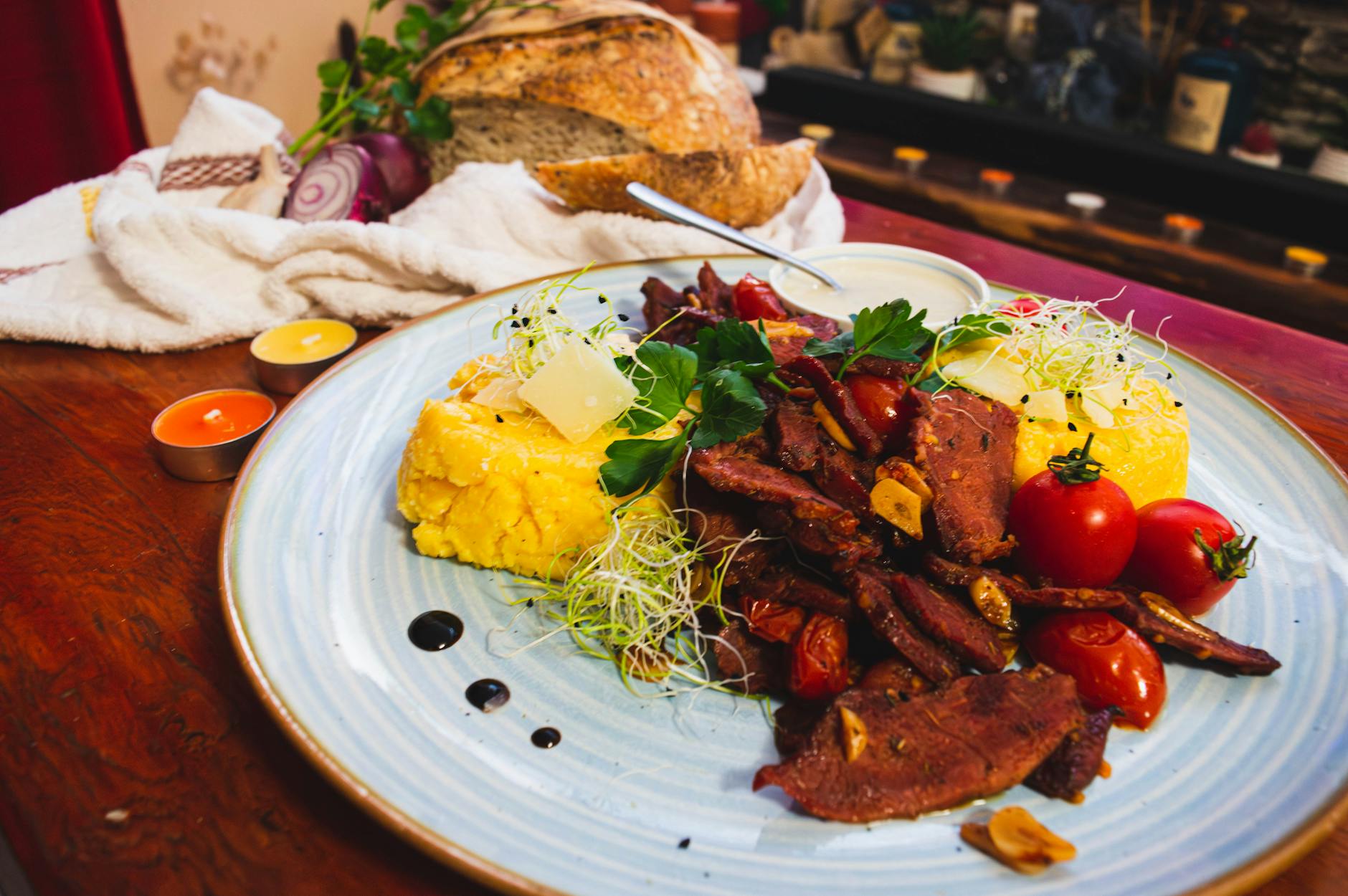
Settle into cellar vaults for grilled mici sausages, polenta with salty brânză de burduf cheese, and carafes of dry Fetească Neagră.
Day Trips in Brașov Transylvania Romania
Board morning buses to the fortified Saxon church at Prejmer or the turreted stone heights of 14th-century Bran Castle.
Historic Neighborhoods in Brașov Transylvania Romania
Wander Schei, the old Romanian quarter, to find quiet cobbled lanes, St. Nicholas Church, and the country's first Romanian school.
Produce Markets in Brașov Transylvania Romania
Browse Piața Star for smoked lard, jars of wild bilberry preserve, pickled green tomatoes, and wheels of pungent sheep cheese.
Pastry & Baking in Brașov Transylvania Romania
Try flaky plăcintă filled with sweet curd cheese or sour cherries, paired with strong black coffee in morning bakery courtyards.
City Panoramas in Brașov Transylvania Romania
Ride the cable car to the Mount Tâmpa summit sign or hike to the Black Tower for wide views over the red-tiled old quarter.
Regional Spirits in Brașov Transylvania Romania
Sip double-distilled plum țuică or palincă poured cold from glass carafes before dinner as a bracing alpine digestif.