.jpg)
_(14592873039).jpg)

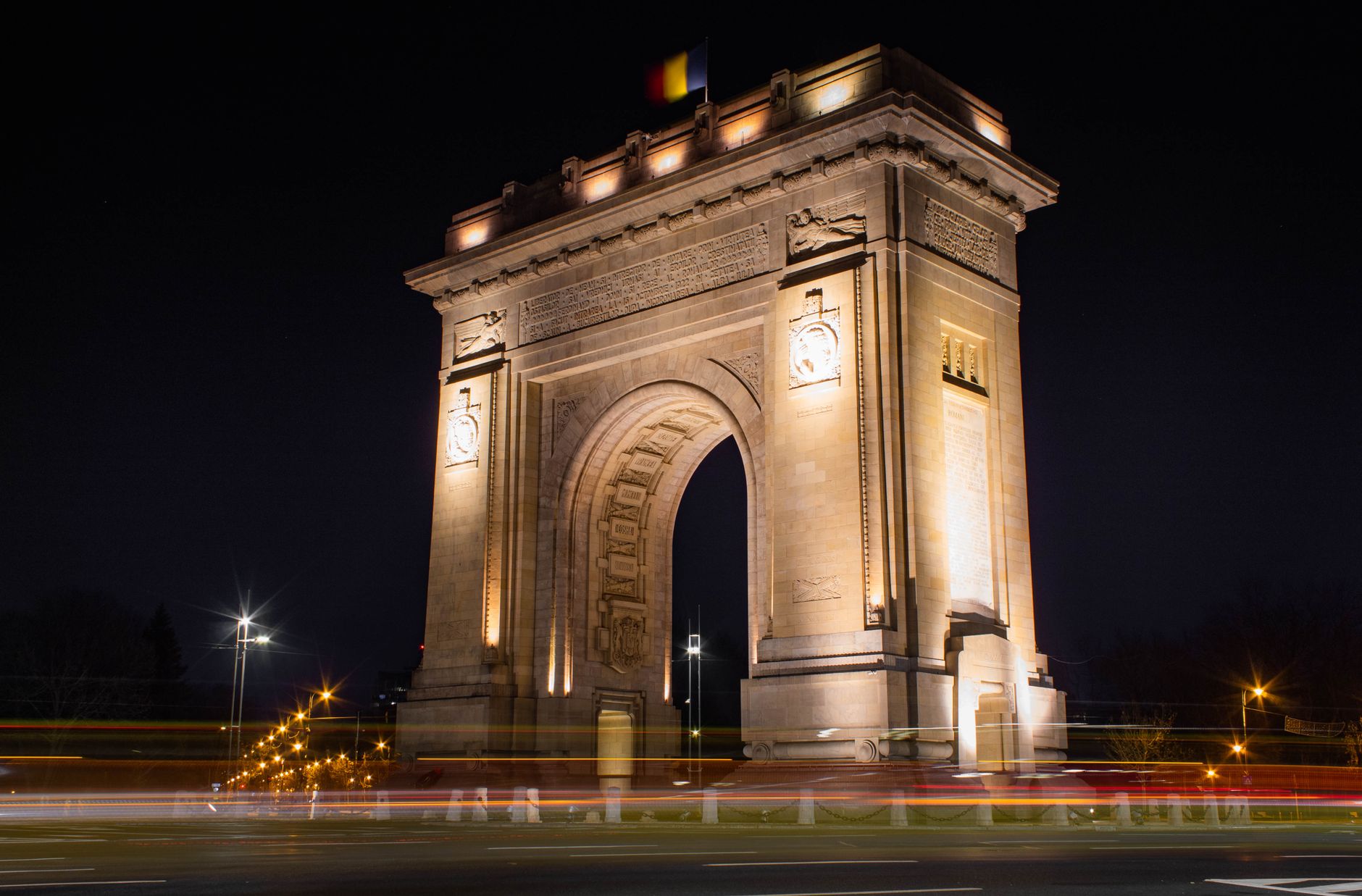

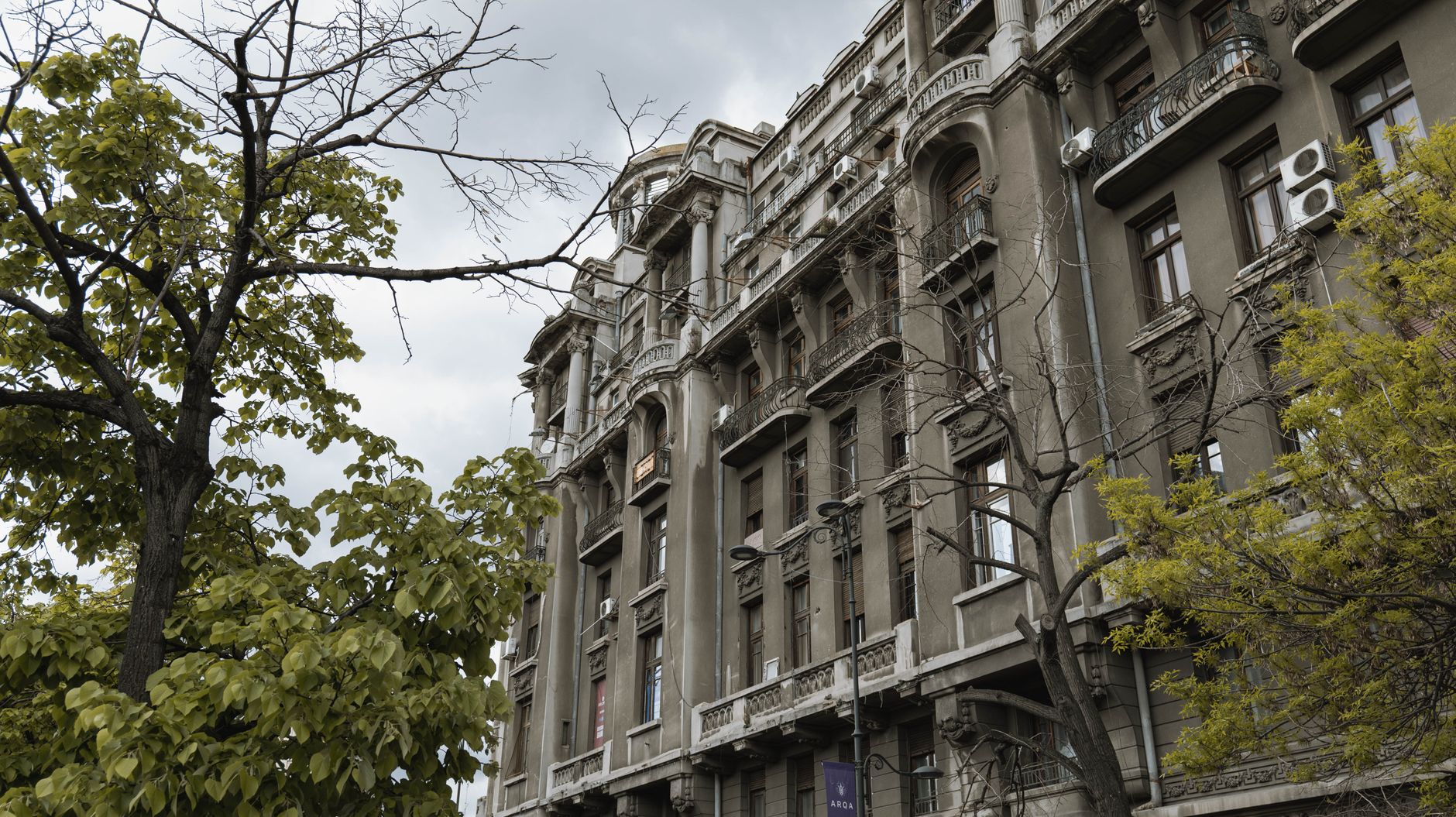
Trams rattle across broad intersections where French neoclassical facades rub shoulders with brutalist concrete blocks and quiet, vine-tangled 18th-century courtyards. Walking south along Calea Victoriei, the city reveals its strange, layered architectural logic without apology. You will find small bakeries dispensing hot covrigi beside gilded Orthodox chapels like Stavropoleos. We spent twenty minutes admiring a cornice only to realise we were standing in front of a bank. Bucharest is worth visiting if you want complex 20th-century history, grand avenues, and robust Balkan cooking at neighbourhood tables. Look elsewhere if you want a manicured, car-free historic centre, uniform architectural preservation, or postcard-perfect European charm.
Last updated 2 Sept 2026
Build a Bucharest itinerary.
Choose up to 4 threads that pull you in. Your plan arrives organised around them.
The Bed
Where to stay in Bucharest
Which part of town to book, and what each one costs you in walking, noise or quiet.
The Comparison
Bucharest, or somewhere near it
The places you are realistically choosing between, and the honest case for each.
The Local Record
Where to read more about Bucharest
The blogs, boards, guides and operators worth bookmarking.
What to do in Bucharest Wallachia Romania
Bucharest spreads outward from the Dâmbovița River, where broad socialist boulevards slice through historic quarters. Days center on long walks along Calea Victoriei, lingering over coffee in shady garden terraces, and visiting massive state landmarks. It suits travellers who appreciate architectural collisions, hearty southeastern European food, and unvarnished modern history.
24 hours in Bucharest Wallachia Romania
Start early at the Stavropoleos Church courtyard before walking Calea Victoriei north to Revolution Square. Stop for a lunch of hot ciorbă de burtă at an old tavern, then take a guided afternoon tour of the Palace of Parliament. Finish with grilled mici and cold local draught beer in the Lipscani quarter. Select 1 Day above to see it.
2 days in Bucharest Wallachia Romania
A second day lets you ride the metro north to the lakeside Village Museum in Herăstrău Park. Walk the tree-lined streets of the Cotroceni neighbourhood in the afternoon, admiring art-deco villas before sitting down to roasted pork knuckle with polenta at a neighbourhood brewery. Choose 2 Days to expand the plan.
3 days in Bucharest Wallachia Romania
With three days, take the 45-minute suburban ride to Mogoșoaia Palace to study 1700s Wallachian architecture on the lake. Spend your afternoon rummaging through the vast vegetable and pickle stalls of Piața Obor, ending with a glass of rich Fetească Neagră wine in a quiet courtyard bar.
Bucharest Wallachia Romania itineraries by interest
Historic Architecture in Bucharest Wallachia Romania
Spot 18th-century Brâncovenesc stonework at Stavropoleos Monastery and grand Belle Époque facades lining Calea Victoriei.
Local Cuisine in Bucharest Wallachia Romania
Order sarmale rolled in sour cabbage with mămăligă and sour cream, or garlicky grilled mici with yellow mustard at old beer halls.
Sacred Architecture in Bucharest Wallachia Romania
Step inside tiny Orthodox sanctuaries like Antim Monastery and Kretzulescu Church to see gilded iconostases and quiet frescoes.
Modern History in Bucharest Wallachia Romania
Tour the colossal Palace of Parliament, Ceaușescu's Spring Palace, and Revolution Square to grasp the impact of the communist era.
City Parks in Bucharest Wallachia Romania
Row rented skiffs on Cișmigiu Lake or walk shaded gravel alleys among centuries-old plane trees in Herăstrău Park.
Markets & Produce in Bucharest Wallachia Romania
Bargain for smoked lard, fresh curd cheese, and pickled gogonele under the covered stalls of Piața Obor.
Street Food in Bucharest Wallachia Romania
Pick up hot covrigi with poppy seeds from corner simigerii or grab shaorma stuffed with pickles on Bulevardul Dacia.
Wine & Vineyards in Bucharest Wallachia Romania
Taste native Fetească Neagră and aromatic Tămâioasă Românească grapes at intimate wine bars across the Old Town.
Museums & Galleries in Bucharest Wallachia Romania
View Romanian medieval art and European masters in the former Royal Palace galleries along Calea Victoriei.
Folk Traditions in Bucharest Wallachia Romania
Wander among authentic relocated wooden farmhouses and wind-beaten watermills at the open-air Village Museum.
Bookshops & Cafes in Bucharest Wallachia Romania
Browse the multi-level white staircases of Cărturești Carusel and drink dark coffee on quiet side streets off Strada Lipscani.
Day Trips in Bucharest Wallachia Romania
Ride north to Mogoșoaia Palace or visit the quiet Snagov Monastery set on an island surrounded by thick oak woods.