

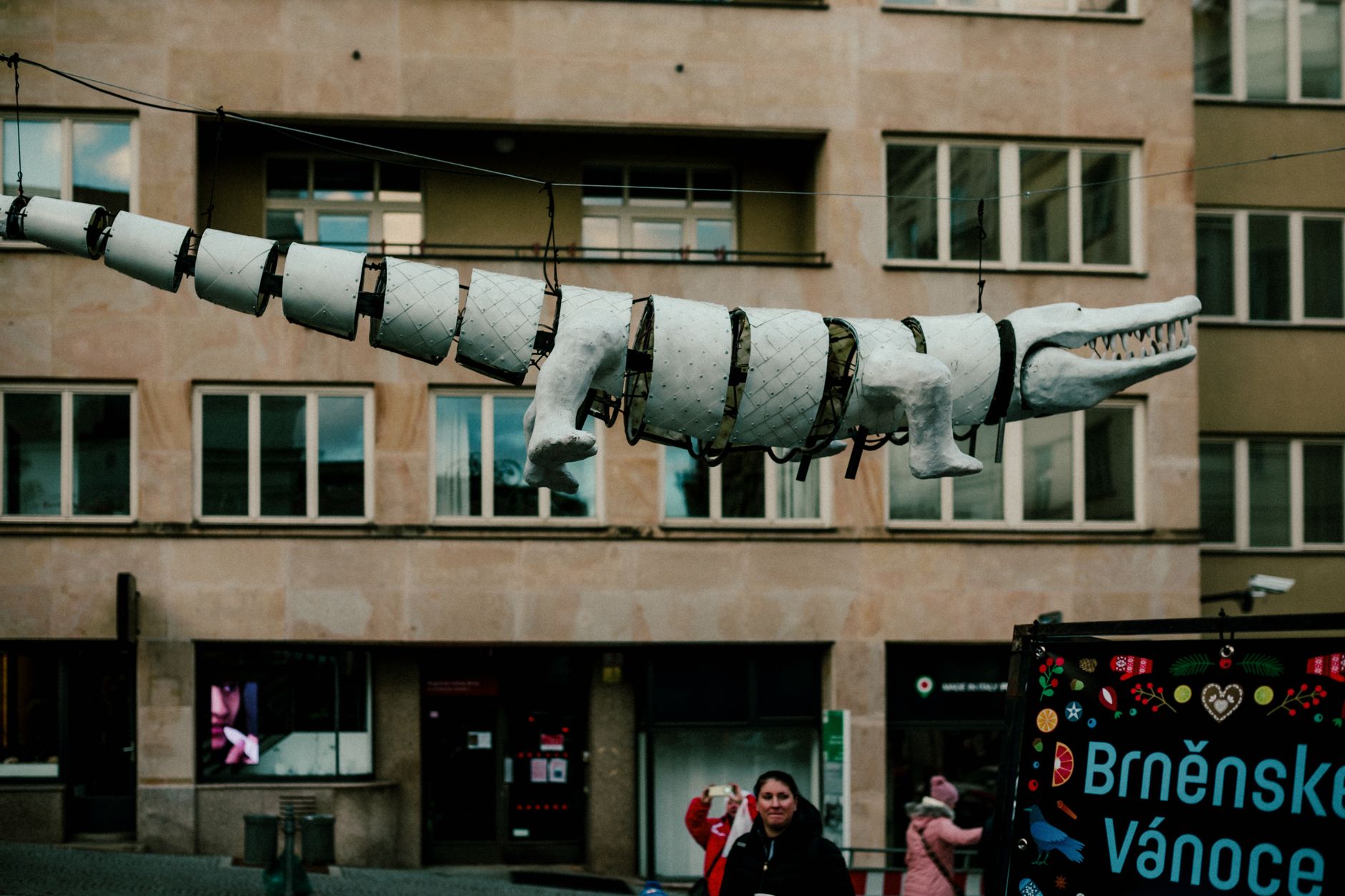


Brno sits ninety minutes north of Vienna by direct train and two and a half hours southeast of Prague. As Moravia's capital, the city is known for interwar functionalist architecture, an energetic student cafe circuit, and deep cellars serving regional wine. The historic core is compact, walkable, and mercifully free of tour bus congestion. Brno is worth visiting if you want landmark modernist design, quiet taprooms pouring unfiltered lager, and easy access to Moravian vineyards. Look elsewhere if you want grand royal palaces, blockbuster art museums, or glitzy late-night clubs.
Last updated 9 Sept 2026
Build a Brno itinerary.
Choose up to 4 threads that pull you in. Your plan arrives organised around them.
The Bed
Where to stay in Brno
Which part of town to book, and what each one costs you in walking, noise or quiet.
The Comparison
Brno, or somewhere near it
The places you are realistically choosing between, and the honest case for each.
The Local Record
Where to read more about Brno
The blogs, boards, guides and operators worth bookmarking.
What to do in Brno Moravia Czechia
Brno wraps around two central hills, Petrov and Spilberk, with a grid of nineteenth-century boulevards and cobbled market squares between them. Daily life centers around open-air markets, university cafes, and unhurried pub gatherings. It suits independent travellers who value world-class modernist design, excellent regional wine, and a relaxed, working-city pace without the crush of standard tourist itineraries.
24 hours in Brno Moravia Czechia
Start your morning with espresso at Zelny trh, then climb Petrov hill before your timed ticket at Villa Tugendhat in Cerna Pole. Grab a lunch of goulash and bread dumplings at a neighborhood pivnice, take in the Spilberk ramparts by late afternoon, and finish standing outside Vycep Na Stojaka with a cold draft lager. Select 1 Day above to see it.
2 days in Brno Moravia Czechia
Spend day two discovering the functionalist villas of Pisarky, followed by a quiet walk through Luzanky park. Book dinner at Atelier Bar & Bistro for seasonal Moravian cooking, then settle into a cellar wine bar on Jakubianske namesti to taste local Moravian white varieties like Palava and Veltlinske zelene. Choose 2 Days to expand the plan.
3 days in Brno Moravia Czechia
A third day allows an easy morning train to the UNESCO-listed chateaux and lakeside paths of Lednice-Valtice, or a subterranean trek into the limestone caverns of the Moravian Karst. Return to Brno for a late, unhurried supper of roast duck and red cabbage near the city center.
Brno Moravia Czechia itineraries by interest
Modern Architecture in Brno Moravia Czechia
Tour Mies van der Rohe's 1930 Villa Tugendhat and the nearby Villa Low-Beer in Cerna Pole; book Tugendhat tickets three months ahead.
Pubs & Breweries in Brno Moravia Czechia
Drink unfiltered Dalešice or Hauskrecht lagers drawn cold from the tank at Vycep Na Stojaka or traditional pivnice along Pekarska.
Wine Culture in Brno Moravia Czechia
Sip local Frankovka and Ryzlink vlassky at Moravian wine bars like Vinoteka U Tri Knizat or cellar bars around Dominikanske namesti.
Coffee & Cafes in Brno Moravia Czechia
Find meticulous pour-overs and batch brew at Industry, SKOG Urban Hub, and Cafe Pilat, where students work beside long wooden benches.
Subterranean Sites in Brno Moravia Czechia
Explore the 10-Z nuclear bunker beneath Spilberk Castle and the bone-stacked tunnels of the Ossuary under the Church of St. James.
Markets & Produce in Brno Moravia Czechia
Browse Zelny trh (Cabbage Market) for seasonal Moravian plums, fresh curd cheeses, sour pickles, and flowers sold straight from wooden carts.
Local Gastronomy in Brno Moravia Czechia
Eat braised beef in cream sauce (svickova) and potato dumplings at U Semilassa or modern takes on Moravian classics at Atelier Bar.
Sacred Architecture in Brno Moravia Czechia
Walk up Petrov hill to the twin neo-Gothic spires of the Cathedral of St. Peter and Paul, which famously tolls noon an hour early at 11:00.
Castles & Fortresses in Brno Moravia Czechia
Climb the wooded slopes to Spilberk Castle, a former Habsburg fortress and brutal prison offering sweeping views over the city rooftops.
Day Trips in Brno Moravia Czechia
Take the 45-minute regional train to the Lednice-Valtice cultural landscape to cycle between romantic chateaux and vineyard ridges.
City Parks in Brno Moravia Czechia
Stroll the leafy avenues of Luzanky, the oldest public park in Czechia, or picnic along the quiet, shaded slopes beneath Denis Gardens.
Nightlife & Bars in Brno Moravia Czechia
Head to Bar Ktery Neexistuje or Super Panda Circus for bespoke cocktails served in theatrical rooms without velvet-rope nonsense.