


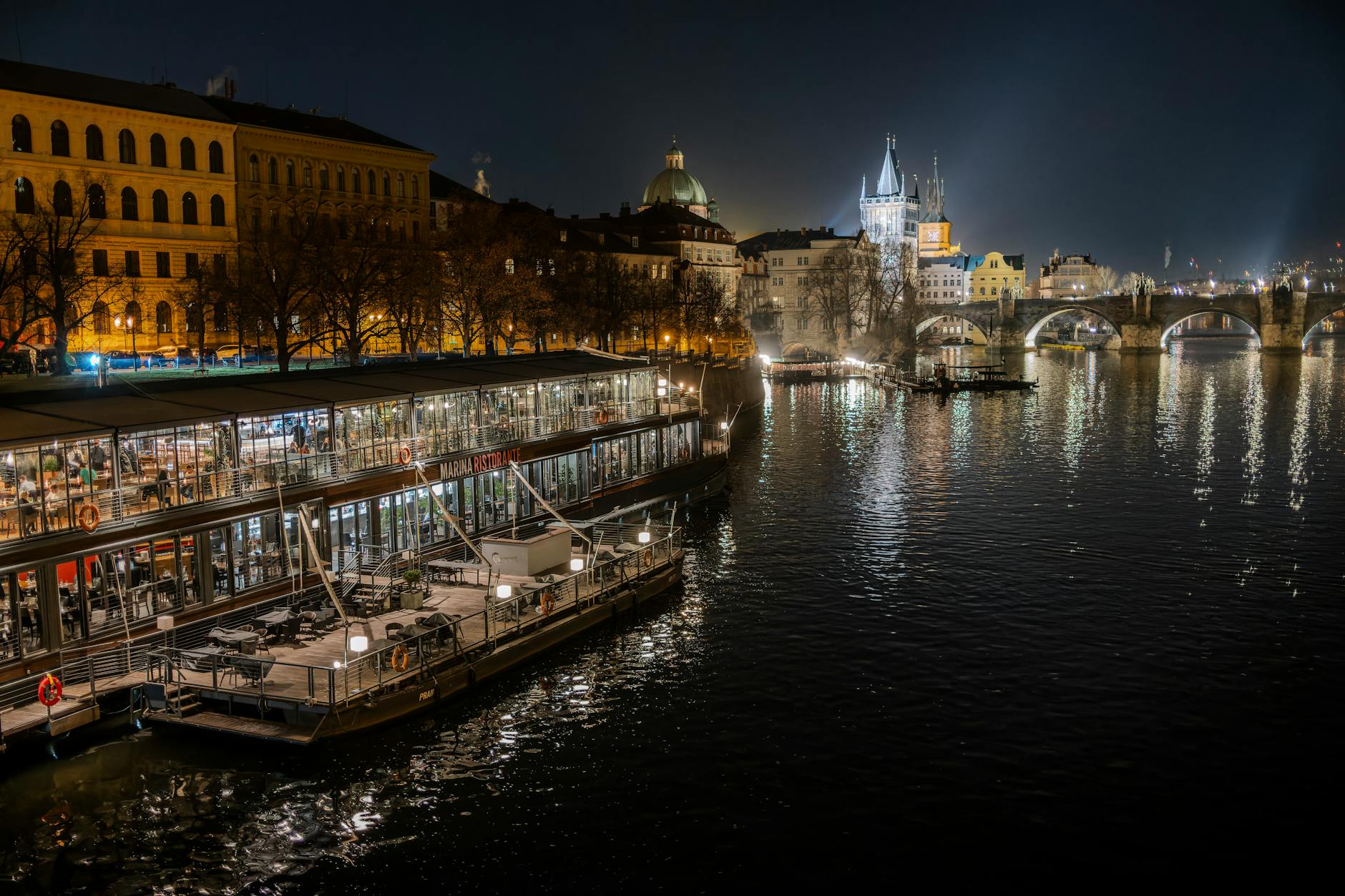
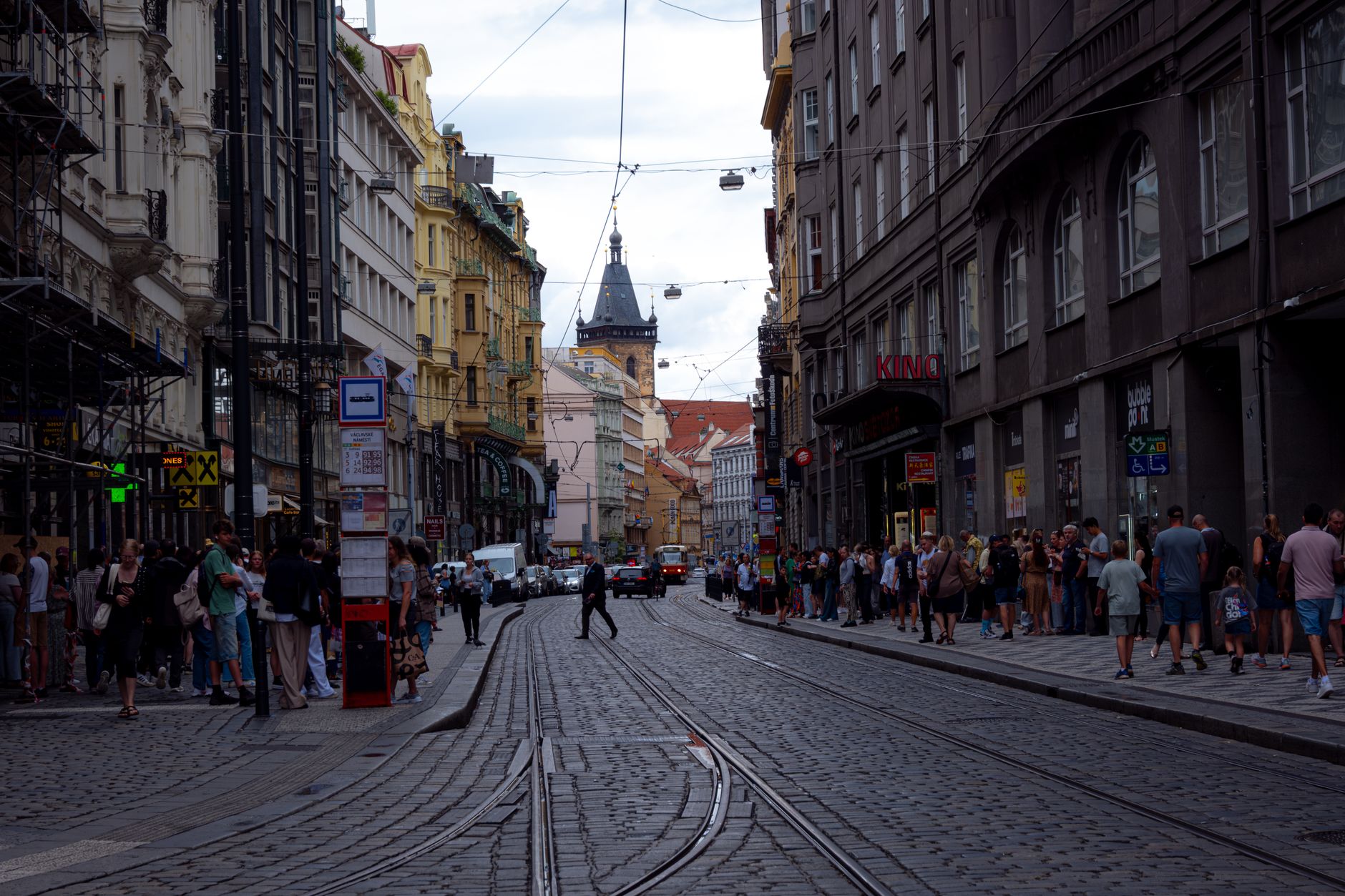
Trams clatter along the cobblestones of Malá Strana, scattering pigeons before the crowds awake. Across the Vltava, past the blackened Gothic stone of Charles Bridge, Prague rises in layers of Baroque plaster, medieval alleyways, and grand nineteenth-century facades. It is a walking city built on hearty beef goulash, tart pickled cheese, and cold lager pulled with four fingers of wet foam. You will get lost in Josefov, and your feet will ache on the stones, but the quiet courtyard beer halls reward the detour.
Last updated 28 Aug 2026
Build a Prague itinerary.
Choose up to 4 threads that pull you in. Your plan arrives organised around them.
The Bed
Where to stay in Prague
Which part of town to book, and what each one costs you in walking, noise or quiet.
The Comparison
Prague, or somewhere near it
The places you are realistically choosing between, and the honest case for each.
The Local Record
Where to read more about Prague
The blogs, boards, guides and operators worth bookmarking.
What to do in Prague Bohemia Czechia
Prague divides cleanly across the Vltava, with Staré Město on the east bank and the castle ridge on the west. Daily life runs on precise tram lines, dense bakeries, and pub tables that welcome solo diners without fuss. It rewards walkers who wake before the bridge crowds, enjoy rich central European cooking, and appreciate centuries of preserved architecture spanning Gothic stone to Cubist villas.
24 hours in Prague Bohemia Czechia
Cross Charles Bridge at dawn to beat the crush, then climb to Prague Castle before mid-morning. Lunch on svíčková and a tankard of Pilsner at U Černého Vola. Spend the afternoon wandering the narrow alleys of Staré Město, finishing with a quiet drink along the river at Náplavka as dusk settles over the water. Select 1 Day above to see it.
2 days in Prague Bohemia Czechia
Head east into Vinohrady and Žižkov, where leafy avenues replace tourist corridors. Browse the produce stalls at Náměstí Jiřího z Poděbrad, take in panoramic skyline views from Riegrovy Sady, and settle in for roasted pork knuckle with grated horseradish at a neighbourhood hospoda away from the centre. Choose 2 Days to expand the plan.
3 days in Prague Bohemia Czechia
A third morning lets you escape the city core. Take the 45-minute regional train from Hlavní Nádraží to the fourteenth-century fortress of Karlštejn, or head to Kutná Hora to see the Gothic cathedral of St. Barbara. Return for an unhurried dinner of roasted duck and dumplings in quiet Holešovice.
Prague Bohemia Czechia itineraries by interest
Beer Culture in Prague Bohemia Czechia
Order unpasteurised Pilsner Urquell poured hladinka style at Lokál, paired with nakládaný hermelín and bramboráky potato pancakes.
Sacred Architecture in Prague Bohemia Czechia
Trace fourteenth-century vaulting inside St. Vitus Cathedral and inspect Baroque frescoes at Church of Saint Nicholas in Malá Strana.
Bohemian History in Prague Bohemia Czechia
Walk the Old Town Hall to inspect the 1410 Astronomical Clock before exploring the medieval halls and courtyards of Prague Castle.
Classic Taverns in Prague Bohemia Czechia
Sit on shared wooden benches for slow-braised svíčková beef, bread dumplings, and dark Kozel lager in Vinohrady or Žižkov cellars.
Jewish Heritage in Prague Bohemia Czechia
Visit the Old Jewish Cemetery, the thirteenth-century Old-New Synagogue, and the Spanish Synagogue in the historic Josefov quarter.
Classical Music in Prague Bohemia Czechia
Hear Dvořák and Smetana performed in the Rudolfinum or attend an evening chamber recital inside the ornate Municipal House.
Modern Art in Prague Bohemia Czechia
Seek out David Černý’s provocative public sculptures, the DOX Centre in Holešovice, and Trade Fair Palace functionalist collections.
Riverside Walks in Prague Bohemia Czechia
Stroll the Náplavka embankment along the Vltava for Saturday farmers markets, river views, and quiet barge cafés at sunset.
Hilltop Parks in Prague Bohemia Czechia
Take the funicular up Petřín Hill for fruit orchards or pack bread and ham for a panoramic picnic overlooking Letná Park.
Historic Cafés in Prague Bohemia Czechia
Order espresso and Sachertorte beneath the Art Nouveau stucco of Grand Café Orient or Kafka's regular haunt, Café Louvre.
Markets & Produce in Prague Bohemia Czechia
Browse seasonal wild berries, Czech honey, smoked kolbása sausages, and Moravian cheeses at Náměstí Jiřího z Poděbrad.
Day Trips in Prague Bohemia Czechia
Ride the 40-minute train to Karlštejn Castle or take a regional bus to the bone church and silver mines of Kutná Hora.