Cebu City.


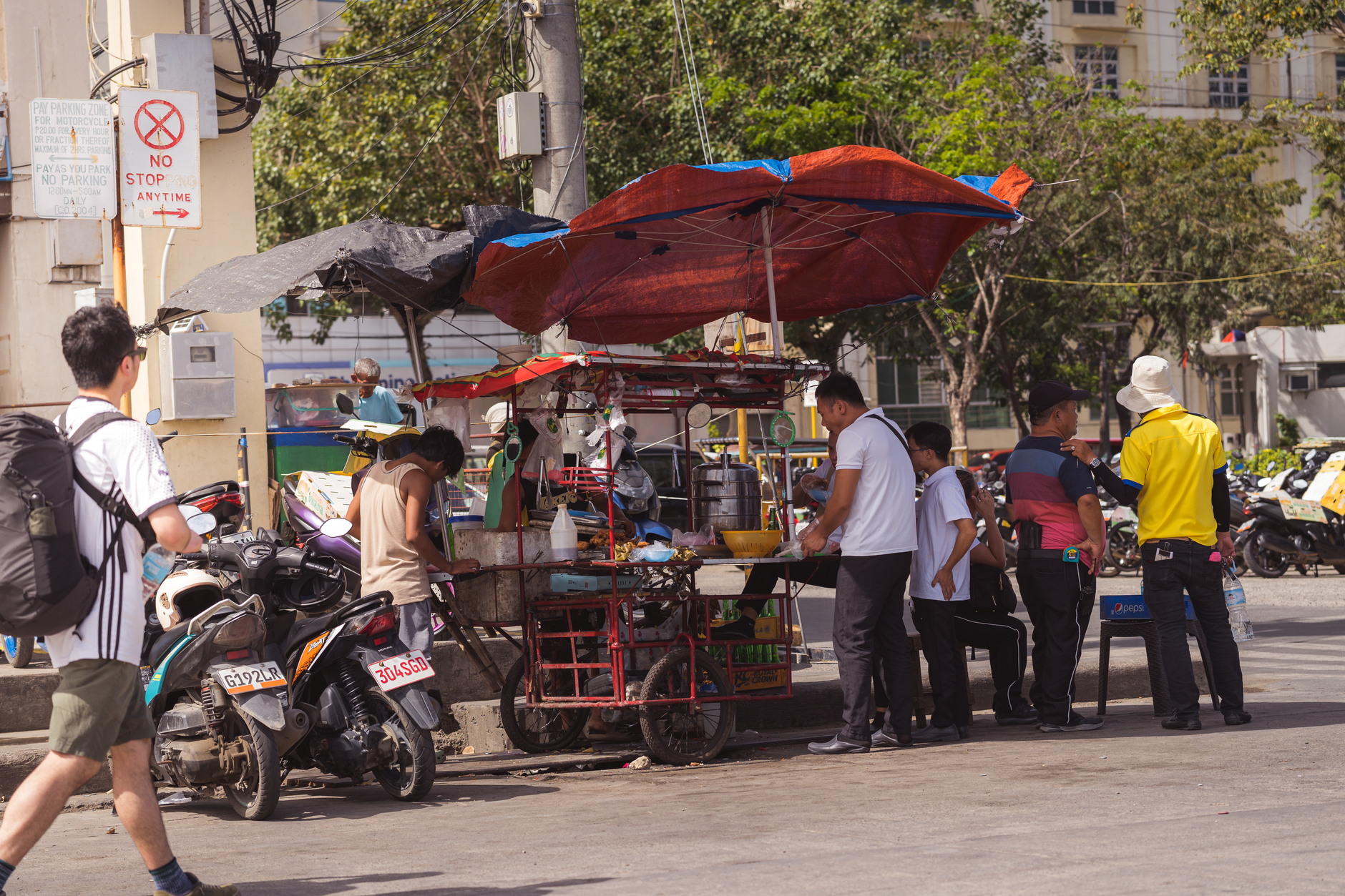
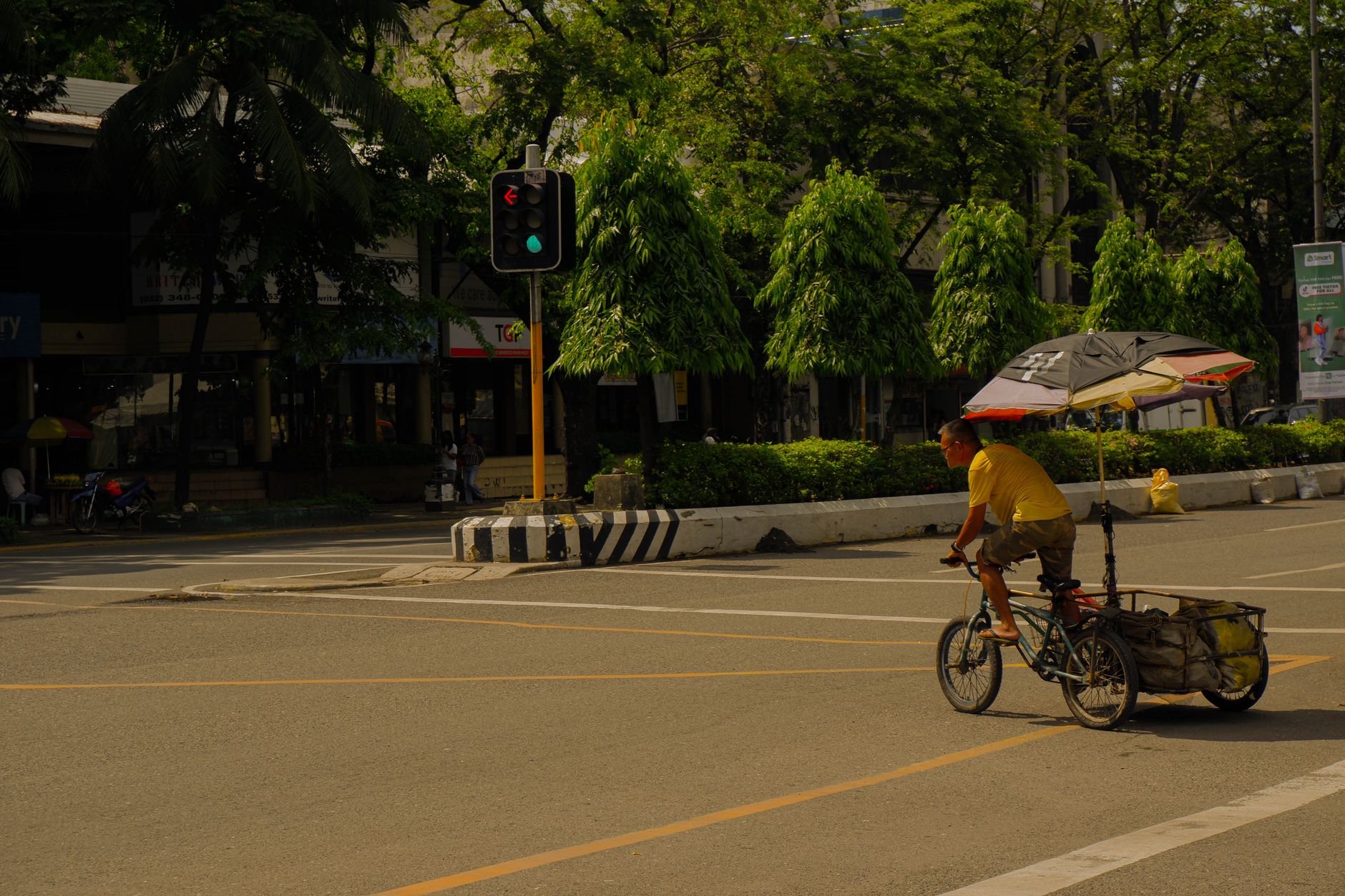
Sitting thirty minutes west of Mactan-Cebu International Airport across the channel, Cebu City is the country's oldest Spanish settlement and maritime hub. It is famous for whole roast lechon with glass-crisp skin and sixteenth-century stone chapels. The urban core moves fast between port traffic and open markets. Cebu City is worth visiting if you want to eat seasoned lechon belly at roadside counters and trace early Catholic history on foot. Look elsewhere if you want quiet pedestrian boulevards, white-sand beaches on your doorstep, or an escape from dense city traffic.
Last updated 8 Sept 2026
Build a Cebu City itinerary.
Choose up to 4 threads that pull you in. Your plan arrives organised around them.
The Bed
Where to stay in Cebu City
Which part of town to book, and what each one costs you in walking, noise or quiet.
The Comparison
Cebu City, or somewhere near it
The places you are realistically choosing between, and the honest case for each.
The Local Record
Where to read more about Cebu City
The blogs, boards, guides and operators worth bookmarking.
What to do in Cebu City Visayas & Mindanao Philippines
Cebu City combines working maritime grime with deep colonial history and exceptional eating. Days here revolve around the historic core of Parian, early morning market visits, and lively dinners built around roasted meats. It suits pragmatic travellers who appreciate urban grit, nineteenth-century timber houses, and authentic regional cooking over polished resort comforts.
24 hours in Cebu City Visayas & Mindanao Philippines
Start early at Basilica Minore del Santo Niño before the heat builds, then walk five minutes to Fort San Pedro. Eat lunch at a lechon specialist on Escario Street. Spend the afternoon around Carbon Market, ending with sunset drinks and grilled pork skewers along Mango Avenue. Select 1 Day above to see it.
2 days in Cebu City Visayas & Mindanao Philippines
Day two heads up into the cool hills along the Transcentral Highway for wide channel views, followed by an afternoon exploring nineteenth-century colonial mansions in the Parian district. Finish with a seafood dinner of tuna collar and fish tuwa broth at a roadside sutukil eatery. Choose 2 Days to expand the plan.
3 days in Cebu City Visayas & Mindanao Philippines
A third day allows you to escape the urban centre entirely. Catch an early two-hour fast ferry from Pier 1 to Tubigon on Bohol, or take a morning bus south to Carcar for market lechon and shoemakers, returning to the city in time for late night noodle bowls.
Cebu City Visayas & Mindanao Philippines itineraries by interest
Roast Pork in Cebu City Visayas & Mindanao Philippines
Tasting lechon belly stuffed with lemongrass, garlic, and scallions, spit-roasted over charcoal at Carcar market stalls or House of Lechon.
Sacred Architecture in Cebu City Visayas & Mindanao Philippines
Lighting red candles at the sixteenth-century Basilica Minore del Santo Niño and inspecting Magellan's Cross beneath its stone kiosk.
Local Seafood in Cebu City Visayas & Mindanao Philippines
Ordering fresh sutukil—sugba grilled tuna belly, tuwa sour fish broth, and kilawin raw fish ceviche cured in vinegar—beside the water.
Markets & Produce in Cebu City Visayas & Mindanao Philippines
Navigating Carbon Market at dawn for ripe carabao mangoes, dried danggit rabbitfish, salted squid, and hot bowls of beef lansiao soup.
Maritime History in Cebu City Visayas & Mindanao Philippines
Walking the coral-stone bastions of Fort San Pedro, built in 1565 by Miguel López de Legazpi to guard against coastal raiders.
Street Food in Cebu City Visayas & Mindanao Philippines
Sitting on low plastic stools for ngohiong five-spice battered rolls, pork barbecue skewers, and steaming puso rice wrapped in coconut leaves.
Colonial Heritage in Cebu City Visayas & Mindanao Philippines
Exploring the Parian district to tour Yap-San Diego Ancestral House and the hardwood floors of the nineteenth-century Museo Sugbo prison.
Mountain Escapes in Cebu City Visayas & Mindanao Philippines
Taking Transcentral Highway up to Tops Lookout and Sirao Flower Garden for panoramic views across the Mactan Channel and cooler evening air.
Island Hopping in Cebu City Visayas & Mindanao Philippines
Boarding wooden outrigger bangkas from nearby Marigondon port to snorkel the coral reefs around Nalusuan and Hilutungan marine sanctuaries.
Craft Traditions in Cebu City Visayas & Mindanao Philippines
Visiting the acoustic guitar workshops of Lapu-Lapu City to watch luthiers carve soundboards from jackfruit wood and Philippine mahogany.
Breakfast Rituals in Cebu City Visayas & Mindanao Philippines
Pairing hot sikwate native chocolate with puto maya sticky rice and sliced sweet mangoes at early morning market counters.
Day Trips in Cebu City Visayas & Mindanao Philippines
Riding an air-conditioned ferry from Pier 1 across to Bohol for coral diving or heading south to swim beneath Kawasan Falls in Badian.