Manila.


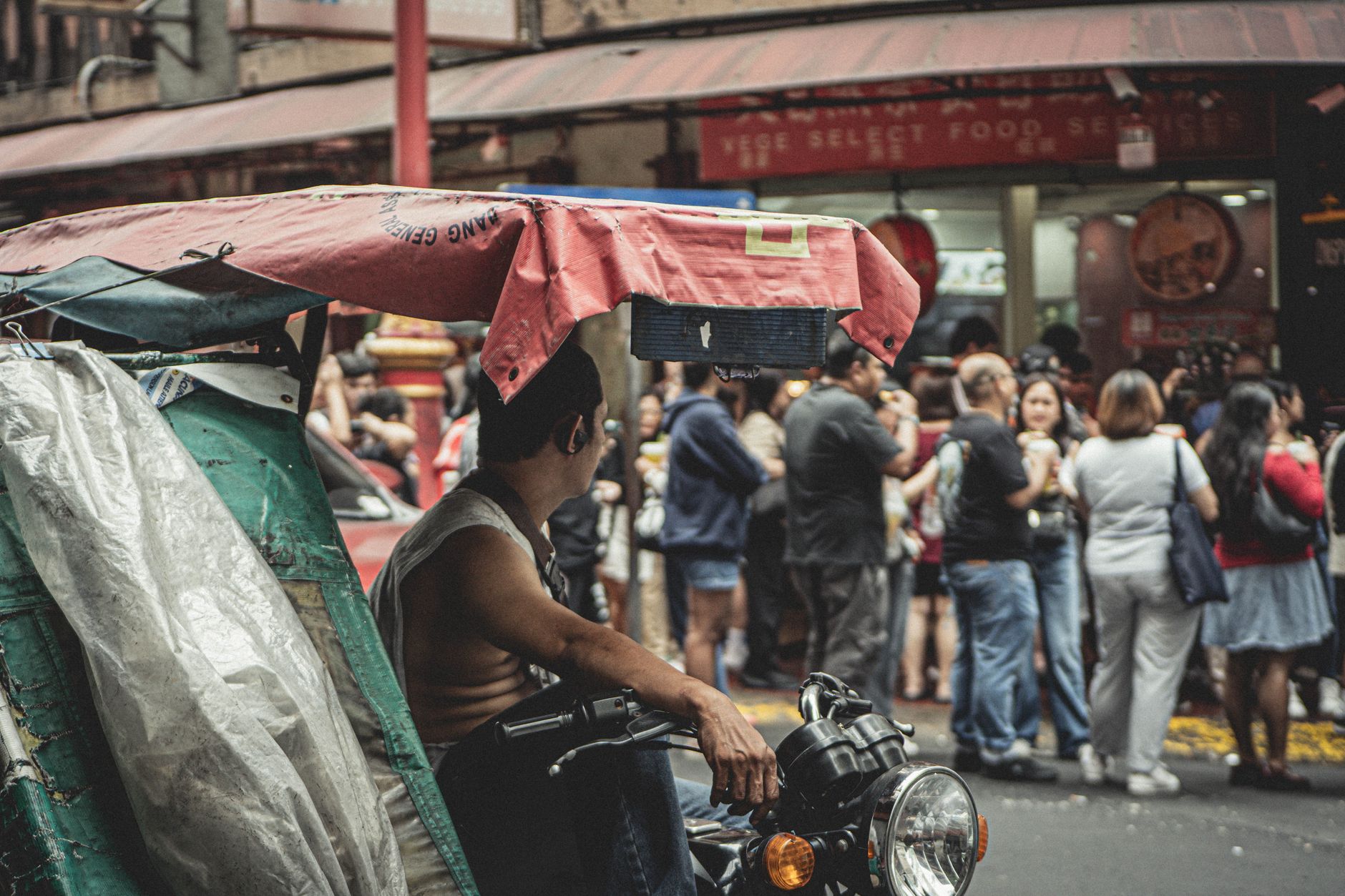

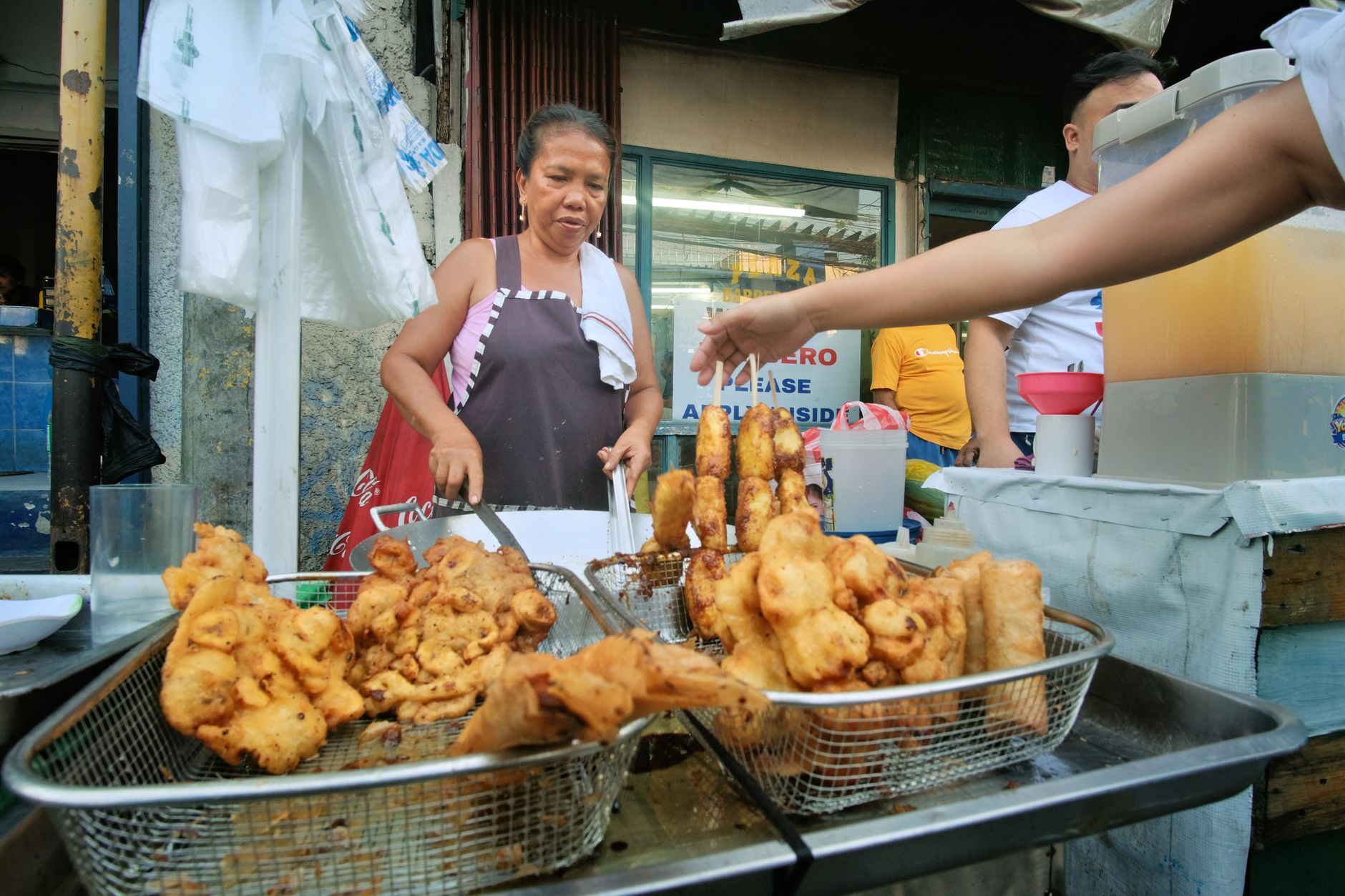
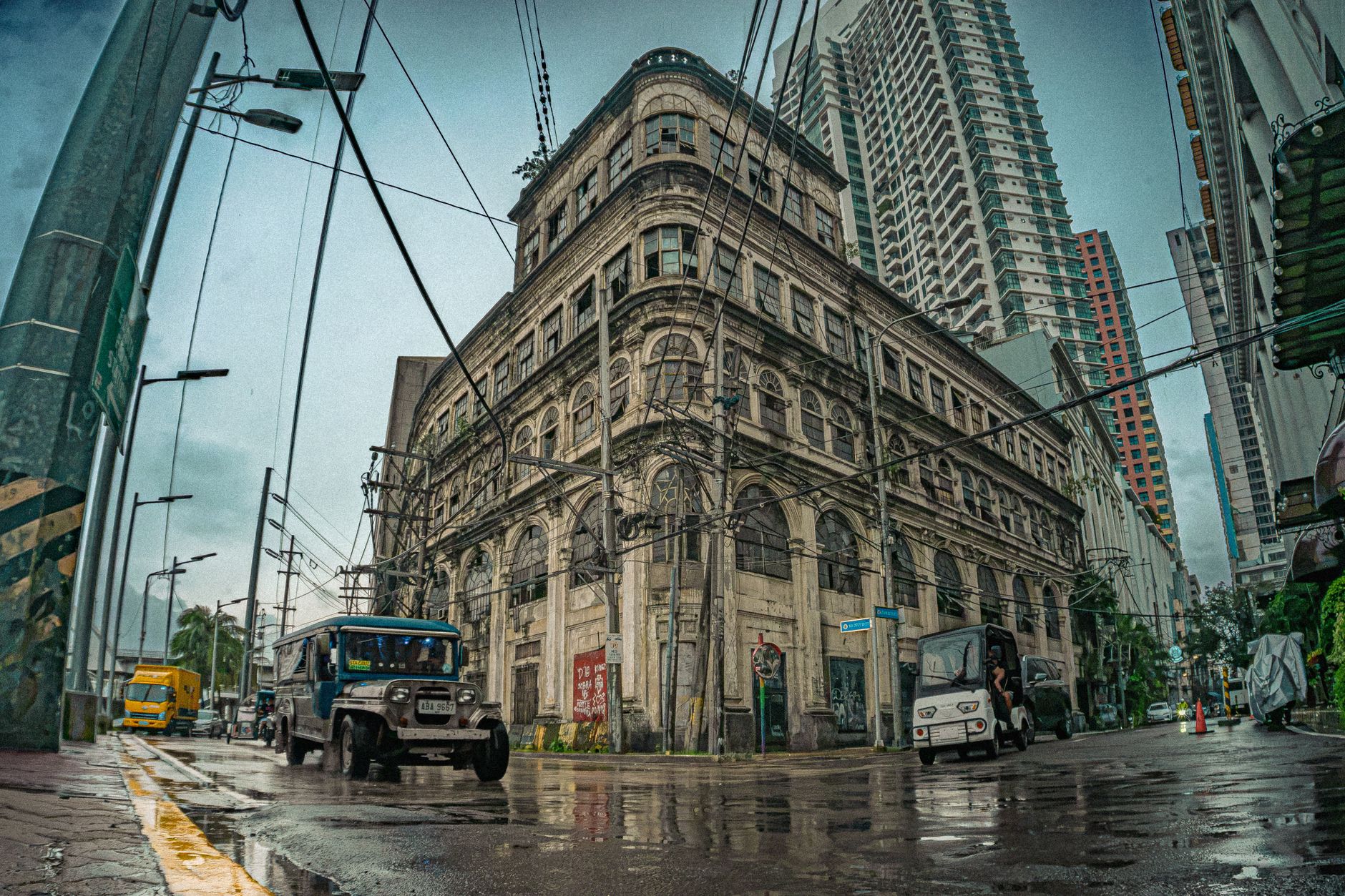
Bordering Manila Bay on Luzon, Manila sits an hour by taxi from Ninoy Aquino International Airport. The Philippine capital is known for its sixteenth-century walled quarter of Intramuros and centuries-old culinary trade routes. Manila is worth visiting if you want Spanish-era stone fortifications, late-night roadside carinderias, and deep maritime history. Look elsewhere if you want pristine beaches, easy pedestrian networks, or quiet rural pacing.
Last updated 25 Sept 2026
Build a Manila itinerary.
Choose up to 4 threads that pull you in. Your plan arrives organised around them.
The Bed
Where to stay in Manila
Which part of town to book, and what each one costs you in walking, noise or quiet.
The Comparison
Manila, or somewhere near it
The places you are realistically choosing between, and the honest case for each.
The Local Record
Where to read more about Manila
The blogs, boards, guides and operators worth bookmarking.
What to do in Manila Luzon Philippines
Manila rewards travellers who embrace its kinetic energy rather than fight it. The city runs on distinct pockets: the stone bastions of Intramuros, the food stalls of Binondo, and the art venues around Malate and Ermita. Days pivot around early morning walks before the tropical heat builds, unhurried lunches of sour sinigang broth, and evenings watching the sunset across Manila Bay. It suits curious eaters, history enthusiasts, and independent travellers.
24 hours in Manila Luzon Philippines
Start at eight in the morning walking the mossy ramparts of Fort Santiago in Intramuros. Cross the Pasig River by taxi to Binondo for fresh vegetable lumpia and dim sum on Ongpin Street, then finish with sunset views over Manila Bay and sizzling pork sisig in Malate. Select 1 Day above to see it.
2 days in Manila Luzon Philippines
Devote your second day to the National Museum complex on Padre Burgos Avenue to study Philippine archaeology and art. Shift southeast by mid-afternoon to Poblacion in Makati for regional single-origin coffee, craft beer, and charcoal-grilled chicken inasal for dinner. Choose 2 Days to expand the plan.
3 days in Manila Luzon Philippines
A third day allows an early morning ferry across Manila Bay to Corregidor Island, where guides walk you through concrete barracks and gun emplacements. Return to the city for a restorative bowl of beef bone marrow bulalo at a classic roadside carinderia.
Manila Luzon Philippines itineraries by interest
Street Food in Manila Luzon Philippines
Order grilled pork isaw, deep-fried kwek-kwek quail eggs, and sizzling pork sisig at Quiapo stalls, served with spiced cane vinegar and calamansi.
Sacred Architecture in Manila Luzon Philippines
Visit San Agustin Church to see seventeenth-century stone vaulting, and Quiapo Church for the revered Black Nazarene procession rituals.
Colonial History in Manila Luzon Philippines
Walk the sixteenth-century stone ramparts of Fort Santiago and Casa Manila in Intramuros, noting the marks of Spanish rule and World War II.
Culinary Traditions in Manila Luzon Philippines
Sample slow-simmered beef bulalo, milkfish sinigang sour soup, and crispy pata pork knuckle at longtime neighbourhood eateries in Malate.
Neighbourhood Walks in Manila Luzon Philippines
Head to Binondo along Ongpin Street for pork soup dumplings, scallion pancakes, fresh lumpia, and centuries-old Filipino-Chinese herbal shops.
Fine Arts in Manila Luzon Philippines
Explore the National Museum of Fine Arts along Padre Burgos Avenue to view Juan Luna's monumental 1884 canvas, the Spoliarium, for free.
Markets & Produce in Manila Luzon Philippines
Browse Quinta Market and Divisoria for bagoong shrimp paste, calamansi citrus, salted duck eggs, and woven pandan baskets before midday crowds.
Maritime Heritage in Manila Luzon Philippines
Trace four centuries of Manila Galleon trade at the National Museum of Anthropology, which houses porcelain and salvaged wreck artifacts.
Coffee Culture in Manila Luzon Philippines
Drink pour-overs of Benguet and Sagada Arabica beans at quiet indie cafes tucked along the tree-lined streets of Poblacion and Legazpi Village.
Performing Arts in Manila Luzon Philippines
Book a seat at the Cultural Center of the Philippines complex along the bay for Philippine Madrigal Singers concerts and national ballet works.
Contemporary Art in Manila Luzon Philippines
Tour contemporary installations and multimedia shows at the Museum of Contemporary Art and Design on Dominguez Street in Malate.
Day Trips in Manila Luzon Philippines
Board an early ferry from Pasay to the island fortress of Corregidor, exploring World War II coastal artillery batteries and Pacific war tunnels.