Colonia del Sacramento.


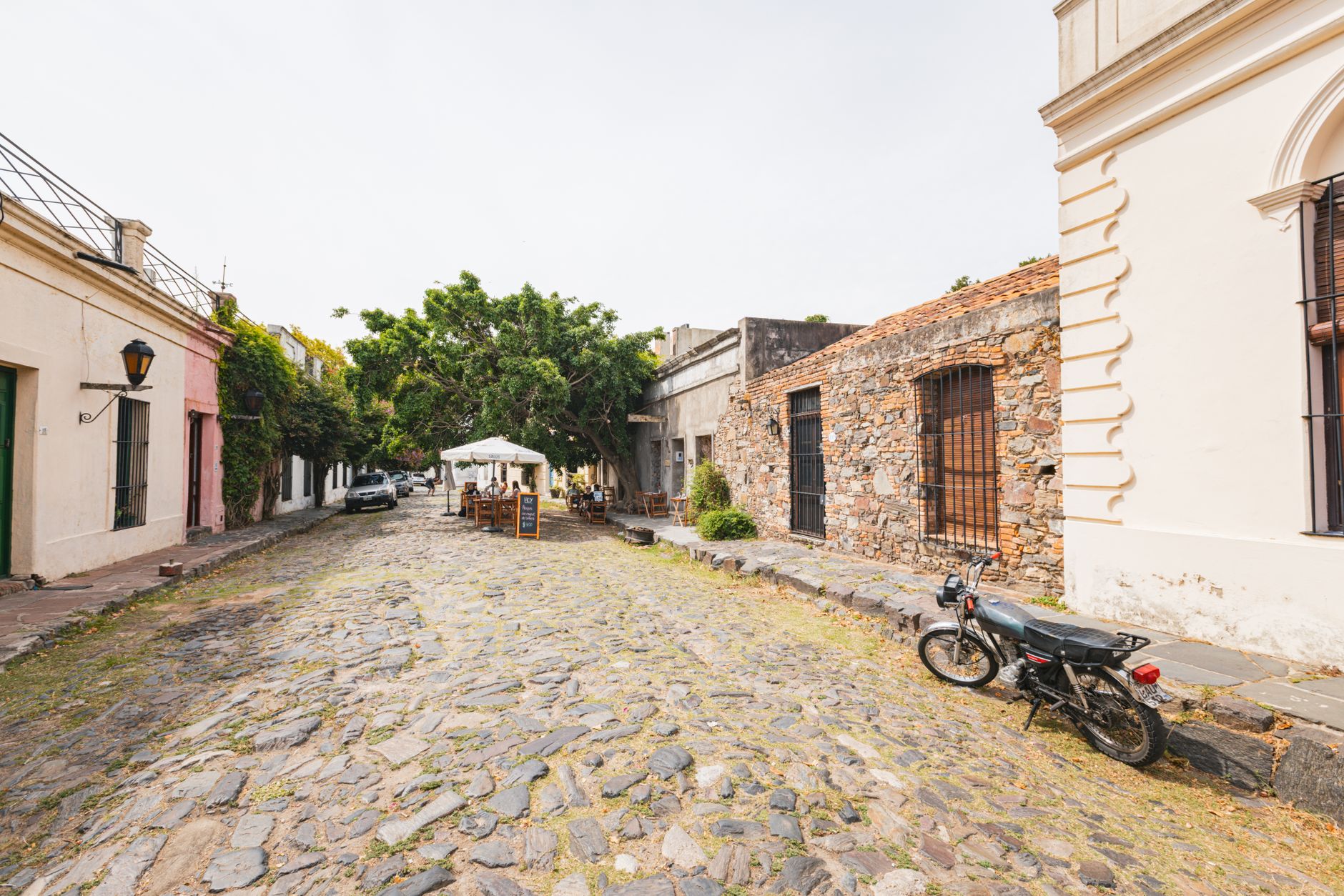


River water laps against stone bastions where Portuguese soldiers and Spanish governors took turns firing cannons across the wide Río de la Plata. Walking inland past the Puerta de la Ciudadela, the streets tilt underfoot, paved with river stones cut to drain rain toward the shore. Locals sit on low thresholds sharing bitter mate from hollowed gourds as the light softens. You come for the easy pace, the smell of oak embers from neighbourhood grills, and the steady river breeze.
Last updated 28 Aug 2026
Build a Colonia del Sacramento itinerary.
Choose up to 4 threads that pull you in. Your plan arrives organised around them.
The Bed
Where to stay in Colonia del Sacramento
Which part of town to book, and what each one costs you in walking, noise or quiet.
The Comparison
Colonia del Sacramento, or somewhere near it
The places you are realistically choosing between, and the honest case for each.
The Local Record
Where to read more about Colonia del Sacramento
The blogs, boards, guides and operators worth bookmarking.
What to do in Colonia del Sacramento Río de la Plata Uruguay
The historic quarter sits on a small peninsula jutting into the river, meaning you can cross the entire preserved district in fifteen minutes on foot. Days here revolve around gentle wandering, lingering over long outdoor lunches of grilled beef, and watching the water from the stone bastions. It suits travellers who prefer quiet cobblestones, history without velvet ropes, and unhurried afternoons to packed itineraries.
24 hours in Colonia del Sacramento Río de la Plata Uruguay
Start at the Puerta de la Ciudadela before tour crowds land from the morning ferry. Climb the lighthouse stairs, then grab a wood-grilled skirt steak and a glass of Tannat on Calle Real. Spend the afternoon drifting through the leafy Plaza Mayor, finishing with sunset drinks at Bastión del Carmen, all within a ten-minute walk. Select 1 Day above to see it.
2 days in Colonia del Sacramento Río de la Plata Uruguay
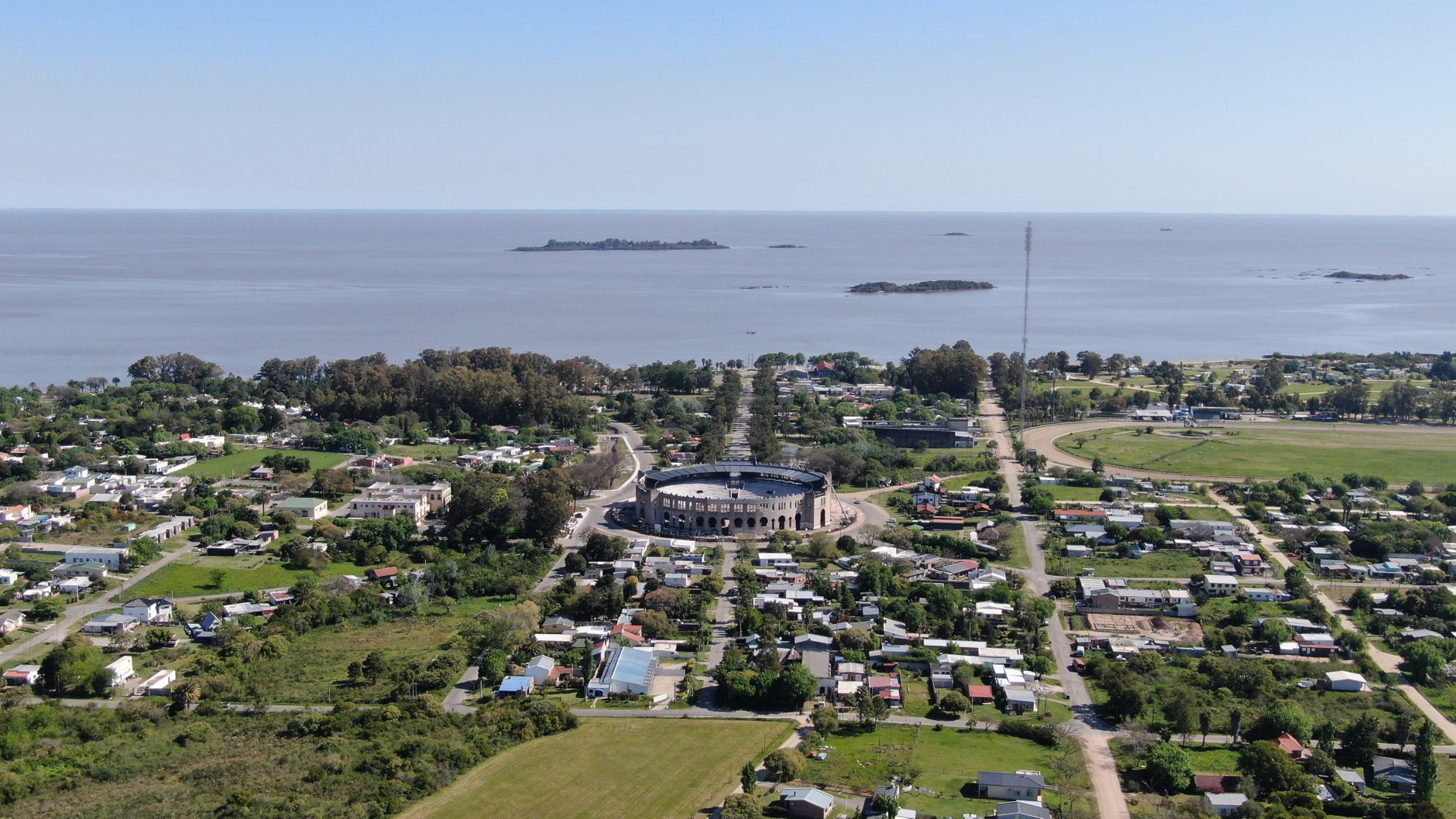
On day two, walk or cycle north along the Rambla de las Américas to the Real de San Carlos district, exploring the grand brick bullring built in 1910. Stop at a roadside parrilla for a massive chivito sandwich layered with beef, bacon, and olives, then cool off with an afternoon dip at Playa Ferrando. Choose 2 Days to expand the plan.
3 days in Colonia del Sacramento Río de la Plata Uruguay
A third day lets you take the hour-long bus ride up Route 21 to the vineyard town of Carmelo. Sample bold red wines at historic bodega estates like Narbona, rent a rowboat on the Arroyo de las Vacas, or tour the dairy farms of nearby Colonia Valdense for farmhouse cheese and fresh sourdough bread.
Colonia del Sacramento Río de la Plata Uruguay itineraries by interest
Colonial Architecture in Colonia del Sacramento Río de la Plata Uruguay
Portuguese tile facades and Spanish tile roofs meet along Calle de los Suspiros, framed by the 1680 city gate and ruined convent walls.
Local Beef in Colonia del Sacramento Río de la Plata Uruguay
Wood-fired parrillada grills turn out thick tira de asado, sweetbreads, and chivito sandwiches stacked with ham, cheese, and fried egg.
Wine & Vineyards in Colonia del Sacramento Río de la Plata Uruguay
Heavy, dark Tannat reds and crisp Viognier pours from family bodegas scattered along the nearby coastal hills of the Carmelo wine route.
Riverside Walks in Colonia del Sacramento Río de la Plata Uruguay
Stroll the rambling Rambla Costanera out past Playa Honda, catching river breezes and watching the distant Buenos Aires skyline at dusk.
Maritime History in Colonia del Sacramento Río de la Plata Uruguay
Climb the whitewashed 1857 lighthouse built over the San Francisco convent ruins for clear views across the wide, silted Río de la Plata.
Local Cafes in Colonia del Sacramento Río de la Plata Uruguay
Sidewalk tables serve espresso alongside medialunas and sweet tortas fritas, where afternoon mate rituals stretch well past golden hour.
Artisan Cheeses in Colonia del Sacramento Río de la Plata Uruguay
Farmsteads founded by Swiss immigrants in nearby Colonia Suiza produce semi-hard Colonia cheese, creamy dambo, and rich dulce de leche.
Historic Ruins in Colonia del Sacramento Río de la Plata Uruguay
Stone foundations of the Governor House and the 1680 city wall tell the story of a port contested by empires across two centuries.
Cycling in Colonia del Sacramento Río de la Plata Uruguay
Rent an upright bicycle near the ferry terminal to cruise flat dirt paths out to the restored 1910 Moorish-style Plaza de Toros arena.
River Sunsets in Colonia del Sacramento Río de la Plata Uruguay
Grab a cold Patricia lager on the rocks of Bastión de San Pedro as the sun drops behind the river, turning the broad water amber and violet.
River Fish in Colonia del Sacramento Río de la Plata Uruguay
Simple riverside kitchens grill whole boga, pejerrey, and river corvina over hardwood coals, finished with lemon juice and parsley oil.
Day Trips in Colonia del Sacramento Río de la Plata Uruguay
Head north along Route 21 to Carmelo for quiet river harbors, dirt vineyard lanes, and boat moorings along the winding Arroyo de las Vacas.