Montevideo.


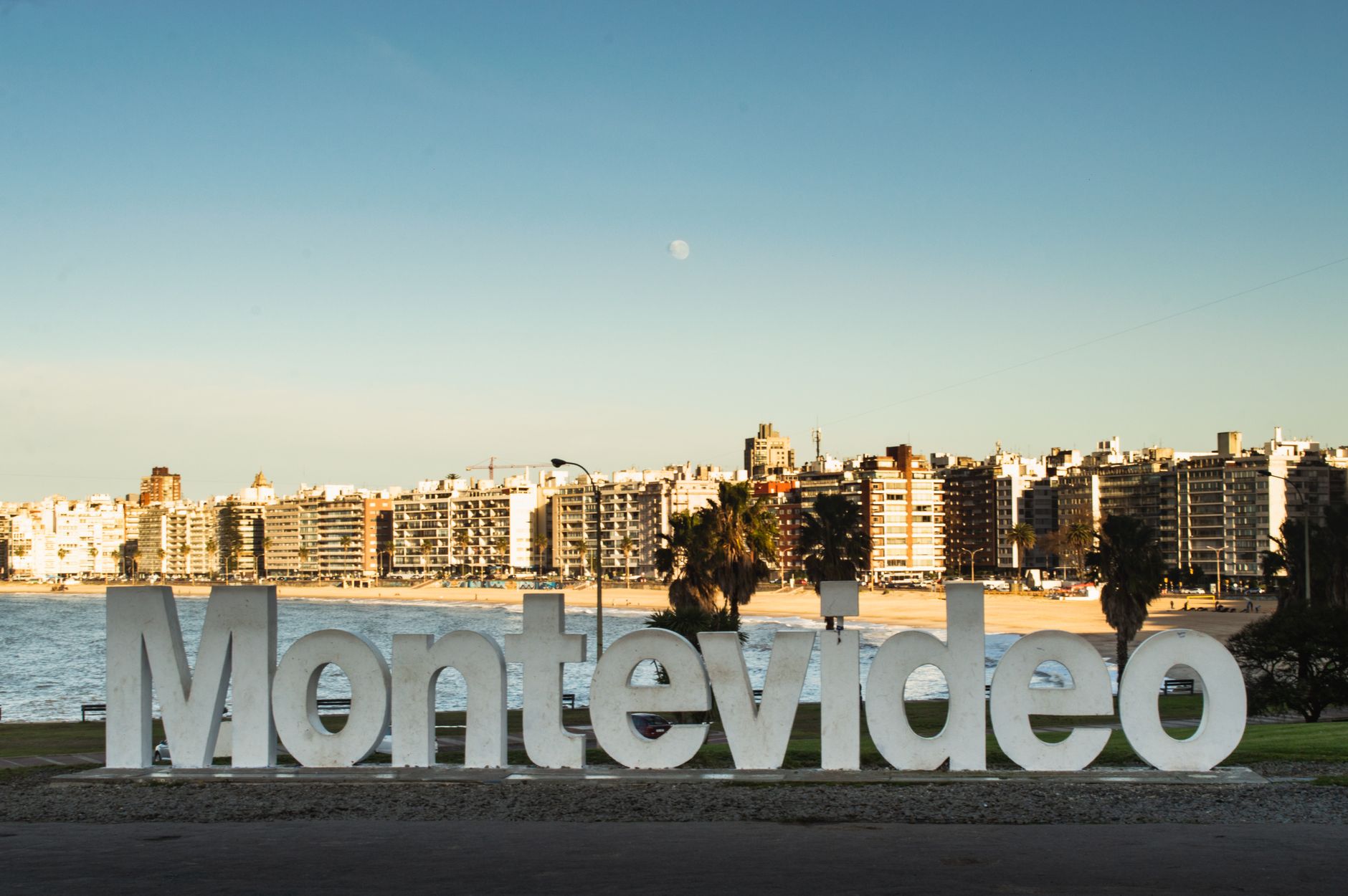
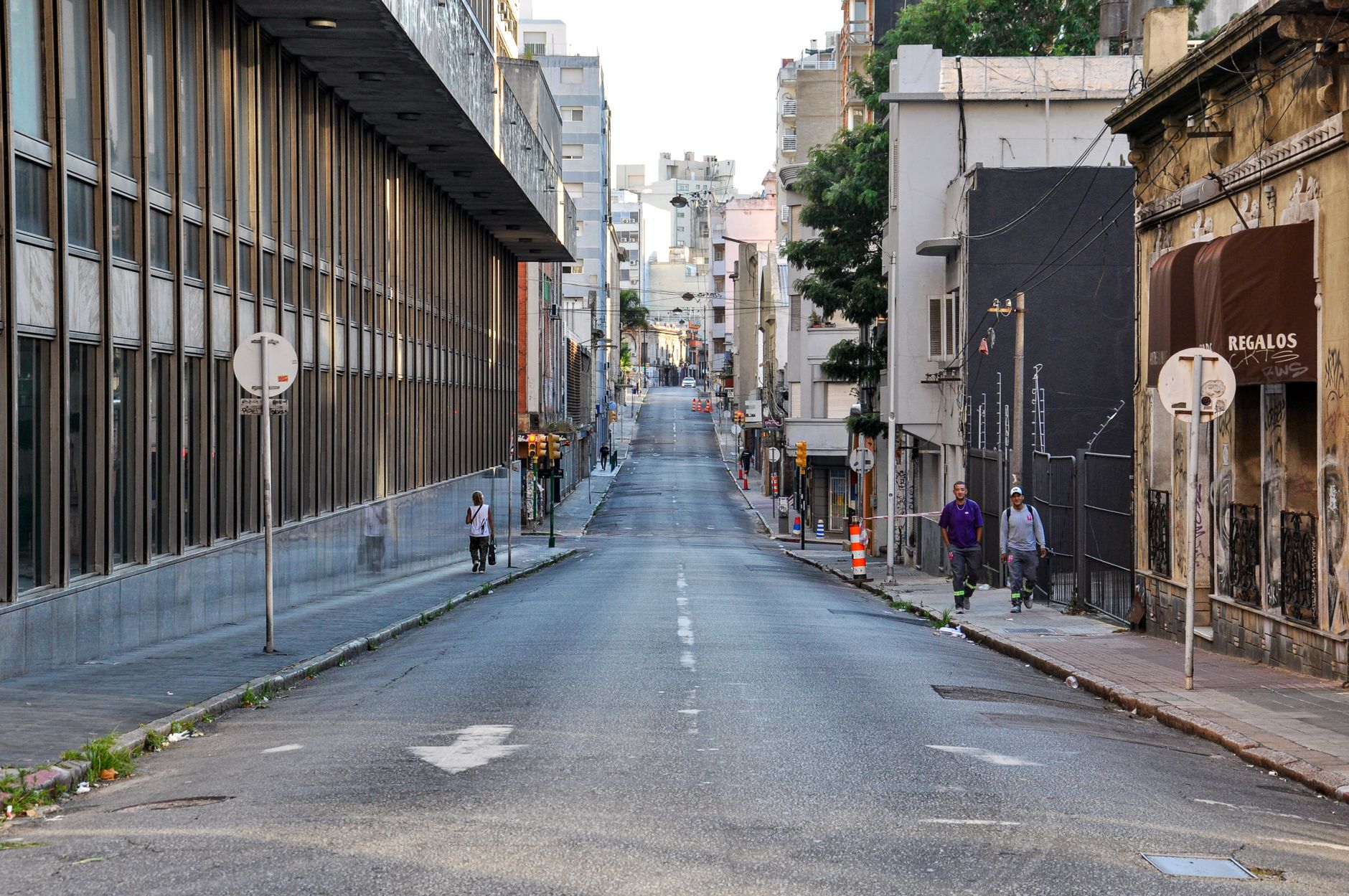


The southerly wind off the Río de la Plata rattles the eucalyptus trees along the Rambla, carrying the distant thump of candombe drums. People walk in pairs here, thermoses wedged under their elbows and mate gourds in hand. Ciudad Vieja feels grand yet weathered, its neoclassical facades giving way to the ironwork of Mercado del Puerto, where hardwood embers hiss beneath iron grates loaded with short ribs and sweetbreads. It is an unhurried capital that demands you slow your stride to match its own.
Last updated 28 Aug 2026
Build a Montevideo itinerary.
Choose up to 4 threads that pull you in. Your plan arrives organised around them.
The Bed
Where to stay in Montevideo
Which part of town to book, and what each one costs you in walking, noise or quiet.
The Comparison
Montevideo, or somewhere near it
The places you are realistically choosing between, and the honest case for each.
The Local Record
Where to read more about Montevideo
The blogs, boards, guides and operators worth bookmarking.
What to do in Montevideo Montevideo Uruguay
Days in Montevideo revolve around the arc of the sun and the length of the Rambla. It is a manageable, low-stress coastal capital best explored on foot. Mornings belong to quiet strolls through Ciudad Vieja and cortados at sidewalk cafes, while afternoons ease toward long parrilla lunches and sunset walks along Playa Pocitos. It suits travellers who appreciate unpretentious dining, architectural variety, and an unhurried, lived-in urban rhythm.
24 hours in Montevideo Montevideo Uruguay
Start early at Plaza Independencia, then walk down Peatonal Sarandí to Mercado del Puerto for an asado lunch of tira and provoleta. In the late afternoon, join the mate-drinking crowds along the Rambla at Pocitos before dinner at a bistro in Cordón. Select 1 Day above to see it.
2 days in Montevideo Montevideo Uruguay
Day two belongs to the residential avenues of Parque Rodó and the bohemian alleys of Cordón. Tour the Museo Nacional de Artes Visuales in the morning, grab a stacked chivito for lunch on Calle Tristán Narvaja, and spend the evening watching candombe rehearsals in Barrio Sur. Choose 2 Days to expand the plan.
3 days in Montevideo Montevideo Uruguay
A third day lets you venture outside the city limits. Book an afternoon tasting of robust Tannat at a family bodega in neighbouring Canelones, or take an early coach to the seventeenth-century cobbled ramparts and quiet riverside taverns of Colonia del Sacramento.
Montevideo Montevideo Uruguay itineraries by interest
Grilled Meats in Montevideo Montevideo Uruguay
Watch pitmasters stoke oak logs for tira de asado, mollejas, and morcilla dulce at Mercado del Puerto counters.
Coastal Walks in Montevideo Montevideo Uruguay
Stride the twenty-two kilometre Rambla from Ciudad Vieja to Carrasco, watching fishermen cast for corvina off the sea wall.
Wine & Vineyards in Montevideo Montevideo Uruguay
Head twenty minutes north into Canelones for structured Tannat poured straight from oak casks at Bodega Bouza or Carrau.
Street Food in Montevideo Montevideo Uruguay
Order a chivito al pan loaded with thin beef tenderloin, pancetta, fried egg, and olives at a corner bar in Cordón.
Neighborhood Markets in Montevideo Montevideo Uruguay
Browse the Sunday morning Feria de Tristán Narvaja along Calle Tristán Narvaja for vintage records, antiques, and cheeses.
Musical Heritage in Montevideo Montevideo Uruguay
Follow the Barrio Sur and Palermo drum circles on weekend evenings to hear polyrhythmic Afro-Uruguayan candombe up close.
Historic Architecture in Montevideo Montevideo Uruguay
Admire Palacio Salvo on Plaza Independencia and the art deco facades lining the cobbled alleys of Ciudad Vieja.
Coffee Culture in Montevideo Montevideo Uruguay
Sip cortados at historic spots like Café Brasilero on Calle 25 de Mayo, open continuously since the nineteenth century.
City Beaches in Montevideo Montevideo Uruguay
Pack a towel for Playa Ramírez or Playa Pocitos, wide sandy stretches where locals gather for afternoon volleyball.
Modern Art in Montevideo Montevideo Uruguay
Explore the Museo Torres García on Peatonal Sarandí to study the constructivist paintings of Joaquín Torres-García.
Tango Traditions in Montevideo Montevideo Uruguay
Join a late-night milonga at Joventango inside the Mercado de la Abundancia for classic Carlos Gardel rhythms.
Day Trips in Montevideo Montevideo Uruguay
Take a two-hour bus west along the estuary to the Portuguese colonial stone lanes and lighthouse of Colonia del Sacramento.