

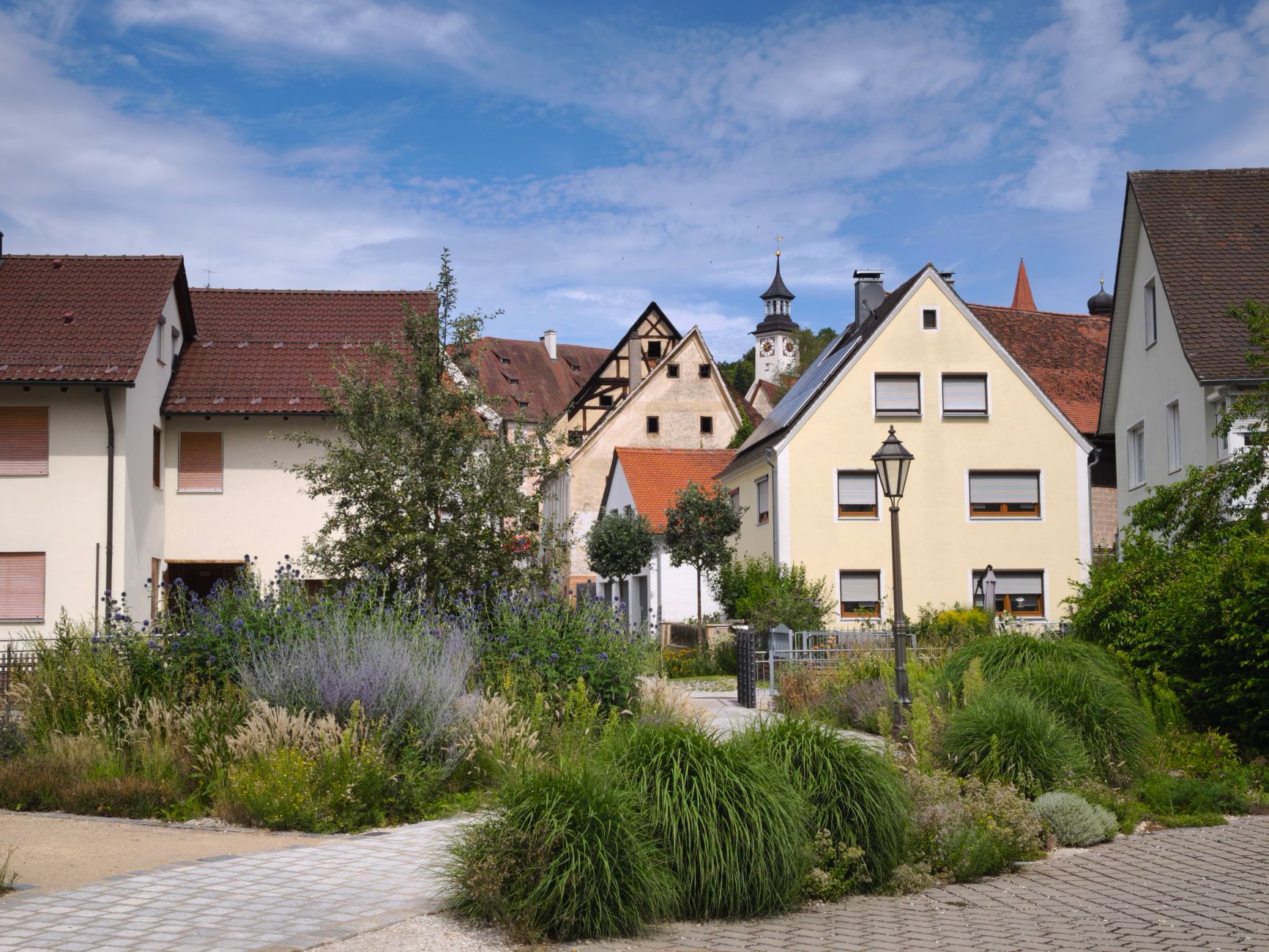
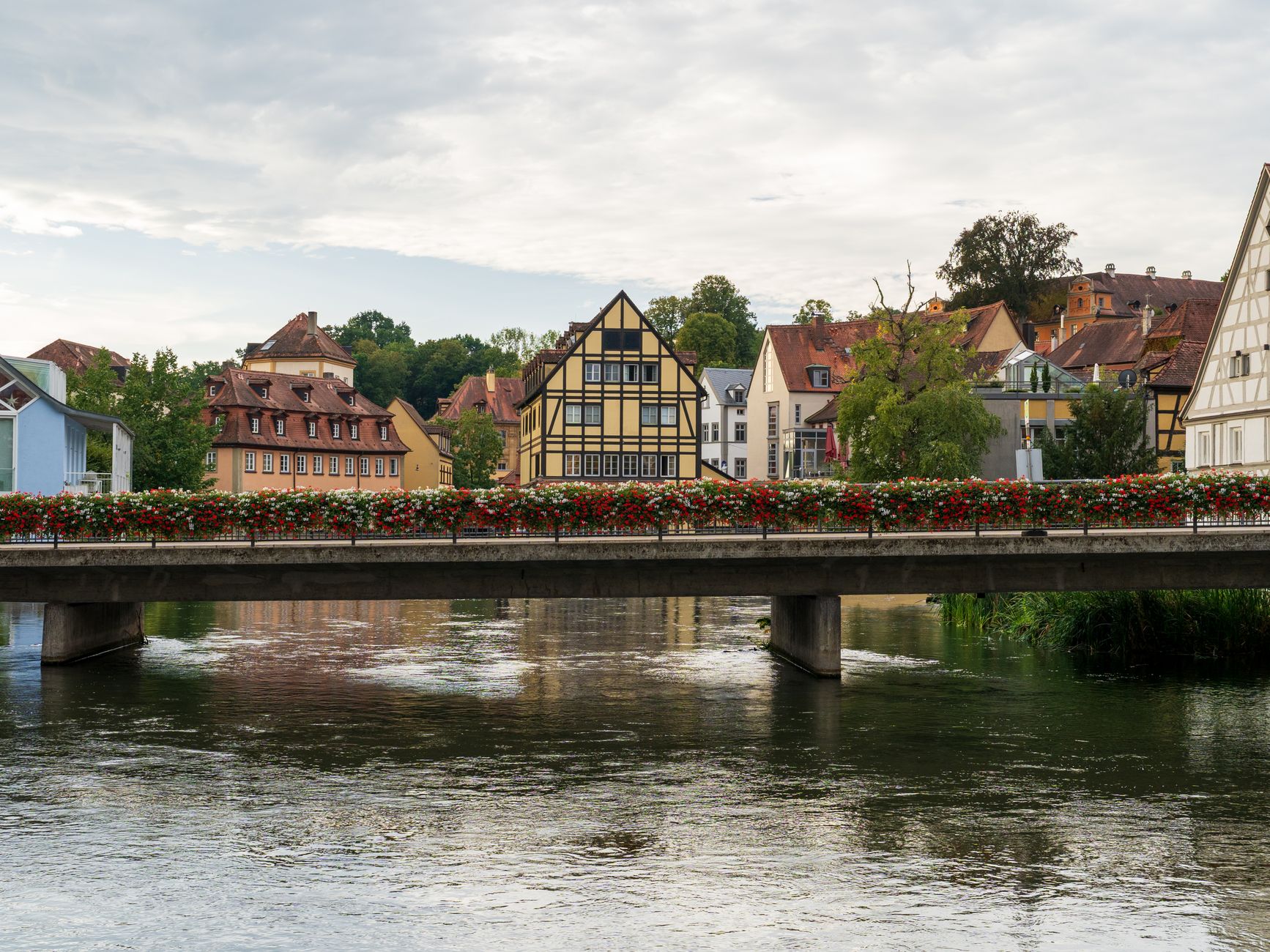


Dinkelsbühl sits on the Romantic Road in Middle Franconia, ninety minutes by bus and train from Nuremberg or Munich. It is known for its intact fifteenth-century wall with four gates, sixteen towers, and late-Gothic architecture. Dinkelsbühl is worth visiting if you want to walk a preserved medieval core and eat crisp roast pork in quiet taverns. Look elsewhere if you need fast direct trains or buzzing late-night clubs.
Last updated 17 Oct 2026
Build a Dinkelsbühl itinerary.
Choose up to 4 threads that pull you in. Your plan arrives organised around them.
The Bed
Where to stay in Dinkelsbühl
Which part of town to book, and what each one costs you in walking, noise or quiet.
The Comparison
Dinkelsbühl, or somewhere near it
The places you are realistically choosing between, and the honest case for each.
The Local Record
Where to read more about Dinkelsbühl
The blogs, boards, guides and operators worth bookmarking.
What to do in Dinkelsbühl Bavaria Germany
Dinkelsbühl revolves around its oval core, enclosed by unbroken 15th-century ramparts and the slow-moving Wörnitz River. The town is built for lingering on foot along Weinmarkt and Segringer Strasse, browsing quiet courtyards, and settling into timbered dining rooms for dark beer and braised meats. It suits travellers who appreciate unhurried architectural detail, intact townscapes, and regional cooking over hurried sightseeing lists.
24 hours in Dinkelsbühl Bavaria Germany
Start early climbing the tower of Münster St. Georg before crowds arrive. Walk the shaded perimeter moat path to the Wörnitz Gate. For lunch, order Schäufele at a tavern on the Weinmarkt, then spend the afternoon in the Haus der Geschichte before evening beer and dumplings. Select 1 Day above to see it.
2 days in Dinkelsbühl Bavaria Germany
A second day lets you explore the quiet Spitalhof quarter and cycle out into the Wörnitz river meadows. Stop for pan-fried carp or venison stew in a nearby village inn, then return to walk the ramparts at dusk when the street lanterns light up the stone towers. Choose 2 Days to expand the plan.
3 days in Dinkelsbühl Bavaria Germany
With three days, venture south to Nördlingen's meteorite crater rim or tour the Hohenlohe castle in Schillingsfürst. Slower afternoons back in town give you time to sample Franconian Silvaner wines and watch the evening night watchman complete his rounds through the alleys.
Dinkelsbühl Bavaria Germany itineraries by interest
Medieval Fortifications in Dinkelsbühl Bavaria Germany
Walk the 2.5-kilometre wall circuit, checking the 1440 Wörnitz Gate, Rothenburg Gate, and quiet moats ringed by willows.
Franconian Cooking in Dinkelsbühl Bavaria Germany
Order Franconian Schäufele with potato dumplings, carp baked in season, and sour roast beef at traditional gasthofs along the Weinmarkt.
Sacred Architecture in Dinkelsbühl Bavaria Germany
Climb the 1448 Münster St. Georg to inspect the late-Gothic net vaulting and the 60-metre tower view over gabled red roofs.
Local Breweries in Dinkelsbühl Bavaria Germany
Drink fresh Helles and Dunkel from Weib's Brauhaus or small regional breweries in the Tauber and Wörnitz river valleys.
Town Walks in Dinkelsbühl Bavaria Germany
Wander the Segringer Strasse past pastel patrician façades and the Spital complex, especially peaceful in early morning light.
Regional Wine in Dinkelsbühl Bavaria Germany
Taste dry Silvaner and crisp Müller-Thurgau grown along the Main and Tauber slopes, poured by the glass in cellar taverns.
Craft Traditions in Dinkelsbühl Bavaria Germany
Explore wrought-iron guild signs, local pottery workshops, and woodturners working behind timbered storefronts.
Historic Pageantry in Dinkelsbühl Bavaria Germany
Visit the Museum of the 3D Stadtmuseum to track the 1632 Swedish siege and the origins of the summer Kinderzeche festival.
Biking Routes in Dinkelsbühl Bavaria Germany
Cycle the flat Wörnitz valley trails or marked loops linking Dinkelsbühl to Feuchtwangen along quiet rural farm lanes.
Traditional Pastries in Dinkelsbühl Bavaria Germany
Pick up fresh Schneeballen dusted in sugar, crusty rye sourdough, and seasonal plum sheet cakes from neighbourhood bakeries.
Museums & History in Dinkelsbühl Bavaria Germany
Tour the Haus der Geschichte inside the Old Town Hall to view artefacts and town records dating from the Hohenstaufen era.
Day Trips in Dinkelsbühl Bavaria Germany
Take a short drive to Nördlingen to see its meteorite crater wall or explore baroque palaces in nearby Ansbach.