

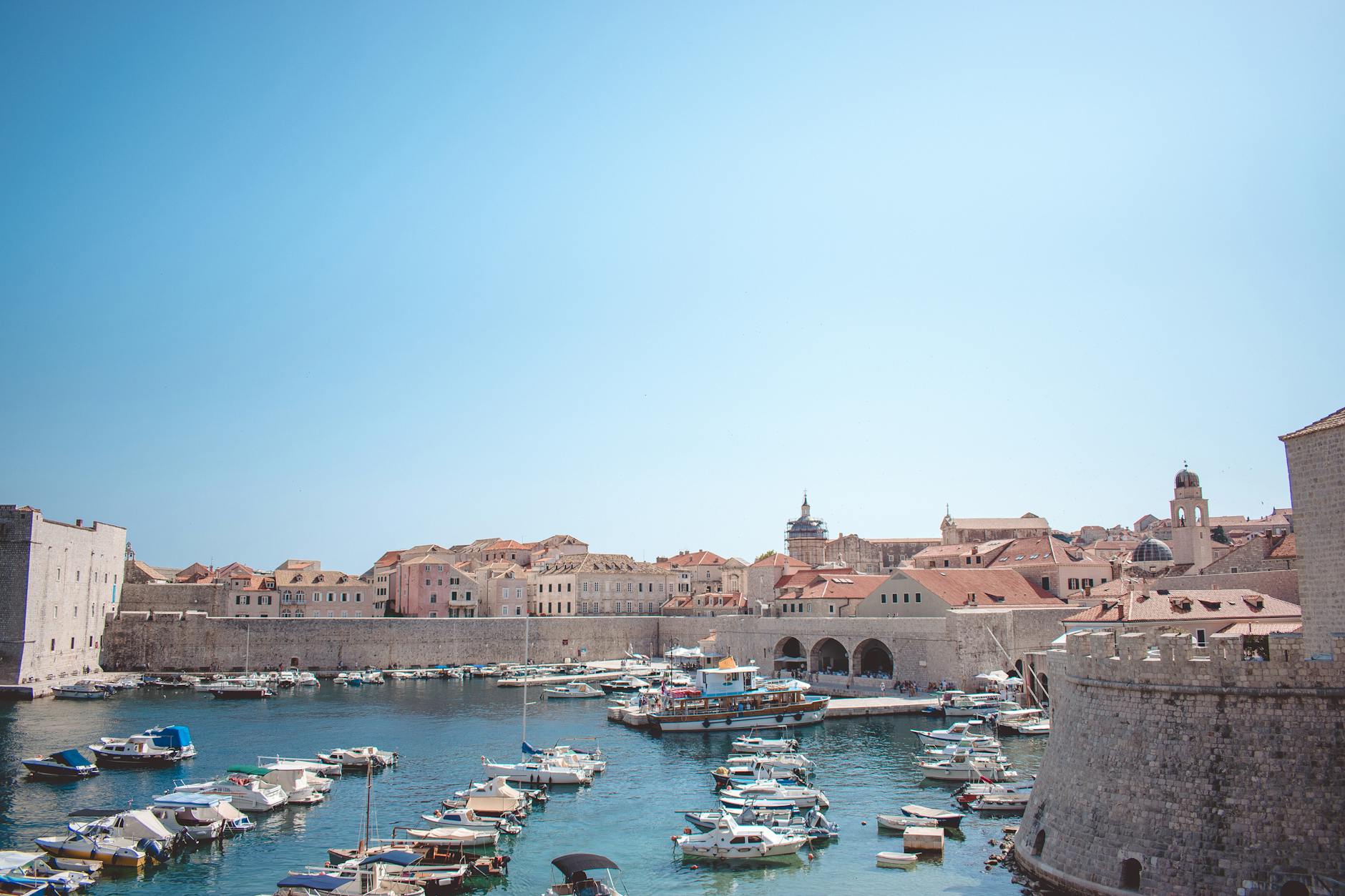


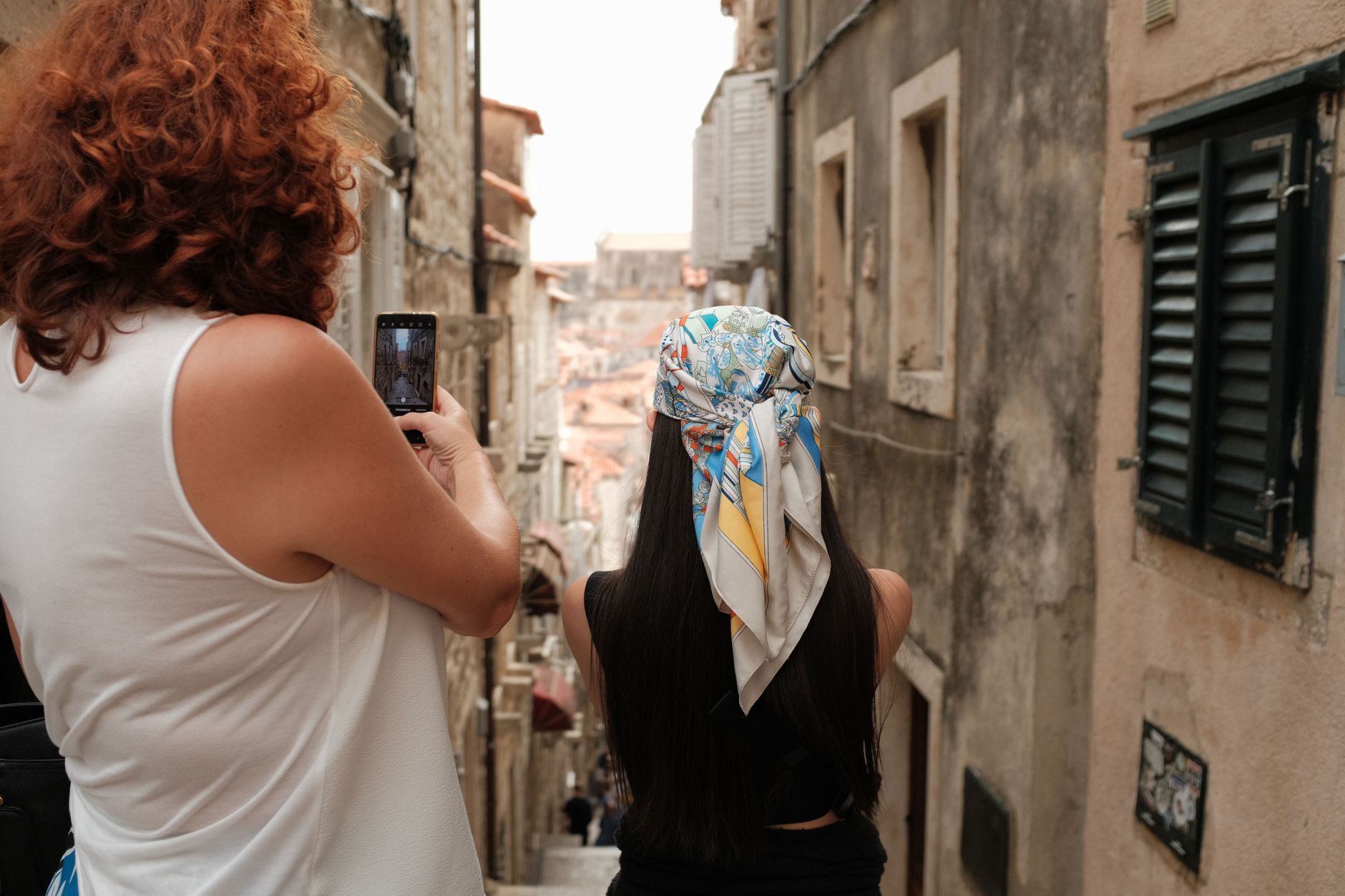
Centuries of boot leather have polished the limestone flags of the Stradun until they reflect the morning glare like wet ice. Behind the sixteenth-century stone bulwarks, Dubrovnik climbs sharply up Mount Srđ in a tangle of drying linen, green shutters, and sheer staircases. It remains a serious maritime republic at heart, carved from white rock and salt water. Come early before the cruise horns sound, order an espresso by the old harbour, and listen to the swifts carve up the sky.
Last updated 28 Aug 2026
Build a Dubrovnik itinerary.
Choose up to 4 threads that pull you in. Your plan arrives organised around them.
The Bed
Where to stay in Dubrovnik
Which part of town to book, and what each one costs you in walking, noise or quiet.
The Comparison
Dubrovnik, or somewhere near it
The places you are realistically choosing between, and the honest case for each.
The Local Record
Where to read more about Dubrovnik
The blogs, boards, guides and operators worth bookmarking.
What to do in Dubrovnik Dalmatia Croatia
Dubrovnik is compact, vertical, and best navigated on foot with sturdy shoes. Days naturally split between early morning rampart walks, midday shade in cool limestone alleys, and late afternoons swimming off rocky bastions. It suits curious walkers, history lovers, and anyone who appreciates straightforward Adriatic cooking paired with punchy Dalmatian wines.
24 hours in Dubrovnik Dalmatia Croatia
Beat the heat on the city walls at opening time, then slip down Stradun for coffee at Gundulić Square. Tour Rector's Palace by noon, eat black risotto at a back-alley konoba, and finish with a cold Ožujsko beer watching the sunset through the rock doorway at Buža. Select 1 Day above to see it.
2 days in Dubrovnik Dalmatia Croatia
Board the morning boat to pine-covered Lokrum for an unhurried swim in the saltwater Dead Sea. Return to explore the working-class harbour of Gruž, then head south into the Konavle valley for spit-roasted lamb and dry Pošip wine at an open-air stone mill. Choose 2 Days to expand the plan.
3 days in Dubrovnik Dalmatia Croatia
Take the coastal drive north to Ston to walk the monumental defensive wall and eat raw flat oysters straight off wooden barges. Spend your final evening back in Dubrovnik, wandering the quiet upper alleys of Prijeko after the cruise crowds have departed.
Dubrovnik Dalmatia Croatia itineraries by interest
Local Seafood in Dubrovnik Dalmatia Croatia
Grilled sea bream over olive wood, Adriatic squid, black cuttlefish risotto, and salty Ston oysters slurped straight from chilled half-shells.
City Walls in Dubrovnik Dalmatia Croatia
The two-kilometre circuit along medieval stone bastions, Fort Bokar, and Minčeta Tower; buy the pass online and start right at 8:00 AM.
Wine & Vineyards in Dubrovnik Dalmatia Croatia
Robust Plavac Mali reds from Pelješac slopes and crisp Pošip or Grk whites from neighbouring Korčula, poured in shadowed limestone taverns.
Island Day Trips in Dubrovnik Dalmatia Croatia
Ten-minute ferry hops to Lokrum for shaded pine trails and peacocks, or slow passenger boats out to the car-free quiet of Koločep and Lopud.
Old Town Architecture in Dubrovnik Dalmatia Croatia
The Gothic-Renaissance Rector's Palace, fourteenth-century Franciscan pharmacy, and Baroque facades flanking narrow side-street stairways.
Coastal Swimming in Dubrovnik Dalmatia Croatia
Diving off the rocks at Buža bar beneath the fortress ramparts, or sunning on the pebbles at Danče and Sveti Jakov away from the crowds.
Traditional Cooking in Dubrovnik Dalmatia Croatia
Slow-baked peka veal beneath iron bells, rich beef pašticada braised with figs and red wine, and citrus-scented rozata custard for dessert.
Markets & Produce in Dubrovnik Dalmatia Croatia
Gundulić Square morning market for dried figs, candied orange peel, wild sage honey, and fresh local goat cheese wrapped in laurel.
Panoramic Walks in Dubrovnik Dalmatia Croatia
The rugged switchback trail up Mount Srđ following the stone Stations of the Cross, ending at Fort Imperial with views over the red roofs.
Maritime History in Dubrovnik Dalmatia Croatia
Fort Saint John maritime museum exhibits tracing the Ragusa trading fleet, oak galleons, and centuries of fierce naval diplomacy.
Neighbourhood Life in Dubrovnik Dalmatia Croatia
The quiet residential alleys of Gruž port and leafy Lapad peninsula, where locals buy daily sardines and sip bitter pelinkovac at corner cafes.
Craft Traditions in Dubrovnik Dalmatia Croatia
Intricate silver filigree jewellery, woven Konavle embroidery, and handmade olive oil soaps sold by artisans in the upper Saint Blaise quarter.