Hvar.
,_Hvar_Island_(41666347684).jpg)

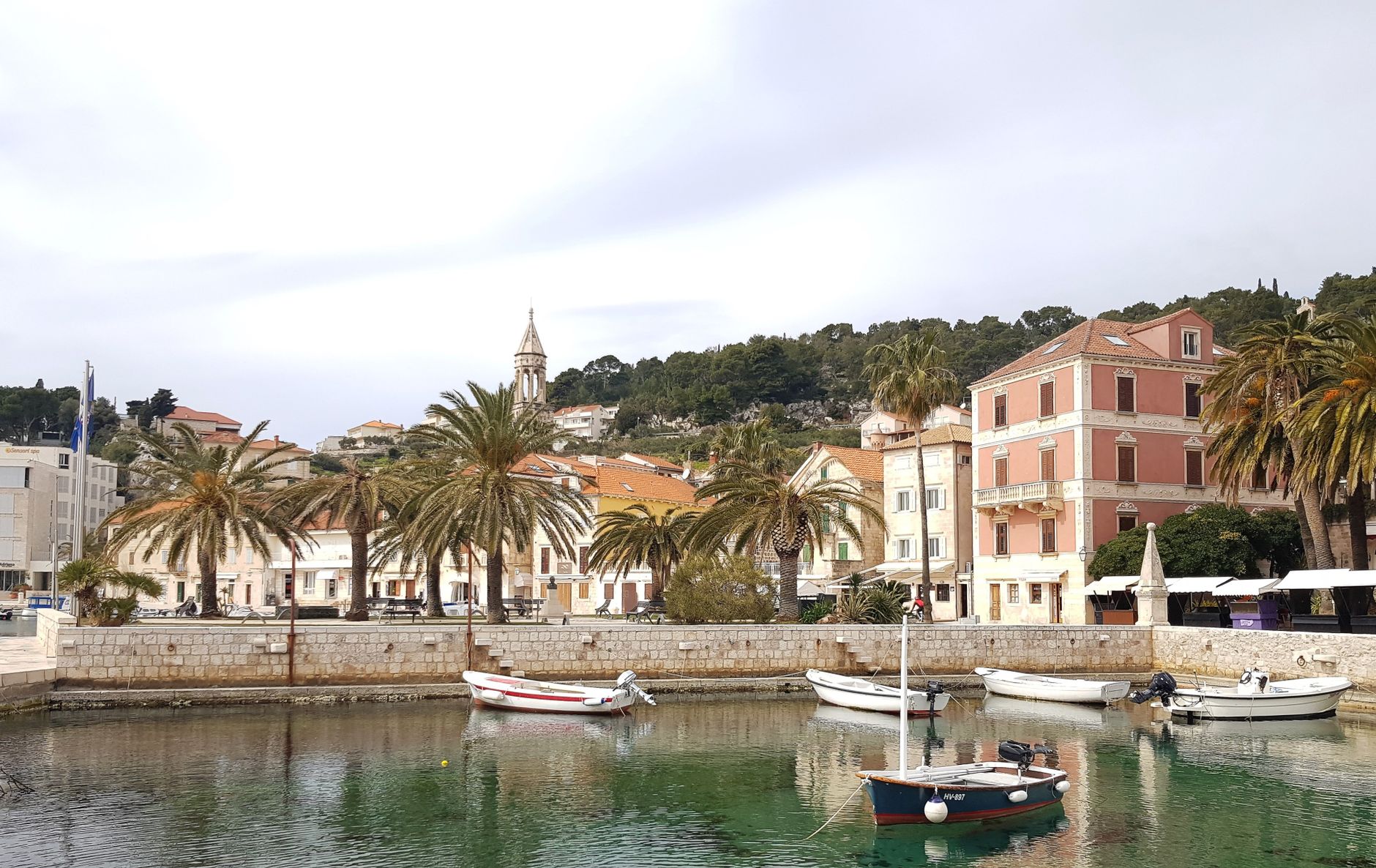

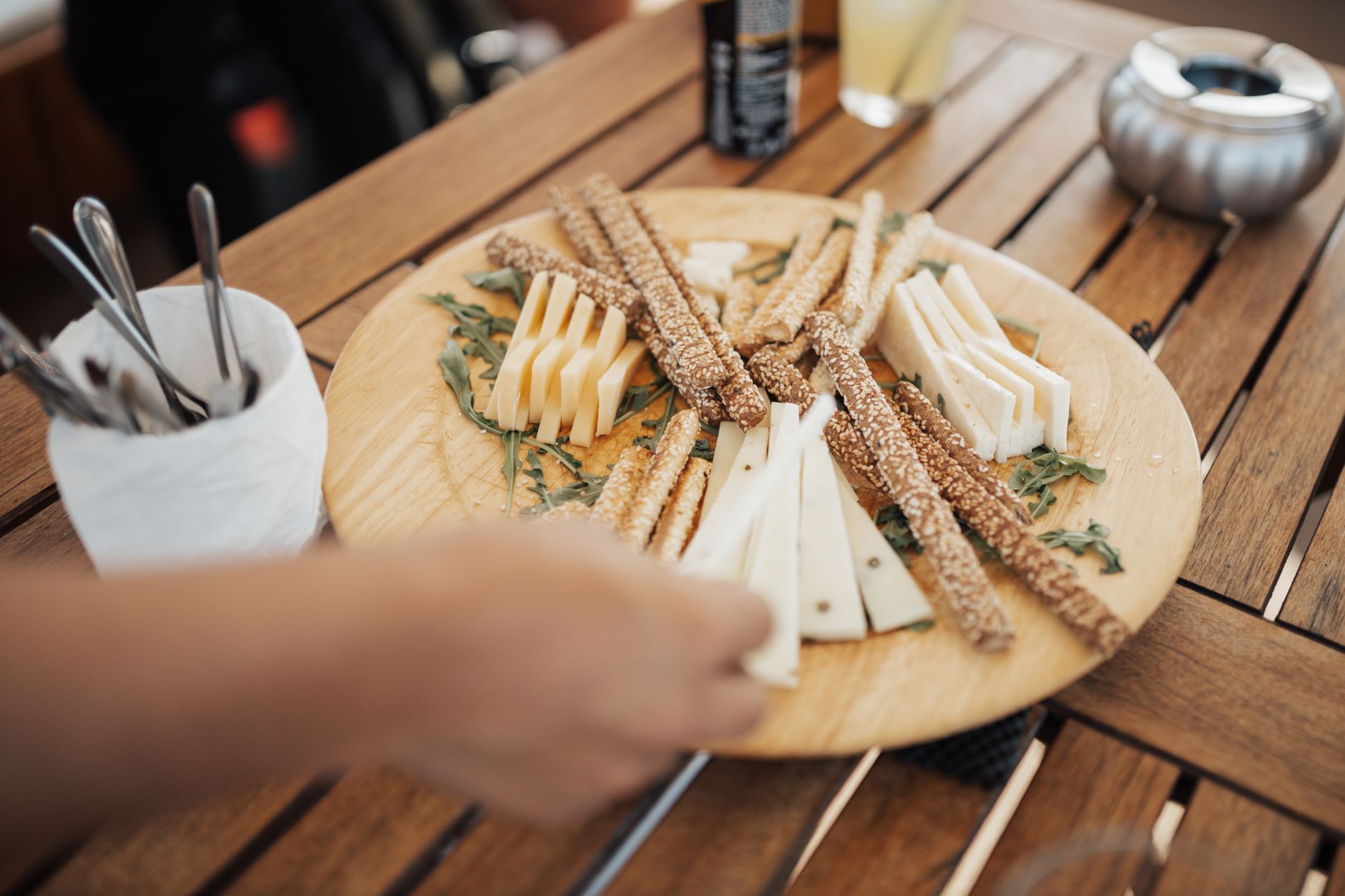
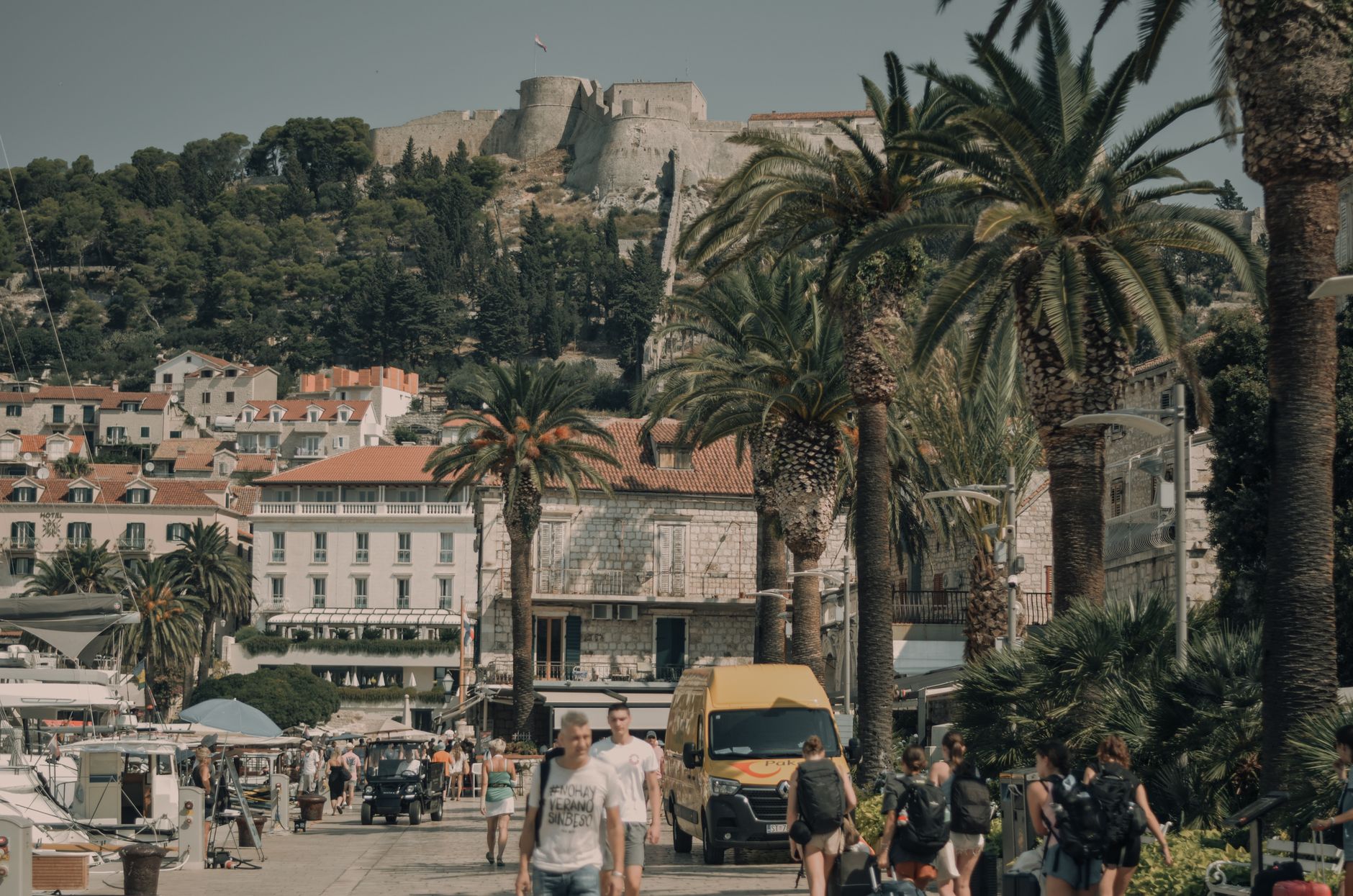
Venetian limestone underfoot has been polished to a gleam by six centuries of sandals, fish carts, and travellers searching for cold beer. The morning ferry deposits you into a wide harbour flanked by a sixteenth-century theatre and dry-stacked stone hills. Beyond the yacht crowd, you find quiet konobas serving gregada fish stew, slopes of scrubby lavender, and the Spanish Fortress guarding the bay. It is steep, breezy, and completely unapologetic about its good looks.
Last updated 28 Aug 2026
Build a Hvar itinerary.
Choose up to 4 threads that pull you in. Your plan arrives organised around them.
The Bed
Where to stay in Hvar
Which part of town to book, and what each one costs you in walking, noise or quiet.
The Comparison
Hvar, or somewhere near it
The places you are realistically choosing between, and the honest case for each.
The Local Record
Where to read more about Hvar
The blogs, boards, guides and operators worth bookmarking.
What to do in Hvar Dalmatian Islands Croatia
Life here revolves around the wide harbour and Saint Stephen Square. You spend mornings climbing stone stairways, afternoons swimming off the rocks, and evenings drinking local wine beside the water. The town suits independent walkers, history lovers, and anyone who appreciates simple seafood eaten outdoors without fanfare. When the main quay fills up in late afternoon, simply duck into the back alleys of the Groda quarter.
24 hours in Hvar Dalmatian Islands Croatia
Start early at the morning market for figs, then make the twenty-minute climb to the Spanish Fortress before the sun peaks. Grab lunch by the Arsenal, swim at Pokonji Dol in the afternoon, and finish with a pot of gregada at a family konoba in the upper alleys. Everything in town is easily walkable on foot. Select 1 Day above to see it.
2 days in Hvar Dalmatian Islands Croatia
Dedicate your second day to the water. Catch a wooden water taxi out to the Pakleni Islands for swimming among pine coves, returning by late afternoon. Dine inland on peka, veal and octopus slow-roasted under an iron bell, paired with a glass of robust Plavac Mali red. Choose 2 Days to expand the plan.
3 days in Hvar Dalmatian Islands Croatia
Take the local bus across the island ridge to Stari Grad. Wander its quiet stone quays and walk out into the ancient agricultural plain where olive groves have stood since Greek antiquity. Stop in Jelsa for lunch before catching the evening bus back to Hvar.
Hvar Dalmatian Islands Croatia itineraries by interest
Local Seafood in Hvar Dalmatian Islands Croatia
Order gregada, the classic fisherman stew of white fish, potatoes, and garlic cooked in olive oil and white wine at waterfront konobas.
Wine & Vineyards in Hvar Dalmatian Islands Croatia
Taste indigenous Bogdanuša whites and bold Plavac Mali reds grown on the steep southern limestone slopes near Sveta Nedjelja.
Historic Architecture in Hvar Dalmatian Islands Croatia
Climb to the sixteenth-century Spanish Fortress above town and visit Europe's oldest municipal theatre built inside the Arsenal in 1612.
Coastal Walks in Hvar Dalmatian Islands Croatia
Follow the shaded pine path west from the harbour toward Pokonji Dol beach, passing quiet swimming platforms and rocky swimming coves.
Island Sailing in Hvar Dalmatian Islands Croatia
Hire a local taxi boat from the harbour to the Pakleni Islands for a day of swimming off the pebble beaches of Palmižana and Jerolim.
Village Life in Hvar Dalmatian Islands Croatia
Head inland to Velo Grablje and Brusje, stone hamlets where families still harvest wild lavender and press small-batch olive oil.
Sacred Sites in Hvar Dalmatian Islands Croatia
Step into the Renaissance Cathedral of Saint Stephen on the main square and inspect the adjacent Franciscan Monastery collection.
Cycling & Hills in Hvar Dalmatian Islands Croatia
Ride the old ridge road between Hvar and Stari Grad for sweeping views of the Adriatic, passing drystone walls and rosemary fields.
Local Produce in Hvar Dalmatian Islands Croatia
Pick up lavender honey, dried figs, and cold-pressed olive oil from the morning market stalls behind Saint Stephen Square.
Traditional Baking in Hvar Dalmatian Islands Croatia
Look for starogrojski paprenjok, an intricate honey, saffron, and black pepper biscuit baked according to sixteenth-century recipes.
Day Trips in Hvar Dalmatian Islands Croatia
Take a morning bus across to Stari Grad, settled by Greeks in 384 BC, to walk the UNESCO-listed agricultural plain and quiet stone alleys.
Secluded Beaches in Hvar Dalmatian Islands Croatia
Seek out Dubovica cove on the south shore, where a pebble bay sits beside an eighteenth-century summer villa and turquoise water.