Franschhoek.


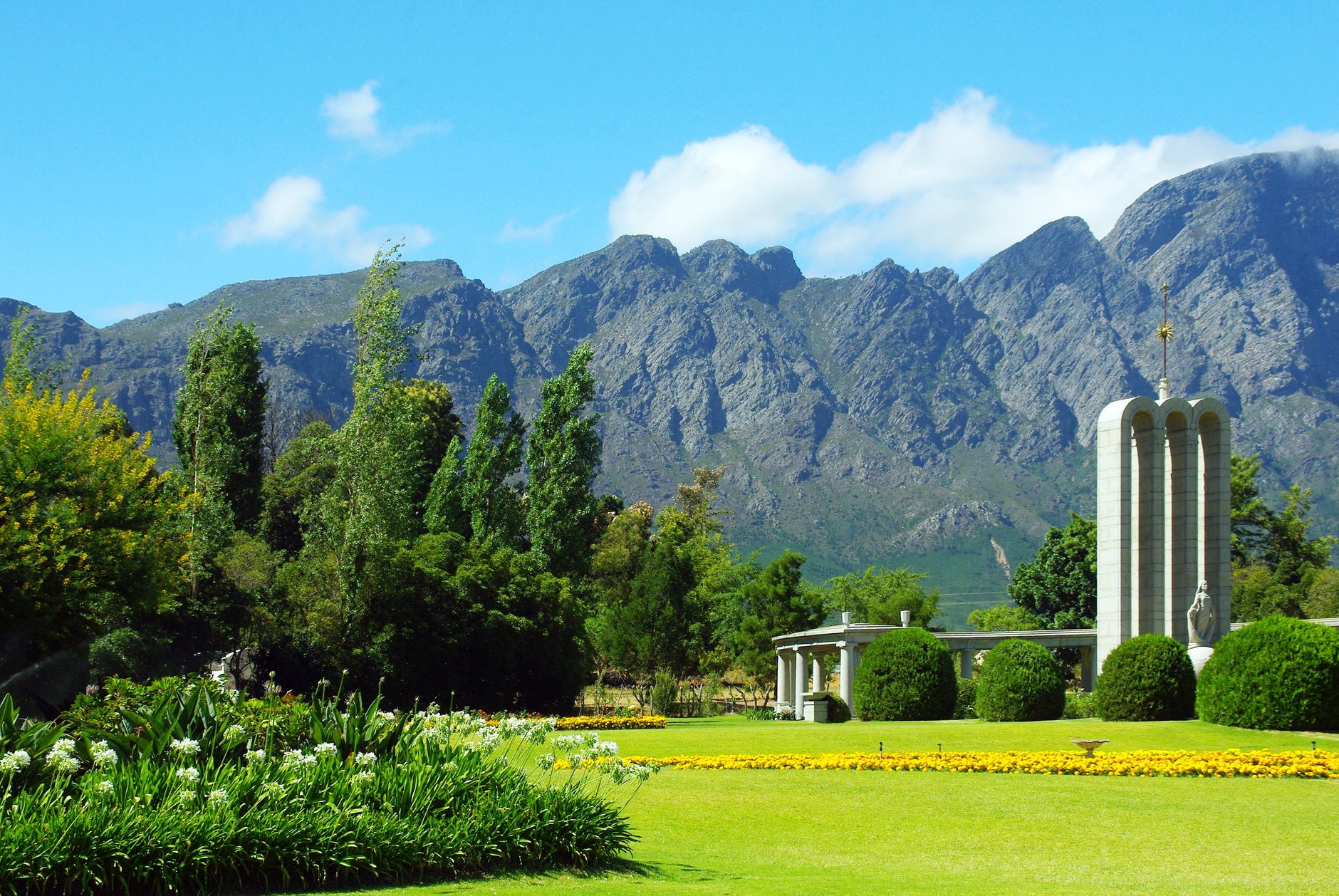

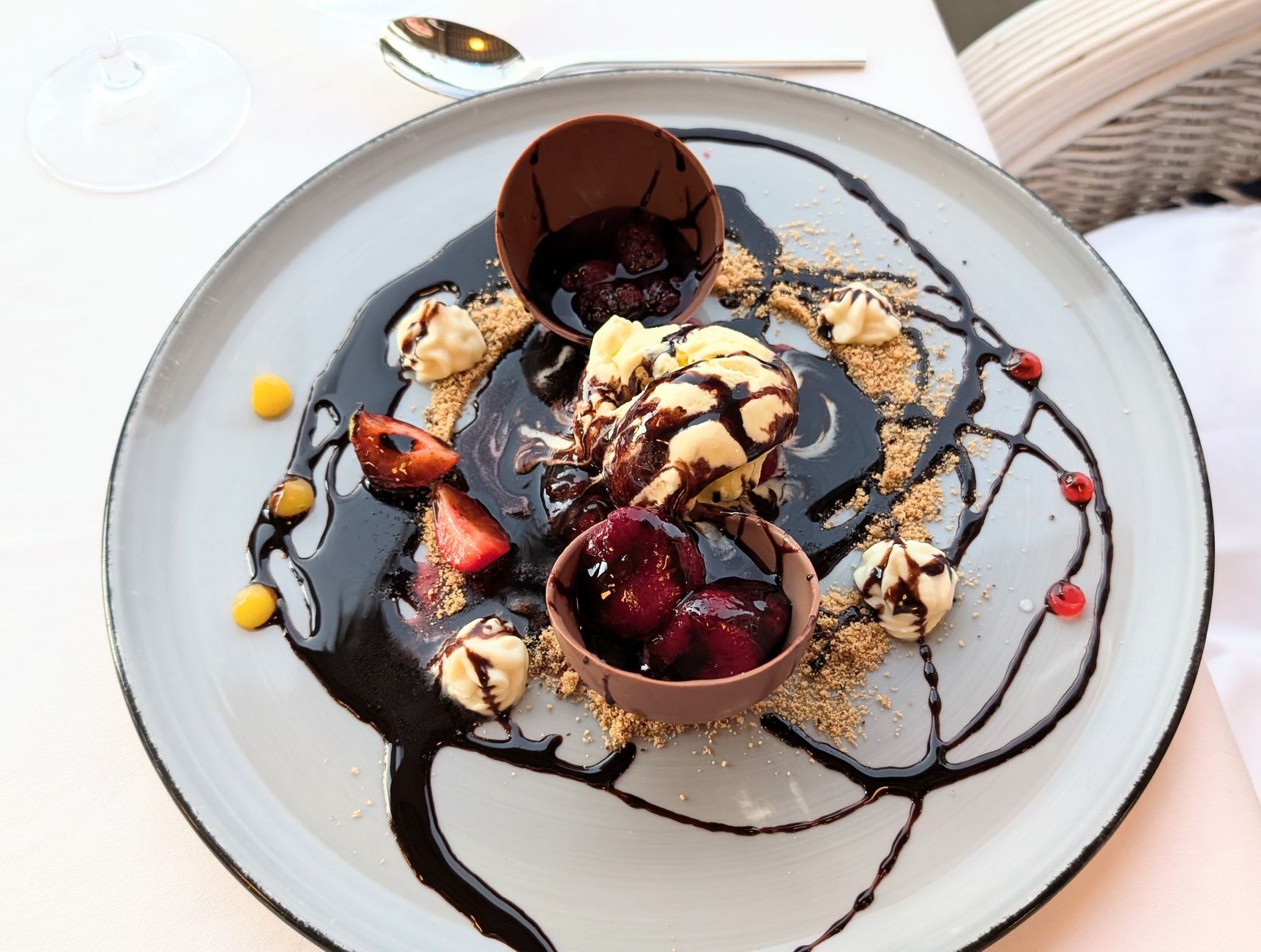
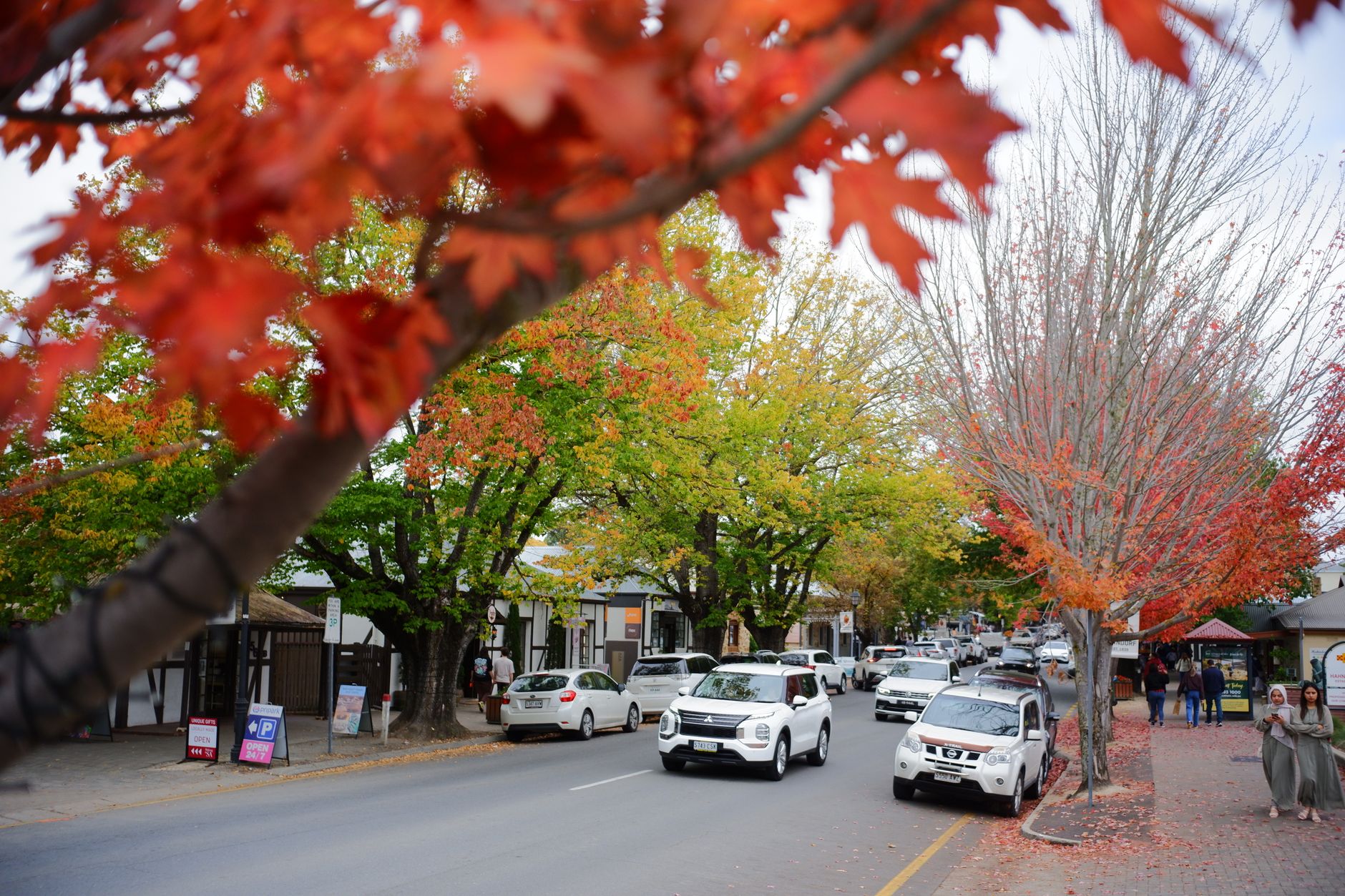
Granite peaks wall in this narrow valley, throwing long afternoon shadows across rows of Chenin Blanc and whitewashed Cape Dutch gables. French Huguenots brought vine cuttings here in 1688, and the compact grid along Huguenot Street still moves at a slow, civilized clip. You come to eat tasting menus without the stiffness, drink serious cool-climate Cabernet Franc, and walk it off under towering oak trees. Franschhoek is worth visiting if you want top-tier vineyard dining paired with mountain ridge walking in a walkable valley floor. Look elsewhere if you want late-night nightlife, budget street food, ocean beaches, or a fast-paced urban scene.
Last updated 2 Sept 2026
Build a Franschhoek itinerary.
Choose up to 4 threads that pull you in. Your plan arrives organised around them.
The Bed
Where to stay in Franschhoek
Which part of town to book, and what each one costs you in walking, noise or quiet.
The Comparison
Franschhoek, or somewhere near it
The places you are realistically choosing between, and the honest case for each.
The Local Record
Where to read more about Franschhoek
The blogs, boards, guides and operators worth bookmarking.
What to do in Franschhoek Cape Winelands South Africa
Franschhoek runs along a straightforward valley floor dominated by Huguenot Street, where shaded pavements link bistros, galleries, and historic cellar doors. The rhythm here is unhurried. Days split naturally between cellar tastings, long vineyard lunches, and afternoon walks against the backdrop of the Franschhoek Mountains. It suits travellers who appreciate great cellar craft, refined Cape cuisine, and easy, compact walking.
24 hours in Franschhoek Cape Winelands South Africa
Start with espresso on Huguenot Street before heading up to Mont Rochelle Reserve for a crisp morning walk. Reserve lunch at a farm estate like Haute Cabrière, spend the afternoon visiting the Huguenot Memorial Museum, and finish with Karoo lamb at a local bistro. Select 1 Day above to see it.
2 days in Franschhoek Cape Winelands South Africa
Devote day two to Robertsvlei Road and the quieter southern valley. Rent a bike for tastings of old-vine Semillon, then head out to the gardens at Babylonstoren for an unhurried farm-to-table lunch. In the evening, try fine dining in town at Epice or Protégé. Choose 2 Days to expand the plan.
3 days in Franschhoek Cape Winelands South Africa
With three days, drive over the winding Franschhoek Pass toward the orchards of Villiersdorp or make a side trip into neighboring Stellenbosch. Take the afternoon slowly with a private cellar tour, followed by a relaxed dinner featuring local Cape wines and cheeses.
Franschhoek Cape Winelands South Africa itineraries by interest
Wine & Vineyards in Franschhoek Cape Winelands South Africa
Taste old-vine Semillon at Boekenhoutskloof and sip Methode Cap Classique while overlooking the valley at Haute Cabrière.
Fine Dining in Franschhoek Cape Winelands South Africa
Book multi-course menus showcasing local springbok, Karoo lamb, and seasonal Cape produce at La Petite Colombe or Epice.
Mountain Hiking in Franschhoek Cape Winelands South Africa
Climb the Perdekop trail in Mont Rochelle Nature Reserve for panoramic views stretching across the Wemmershoek mountains.
Local Heritage in Franschhoek Cape Winelands South Africa
Examine 17th-century settler relics and Huguenot genealogy at the Huguenot Memorial Museum and its surrounding gardens.
Markets & Produce in Franschhoek Cape Winelands South Africa
Browse the Saturday Village Market for artisanal biltong, local honeycomb, sourdough loaves, and fresh Cape cheeses.
Scenic Drives in Franschhoek Cape Winelands South Africa
Drive the switchbacks of Franschhoek Pass, stopping at the crest lookout for sweeping views toward the valley floor.
Art Galleries in Franschhoek Cape Winelands South Africa
Walk Huguenot Street to see contemporary South African bronzes, landscape paintings, and sculpture at EBONY/CURATED.
Coffee & Bakeries in Franschhoek Cape Winelands South Africa
Pick up fresh morning canelés, sourdough croissants, and espresso at Terroir Cafe or the Hoek Espresso Bar.
Craft Beer in Franschhoek Cape Winelands South Africa
Sample crisp blonde ales, IPAs, and wood-fired flatbreads at Tuk Tuk Microbrewery right on the central strip.
Cycling & Touring in Franschhoek Cape Winelands South Africa
Rent a bicycle to navigate the flat valley roads between wine estates along Uitkyk Street and Robertsvlei Road.
Historic Architecture in Franschhoek Cape Winelands South Africa
Study 18th-century Cape Dutch gables, thatched roofs, and slave bells preserved across working farms like Babylonstoren.
Gardens & Nature in Franschhoek Cape Winelands South Africa
Stroll through the extensive formal vegetable gardens, orchards, and clivia pathways at nearby Babylonstoren estate.