Stellenbosch.


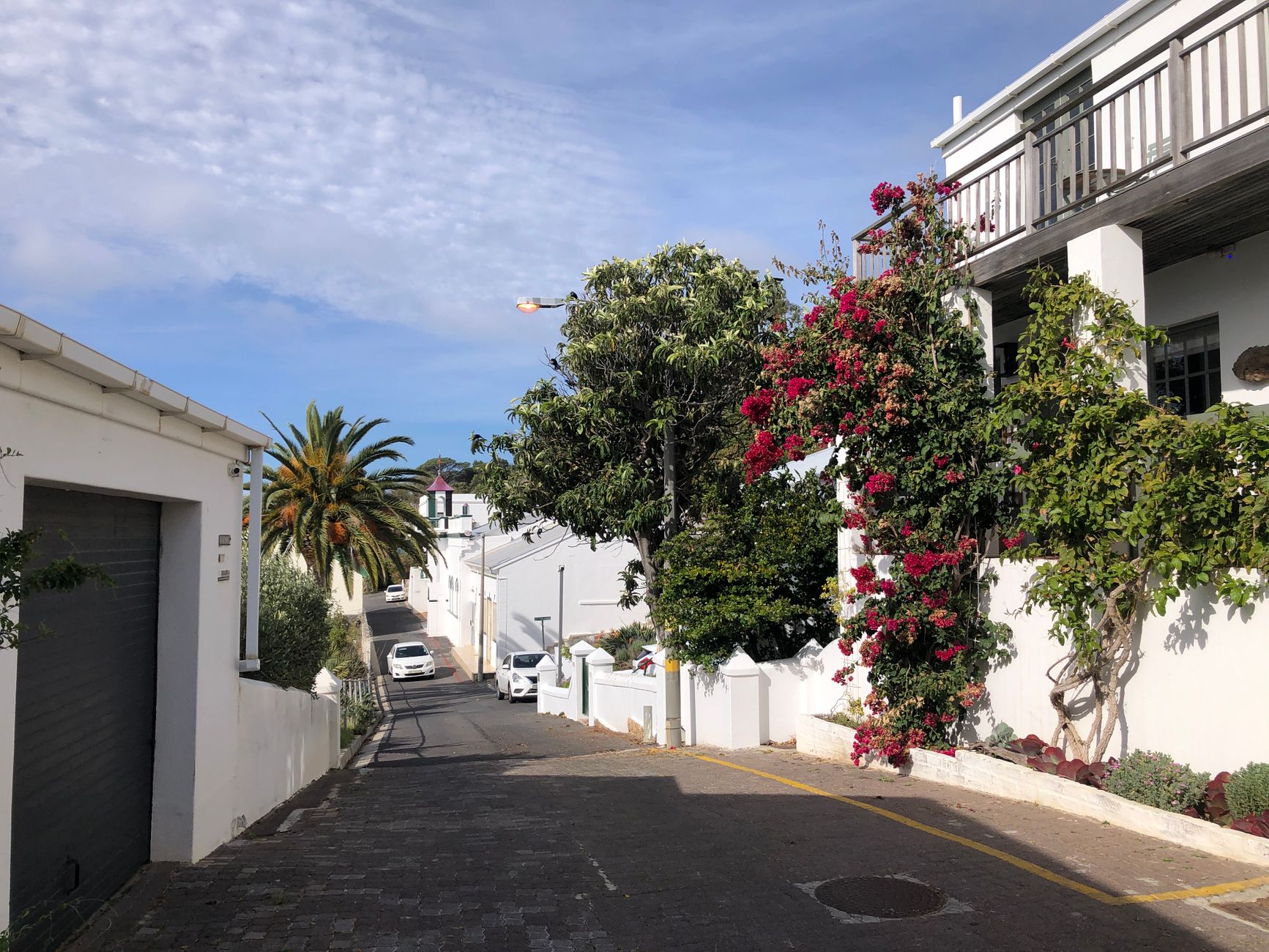
White gables glare back at the midday sun along Dorp Street, framed by three-hundred-year-old European oaks and the sheer granite rise of the Simonsberg. Founded in 1679 along the Eerste River, this university town runs on the rhythm of lecture bells, cellar masters scraping oak barrels, and long afternoons spent debating the merits of Chenin Blanc. It remains the architectural and viticultural heart of the Western Cape.
Last updated 2 Sept 2026
Build a Stellenbosch itinerary.
Choose up to 4 threads that pull you in. Your plan arrives organised around them.
The Bed
Where to stay in Stellenbosch
Which part of town to book, and what each one costs you in walking, noise or quiet.
The Comparison
Stellenbosch, or somewhere near it
The places you are realistically choosing between, and the honest case for each.
The Local Record
Where to read more about Stellenbosch
The blogs, boards, guides and operators worth bookmarking.
What to do in Stellenbosch Cape Winelands South Africa
Life here balances between historic academia and serious cellar work. Mornings belong to easy strolls past the thatched cottages of Church Street and Dorp Street, while afternoons draw you into surrounding valleys for slow cellar-door tastings. It suits anyone who appreciates deep regional heritage, walking under cathedral-like oaks, and taking their meals very seriously without unnecessary fuss.
24 hours in Stellenbosch Cape Winelands South Africa
Start early at the Village Museum on Ryneveld Street, then walk to Church Street for coffee. By midday, take a ten-minute drive out to Kanonkop for a Pinotage tasting and traditional snoek or steak braai. Return for a relaxed evening stroll past the floodlit Moederkerk, finishing with wine and small plates at a sidewalk bistro on Andringa Street. Select 1 Day above to see it.
2 days in Stellenbosch Cape Winelands South Africa
Dedicate your second morning to the Dylan Lewis Sculpture Garden, set against the dramatic slopes of the Helderberg. Afterwards, drive the winding Helshoogte Pass to sample crisp Sauvignon Blanc and Cape Malay spiced dishes with vineyard views, ending the day with a pint among locals under the aged plane trees at De Akker. Choose 2 Days to expand the plan.
3 days in Stellenbosch Cape Winelands South Africa
Day three opens up the trails of Jonkershoek Nature Reserve for a quiet morning hike through wild proteas and river valleys. Spend the afternoon touring the Rupert Museum's twentieth-century South African art collection, followed by a final dinner of slow-roasted Karoo lamb paired with older vintages in the Devon Valley.
Stellenbosch Cape Winelands South Africa itineraries by interest
Wine & Vineyards in Stellenbosch Cape Winelands South Africa
Taste old-vine Chenin Blanc, smoky Pinotage, and Bordeaux-style blends at storied valley estates like Meerlust, Rust en Vrede, and Kanonkop.
Cape Dutch Architecture in Stellenbosch Cape Winelands South Africa
Stroll along Dorp Street and the Braak to examine 18th-century whitewashed gables, thatched roofs, and timber shutters at the Village Museum.
Hiking & Nature in Stellenbosch Cape Winelands South Africa
Follow granite ridges along the Swartboskloof trail in Jonkershoek Nature Reserve, passing proteas, fynbos, and high mountain waterfalls.
Regional Dining in Stellenbosch Cape Winelands South Africa
Sample Cape Malay bobotie, braised springbok shanks, and local farm cheeses at estate dining rooms across the Blaauwklippen and Helderberg valleys.
Botanical Gardens in Stellenbosch Cape Winelands South Africa
Wander the Stellenbosch University Botanical Garden to see rare succulents, ancient cycads, and an impressive collection of indigenous fynbos.
Modern Art in Stellenbosch Cape Winelands South Africa
View contemporary South African sculpture, ceramics, and rotating painting exhibitions at the Dylan Lewis Sculpture Garden and Rupert Museum.
Markets & Produce in Stellenbosch Cape Winelands South Africa
Browse Saturday morning stalls at Root44 and the Stellenbosch Slow Market for biltong, artisanal charcuterie, fresh sourdough, and olive oils.
Historic Pubs in Stellenbosch Cape Winelands South Africa
Pull up a stool at De Akker, established in 1872, where students and winemakers trade opinions over local lagers and craft cider on draft.
Coffee Culture in Stellenbosch Cape Winelands South Africa
Grab a flat white and warm pasteis de nata along Church Street and Bird Street, where independent roasters roast green African beans on-site.
Cycling & Trails in Stellenbosch Cape Winelands South Africa
Rent a gravel bike to pedal through vineyards along the Bottelary Hills conservancy network or cruise the oak-lined lanes of the town center.
Day Trips in Stellenbosch Cape Winelands South Africa
Drive twenty minutes over the Helshoogte Pass into Franschhoek for Cap Classique sparkling wines, or head south toward False Bay at Somerset West.
Town History in Stellenbosch Cape Winelands South Africa
Explore the 1797 Kruithuis powder magazine, the Neo-Gothic Moederkerk on Drostdy Street, and the VOC Schreuderhuis domestic interiors.