


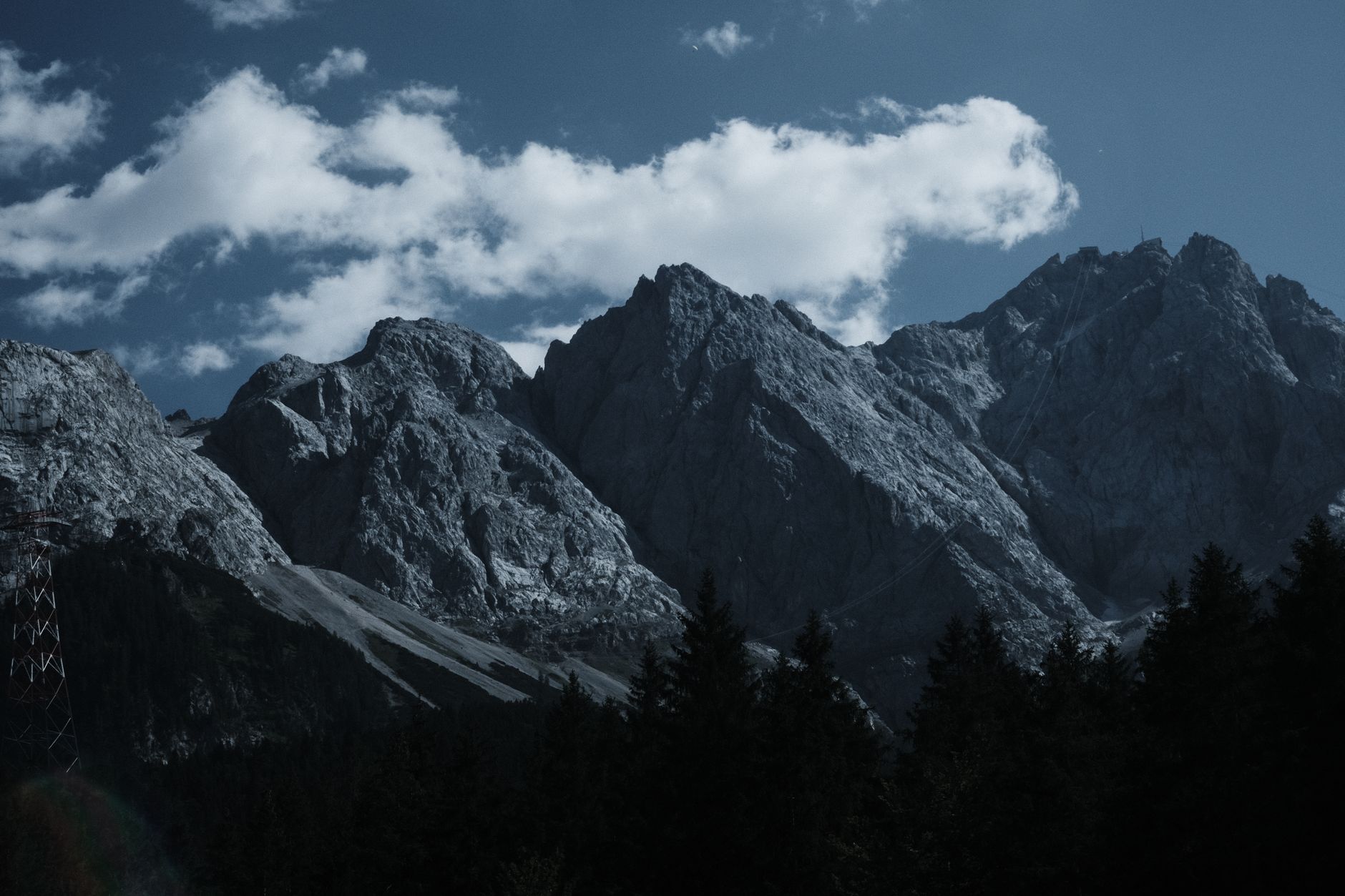
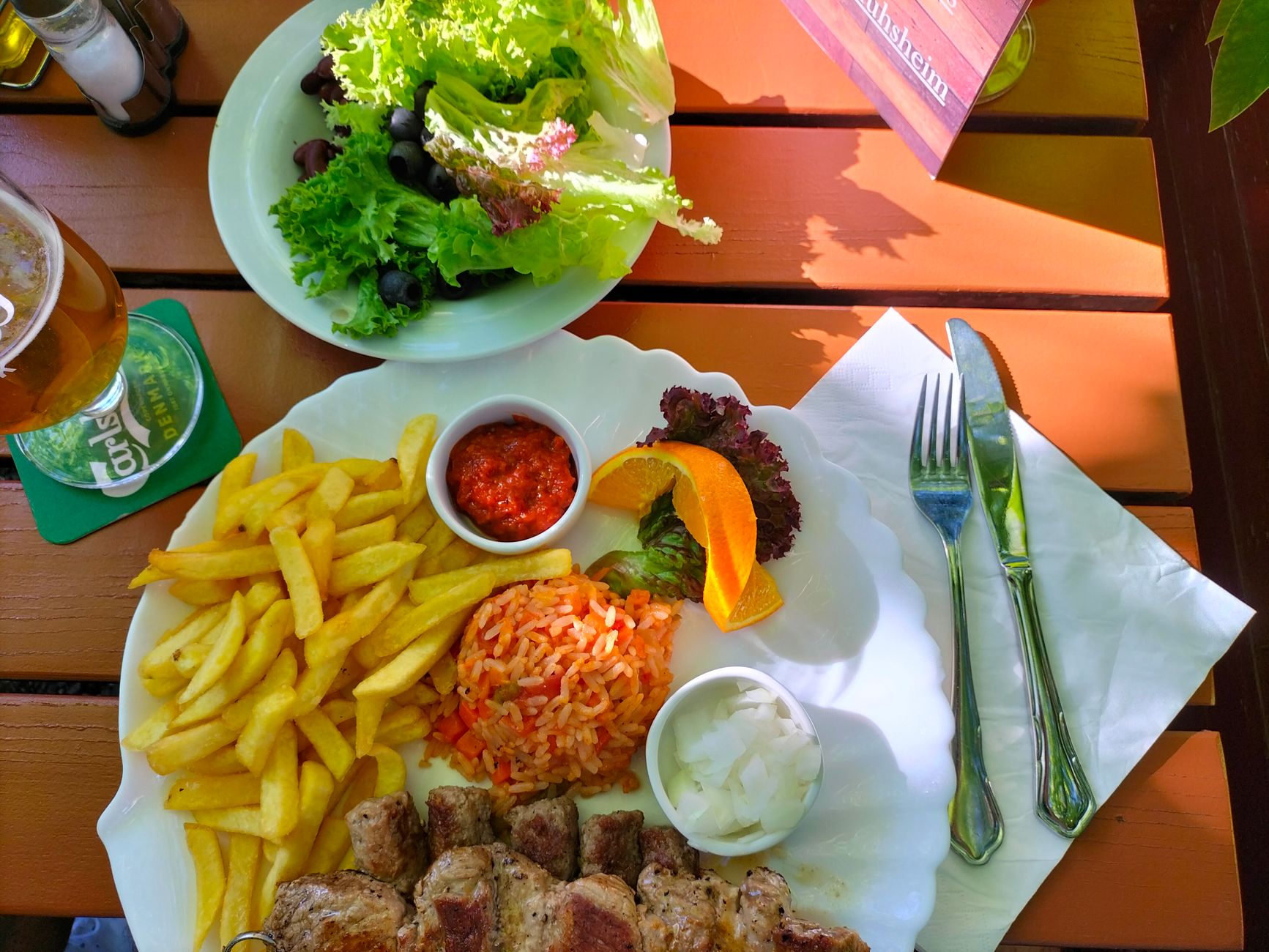
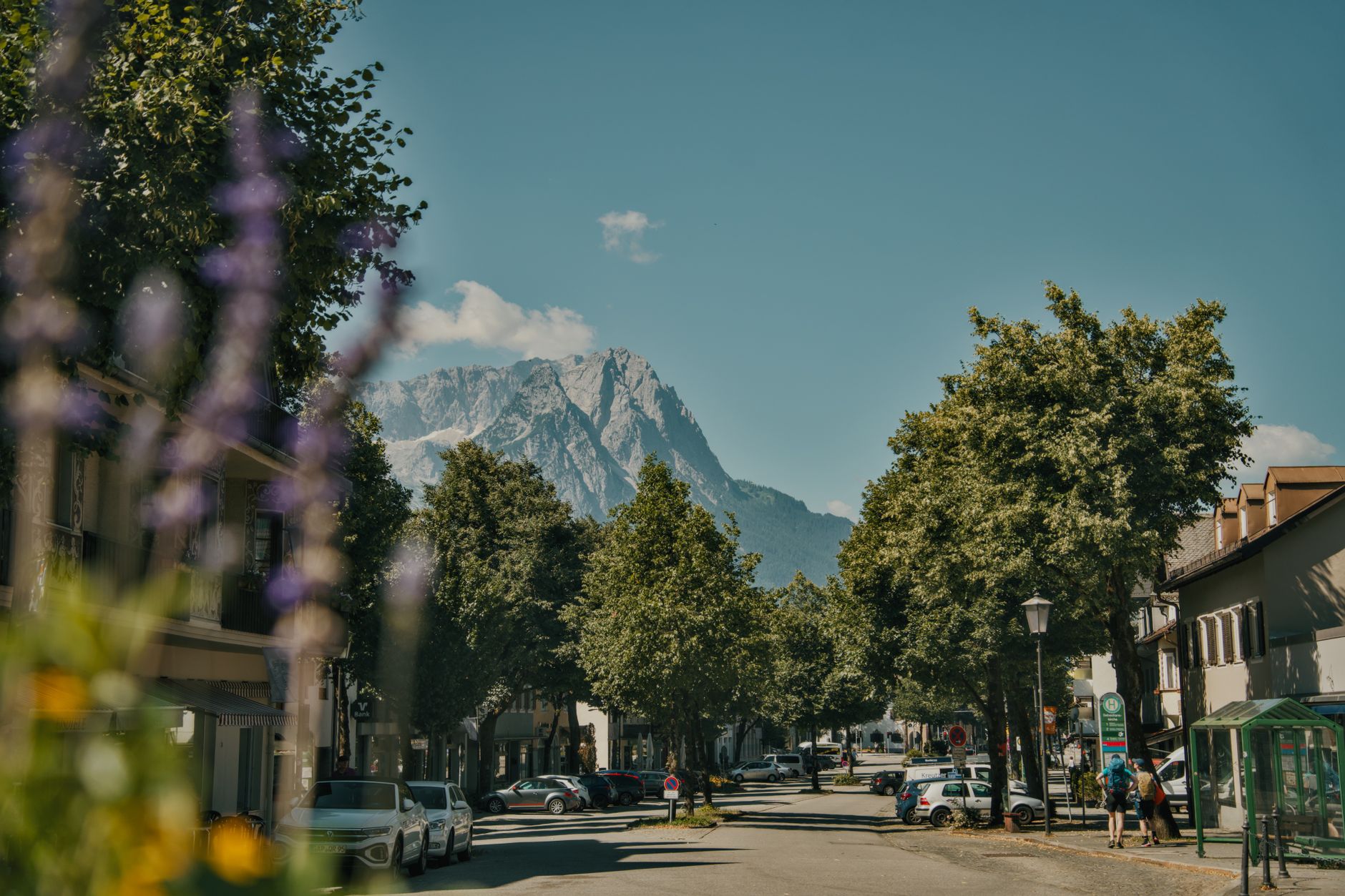
Garmisch-Partenkirchen sits 80 minutes south of Munich by direct regional train, against the limestone wall of the Wetterstein Alps. It is known for Germany's highest peak, the Zugspitze, and deep river-cut limestone gorges. Garmisch-Partenkirchen is worth visiting if you want serious alpine hiking, gorge trails, and plates of Schweinshaxe served in wood-panelled taverns. Look elsewhere if you want sleek contemporary city culture, flat walking terrain, or lively late-night clubbing.
Last updated 20 Oct 2026
Build a Garmisch-Partenkirchen itinerary.
Choose up to 4 threads that pull you in. Your plan arrives organised around them.
The Bed
Where to stay in Garmisch-Partenkirchen
Which part of town to book, and what each one costs you in walking, noise or quiet.
The Comparison
Garmisch-Partenkirchen, or somewhere near it
The places you are realistically choosing between, and the honest case for each.
The Local Record
Where to read more about Garmisch-Partenkirchen
The blogs, boards, guides and operators worth bookmarking.
What to do in Garmisch-Partenkirchen Bavaria Germany
The twin towns merged in 1935, but they still keep distinct flavours: Partenkirchen is quieter with frescoed Bavarian houses, while Garmisch is busier and closer to the ski lifts. Days naturally revolve around mountain weather, heading up the peaks early and settling into Gasthof taverns by late afternoon for roast meats and Weissbier. It suits outdoor travellers who appreciate rigorous mountain trails alongside old-fashioned Bavarian comfort.
24 hours in Garmisch-Partenkirchen Bavaria Germany
Catch the morning cogwheel train to the Zugspitze summit before cloud rolls in. Descend by cable car to walk the flat pine-fringed path around the Eibsee. By evening, wander historic Ludwigstraße in Partenkirchen, taking a wooden table for Kassler, sauerkraut, and a cold half-litre. Select 1 Day above to see it.
2 days in Garmisch-Partenkirchen Bavaria Germany
Devote morning two to the roaring waters of the Partnachklamm, walking the wet limestone tunnel before climbing up toward the Wamberg pasture. Afterward, sit for Kaiserschmarrn at an alpine hut, then spend the afternoon admiring the frescoes around Garmisch's Frühlingsstraße. Choose 2 Days to expand the plan.
3 days in Garmisch-Partenkirchen Bavaria Germany
A third day gives you room to catch the local bus to Mittenwald for violin-making workshops and pastel painted facades, or hike up to King Ludwig's Schachen house. Finish with a slow dinner of pan-fried river trout and Knödel back in town.
Garmisch-Partenkirchen Bavaria Germany itineraries by interest
Alpine Hiking in Garmisch-Partenkirchen Bavaria Germany
Hike the steep limestone tracks of the Wetterstein range or take the trail up the Eckbauer for uncrowded ridge views across the valley.
Local Taverns in Garmisch-Partenkirchen Bavaria Germany
Tuck into roast pork knuckle with crackling skin, potato dumplings, and local Dunkel beer in wood-panelled Gasthöfe along Ludwigstraße.
Gorge Walks in Garmisch-Partenkirchen Bavaria Germany
Walk the narrow, dripping rock galleries of the Partnachklamm, carved by glacial meltwater, wearing sturdy boots and waterproof gear.
Mountain Cableways in Garmisch-Partenkirchen Bavaria Germany
Ride the cogwheel train and the record-breaking cable car to the Zugspitze summit terrace at 2,962 metres for panoramic alpine views.
Historic Architecture in Garmisch-Partenkirchen Bavaria Germany
Examine 18th-century Lüftlmalerei fresco paintings on timbered farmhouse facades along historic Ludwigstraße in older Partenkirchen.
Winter Sports in Garmisch-Partenkirchen Bavaria Germany
Ski the Kandahar downhill course or visit the Olympic Ski Stadium where the 1936 winter games ski jump towers over the Gudiberg.
Lake Walks in Garmisch-Partenkirchen Bavaria Germany
Circle the turquoise alpine waters of the Eibsee along an eight-kilometre loop trail sitting directly beneath the Zugspitze massif.
Sacred Sites in Garmisch-Partenkirchen Bavaria Germany
Visit the baroque parish church of St. Martin in Garmisch, featuring stucco work and ceiling frescoes by local painter Matthäus Günther.
Traditional Crafts in Garmisch-Partenkirchen Bavaria Germany
Watch woodcarvers work in local workshops producing religious figurines, hand-carved pipes, and traditional Bavarian folk ornaments.
Alpine Pastures in Garmisch-Partenkirchen Bavaria Germany
Stop at seasonal alpine huts like the Tannenhütte for freshly pressed buttermilk, mountain cheese, and warm speck dumplings on wood boards.
Royal Castles in Garmisch-Partenkirchen Bavaria Germany
Take a short bus ride over to King Ludwig II's secluded Schachen hunting lodge, built high in the mountains in Swiss chalet style.
Valley Cycling in Garmisch-Partenkirchen Bavaria Germany
Rent a touring bike or e-bike to cycle the Loisach river path through meadows connecting Garmisch to Farchant and Eschenlohe.