Lake Hauroko.


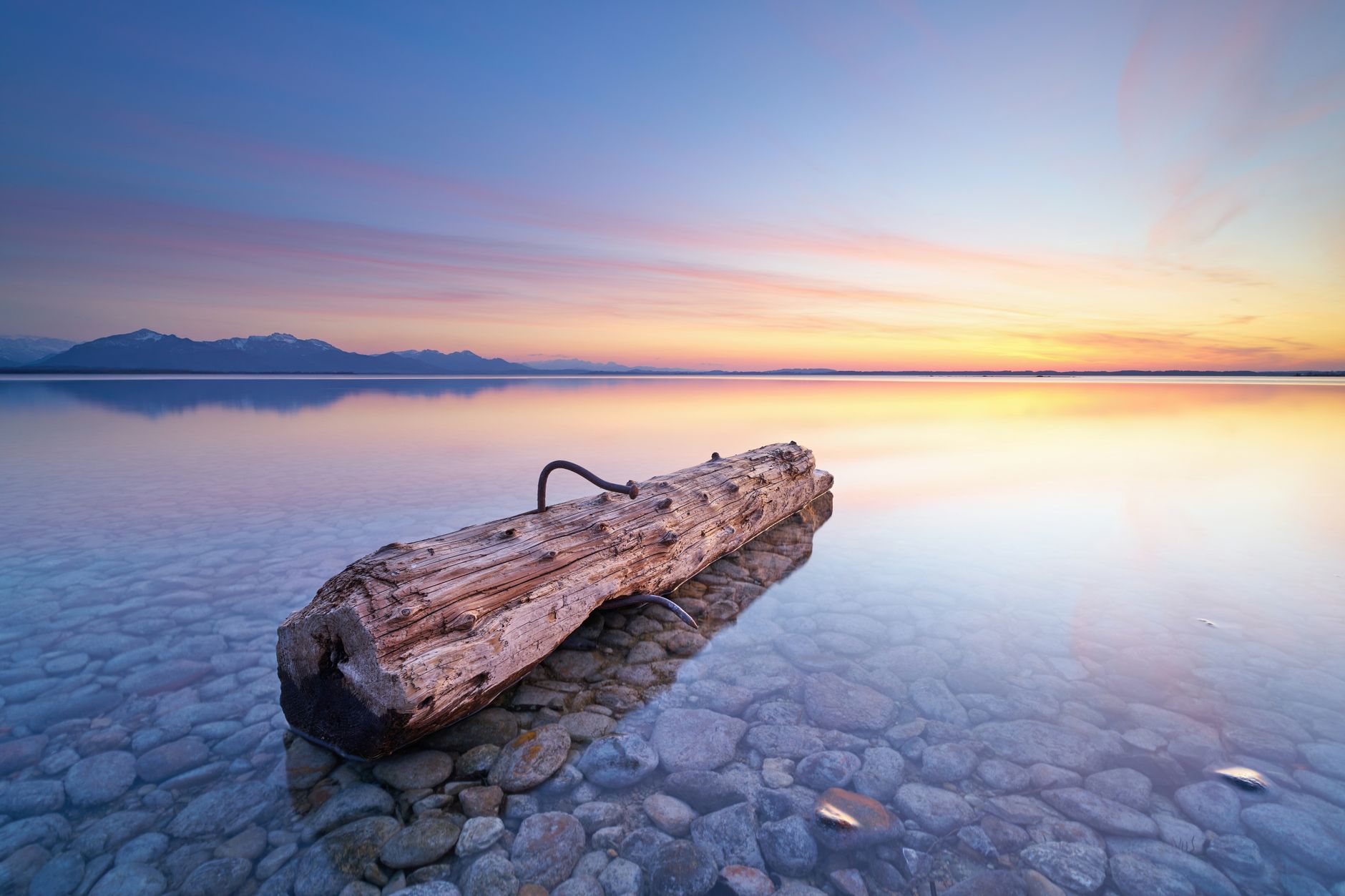
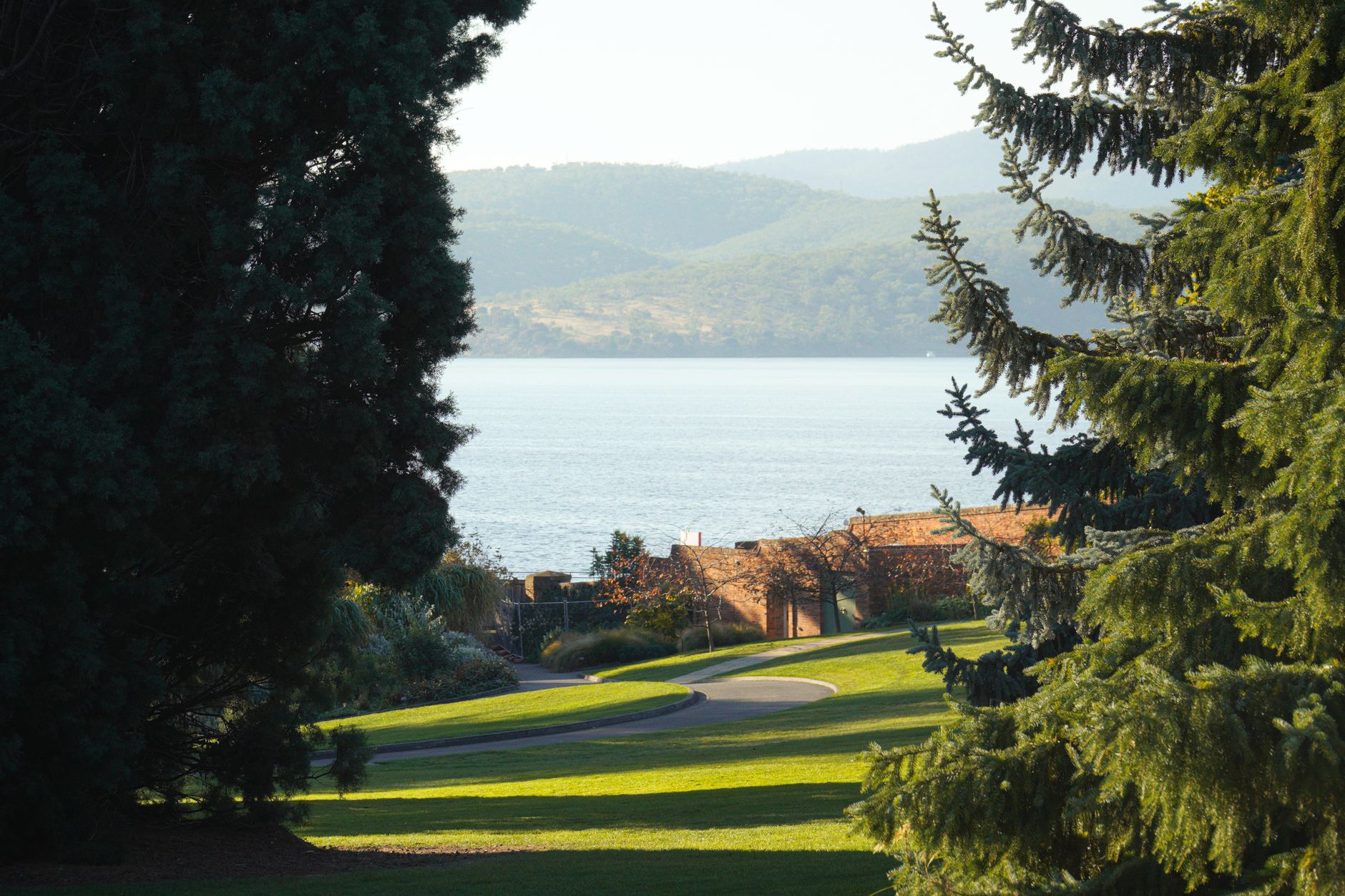
Two hours west of Invercargill via Tuatapere, Lake Hauroko occupies the southern rim of Fiordland National Park at the end of a gravel road. It is New Zealand's deepest lake at 462 metres, known for wild weather, native podocarp forest, and boat departures into the backcountry. Lake Hauroko is worth visiting if you want wilderness jet boat crossings, silent beech-forest tracks, and cold-water trout fishing. Look elsewhere if you require paved roads, mobile coverage, cafes, or indoor sights.
Last updated 28 Oct 2026
Build a Lake Hauroko itinerary.
Choose up to 4 threads that pull you in. Your plan arrives organised around them.
The Bed
Where to stay in Lake Hauroko
Which part of town to book, and what each one costs you in walking, noise or quiet.
The Comparison
Lake Hauroko, or somewhere near it
The places you are realistically choosing between, and the honest case for each.
The Local Record
Where to read more about Lake Hauroko
The blogs, boards, guides and operators worth bookmarking.
What to do in Lake Hauroko Southland New Zealand
Life at Lake Hauroko revolves around the water, the gravel boat ramp, and the weather. There are no shops or streetlights here, only dense beech forest and cold mountain water. Days begin with checking the wind and end at the slipway. It suits self-sufficient trampers, anglers chasing wild trout, and travellers who prefer gravel roads, quiet forest tracks, and broad southern vistas.
24 hours in Lake Hauroko Southland New Zealand
Pick up provisions and a hot pie in Tuatapere before the 45-minute drive on Lillburn Valley Road. Spend the morning walking the Hauroko Lookout Track. Eat a packed lunch by the stone beach, take an afternoon jet boat ride down the Wairaurahiri River, and return to Tuatapere for a pub dinner. Select 1 Day above to see it.
2 days in Lake Hauroko Southland New Zealand
A second day lets you explore the Clifden limestone caves on the drive in, followed by a full morning kayak along the lake shore. Pack a camp stove for dinner at the DOC campsite, then watch the mist roll off the southern mountains as the evening light fades over the water. Choose 2 Days to expand the plan.
3 days in Lake Hauroko Southland New Zealand
Three days allow a water taxi ride across to the Teal Bay Hut to walk a section of the Dusky Track. Spend your final morning casting for trout along the shallows near the outflow before driving south to the historic Clifden Suspension Bridge and the rugged Tuatapere coast.
Lake Hauroko Southland New Zealand itineraries by interest
Hiking in Lake Hauroko Southland New Zealand
Tackle the steep four-hour return climb up the Hauroko Lookout Track for panoramic southern views across the teal waters and surrounding mountain peaks.
Backcountry Tramping in Lake Hauroko Southland New Zealand
Board the scheduled boat to Teal Bay Hut or Upper Spey to access the demanding eight-day traverse across the rugged Dusky Track into Lake Manapouri.
Freshwater Fishing in Lake Hauroko Southland New Zealand
Cast a dry fly or troll lures from the rocky shoreline and boat slips near the Wairaurahiri River outflow for resident wild brown and rainbow trout.
River Running in Lake Hauroko Southland New Zealand
Run the fierce grade three rapids on a Wairaurahiri jet boat tour heading down to the remote southern ocean coast at Waitutu and Port Craig.
Native Birdwatching in Lake Hauroko Southland New Zealand
Scan the silver beech canopy near the jetty for South Island robins, bellbirds, tui, and the occasional pair of curious southern kaka parrots.
Botanical Walks in Lake Hauroko Southland New Zealand
Walk the easy twenty-minute lakefront loop among ancient southern beech, moss-covered podocarps, and dense crown ferns along the stony edge.
Indigenous Heritage in Lake Hauroko Southland New Zealand
Learn the history of Mary Island, a sacred burial site with a fourteenth-century Maori burial cave, protected under strict cultural tapu.
Wilderness Camping in Lake Hauroko Southland New Zealand
Pitch a tent at the Department of Conservation campsite beside the lake slipway with basic non-flush toilets and pure lake water on tap.
Local Fare in Lake Hauroko Southland New Zealand
Stop at the Tuatapere country pubs on the drive out for hot venison sausage rolls, Southland cheese rolls, and locally smoked blue cod fillets.
Caving in Lake Hauroko Southland New Zealand
Detour thirty minutes east along the Clifden Highway to explore the Clifden limestone cave system equipped with a headlamp and sturdy boots.
Paddling in Lake Hauroko Southland New Zealand
Launch touring kayaks into sheltered coves early in the morning before strong southern winds generate hazardous chop across the open basin.
Scenic Drives in Lake Hauroko Southland New Zealand
Navigate the twenty-kilometre unsealed Lillburn Valley Road through working sheep stations and tall native bush down to the public boat launch.