Ljubljana.
_(33489927996).jpg)
.jpg)

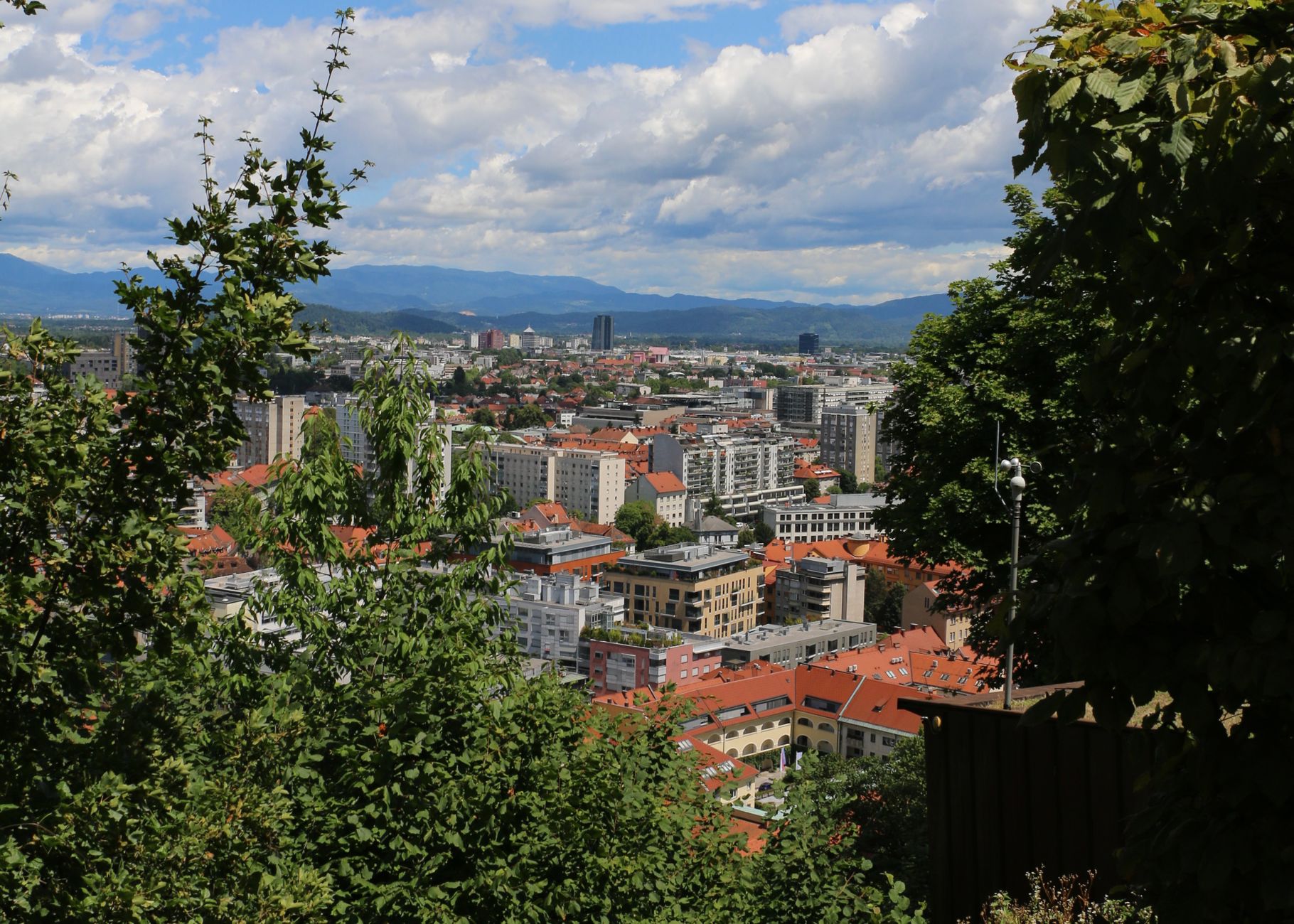
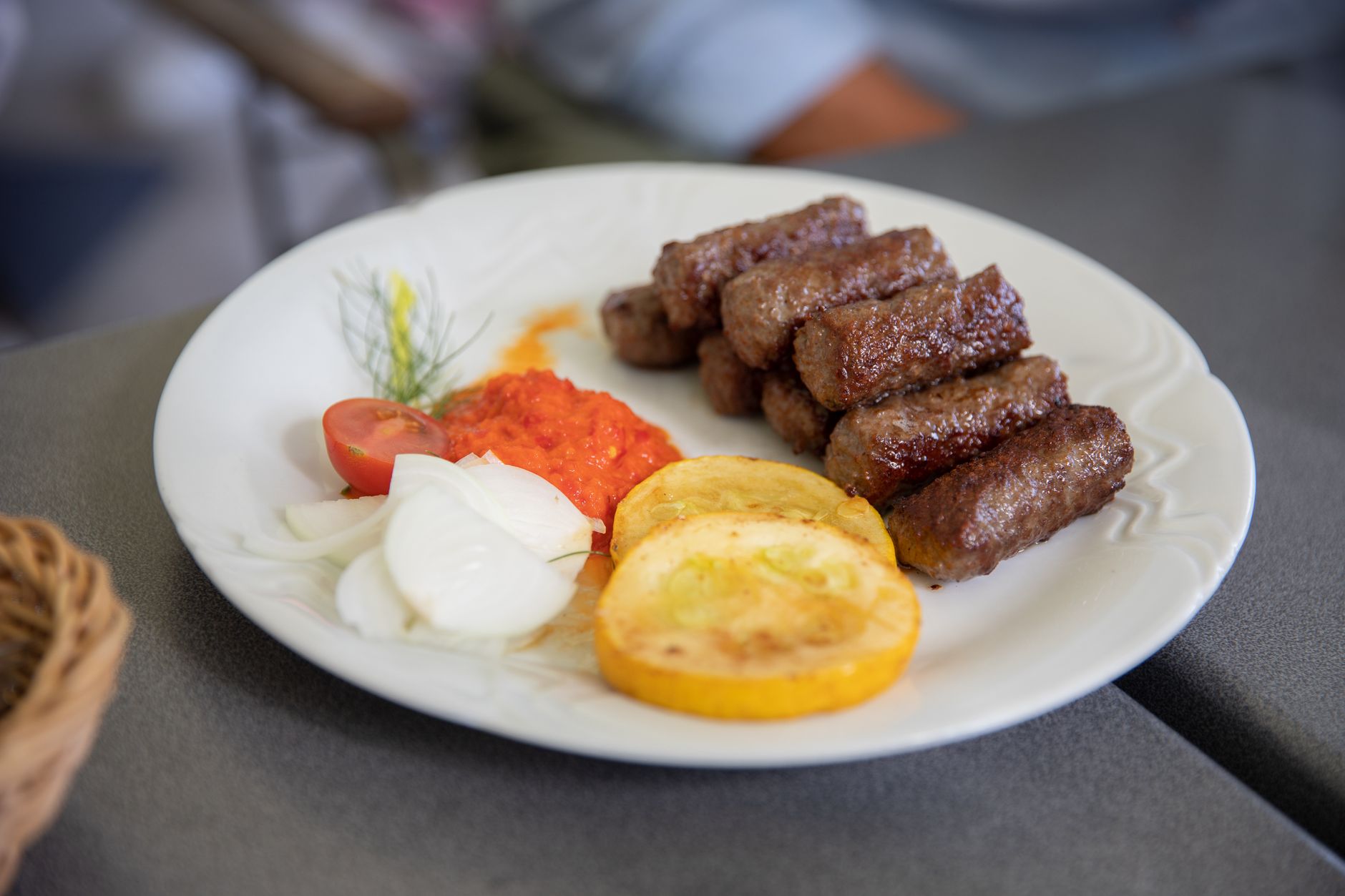
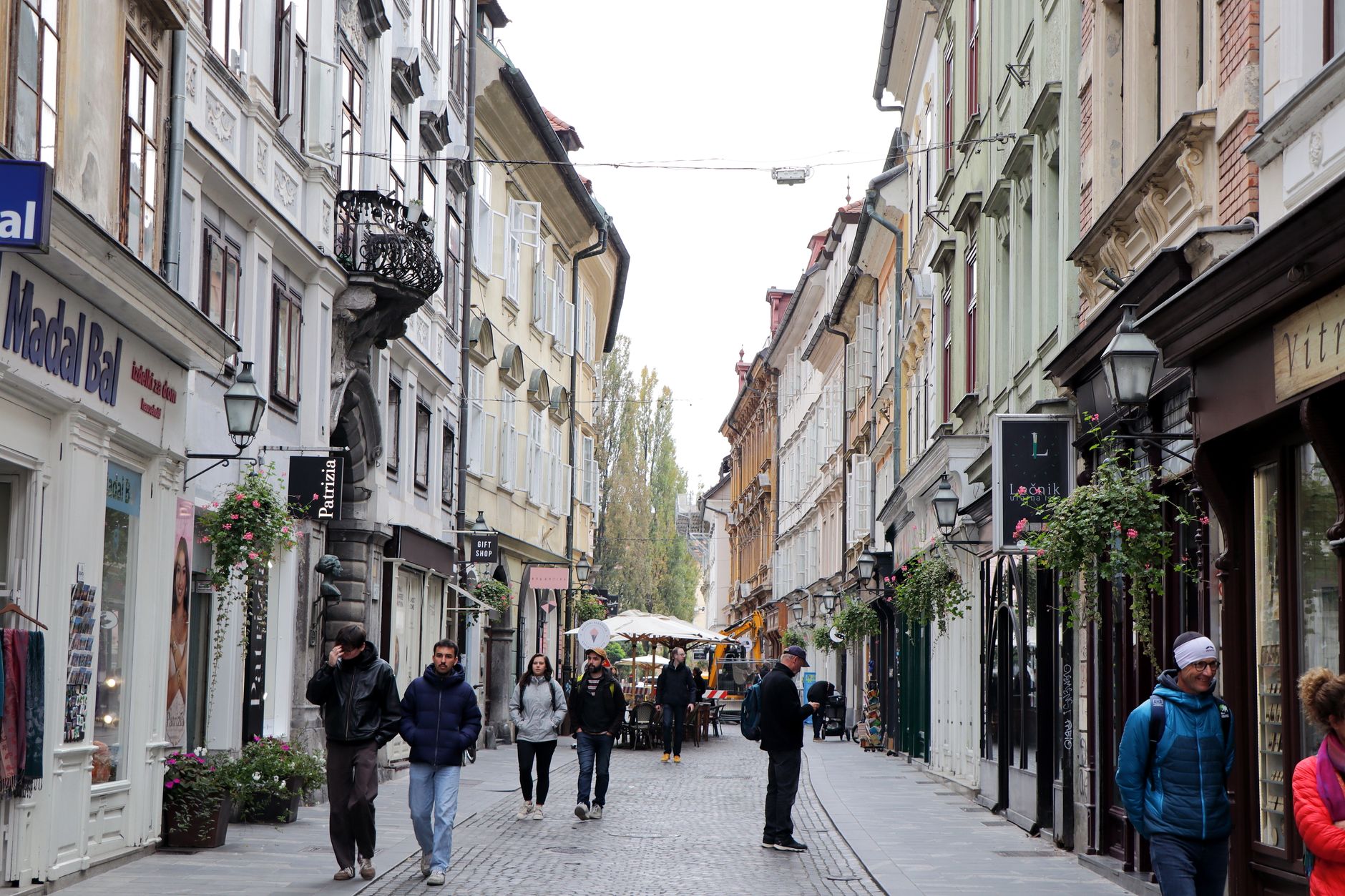
The willow trees dip straight into the emerald curve of the Ljubljanica, where nearly every stone column, balustrade, and pyramid belongs to architect Jože Plečnik. You can cross the entire car-free core on foot in twenty minutes, dodging cyclists with panniers full of market greens. The castle keeps watch from its limestone ridge above, while down on the riverbanks, winemakers pour dry Rebula and servers carry iron plates of kranjska klobasa. It is small, impeccably ordered, and quietly confident.
Last updated 2 Sept 2026
Build a Ljubljana itinerary.
Choose up to 4 threads that pull you in. Your plan arrives organised around them.
The Bed
Where to stay in Ljubljana
Which part of town to book, and what each one costs you in walking, noise or quiet.
The Comparison
Ljubljana, or somewhere near it
The places you are realistically choosing between, and the honest case for each.
The Local Record
Where to read more about Ljubljana
The blogs, boards, guides and operators worth bookmarking.
What to do in Ljubljana Central Slovenia Slovenia
Days here naturally orbit the Ljubljanica riverbanks. Morning starts at the central market stalls, drifting into leisurely walks past Baroque facades, across pedestrian bridges, and up to the castle battlements. It suits travellers who prefer walking everywhere, lingering over long outdoor lunches with a glass of local wine, and soaking in a peaceful European capital that prioritises cyclists, parkland, and public conversation over frantic sightseeing.
24 hours in Ljubljana Central Slovenia Slovenia
Start early at Vodnikov Trg market for coffee and warm burek before crossing the Dragon Bridge. Take the footpath up to the castle around noon, then descend to Old Town for a plate of Carniolan sausage at Klobasarna. Finish with a glass of Vipava Valley wine along Cankarjevo Nabrežje as the streetlights reflect across the water. Everything sits within a fifteen-minute stroll. Select 1 Day above to see it.
2 days in Ljubljana Central Slovenia Slovenia
Spend your second morning walking the tree-lined Jakopič Promenade through Tivoli Park and up Rožnik hill. Head east in the afternoon to tour the renovated Cukrarna gallery and the colourful courtyards of Metelkova Mesto. For dinner, cross into the Krakovo quarter for fresh river trout and local seasonal salads at an unhurried neighbourhood gostilna. Choose 2 Days to expand the plan.
3 days in Ljubljana Central Slovenia Slovenia
With three days, head out on an easy forty-minute bus ride to Lake Bohinj or Lake Bled for a cold alpine swim and a slice of vanilla cream cake. Alternatively, explore the subterranean caves at Škocjan or Postojna, returning to town in time to catch the open-air Friday food market at Pogačarjev Trg.
Ljubljana Central Slovenia Slovenia itineraries by interest
Local Architecture in Ljubljana Central Slovenia Slovenia
Walk Jože Plečnik's Triple Bridge, the National Library colonnade, and the river lock gates built during his twentieth-century overhaul.
Markets & Produce in Ljubljana Central Slovenia Slovenia
Browse Vodnikov Trg for seasonal forest blueberries, karst prosciutto, pumpkin seed oil, and raw milk from the refrigerated vending machines.
Street Food in Ljubljana Central Slovenia Slovenia
Grab grilled kranjska klobasa with coarse mustard and fresh horseradish at Klobasarna, or visit the Friday Odprta Kuhna food fair.
Wine & Vineyards in Ljubljana Central Slovenia Slovenia
Taste orange wines, crisp Vipava Valley Zelen, and macerated Rebula by the glass at Dvorni Bar or along the riverfront terraces.
Alternative Culture in Ljubljana Central Slovenia Slovenia
Walk the graffitied barracks of Metelkova Mesto, an autonomous art squat hosting live punk, craft workshops, and late-night gallery spaces.
Riverside Cafes in Ljubljana Central Slovenia Slovenia
Order a flat white or union draft along Petkovškovo Nabrežje, where low tables and lime trees line the pedestrian river promenade.
City Parks in Ljubljana Central Slovenia Slovenia
Wander Tivoli Park along the Jakopič Promenade out to Rožnik hill, stopping for hot fried flancati pastries at the summit inn.
Castles & Forts in Ljubljana Central Slovenia Slovenia
Ride the glass funicular from Krekov Trg or hike the steep Osojne trail up to Ljubljana Castle for panoramic views of the Julian Alps.
Pastry & Baking in Ljubljana Central Slovenia Slovenia
Order multi-layered Prekmurska gibanica packed with poppy seeds, walnuts, apples, and curd cheese at traditional bakeries in the old town.
Contemporary Art in Ljubljana Central Slovenia Slovenia
Visit Cukrarna, a former sugar refinery turned cavernous modern art space, or the Museum of Contemporary Art Metelkova on Maistrova.
Biking & Greenways in Ljubljana Central Slovenia Slovenia
Rent a BicikeLJ bike to ride the 35-kilometre Path of Remembrance and Comradeship, circling the green perimeter of the city.
Day Trips in Ljubljana Central Slovenia Slovenia
Board the regional bus to Lake Bled for rowing wooden pletnas, or head south into the karst labyrinth of Postojna Cave.