Piran.


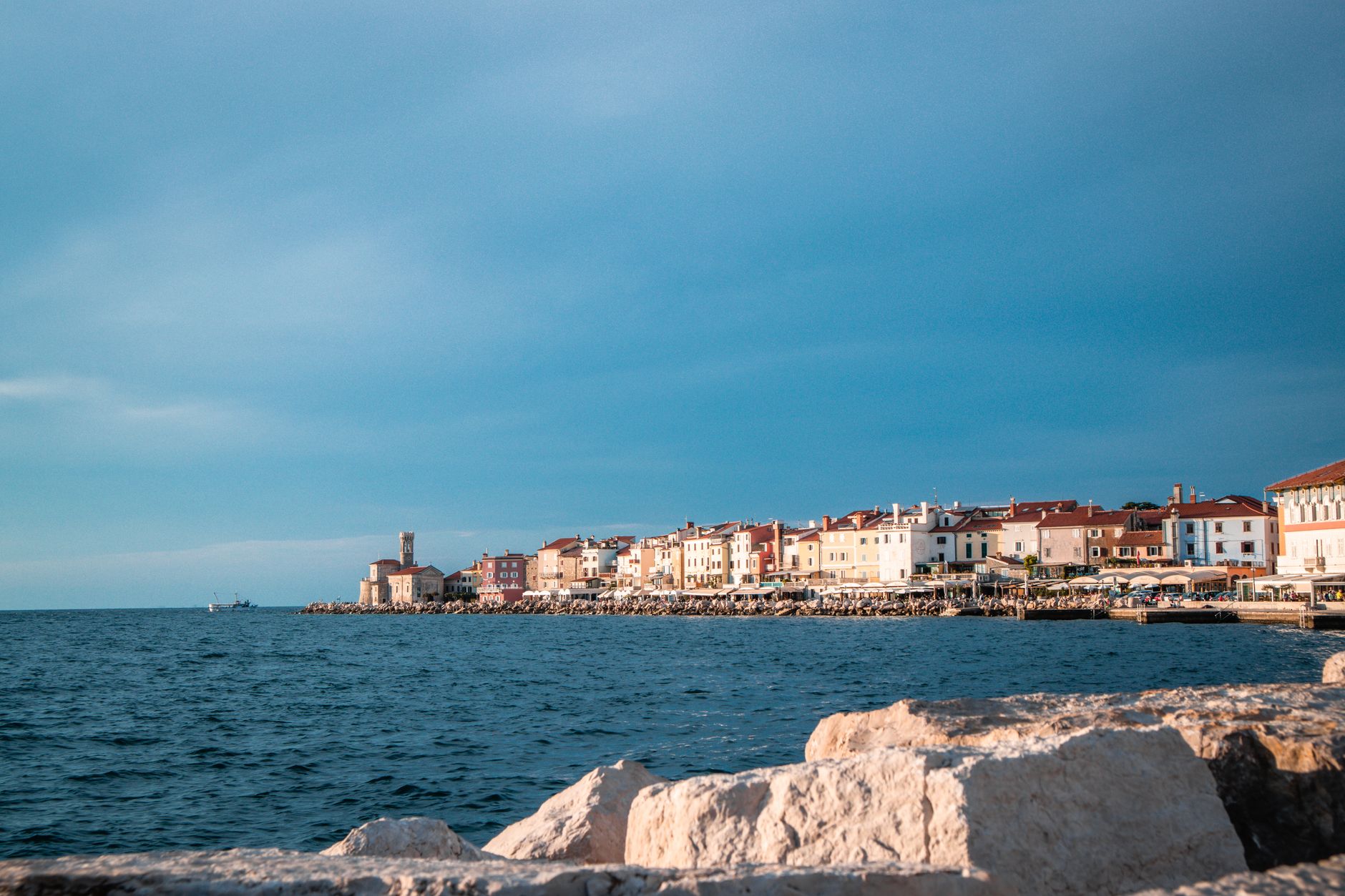
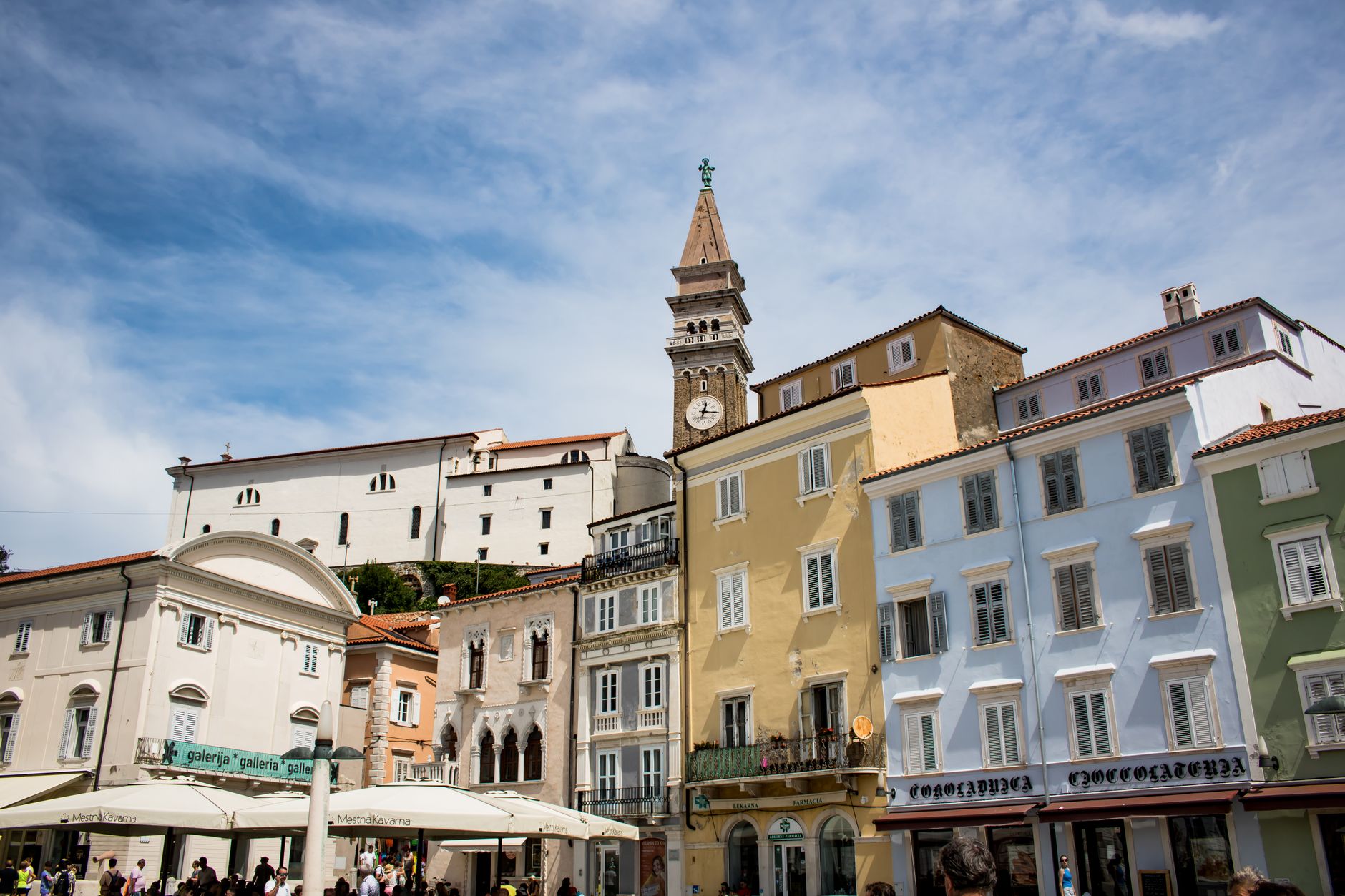

Venice ruled this narrow finger of limestone for five centuries, and it shows in every paved alleyway leading down to Tartini Square. You cannot drive in; you park outside and walk into a dense web of Gothic arches, washing lines, and salt-seasoned air. Up on the ridge, the bell tower of St. George watches over fishing boats bringing in sea bass and squid. It feels compact, confident, and entirely tied to the Adriatic.
Last updated 2 Sept 2026
Build a Piran itinerary.
Choose up to 4 threads that pull you in. Your plan arrives organised around them.
The Bed
Where to stay in Piran
Which part of town to book, and what each one costs you in walking, noise or quiet.
The Comparison
Piran, or somewhere near it
The places you are realistically choosing between, and the honest case for each.
The Local Record
Where to read more about Piran
The blogs, boards, guides and operators worth bookmarking.
What to do in Piran Slovenian Istria Slovenia
Piran occupies a sharp, pedestrian-only headland where days settle into a gentle rhythm of espresso on Tartini Square, swims off the rocky Punta, and evening plates of grilled fish. It suits travellers who enjoy exploring on foot, appreciating Gothic stonework, and lingering over local wine without an aggressive checklist. Everything is within a fifteen-minute stroll.
24 hours in Piran Slovenian Istria Slovenia
Climb the town walls on Ulica IX. Korpusa by 9:00 for the best morning light, then wind down through alleys to the Church of St. George. Lunch on fried sardines along the harbour. Spend the afternoon swimming off the Punta rocks before dinner over Fonda sea bass and Malvazija at a waterfront table. Select 1 Day above to see it.
2 days in Piran Slovenian Istria Slovenia
Walk the scenic coastal cliff path to Fiesa bay for a quiet swim, then hire a bike to explore the Sečovlje salt pans down the coast. In the evening, head inland toward Padna for air-cured pršut, Istrian fuži pasta with truffles, and a glass of hearty Refošk. Choose 2 Days to expand the plan.
3 days in Piran Slovenian Istria Slovenia
Take a third day to visit the Strunjan nature reserve with its dramatic flysch cliffs and Moon Bay beach. Stop in Izola for lunch at a working fishing pier, or visit small olive oil mills in the Dragonja Valley, where family growers press late-harvest Istrian bjelica.
Piran Slovenian Istria Slovenia itineraries by interest
Local Seafood in Piran Slovenian Istria Slovenia
Grilled Fonda sea bass, Adriatic calamari with polenta, and brodetto fish stew served along the Punta harbour promenade.
Coastal Walks in Piran Slovenian Istria Slovenia
The paved shore path connecting Piran to Fiesa and Portorož, skirting limestone cliffs with views across the Gulf of Trieste.
Wine & Vineyards in Piran Slovenian Istria Slovenia
Crisp white Malvazija and dark, peppery Refošk poured in taverns and hill vineyards across the surrounding Slovenian Istria hills.
Sacred Architecture in Piran Slovenian Istria Slovenia
The 14th-century Church of St. George on the hill, its Venetian bell tower, and the quiet cloister of the Minorite Monastery.
Salt Traditions in Piran Slovenian Istria Slovenia
Seven centuries of hand-harvested sea salt at the nearby Sečovlje Salina Nature Park, collected with wooden petola scrapers.
Venetian Heritage in Piran Slovenian Istria Slovenia
Gothic palaces around Tartini Square, winged lions of St. Mark carved in stone, and the 15th-century Venetian House facade.
Historic Fortifications in Piran Slovenian Istria Slovenia
The 15th-century town walls along Ulica IX. Korpusa, offering open views across the peninsula and the northern Adriatic.
Maritime History in Piran Slovenian Istria Slovenia
The Sergej Mašera Maritime Museum in Gabrielli Palace, tracing Adriatic sailing, fishing gear, and centuries of olive oil trade.
Swimming & Sunbathing in Piran Slovenian Istria Slovenia
Concrete sunbathing piers and rocky swim ladders along the Punta headland, where clear Adriatic water sits steps from the cafes.
Day Trips in Piran Slovenian Istria Slovenia
Short coastal drives to the olive groves of Padna, the salt pans of Strunjan, and the working fishing harbour of Izola.
Markets & Produce in Piran Slovenian Istria Slovenia
Istrian olive oil, wild asparagus in spring, white truffles in autumn, and morning produce stalls tucked behind Tartini Square.
Musical Heritage in Piran Slovenian Istria Slovenia
Violin master Giuseppe Tartini's birthplace, summer classical concerts in the cloister, and the bronze monument in the main square.