Nong Khiaw.
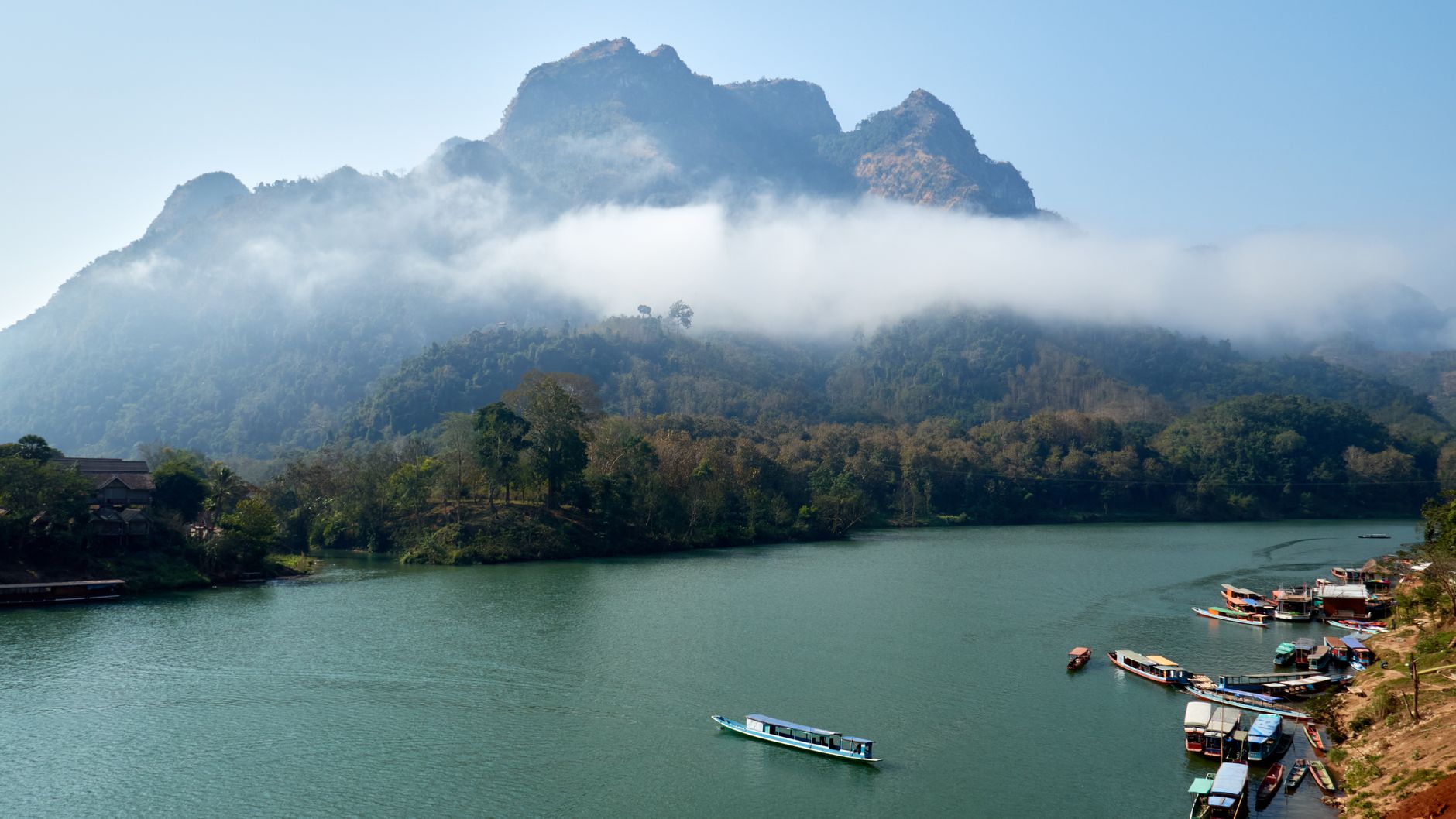
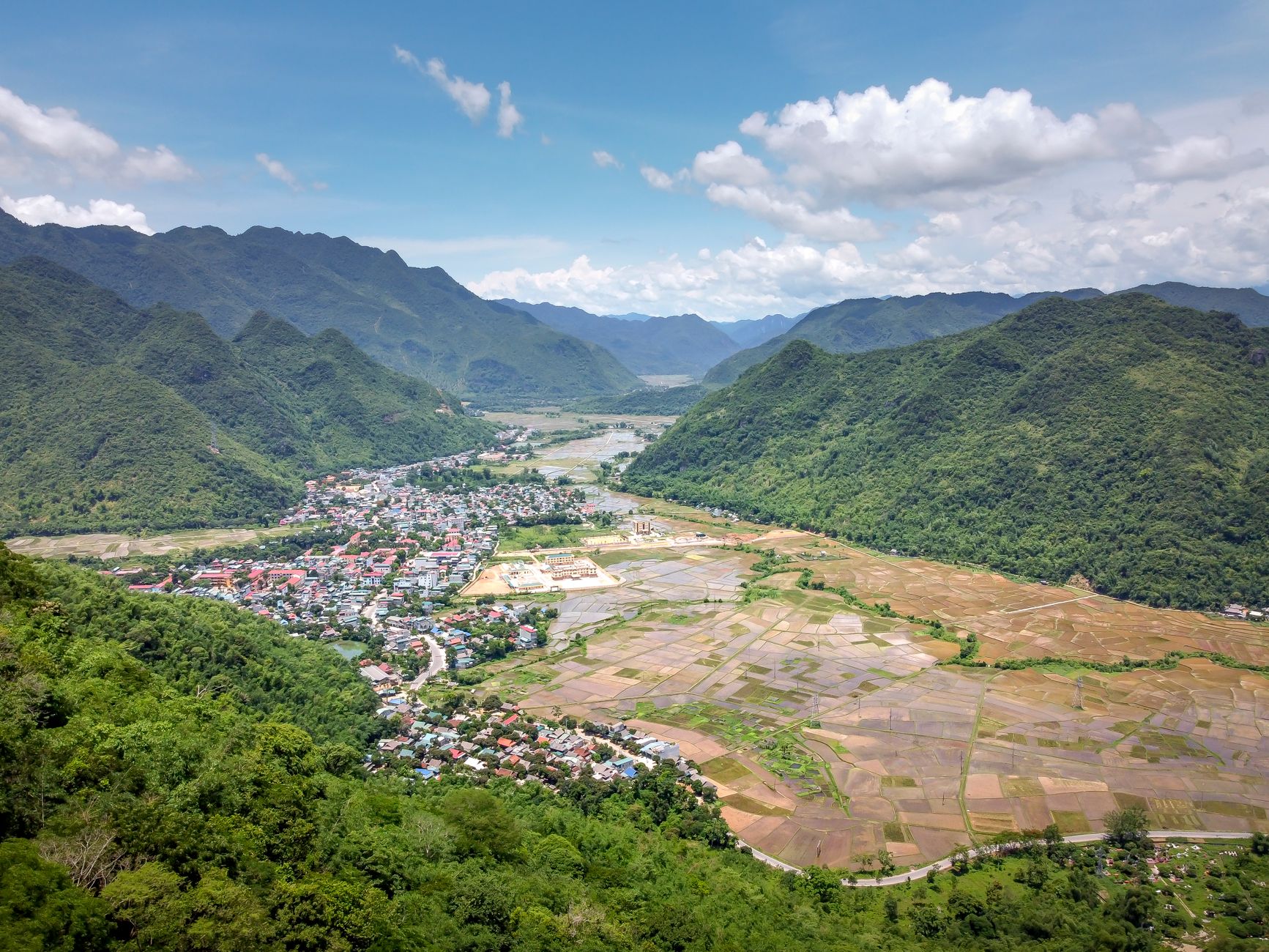
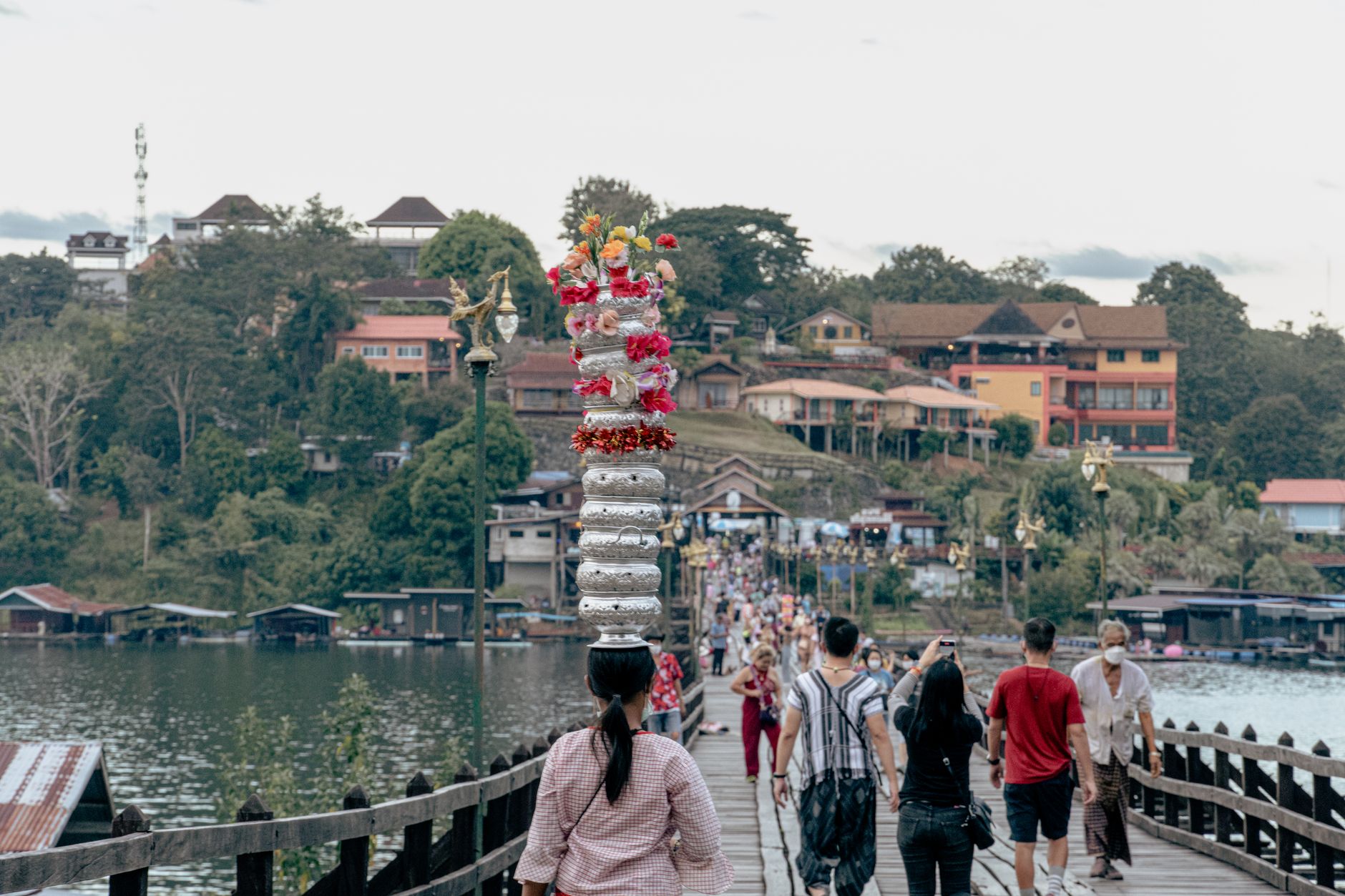
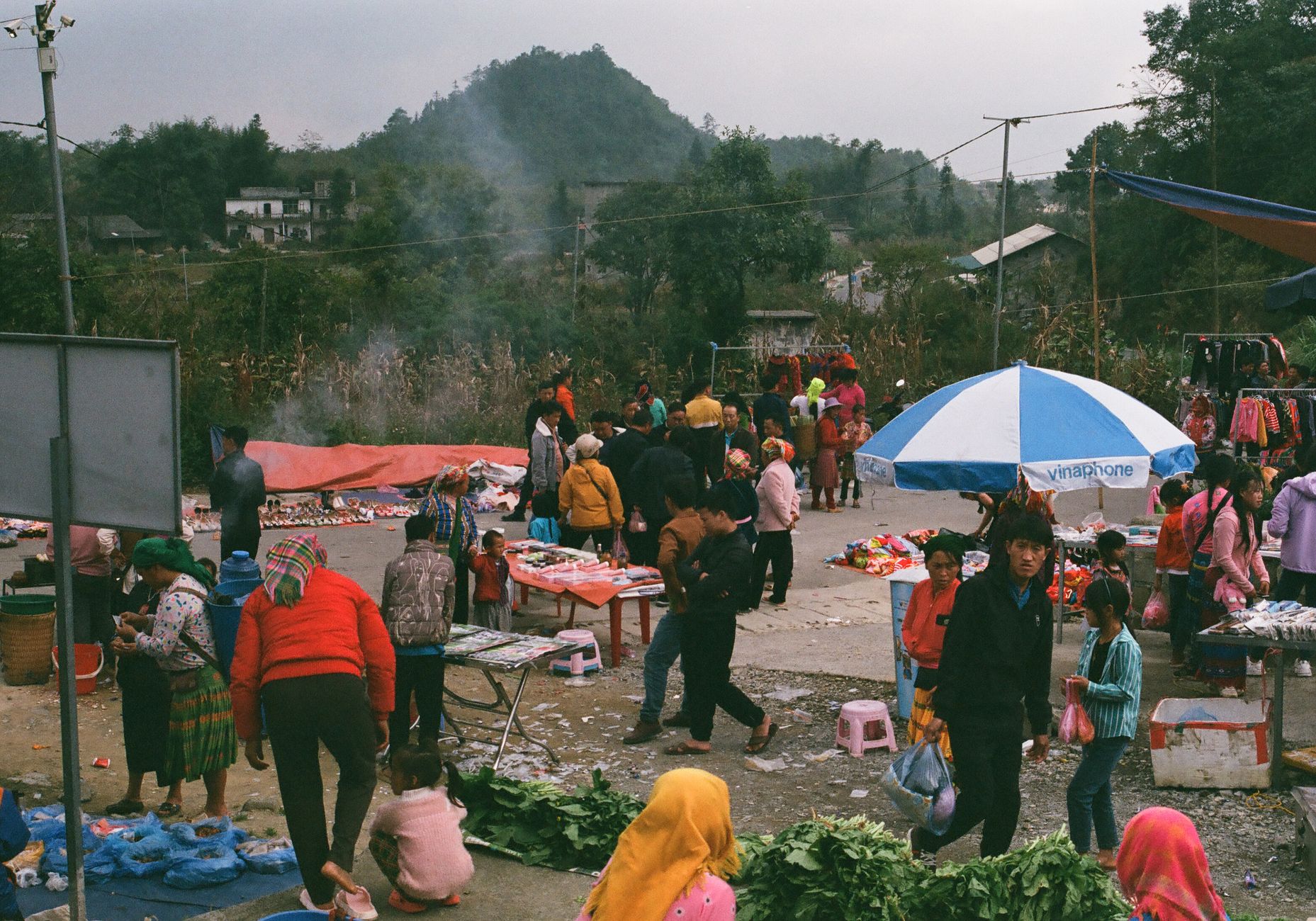
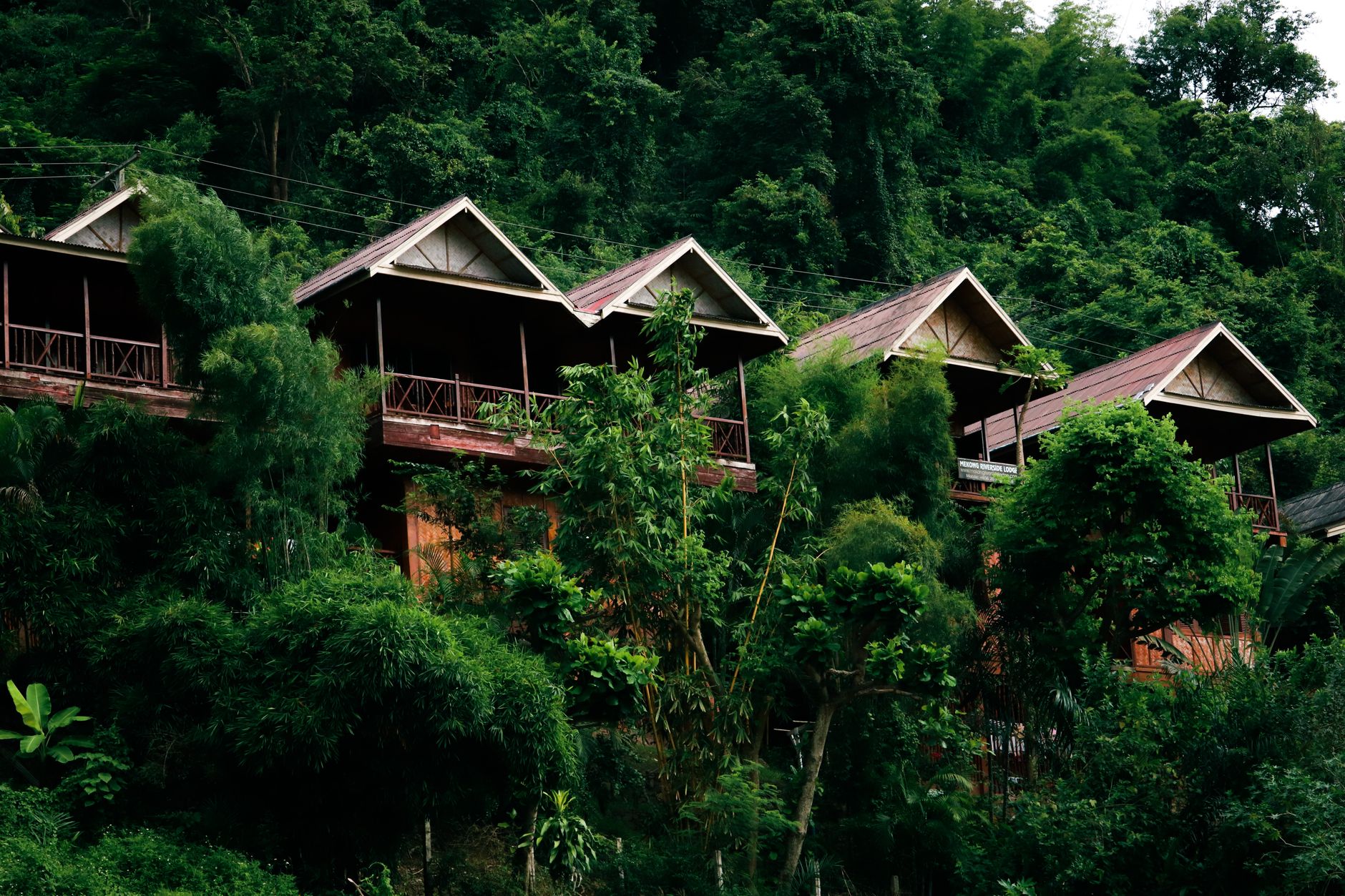
The Nam Ou cuts clean through towering karst limestone, dividing the village into two banks linked by a high Chinese-built concrete bridge. Morning arrives under thick river fog that smells of damp stone and woodsmoke. Nong Khiaw moves slowly: longtail boats thrum at dawn, noodle vendors simmer pork broth, and steep trails lead up to wartime shelters and jagged ridges. It is quiet, honest, and entirely vertical.
Last updated 22 Aug 2026
Build a Nong Khiaw itinerary.
Choose up to 4 threads that pull you in. Your plan arrives organised around them.
The Bed
Where to stay in Nong Khiaw
Which part of town to book, and what each one costs you in walking, noise or quiet.
The Comparison
Nong Khiaw, or somewhere near it
The places you are realistically choosing between, and the honest case for each.
The Local Record
Where to read more about Nong Khiaw
The blogs, boards, guides and operators worth bookmarking.
What to do in Nong Khiaw Northern Laos Laos
Nong Khiaw is split in two by the Nam Ou, with quiet guesthouses on the east bank and local shops along Route 1C on the west. Life here follows the sun and river traffic: climb a karst peak before breakfast, explore limestone shelters by noon, and settle into a riverside stool for minced pork laap and sticky rice by sunset. It rewards anyone who likes sturdy boots, simple comforts, and unhurried northern Lao hospitality.
24 hours in Nong Khiaw Northern Laos Laos
Start at six thirty with the steep ninety-minute climb up Pha Daeng Peak before the heat sets in. Reward your knees with a bowl of noodle soup near the bridge, then take a three-kilometre tuk-tuk to Pha Tok Cave. Finish with grilled river fish and cold beer on an east-bank terrace. Select 1 Day above to see it.
2 days in Nong Khiaw Northern Laos Laos
Take a morning longtail boat an hour upstream to the roadless settlement of Muang Ngoy. Hike past buffalo pastures to Tham Kang Cave, eat a plate of river-herb omelette at a village porch, and catch the mid-afternoon boat back down the Nam Ou for evening noodle broth in Ban Sop Houn. Choose 2 Days to expand the plan.
3 days in Nong Khiaw Northern Laos Laos
A third day allows for the slow trek to Tad Mork Waterfall from Ban Sop Kong, combined with a quiet kayak run back to Nong Khiaw. You can linger at the morning market for smoked fish and wild honey without checking your watch, letting the river pace take full hold.
Nong Khiaw Northern Laos Laos itineraries by interest
River Cooking in Nong Khiaw Northern Laos Laos
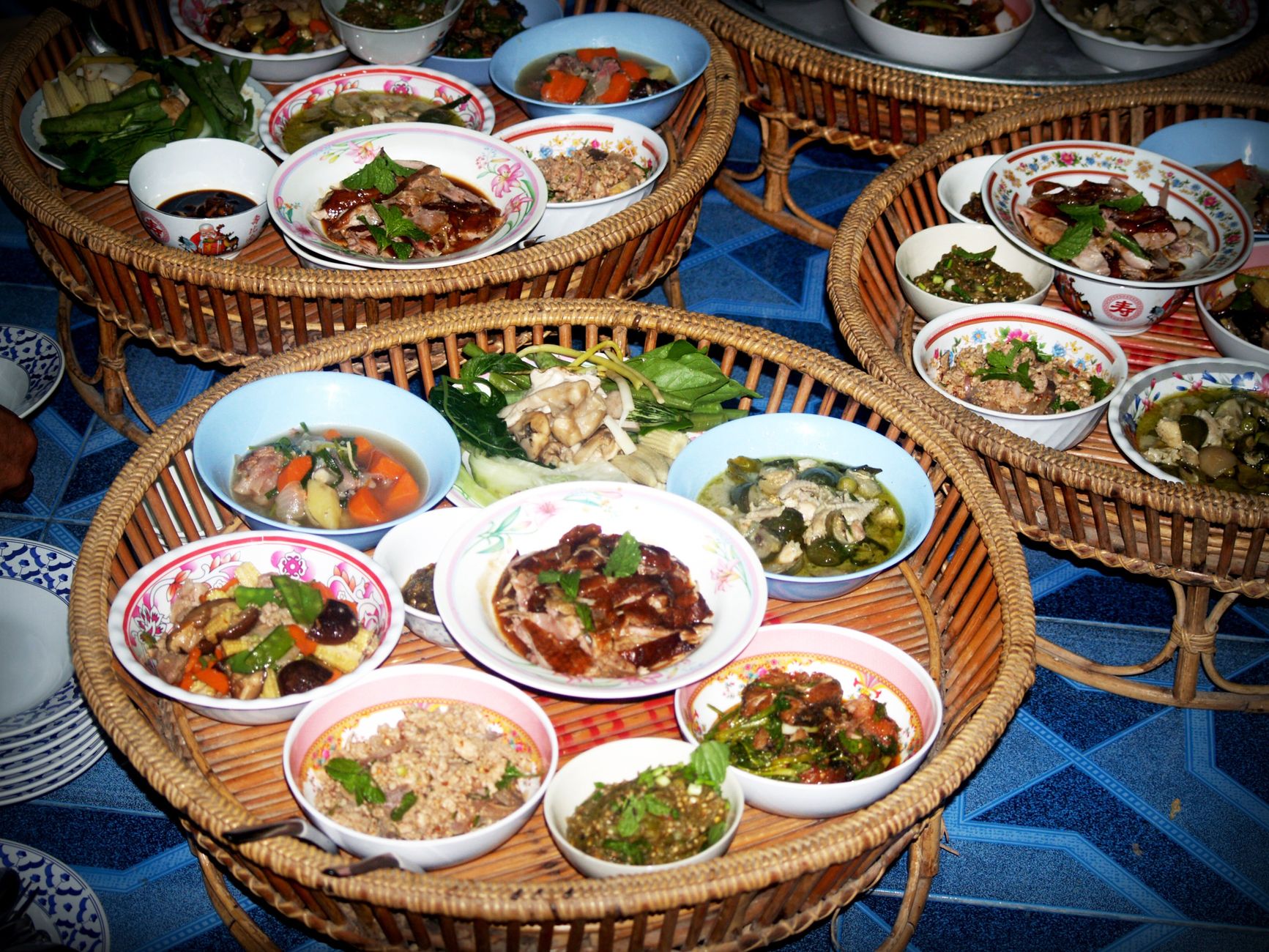
Order pa keng river fish steamed with galangal in banana leaves, or local jeow bong chilli paste served with warm basket-pressed sticky rice and charred river moss.
Mountain Hiking in Nong Khiaw Northern Laos Laos
Tackle the steep scramble up Pha Daeng Peak or Som Nang Viewpoint for limestone panoramas. The clay trails get slick after rain, so start before the sun breaks the mist.
Wartime History in Nong Khiaw Northern Laos Laos
Walk three kilometres east along Route 1C to Pha Tok Cave, a limestone cavern where Pathet Lao leaders and villagers sheltered through secret aerial bombing campaigns.
Boat Journeys in Nong Khiaw Northern Laos Laos
Board wooden longtail boats at the public pier for the forty-minute trip upstream along the Nam Ou to Muang Ngoy, passing sheer cliffs and remote riverbank hamlets.
Village Trails in Nong Khiaw Northern Laos Laos
Cross the Nam Ou bridge to wander Ban Sop Houn and Ban Huay Sen, where weavers work wooden backstrap looms beneath stilted teak houses and dry river grass in the sun.
Morning Markets in Nong Khiaw Northern Laos Laos
Visit the roadside stalls along Route 1C at six in the morning for sour wild bamboo, river weeds, fresh pork offal, and bowls of hot khao soi laced with fermented soybean paste.
Cave Exploration in Nong Khiaw Northern Laos Laos
Take a headlamp into Pha Kuang Cave, crawling through narrow limestone fissures to reach hidden chambers used as bomb shelters during the Second Indochina War.
Riverside Rest in Nong Khiaw Northern Laos Laos
Settle into bamboo terraces along the Nam Ou with a cold Beerlao and dried salted river fish, watching fishermen cast weighted nets into the current as dusk settles.
Waterfalls in Nong Khiaw Northern Laos Laos
Hike through teak plantations to Tad Mork Waterfall near Ban Sop Kong, swimming in cold jungle pools fed by mountain streams before catching a return boat downriver.
Local Craft in Nong Khiaw Northern Laos Laos
Watch Tai Dam and Hmong artisans spin cotton, dye hemp with wild indigo, and weave intricate silk textiles on front-porch looms in the outlying hamlets of the valley.
Kayaking in Nong Khiaw Northern Laos Laos
Paddle sit-on-top kayaks down the Nam Ou from Ban Hat Sao back to the bridge, navigating gentle grade-one rapids while karst cliffs rise vertically from the waterline.
Bicycle Touring in Nong Khiaw Northern Laos Laos
Rent a single-speed bike in town and pedal the quiet paved stretch of Route 1C through farmland toward Muang Hiam, stopping at roadside fruit vendors for pomelo and bananas.