Vientiane.


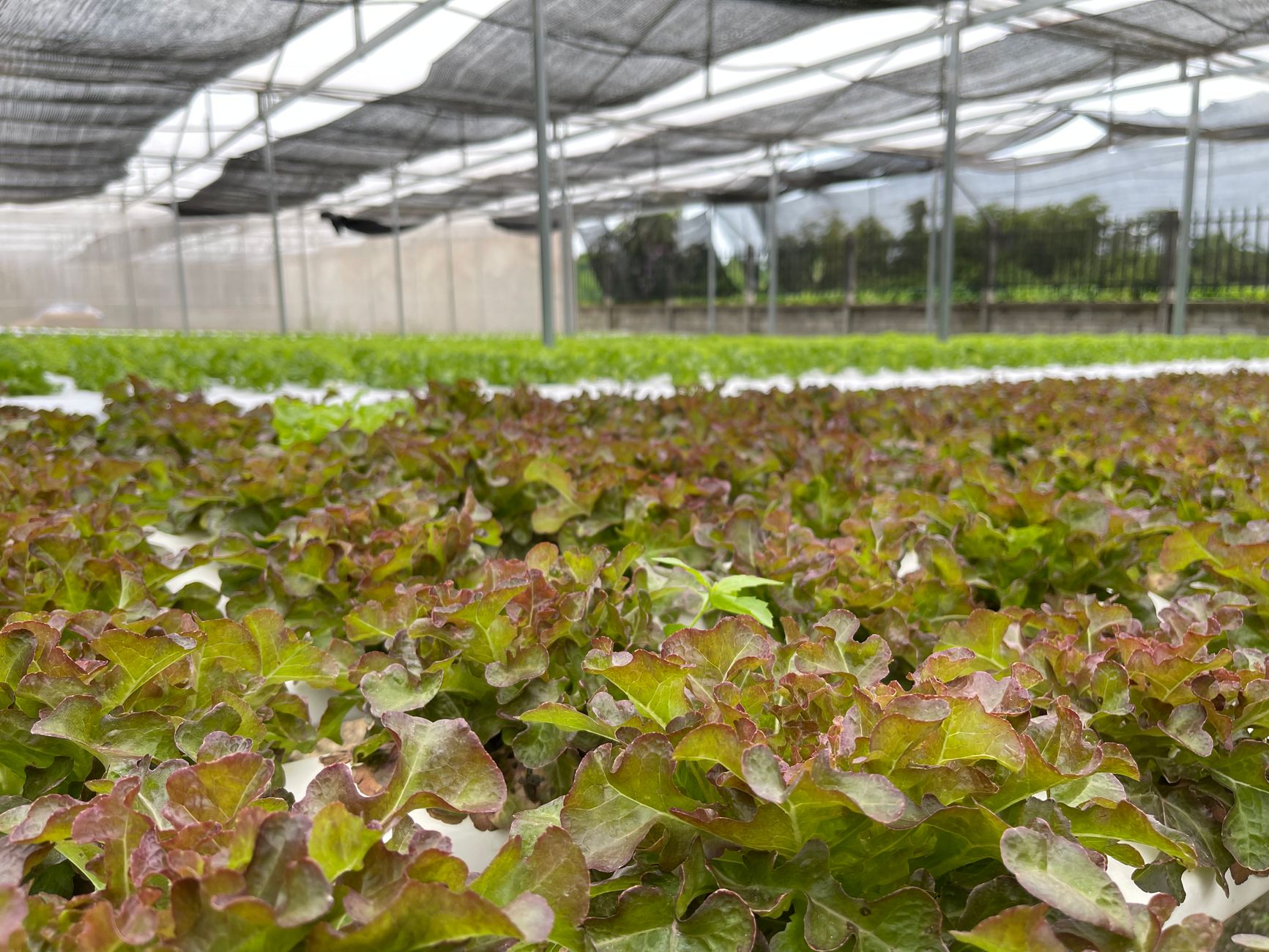
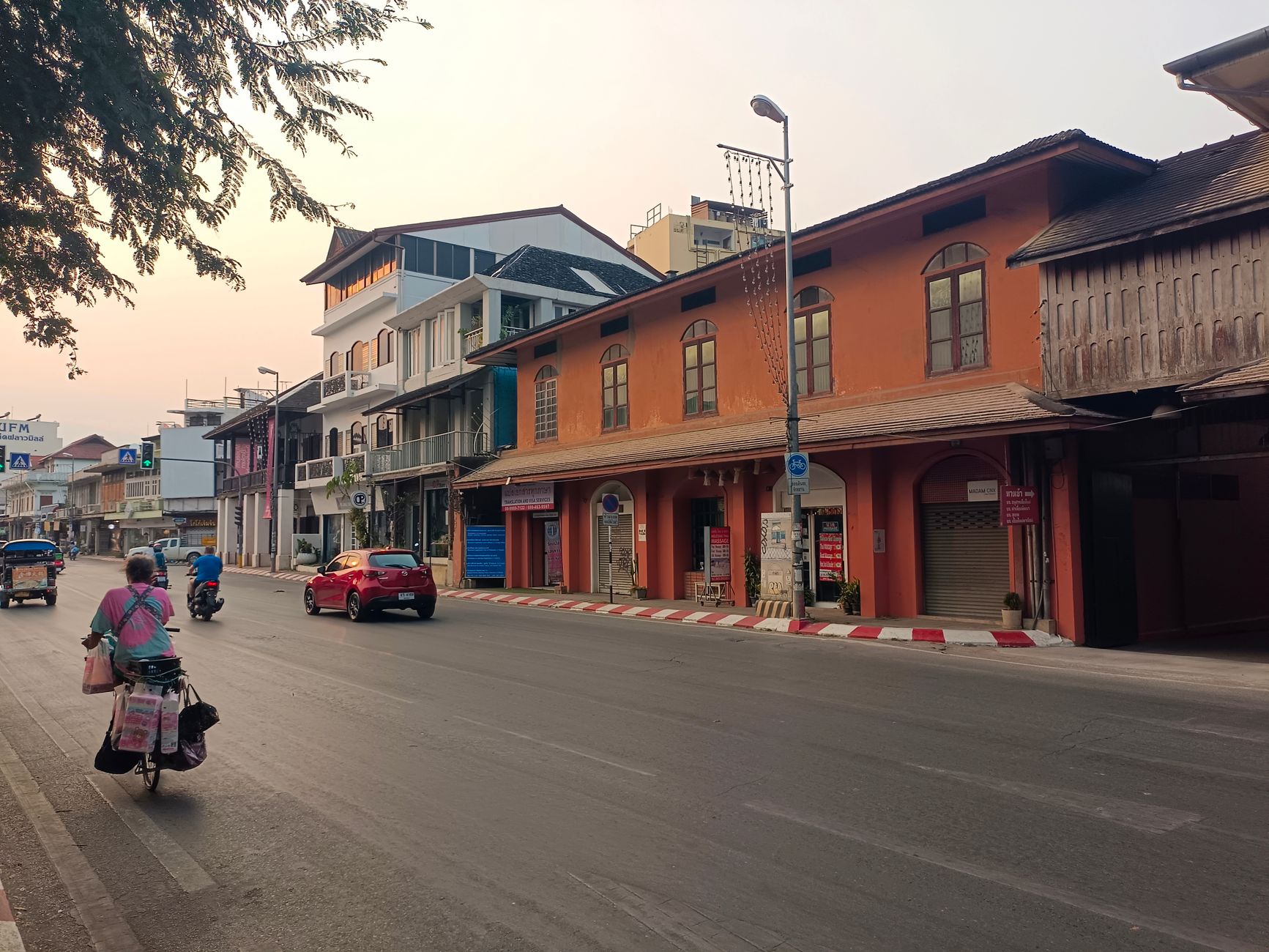
Vientiane unfolds at the speed of a ceiling fan. Sprawled along a wide bend in the brown Mekong, it is a national capital that refuses to rush. You walk wide boulevards laid out during the French protectorate, duck into shaded wats where monks sweep fallen frangipani blossoms, and end every afternoon with cold Beerlao and charcoal-grilled tilapia beside the riverbank. It lacks the tourist frenzy of Luang Prabang, rewarding those willing to slow down, rent a squeaky single-speed bicycle, and eat well.
Last updated 22 Aug 2026
Build a Vientiane itinerary.
Choose up to 4 threads that pull you in. Your plan arrives organised around them.
The Bed
Where to stay in Vientiane
Which part of town to book, and what each one costs you in walking, noise or quiet.
The Comparison
Vientiane, or somewhere near it
The places you are realistically choosing between, and the honest case for each.
The Local Record
Where to read more about Vientiane
The blogs, boards, guides and operators worth bookmarking.
What to do in Vientiane Central Laos Laos
Vientiane is compact and flat, making it ideal for exploring by bicycle or on foot between Wat Si Saket and the riverside promenade. Days follow a gentle rhythm dictated by heat and hunger: early morning market visits and temple walks, a quiet midday break in a shaded cafe, and lively sunset gatherings along the Mekong. It suits travellers who appreciate unhurried provincial charm and bold regional cuisine.
24 hours in Vientiane Central Laos Laos
Start at 08:00 with fresh khao jee baguettes and strong coffee on Rue Setthathirath before touring golden Pha That Luang. Grab a lunch bowl of khao piak sen noodles nearby. Spend late afternoon climbing Patuxai for panoramic views, then settle at the Chao Anouvong riverfront for sunset and salt-crusted grilled fish. Select 1 Day above to see it.
2 days in Vientiane Central Laos Laos
A second day lets you hire a tuk-tuk twenty-five kilometres east to the surreal concrete figures of Buddha Park. Head back to visit the COPE Visitor Centre, then explore the quiet lanes of Ban Anou. For dinner, sit down for duck laap and spicy papaya salad at a traditional open-air restaurant on Rue Hengboun. Choose 2 Days to expand the plan.
3 days in Vientiane Central Laos Laos
Three days allows for an effortless side trip on the high-speed railway to Vang Vieng's dramatic limestone peaks, or a slow morning browsing silk weavers along Nongbone Road. Finish with an unhurried herbal sauna and massage at Wat Sok Pa Luang, followed by cold Beerlao beside the Mekong as twilight sets in.
Vientiane Central Laos Laos itineraries by interest
Sacred Architecture in Vientiane Central Laos Laos
Pha That Luang gleams gold under the midday sun, while Wat Si Saket shelters over two thousand ceramic and silver Buddha figurines in its quiet cloistered galleries on Lan Xang Avenue.
Street Food in Vientiane Central Laos Laos
Smoke rises along the riverside night market where cooks grill whole tilapia crusted in rock salt, ladle spicy khao piak sen noodle soup, and mortar fresh tam mak hoong papaya salads with fermented fish sauce.
Coffee Culture in Vientiane Central Laos Laos
Sip dark robusta grown on the Bolaven Plateau, brewed through cloth filters and served over sweetened condensed milk with fried pa thong ko dough sticks at old wooden shophouse counters along Rue Setthathirath.
Colonial Heritage in Vientiane Central Laos Laos
Wander Rue Hengboun and the riverfront to see shuttered French villas, the presidential palace grounds, and Patuxai, the 1960s concrete monument offering open city views from its upper terrace.
Craft Traditions in Vientiane Central Laos Laos
Visit Carol Cassidy Lao Textiles or small silk workshops off Nongbone Road to see weavers operate traditional wooden floor looms, turning raw mulberry silk into intricate ceremonial sinh skirts.
Markets & Produce in Vientiane Central Laos Laos
Talat Sao morning market offers sticky rice baskets, pungent fermented padek paste, galangal, fresh river herbs, and stalls piled high with seasonal longans and mangosteens from dawn until noon.
River Walks in Vientiane Central Laos Laos
Stroll the paved promenade along the Mekong at Chao Anouvong Park as Thailand blinks on the opposite bank, aerated by evening breezes, casual joggers, and pop-up riverside beer tables.
Local History in Vientiane Central Laos Laos
The Lao National Museum and the COPE Visitor Centre detail twentieth-century conflicts, unexploded ordnance clearance, and the resilient recovery of rural Lao communities through clear exhibits.
Baking Traditions in Vientiane Central Laos Laos
French baking roots linger in fresh morning khao jee baguettes split for pate and pickles, crisp pain au chocolat, and butter croissants served at Le Banneton near Wat Mixay.
Sculpture Parks in Vientiane Central Laos Laos
Twenty-five kilometres east of town sits Xieng Khuan, also known as Buddha Park, filled with over two hundred eccentric concrete statues of deities, demons, and a massive reclining Buddha built in 1958.
Day Trips in Vientiane Central Laos Laos
Board the train at Vientiane Station for a swift forty-five minute ride to Vang Vieng to explore limestone karst mountains, Tham Chang cave, and the turquoise waters of the Nam Song River.
Evening Dining in Vientiane Central Laos Laos
Sit beneath tamarind trees along Quai Fa Ngum for minced pork laap spiked with mint and toasted rice powder, accompanied by bamboo baskets of steaming khao niao and chilled glasses of Beerlao.