


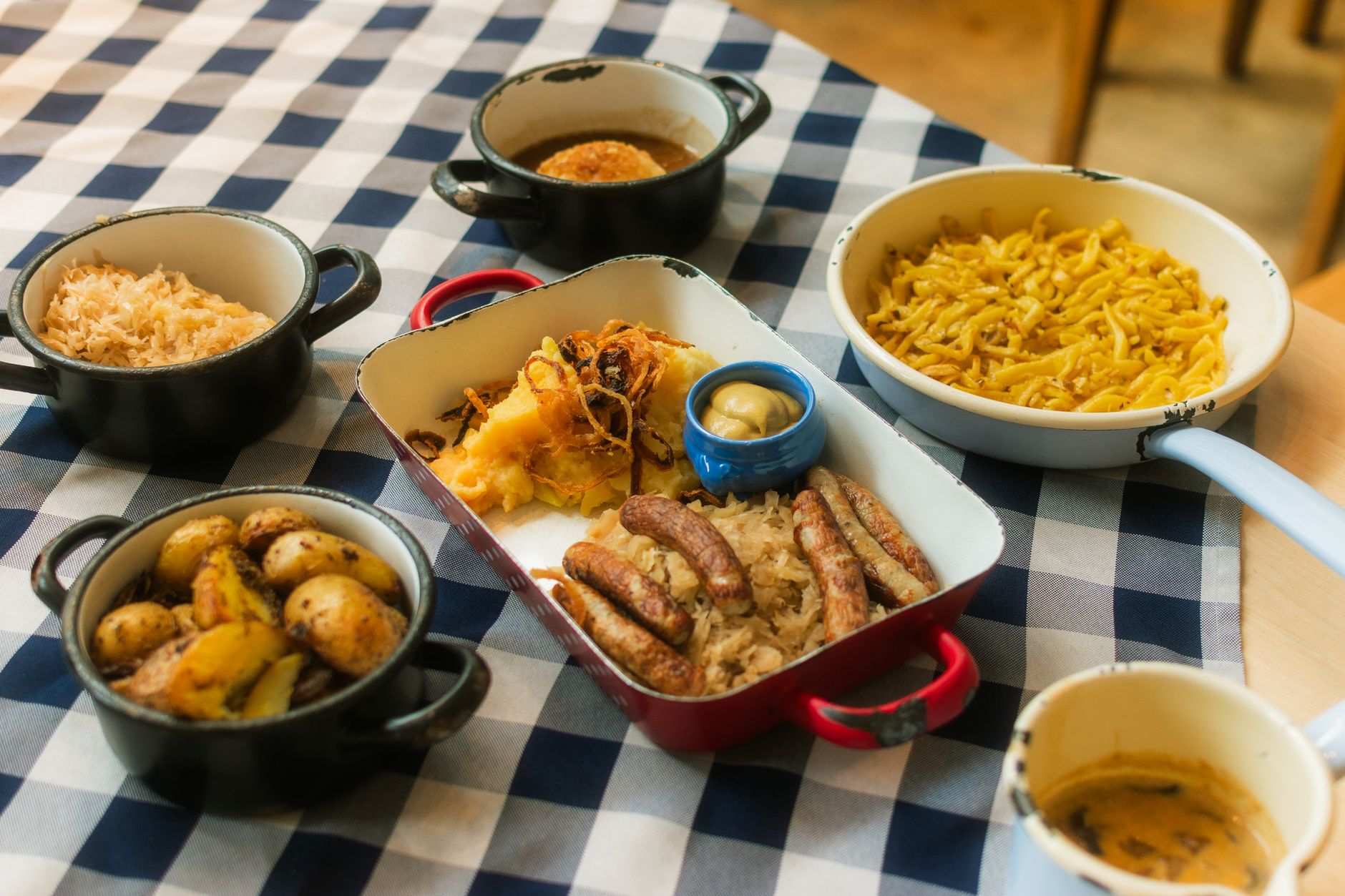

Nürnberg sits one hour north of Munich by high-speed train, known across Franconia for medieval sandstone ramparts, wood-fired Rostbratwurst, and twentieth-century courtroom history. The Pegnitz river splits an old town reconstructed with care after wartime bombing. Nürnberg is worth visiting if you want frank historical reckonings, wood-smoked bratwurst by the dozen, and medieval stone streets walked at an easy pace. Look elsewhere if you want high-altitude alpine trails, seaside breezes, or late-night clubbing districts.
Last updated 1 Nov 2026
Build a Nürnberg itinerary.
Choose up to 4 threads that pull you in. Your plan arrives organised around them.
The Bed
Where to stay in Nürnberg
Which part of town to book, and what each one costs you in walking, noise or quiet.
The Comparison
Nürnberg, or somewhere near it
The places you are realistically choosing between, and the honest case for each.
The Local Record
Where to read more about Nürnberg
The blogs, boards, guides and operators worth bookmarking.
What to do in Nürnberg Bavaria Germany
Nürnberg is shaped by the Pegnitz river and divided into distinct northern and southern medieval quarters beneath the Imperial Castle. Daily life centres on quiet sandstone alleys, open-air market stalls in the Hauptmarkt, and rustic beer taverns. It suits travellers who appreciate unhurried walking, sober twentieth-century historical inquiry, and honest Franconian cooking served without fuss on heavy pewter ware.
24 hours in Nürnberg Bavaria Germany
Start early at the Kaiserburg ramparts before the tour crowds gather. Walk downhill to Albrecht Dürer Haus, then cross the river for a lunch of six Rostbratwurst with kraut on the Albrecht-Dürer-Platz. Spend your afternoon in the Palace of Justice at Courtroom 600, wrapping up with a glass of copper-red Rotbier in the old town. Select 1 Day above to see it.
2 days in Nürnberg Bavaria Germany
Spend morning two at the Nazi Party Rally Grounds documentation centre along the Dutzendteich lake. Take the tram back into town to explore the bohemian streets of Gostenhof, lingering over filter coffee. In the evening, tour the rock-cut beer vaults beneath the castle before a dinner of crispy pork shoulder, Schäufele, with potato dumplings. Choose 2 Days to expand the plan.
3 days in Nürnberg Bavaria Germany
A third day allows an easy morning train to Bamberg for smoked beer and canal views, or a slower afternoon in Nürnberg hunting for genuine Elisenlebkuchen along the Pegnitz. Wander the quiet trails of the city moat walls or visit the Germanisches Nationalmuseum without checking the clock.
Nürnberg Bavaria Germany itineraries by interest
Local Sausages in Nürnberg Bavaria Germany
Order Rostbratwurst grilled over open beechwood fires at Zum Guldenen Stern, served on pewter plates with fresh horseradish and sauerkraut.
Modern History in Nürnberg Bavaria Germany
Stand inside Courtroom 600 at the Palace of Justice and walk the unfinished megalomania of the Nazi Party Rally Grounds documentation centre.
Historic Fortifications in Nürnberg Bavaria Germany
Climb the sandstone ramparts of the Kaiserburg for sweeping views over red-tiled roofs, then inspect the deep well and Romanesque chapel.
Brewing Heritage in Nürnberg Bavaria Germany
Descend into the rock-cut Felsengänge cellars before drinking Franconian Rotbier drawn fresh from the barrel at Hausbrauerei Altstadthof.
Renaissance Art in Nürnberg Bavaria Germany
Visit Albrecht Dürer's timber-framed house beneath the castle walls to see original printmaking presses and sixteenth-century woodcuts.
Sacred Architecture in Nürnberg Bavaria Germany
Study the delicate stone carving of the St. Lorenz tabernacle and the massive late-Gothic choir inside the twin-towered St. Sebaldus church.
Historic Markets in Nürnberg Bavaria Germany
Browse the cobblestones of the Hauptmarkt for gingerbread spices, regional fruit, and the mechanical clock show at the Frauenkirche.
Local Baking in Nürnberg Bavaria Germany
Sample soft, nut-dense Elisenlebkuchen baked without flour at traditional workshops like Fraunholz, glazed in dark chocolate or sugar.
Toy Heritage in Nürnberg Bavaria Germany
Explore four centuries of craftsmanship at the Spielzeugmuseum, from intricate tin soldiers and wooden dolls to modern scale models.
Subterranean Tours in Nürnberg Bavaria Germany
Navigate the medieval water conduits and sandstone beer vaults carved deep beneath the Altstadt streets during the fourteenth century.
Neighbourhood Strolls in Nürnberg Bavaria Germany
Wander Gostenhof for indie roasters, record shops, and leafy courtyards away from the tour bus routes along the central riverbanks.
Regional Day Trips in Nürnberg Bavaria Germany
Take a 45-minute regional train to Bamberg to drink rauchbier among canal-side fishermen houses and Romanesque cathedral spires.