Oslo.


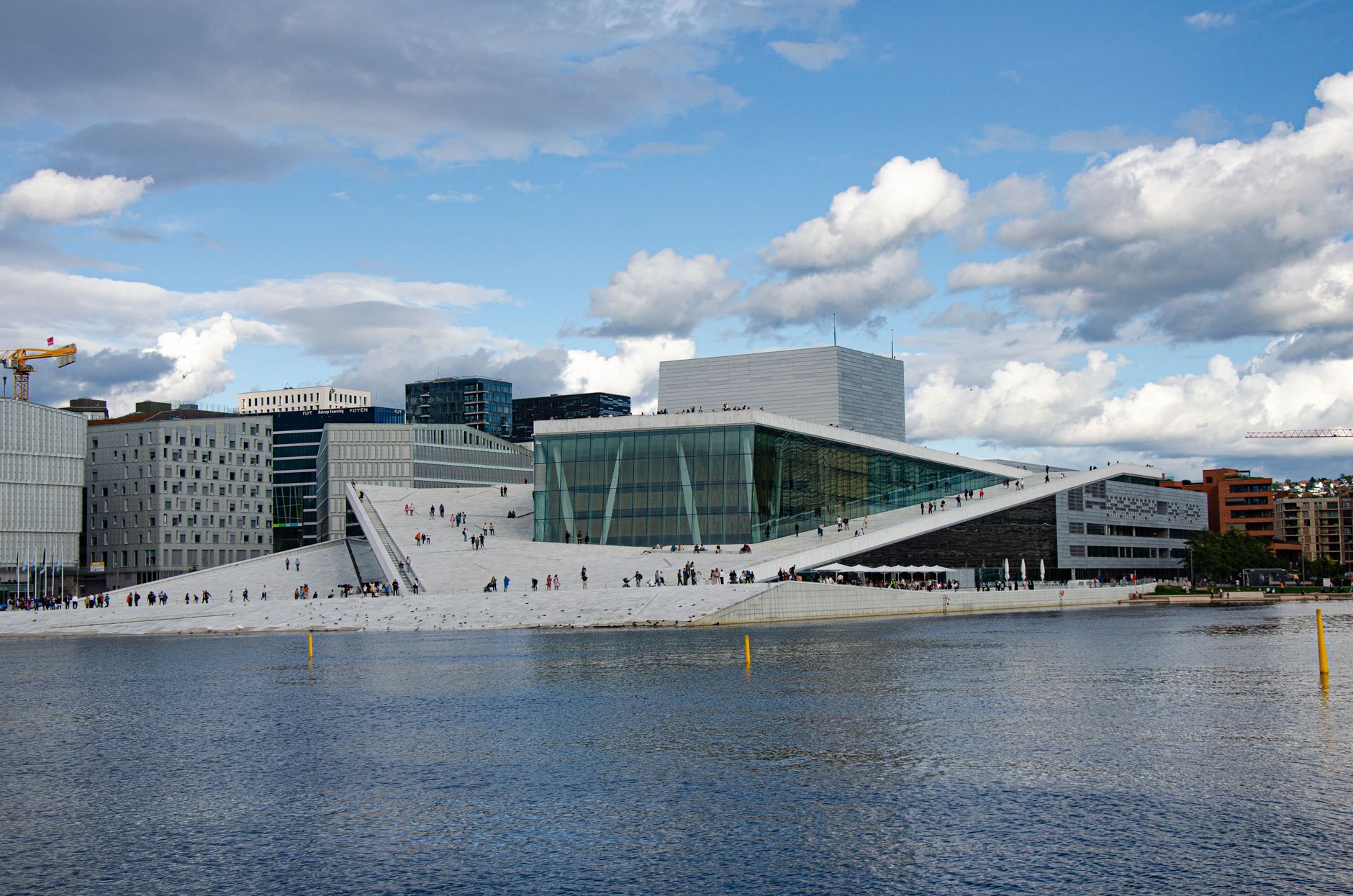


Salt air cuts across the stone quays of Pipervika while electric ferries slide silently toward the islands. Oslo sits pinned between dark pine forests and the cold mouth of the fjord, built with honest granite and severe Scandinavian glass. You walk everywhere here; wide pavements lead from Munch's brooding canvases at Bjørvika to wood-fired saunas steaming on the water. It is clean, expensive, and quietly confident.
Last updated 2 Sept 2026
Build a Oslo itinerary.
Choose up to 4 threads that pull you in. Your plan arrives organised around them.
The Bed
Where to stay in Oslo
Which part of town to book, and what each one costs you in walking, noise or quiet.
The Comparison
Oslo, or somewhere near it
The places you are realistically choosing between, and the honest case for each.
The Local Record
Where to read more about Oslo
The blogs, boards, guides and operators worth bookmarking.
What to do in Oslo Eastern Norway Norway
The city stretches naturally from the deep blue of the fjord to the spruce-covered Nordmarka hills. Life centres on the open quays, easy ferry rides, and quiet neighbourhood bistros. It suits travellers who appreciate calm efficiency, clean design, and long walks that end in a hot sauna. You will spend very little time in traffic and a great deal of time looking out over cold water with exceptional filter coffee in hand.
24 hours in Oslo Eastern Norway Norway
Start by walking the sloped marble roof of the Opera House before heading into the Munch Museum. Catch a tram to Grünerløkka for an afternoon pour-over coffee, then spend the evening peeling fresh fjord prawns on the pier or dining on reindeer at Engebret Café. Central sights sit within a twenty-minute radius. Select 1 Day above to see it.
2 days in Oslo Eastern Norway Norway
Day two belongs across the water on Bygdøy. Take the ten-minute ferry to explore polar history at Fram, then head back for an afternoon dip and a floating sauna at Kok. Finish with smoked mackerel, flatbread, and cold pilsner in the brick courtyards of Torggata, where the city feels young and unbothered. Choose 2 Days to expand the plan.
3 days in Oslo Eastern Norway Norway
Take the number 1 metro line north to Frognerseteren. Hike the wooded trails through Nordmarka down to the shores of Sognsvann lake, stopping for warm waffles and brown cheese. Spend your final afternoon taking the local commuter ferry out to Hovedøya and Bleikøya to see the painted summer cottages.
Oslo Eastern Norway Norway itineraries by interest
Local Seafood in Oslo Eastern Norway Norway
Peel boiled cold-water prawns fresh from fishing boats at Rådhusbrygge 3 or order poached cod liver and Arctic char at traditional seafood houses.
Modern Art in Oslo Eastern Norway Norway
Examine Edvard Munch’s monumental canvases at the Bjørvika waterfront tower and explore the sleek Astrup Fearnley pavilion designed by Renzo Piano.
Sauna Culture in Oslo Eastern Norway Norway
Book a ninety-minute floating timber sauna session at Kok or Salt, then drop straight into the frigid salt water of the inner Oslofjord.
Coffee Culture in Oslo Eastern Norway Norway
Taste light-roast single-origin pour-overs at Tim Wendelboe in Grünerløkka, where Nordic roasting technique was practically defined.
Maritime History in Oslo Eastern Norway Norway
Board the preserved polar exploration vessel Fram on the Bygdøy peninsula and view 9th-century timber craftsmanship nearby.
Nordic Cuisine in Oslo Eastern Norway Norway
Try reindeer stew with lingonberries at Engebret Café, the city’s oldest restaurant, or contemporary tasting menus featuring fermented plums.
Architecture & Design in Oslo Eastern Norway Norway
Walk the sloping marble roof of Snøhetta’s Opera House and examine the crisp lines of the wooden libraries and Barcode towers.
Public Parks in Oslo Eastern Norway Norway
Wander the granite pathways of Frogner Park among 212 of Gustav Vigeland’s expressive bronze sculptures cast in the early 20th century.
Island Ferries in Oslo Eastern Norway Norway
Tap your standard Ruter public transit card to hop between Hovedøya’s Cistercian monastery ruins and the painted cabins of Lindøya.
Forest Hiking in Oslo Eastern Norway Norway
Ride the number 1 metro line up into the Nordmarka hills to hike quiet dirt trails through spruce woods down toward Sognsvann lake.
Street Food & Markets in Oslo Eastern Norway Norway
Browse Mathallen in Vulkan for brown goat cheese, moose sausage, and cured herring before grabbing hot waffles with sour cream.
City Walks in Oslo Eastern Norway Norway
Follow the Akerselva river path past old brick textile mills, waterfalls, and shaded footbridges stretching up to Nydalen.