

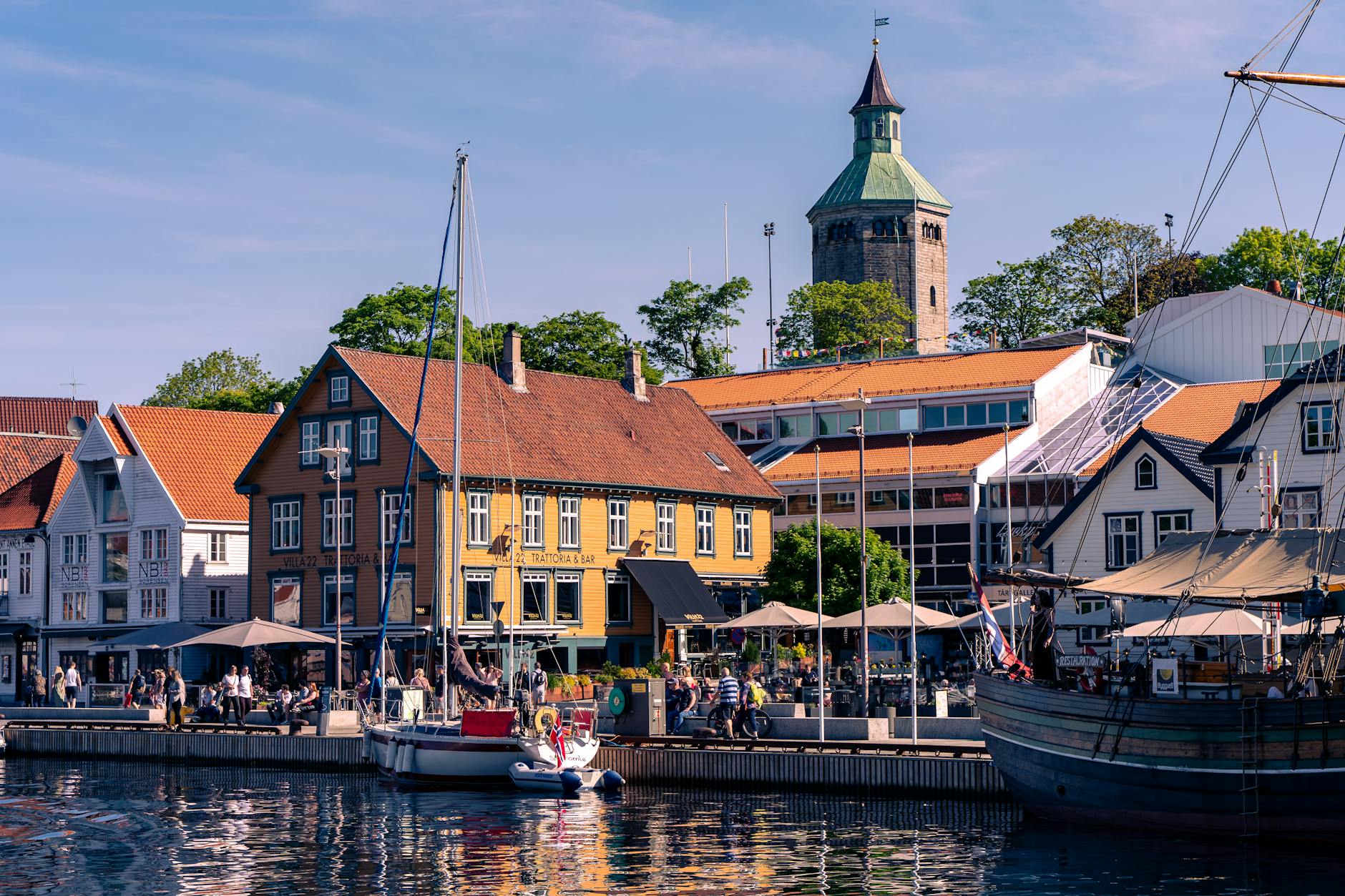
Stavanger sits on the southwest coast of Norway, an eight-hour train ride from Oslo or a direct 40-minute bus from Sola airport. Long defined by herring canning and North Sea petroleum, the town is built around a working harbour flanked by preserved 18th-century white wooden cottages and sharp modern dining rooms. Stavanger is worth visiting if you want cold-water shellfish straight off the boat and granite hiking trails along the Lysefjord without the cruise-ship timetable. Look elsewhere if you want budget-friendly dining, reliably dry weather, warm swimming beaches, or a late-night club scene.
Last updated 9 Sept 2026
Build a Stavanger itinerary.
Choose up to 4 threads that pull you in. Your plan arrives organised around them.
The Bed
Where to stay in Stavanger
Which part of town to book, and what each one costs you in walking, noise or quiet.
The Comparison
Stavanger, or somewhere near it
The places you are realistically choosing between, and the honest case for each.
The Local Record
Where to read more about Stavanger
The blogs, boards, guides and operators worth bookmarking.
What to do in Stavanger Rogaland Norway
Stavanger is compact and navigable on foot, anchored by the central inlet of Vågen where fishing boats dock alongside stone quays. To the west sit the neat timber lanes of Gamle Stavanger; to the east lies Storhaug with its breweries and coffee bars. Days revolve around weather windows, quiet mornings on the cobblestones, and evening tables serving North Sea fish. It suits walkers and independent travellers who appreciate good cooking and cold saltwater air.
24 hours in Stavanger Rogaland Norway
Spend morning walking the 18th-century timber lanes of Gamle Stavanger and the 12th-century cathedral. Grab warm fish cakes at Fisketorget on the harbour for lunch. In the afternoon, browse Øvre Holmegate and tour the Petroleum Museum before a dinner of boiled crab claws and local cider on Skagenkaien. Everything sits within a fifteen-minute stroll. Select 1 Day above to see it.
2 days in Stavanger Rogaland Norway
A second day lets you hire a car or catch the local bus south to the sandy dunes of Jæren at Borestrand, watching the North Sea rollers. Head back through the countryside for lunch of Rogaland lamb at a farm shop, then spend your evening sampling smoked herring and sour ale in the former cannery district of Storhaug. Choose 2 Days to expand the plan.
3 days in Stavanger Rogaland Norway
With three days, take the early morning ferry deep into the Lysefjord to hike the granite plateau of Preikestolen before the midday tour boats dock. Spend your final afternoon taking the quiet commuter launch to the green island of Lindøy for a peaceful picnic among pine woods overlooking the open sound.
Stavanger Rogaland Norway itineraries by interest
Local Seafood in Stavanger Rogaland Norway
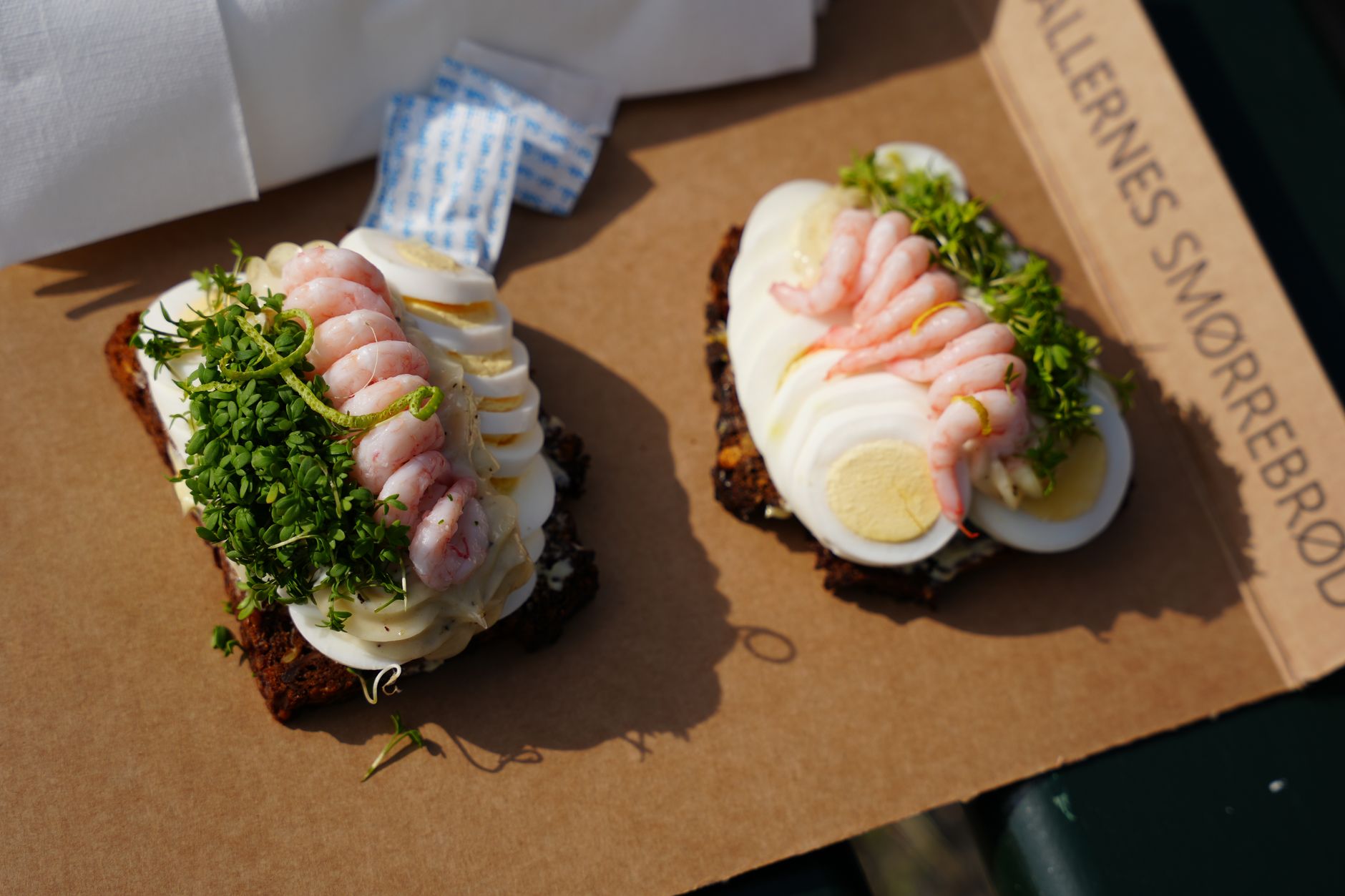
North Sea brown crab, boiled langoustines with mayonnaise, and butter-poached cod served at harbour tables along Vågen and Skagenkaien.
Maritime History in Stavanger Rogaland Norway
The old canning factory at IDDIS in Gamle Stavanger shows how herring was smoked, packed into tins, and shipped across the globe.
Coastal Walks in Stavanger Rogaland Norway
Follow the coastal path at Tungenes Lighthouse on the northern tip of Jæren, where grey waves break over bare gneiss rock.
Hiking in Stavanger Rogaland Norway
Catch the morning electric express ferry across Lysefjord to scale the flat granite ledge of Preikestolen before the afternoon crowds.
Sacred Architecture in Stavanger Rogaland Norway
Stavanger Cathedral, founded in the 1120s by Anglo-Norman masons, displays heavy Romanesque stone arches and a baroque wooden pulpit.
Modern Art in Stavanger Rogaland Norway
Large-scale Nuart murals wrap around concrete grain silos and timber alleys across eastern Storhaug, turning warehouse walls into galleries.
Urban Neighbourhoods in Stavanger Rogaland Norway
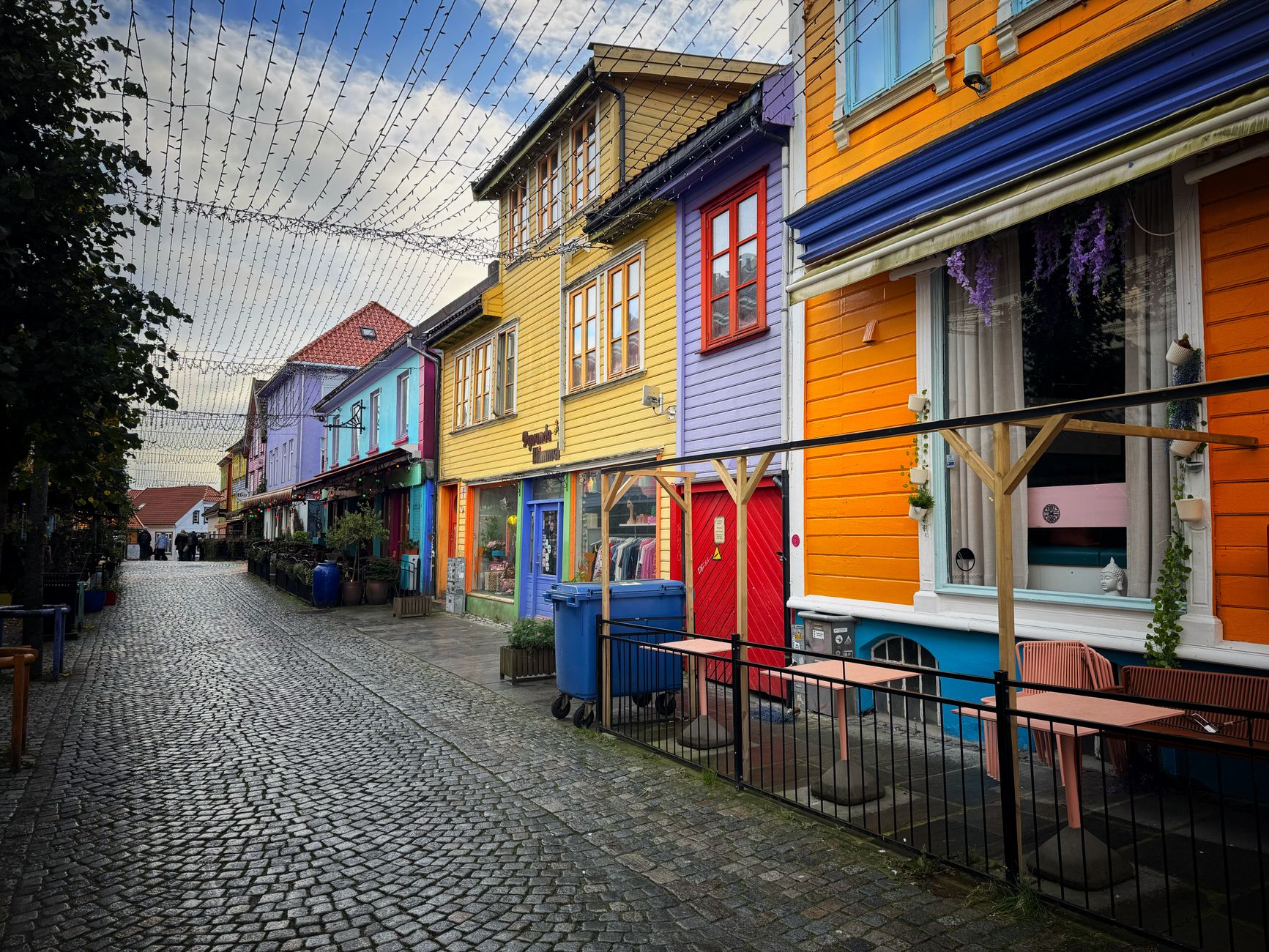
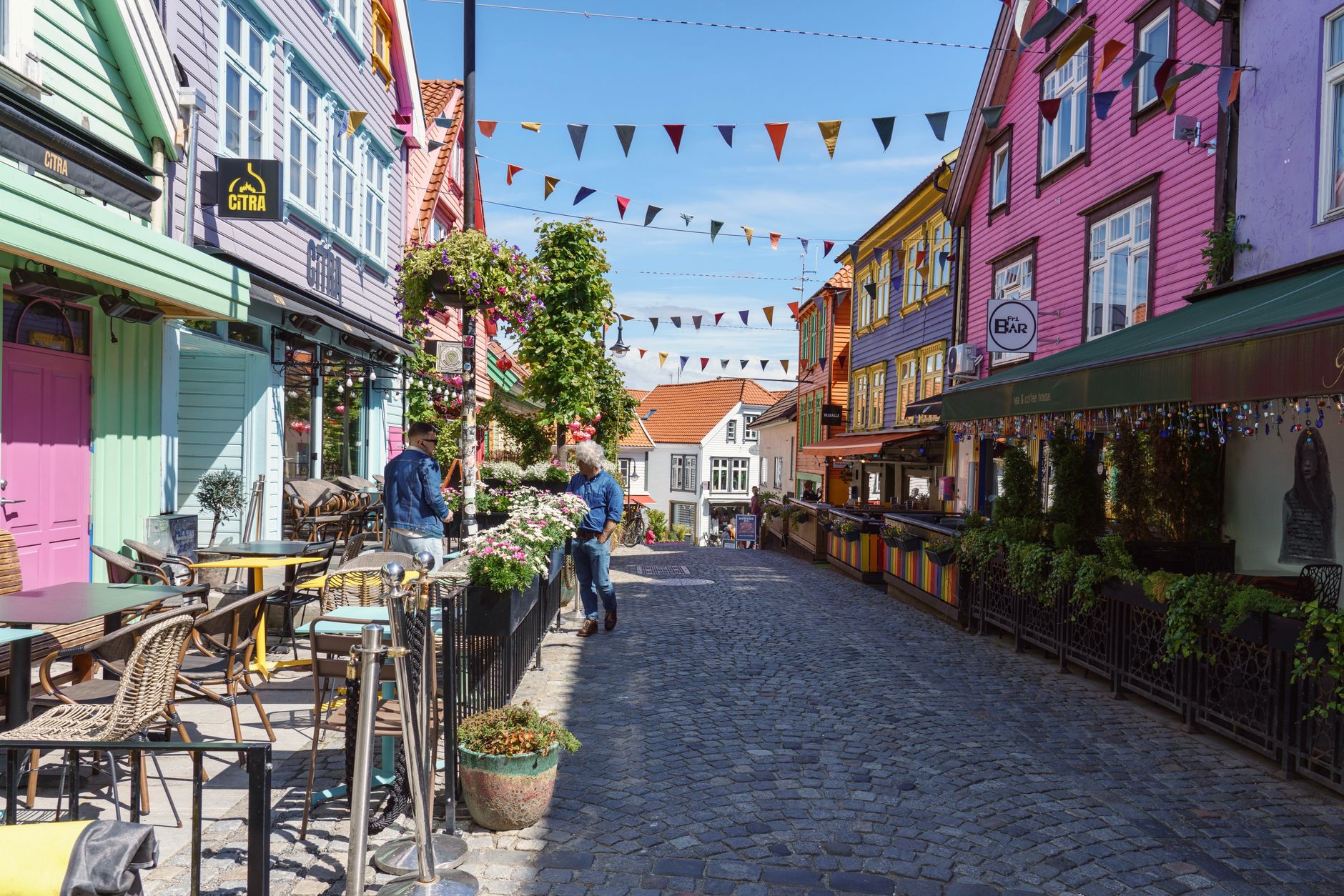
Gamle Stavanger holds over 170 whitewashed wooden cottages, while colourful Øvre Holmegate buzzes with independent roasters and bookshops.
Beaches in Stavanger Rogaland Norway
Sola Strand and Borestrand offer wide sweeps of pale dunes, cold North Sea surf, and World War II concrete coastal fortifications.
Industrial Heritage in Stavanger Rogaland Norway
The Norwegian Petroleum Museum looks like an offshore oil rig on the quayside, detailing drill heads, diving gear, and shelf geology.
Markets & Produce in Stavanger Rogaland Norway
Jæren flatlands supply heirloom root vegetables, unpasteurised cheeses, salted butter, and lamb pastured on salty coastal grasslands.
Day Trips in Stavanger Rogaland Norway
Ride the commuter ferry out to the car-free island of Lindøy or cruise past the steep rock face of Kjerag in the upper Lysefjord.
Craft Traditions in Stavanger Rogaland Norway
Pick up cardamom buns and seeded rye bread from Kanelsnurren or sour loaves at Renaa Xpress before heading down to the dock benches.