Plovdiv.


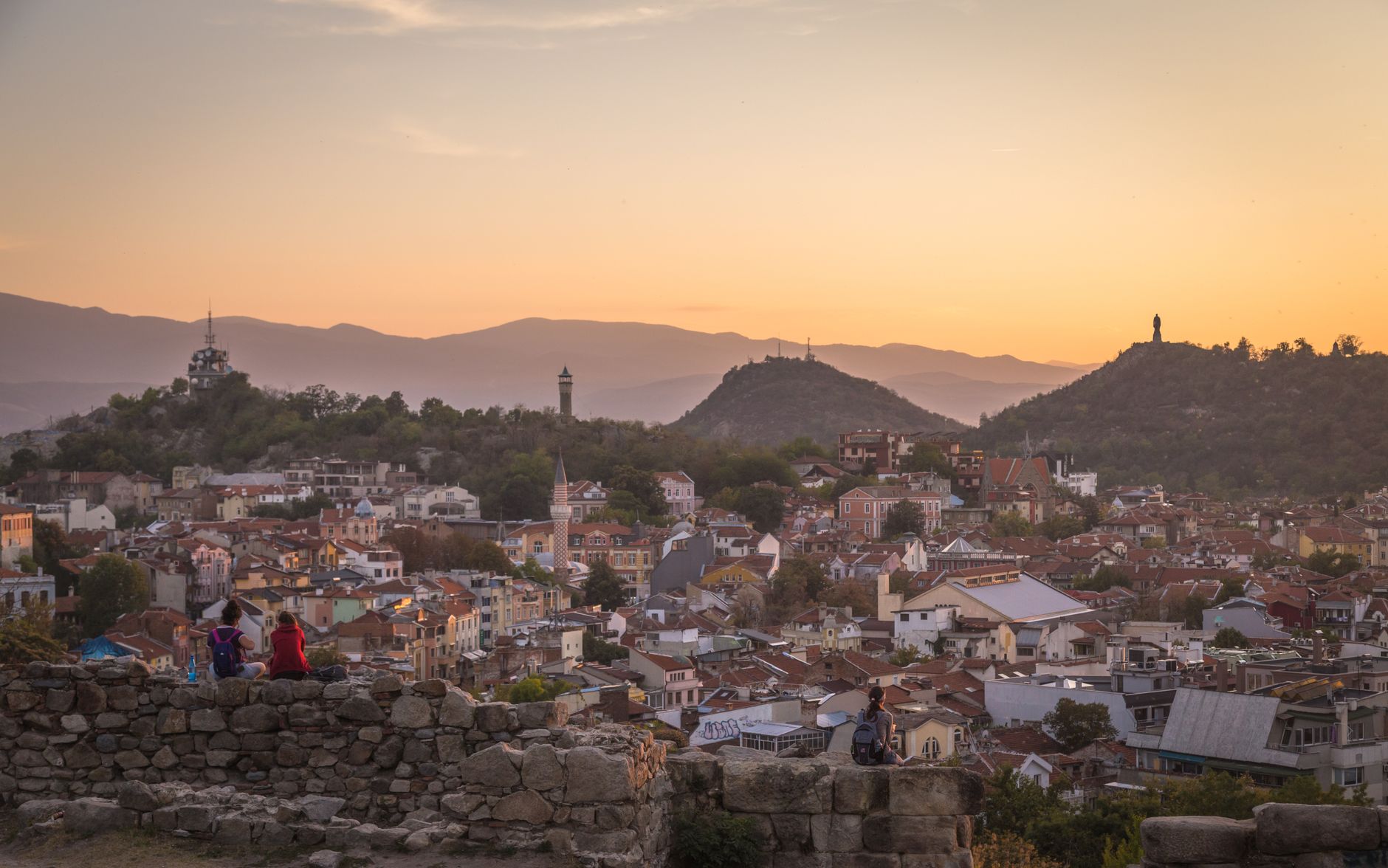
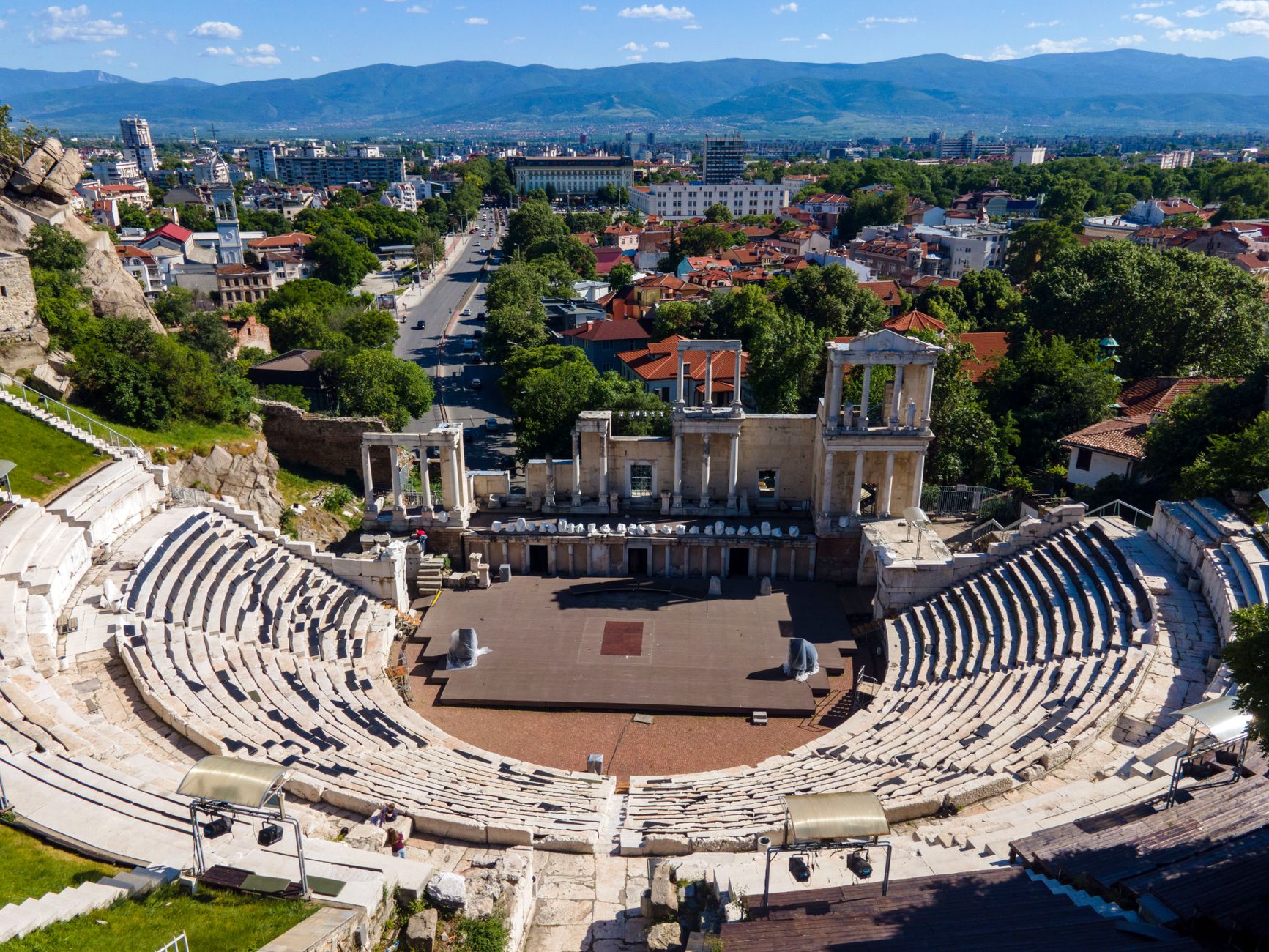

Six steep syenite hills rise abruptly from the flat expanse of the Thracian Plain, carrying eight thousand years of human clutter on their backs. The cobblestones on Nebet Tepe will test your ankles and your dignity, but the reward is a Roman amphitheatre carved right into the rock face and painted timber mansions overhanging the alleys. Down below, old men sip espresso beside the mosque while Kapana trades in craft beer.
Last updated 1 Sept 2026
Build a Plovdiv itinerary.
Choose up to 4 threads that pull you in. Your plan arrives organised around them.
The Bed
Where to stay in Plovdiv
Which part of town to book, and what each one costs you in walking, noise or quiet.
The Comparison
Plovdiv, or somewhere near it
The places you are realistically choosing between, and the honest case for each.
The Local Record
Where to read more about Plovdiv
The blogs, boards, guides and operators worth bookmarking.
What to do in Plovdiv Thracian Plain Bulgaria
Plovdiv settles naturally into two speeds. Mornings belong to the quiet, uneven cobblestones of the Old Town and its grand 19th-century merchant houses, while afternoons shift downward into the cafe-heavy streets of Kapana. It suits travellers who like layers of deep history stacked in plain view, unpretentious Balkan cooking, and walking everywhere without needing public transit or an elaborate itinerary.
24 hours in Plovdiv Thracian Plain Bulgaria
Start early with fresh banitsa near Dzhumaya Mosque before touring the Roman Theatre. Spend the afternoon weaving through the painted rooms of Hindliyan House. For dinner, secure a table for grilled meats and Thracian Mavrud in Kapana, then climb Danov Hill for sunset. Everything is walkable within twenty minutes. Select 1 Day above to see it.
2 days in Plovdiv Thracian Plain Bulgaria
Spend your second morning climbing Bunardzhik Hill to the Alyosha monument for open valley views. Afterwards, cross the Maritsa River or linger in the shade of Tsar Simeon Garden. Settle into an evening mehana along Ulitsa Saborna for slow-cooked kavarma and cold rakia away from the main strip. Choose 2 Days to expand the plan.
3 days in Plovdiv Thracian Plain Bulgaria
A third day lets you head south into the Rhodope foothills. Drive thirty minutes to Bachkovo Monastery to see the medieval frescoes, stopping at the ruins of Asen's Fortress along the gorge. Return to town for an unhurried dinner of grilled river trout paired with local Rubin wine.
Plovdiv Thracian Plain Bulgaria itineraries by interest
Ancient Ruins in Plovdiv Thracian Plain Bulgaria
Walk the marble rows of the 2nd-century Roman Theatre of Philippopolis and the stadium beneath the pedestrian promenade on Ulitsa Knyaz Aleksandar I.
Local Wine in Plovdiv Thracian Plain Bulgaria
Taste Mavrud and Rubin reds at small cellars in the Thracian Valley or modern tasting rooms across the pedestrianised alleys of Kapana.
Traditional Dining in Plovdiv Thracian Plain Bulgaria
Sit down to shopska salad, clay-pot kavarma, and grilled kyufte seasoned with savory herb at long-running mehanas in the Old Town.
Historic Architecture in Plovdiv Thracian Plain Bulgaria
Study the cantilevered upper storeys and carved ceilings of 19th-century National Revival houses like Balabanov and Hindliyan on the hill.
Sacred Architecture in Plovdiv Thracian Plain Bulgaria
Visit the 14th-century Dzhumaya Mosque with its diamond-tiled minaret and the quiet courtyard of the Church of the Holy Mother of God.
Craft Traditions in Plovdiv Thracian Plain Bulgaria
Browse working ceramicists, woodcarvers, and leather artisans along the cobblestones of Stramna Street in the ethnographic quarter.
Hill Walks in Plovdiv Thracian Plain Bulgaria
Climb the rocky crest of Danov Hill or Bunardzhik at dusk for sweeping views across the rooftops, the Maritsa River, and the Rhodopes.
Contemporary Art in Plovdiv Thracian Plain Bulgaria
Explore open-air installations, independent print workshops, and rotating gallery spaces in the revitalised creative quarter of Kapana.
Day Trips in Plovdiv Thracian Plain Bulgaria
Take a thirty-minute drive south to Asen's Fortress perched on its limestone crag and the quiet courtyards of 11th-century Bachkovo Monastery.
Street Food in Plovdiv Thracian Plain Bulgaria
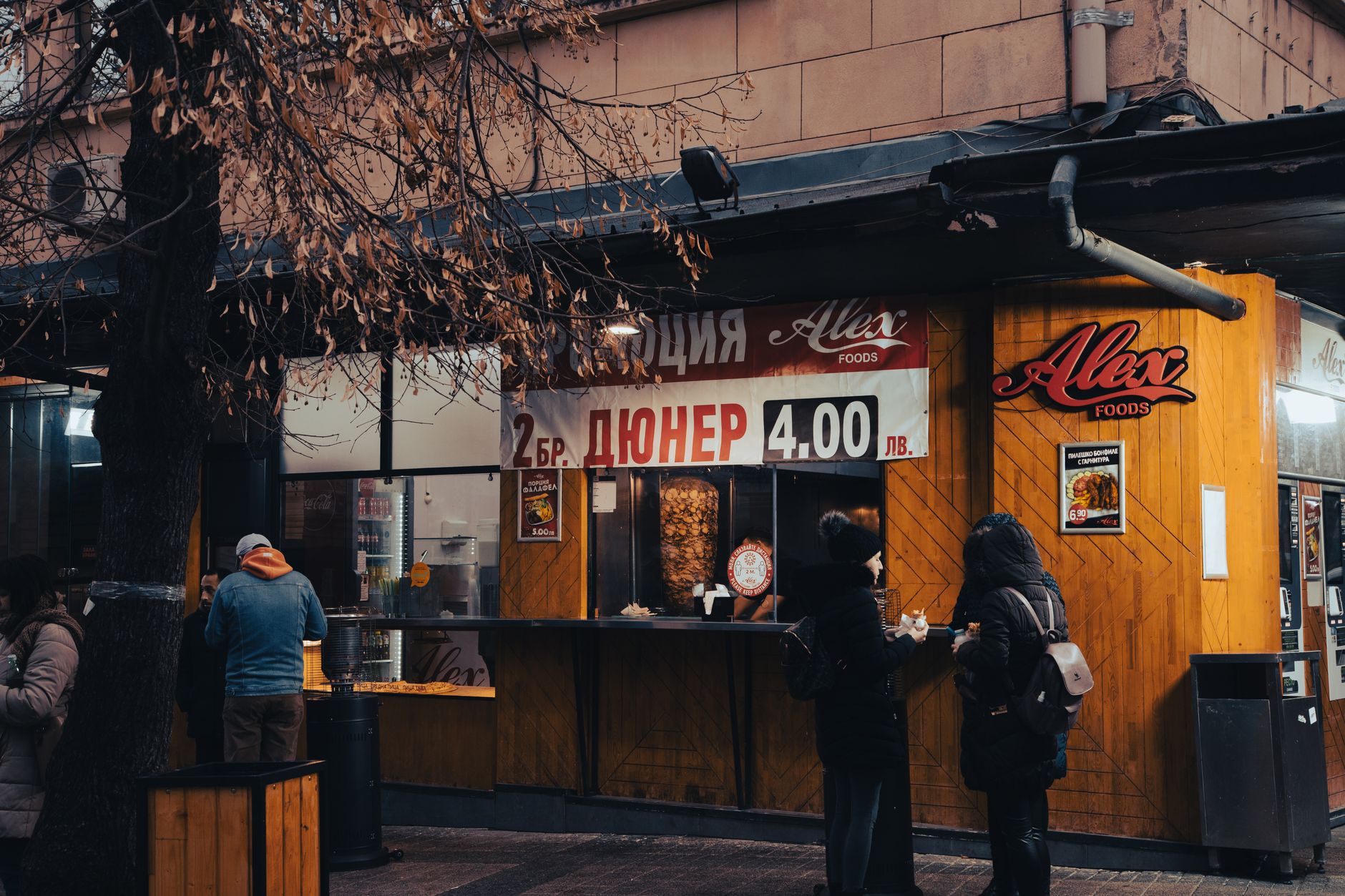
Order warm banitsa layered with sirene cheese from neighbourhood bakeries, followed by thick ayran or boza on early morning walks.
Local Markets in Plovdiv Thracian Plain Bulgaria
Wander the stalls of the Thursday market for pickled vegetables, Balkan honey, mountain herbs, and fresh walnuts from regional growers.
Urban Parks in Plovdiv Thracian Plain Bulgaria
Stroll through the shade of the Tsar Simeon Garden to watch the singing fountains and join locals playing chess under chestnut trees.