Sofia.

_in_Esbjerg_harbour.jpg)

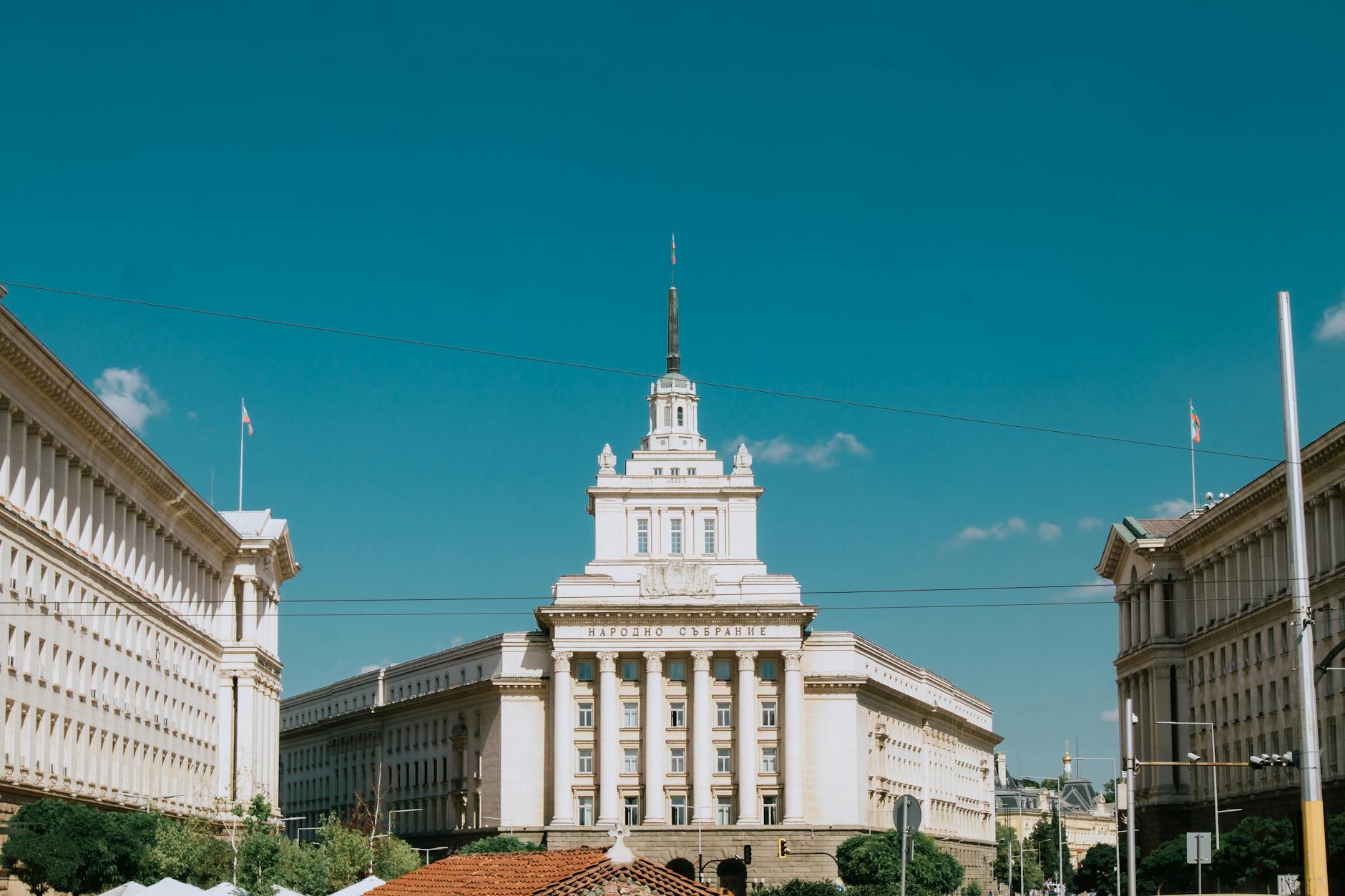

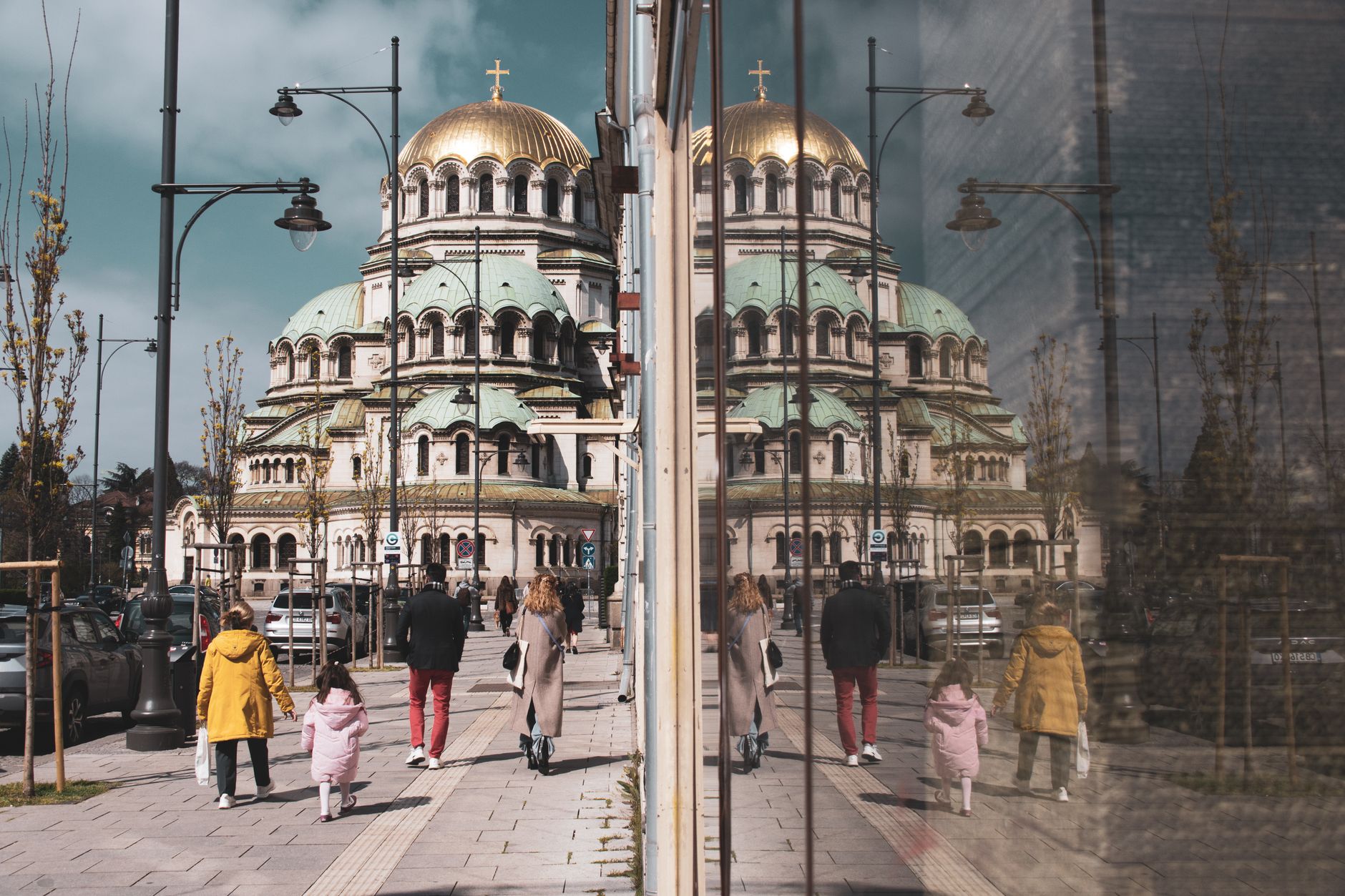
Yellow paving bricks click underfoot along Tsar Osvoboditel, polished by a century of rain and commutes. Mount Vitosha stands at the boulevard ends like a granite wall, close enough to check the snowline over morning coffee. In the metro passages, red-brick fourth-century Roman Serdica borders stands serving warm banitsa. Grand Orthodox domes sit beside utilitarian concrete blocks with complete nonchalance. Sofia is worth visiting if you want ancient ruins excavated beneath city streets, clay-pot stews, and alpine trailheads right off the urban transit line. Look elsewhere if you want a manicured, postcard-perfect old town, uniform historical architecture, or seaside resorts.
Last updated 3 Sept 2026
Build a Sofia itinerary.
Choose up to 4 threads that pull you in. Your plan arrives organised around them.
The Bed
Where to stay in Sofia
Which part of town to book, and what each one costs you in walking, noise or quiet.
The Comparison
Sofia, or somewhere near it
The places you are realistically choosing between, and the honest case for each.
The Local Record
Where to read more about Sofia
The blogs, boards, guides and operators worth bookmarking.
What to do in Sofia Western Bulgaria Bulgaria
Sofia is a compact, eminently walkable capital where broad nineteenth-century boulevards cross Roman ruins and quiet residential backstreets. Days flow easily between Byzantine brickwork, leafy park benches, and bustling outdoor markets. It suits travellers who enjoy unhurried urban strolls, robust mountain backdrops, and hearty Balkan dining without the staged tourist crowds of central Europe.
24 hours in Sofia Western Bulgaria Bulgaria
Start by picking up a warm cheese banitsa on Graf Ignatiev, then walk through Roman Serdica and the gilded interior of Alexander Nevsky Cathedral. After a midday plate of grilled kebapche and shopska salad along Vitosha Boulevard, spend the afternoon among Thracian relics at the National Archaeological Museum before sipping cold rakia in a quiet cellar tavern. Select 1 Day above to see it.
2 days in Sofia Western Bulgaria Bulgaria
Dedicate your second day to the Boyana neighbourhood at the base of Mount Vitosha. Inspect the eleventh-century pre-Renaissance frescoes inside Boyana Church, then hike the shaded trail up to Boyana Waterfall. Head back into the bohemian Oborishte district for dry Mavrud wine and slow-braised pork kavarma at an unpretentious neighbourhood bistro. Choose 2 Days to expand the plan.
3 days in Sofia Western Bulgaria Bulgaria
Take a morning drive south through the Rila Mountains to explore the striped courtyards of Rila Monastery. Return in the late afternoon to wander Zhenski Pazar market for mountain honey and cured pastarma, finishing with a relaxed evening watching chess players under the trees outside the Ivan Vazov National Theatre.
Sofia Western Bulgaria Bulgaria itineraries by interest
Sacred Architecture in Sofia Western Bulgaria Bulgaria
Alexander Nevsky Cathedral gleams with gold leaf, while the fourth-century Church of St. George Rotunda hides silently inside a communist-era courtyard.
Roman Heritage in Sofia Western Bulgaria Bulgaria
Walk the exposed Roman decumanus and residential quarters of Serdica, preserved directly beneath the Serdika metro junction and Largo complex.
Baked Goods in Sofia Western Bulgaria Bulgaria
Stop at street bakeries for banitsa, flaky filo pastry stuffed with sirene cheese and eggs, paired with ayran or fermented boza at breakfast.
Hiking in Sofia Western Bulgaria Bulgaria
Ride bus 66 or 93 up Mount Vitosha to reach the stone rivers of Zlatnite Mostove or hike two hours up to the Cherni Vrah summit.
Local Produce in Sofia Western Bulgaria Bulgaria
Browse Zhenski Pazar for fresh walnuts, pickled peppers, cured pastarma, local honey, and seasonal Pink Sofia heirloom tomatoes.
Traditional Taverns in Sofia Western Bulgaria Bulgaria
Settle into a mehana for kavarma slow-cooked in clay pots, grilled kyufte, shopska salad, and aged grape rakia poured cold.
Thermal Springs in Sofia Western Bulgaria Bulgaria
Bring a bottle to the public mineral taps behind the Central Mineral Baths, where naturally hot 46°C thermal water runs continuously.
Archaeological Treasures in Sofia Western Bulgaria Bulgaria
Examine Thracian gold hoards, Roman mosaics, and medieval icons at the National Archaeological Museum housed in a fifteenth-century mosque.
Wine Culture in Sofia Western Bulgaria Bulgaria
Taste local Bulgarian varietals like Mavrud, Melnik 55, and Dimyat at compact, cellar-style wine bars near Vitosha Boulevard.
Urban Parks in Sofia Western Bulgaria Bulgaria
Walk under chestnut trees in Borisova Gradina, join locals playing chess outside the National Theatre, or relax at South Park.
Communist Heritage in Sofia Western Bulgaria Bulgaria
Inspect the Monument to the Soviet Army, the red-star Largo ensemble, and colossal statues preserved at the Museum of Socialist Art.
Day Trips in Sofia Western Bulgaria Bulgaria
Travel two hours south to the tenth-century Rila Monastery, famous for vivid exterior frescoes, striped archways, and mountain tranquility.