
.jpg)

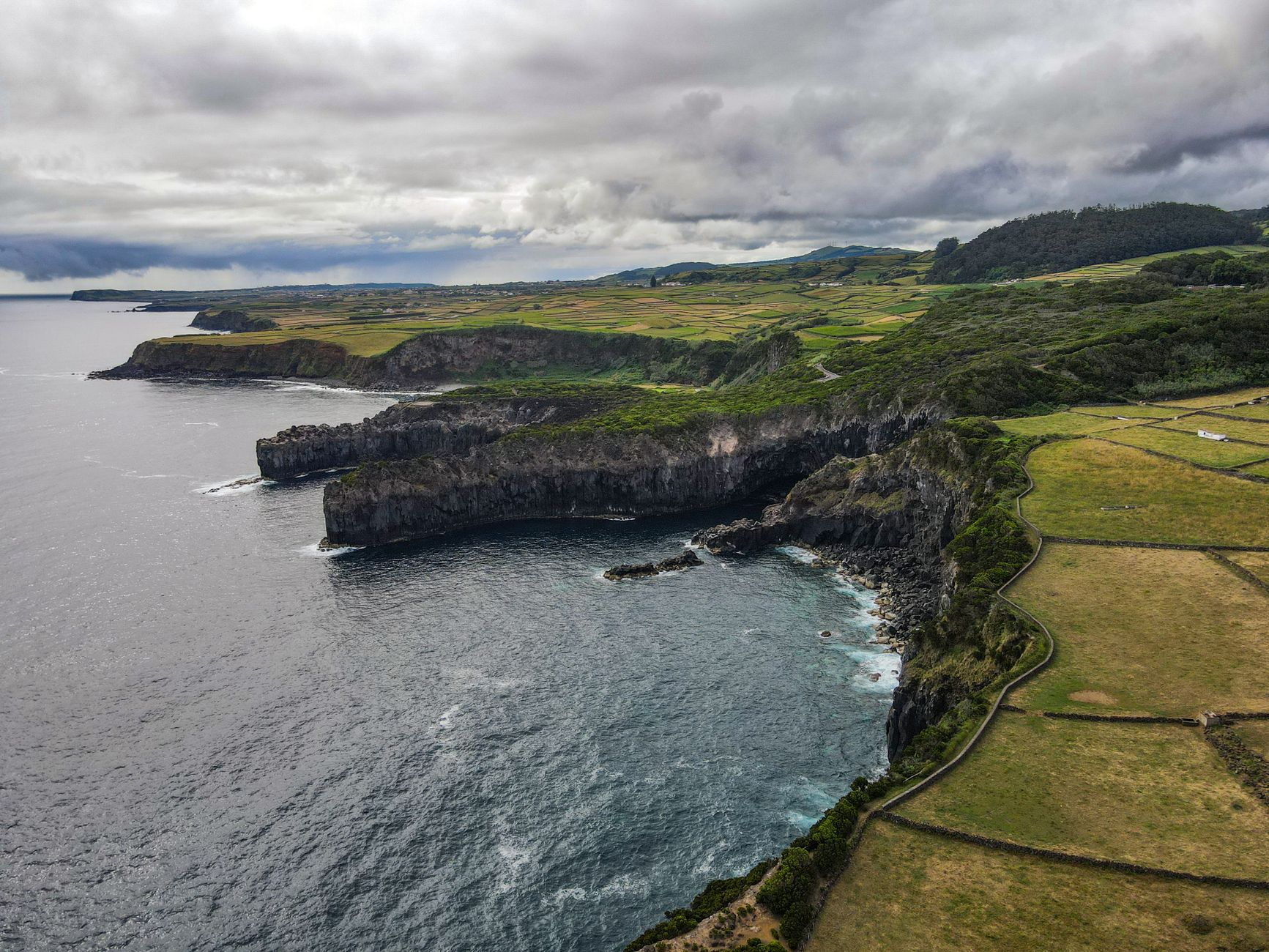

Black basalt and stark whitewash pave the alleys of Ponta Delgada, set against an ocean that dictates the rhythm of every kitchen and dock. You smell salt, diesel, and grilled garlic butter before you see the water. Between sixteenth-century convent walls and plates of sizzling lapas, the Azorean capital offers an unvarnished maritime life built on volcanic soil, sweet pineapples, and deep Atlantic swells.
Last updated 22 Aug 2026
Build a Ponta Delgada itinerary.
Choose up to 4 threads that pull you in. Your plan arrives organised around them.
We'll craft a 3-lens plan for Ponta Delgada, one collapsible strand per lens.
Wine & Spirits
Sip crisp white Arinto dos Açores grown on volcanic basalt soils, alongside local maracujá passionfruit liqueurs distilled in copper pots since the 1930s.
Wine & Spirits
Sip crisp white Arinto dos Açores grown on volcanic basalt soils, alongside local maracujá passionfruit liqueurs distilled in copper pots since the 1930s.
Grilled Limpets and Volcanic Wine
A Tasca
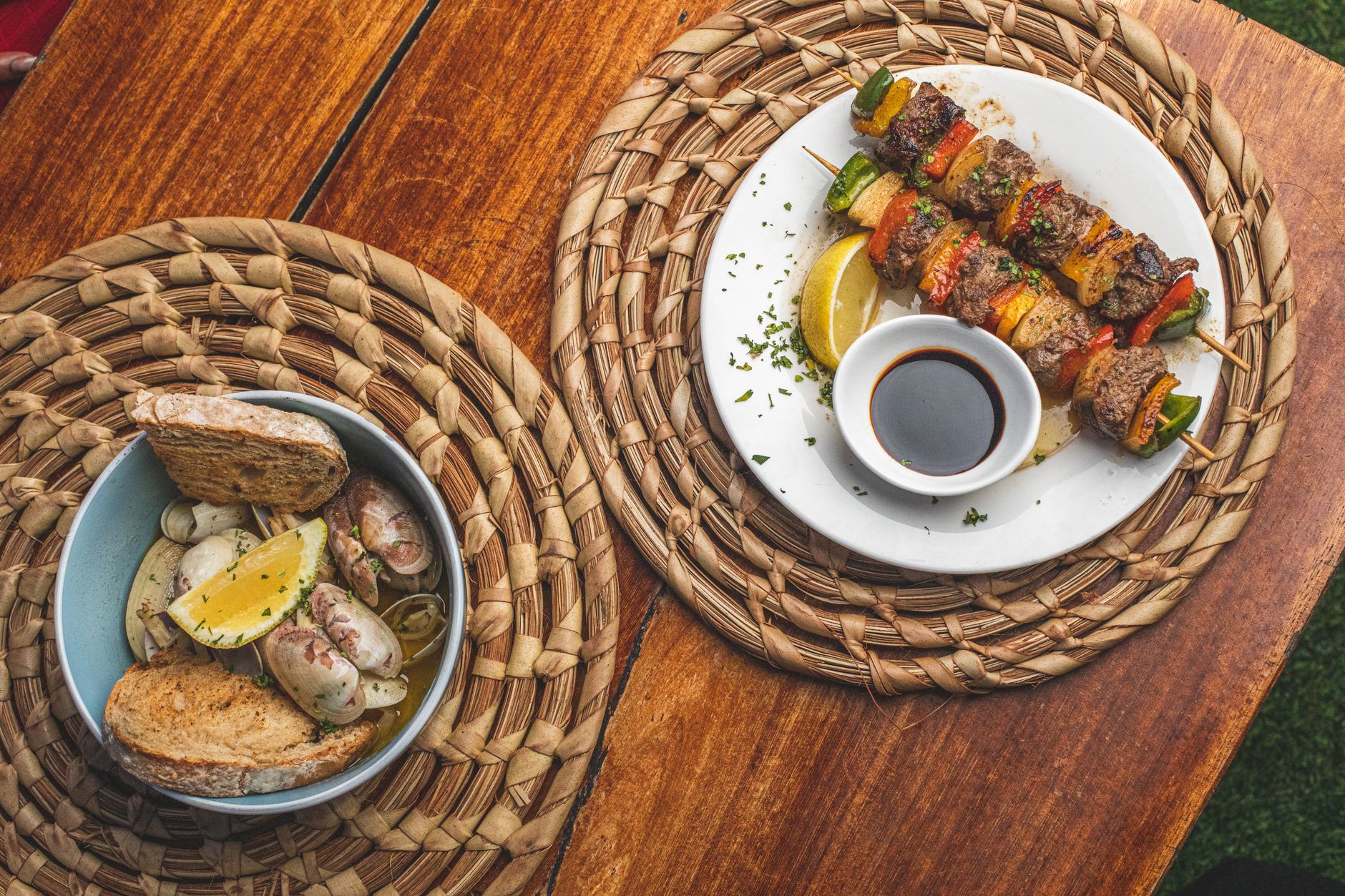
Write your name on the chalkboard by 6:45 PM. Order the lapas grelhadas sizzling in garlic butter alongside a glass of crisp Pico Arinto.
Editor TipLimpets scraped from black volcanic tidepools meet wines grown in basalt rock corrals on neighbouring Pico, a pairing shaped entirely by salt and lava. Do not skip the tuna belly if the chalkboard lists it; it sells out twenty minutes after the kitchen opens.
Contemporary Art
Explore the converted nineteenth-century alcohol and tobacco factory at Arquipélago in nearby Ribeira Grande, exhibiting Atlantic and Macaronesian visual arts.
Contemporary Art
Explore the converted nineteenth-century alcohol and tobacco factory at Arquipélago in nearby Ribeira Grande, exhibiting Atlantic and Macaronesian visual arts.
Azorean Contemporary Gallery Walk
Galeria Fonseca Macedo
Ring the bell at Rua Marquês da Praia for curated island installations. Budget forty-five minutes; admission is free and owner Fátima often walks you through current exhibits.
Editor TipFounded in 2000, this gallery proved that geographic isolation breeds sharp conceptual art, showcasing Azorean voices alongside leading mainland Portuguese painters. Step inside without pretension; it is an intimate townhouse space with zero art-world velvet-rope nonsense.
Atlantic Contemporary Art
VAGA - Espaço de Arte e Conhecimento
Browse cutting-edge island installations for five euros. Plan for forty-five minutes before grabbing an espresso in their courtyard.
Editor TipFounded by the Anda&Fala cultural collective, this former warehouse anchors São Miguel's modern creative scene beyond the convent art of past centuries. Check the reading room in the back for rare Azorean design monographs you will not find online.
Basalt Architecture and Modern Galleries
Arquipélago - Centro de Artes Contemporâneas
Budget an hour to wander the stark concrete halls. Admission is four euros at the desk, with no advance booking required on weekday mornings.
Editor TipHoused in an 1890s alcohol and tobacco factory, the complex repurposes black volcanic stone to frame cutting-edge Atlantic and Portuguese visual art. Step into the cavernous central courtyard first; the acoustic echo against the black masonry is remarkable.
Local Seafood
Crack grilled lapas with garlic butter at A Tasca, order fried chicharro with pimenta da terra, and taste local tuna seared rare straight off the Atlantic boats.
Local Seafood
Crack grilled lapas with garlic butter at A Tasca, order fried chicharro with pimenta da terra, and taste local tuna seared rare straight off the Atlantic boats.
Inspecting The Morning Catch
Mercado da Graça
Walk straight to the back fish hall by eight thirty for Atlantic bluefin, limpets, and chicharro. Pair a warm bolo lêvedo with espresso at the corner counter for two euros.
Editor TipSince 1848, this market has anchored São Miguel fishing fleet, trading deep-water species hauled from the Mid-Atlantic ridge long before continental exports begin. Ask the mongers for cracas when available; they look like barnacles because they are, tasting cleanly of cold sea brine.
Independent Island Art and Residencies
Vaga
Wander through the rotating gallery spaces on Rua Roberto Ivens. Free entry Wednesday to Saturday; budget an hour to inspect prints and publications from local collectives.
Editor TipRun by the cultural association Anda&Fala, this converted warehouse provides island artists with studios and an open platform far removed from mainland Portuguese institutions. Check their calendar for evening artist talks; staff are happy to point you to nearby studios.
Sizzling Limpets and Coastal Whites
Bar Caloura
Arrive right at noon to secure an open terrace table over the rocks. Order the lapas grelhadas and whatever line-caught fish landed that morning.
Editor TipAzorean limpets are flash-grilled in their shells with butter, garlic, and hot pepper, paired traditionally with volcanic white wines. Ask for a glass of volcanic Arinto dos Açores to cut cleanly through the rich garlic butter.
Note from the Editor
“Start at the fish stalls before nine when the slipway crates arrive. The historic centre is compact on foot, so skip taxis and let the basalt cobblestones dictate your pace.”
The Bed
Where to stay in Ponta Delgada
Which part of town to book, and what each one costs you in walking, noise or quiet.
The Comparison
Ponta Delgada, or somewhere near it
The places you are realistically choosing between, and the honest case for each.
The Local Record
Where to read more about Ponta Delgada
The blogs, boards, guides and operators worth bookmarking.
What to do in Ponta Delgada Azores Portugal
Ponta Delgada sits wrapped around a sheltered bay on São Miguel's southern shore. The town is remarkably walkable, centered on the black-and-white mosaics of Praça Gonçalo Velho Cabral. Days follow a quiet pattern: a morning coffee by the docks, browsing the produce market, and leisurely afternoon drives to crater lakes or hot springs. It suits travelers who value maritime history, unfussy Atlantic tavern food, and volcanic nature over polished resort luxury.
24 hours in Ponta Delgada Azores Portugal
Start at Mercado da Graça by 9:00 for fresh cheese and fruit, then walk through the three-arched Portas da Cidade. For lunch, order grilled limpets and octopus at A Tasca. Spend the afternoon inside the azulejo-lined Igreja Matriz before an evening stroll along Avenida Infante Dom Henrique. Select 1 Day above to see it.
2 days in Ponta Delgada Azores Portugal
Day two takes you inland. Drive twenty-five minutes along the EN1-1A to the crater rims of Sete Cidades for sweeping lake views. Return via the north coast for lunch in Capelas, then visit the glass pineapple greenhouses of Fajã de Baixo for a bowl of tart fruit sorbet. Choose 2 Days to expand the plan.
3 days in Ponta Delgada Azores Portugal
A third day allows a full excursion to the steaming geothermal vents of Furnas. Eat cozido stew cooked inside volcanic ground at Tony's, soak in the iron-rich baths of Terra Nostra park, and stop at Gorreana tea plantation on your return drive along the northern cliffs.
Ponta Delgada Azores Portugal itineraries by interest
Local Seafood in Ponta Delgada Azores Portugal
Crack grilled lapas with garlic butter at A Tasca, order fried chicharro with pimenta da terra, and taste local tuna seared rare straight off the Atlantic boats.
Botanical Gardens in Ponta Delgada Azores Portugal
Walk under the massive Australian banyan trees in Jardim José do Canto, laid out in the 1840s, or find rare camellias and shaded stone benches at Jardim António Borges.
Markets & Produce in Ponta Delgada Azores Portugal
Browse Mercado da Graça for rounds of cured São Jorge cheese, clusters of small sweet Arruda pineapples, and fiery jars of ground red chili paste called pimenta da terra.
Sacred Architecture in Ponta Delgada Azores Portugal
Examine seventeenth-century azulejo tiles inside the Igreja de São Sebastião and visit the sanctuary of Santo Cristo dos Milagres, the island's spiritual epicenter since 1540.
Harbor Life in Ponta Delgada Azores Portugal
Watch container ships and longliners from the Portas do Mar marina promenade, then tour the sixteenth-century stone ramparts of the Forte de São Brás guarding the harbor.
Volcanic Landscapes in Ponta Delgada Azores Portugal
Drive twenty minutes north to hike along the crater rim of Sete Cidades, gazing down at the dual twin lakes framed by blue hydrangeas and rolling pasture ridges.
Thermal Springs in Ponta Delgada Azores Portugal
Soak in iron-rich orange pools at Terra Nostra garden or bathe in the steaming sulfuric waterfalls of Caldeira Velha, set against the slope of the Fogo volcano.
Tea & Plantations in Ponta Delgada Azores Portugal
Visit Gorreana, Europe's oldest operational tea estate since 1883, to see restored British iron rolling machinery processing black orange pekoe and green tea.
Traditional Baking in Ponta Delgada Azores Portugal
Pick up warm bolo lêvedo muffins from Furnas bakeries, sweetened with sugar and griddled flat, or sample queijadas da Vila baked with fresh curd and egg yolk.
Contemporary Art in Ponta Delgada Azores Portugal
Explore the converted nineteenth-century alcohol and tobacco factory at Arquipélago in nearby Ribeira Grande, exhibiting Atlantic and Macaronesian visual arts.
Coastal Swimming in Ponta Delgada Azores Portugal
Swim in volcanic rock ocean pools at Pesqueiro right off the town waterfront, or catch sunset swells on the dark basalt sands of Praia das Milícias.
Wine & Spirits in Ponta Delgada Azores Portugal
Sip crisp white Arinto dos Açores grown on volcanic basalt soils, alongside local maracujá passionfruit liqueurs distilled in copper pots since the 1930s.