Porto Alegre.

.jpg)
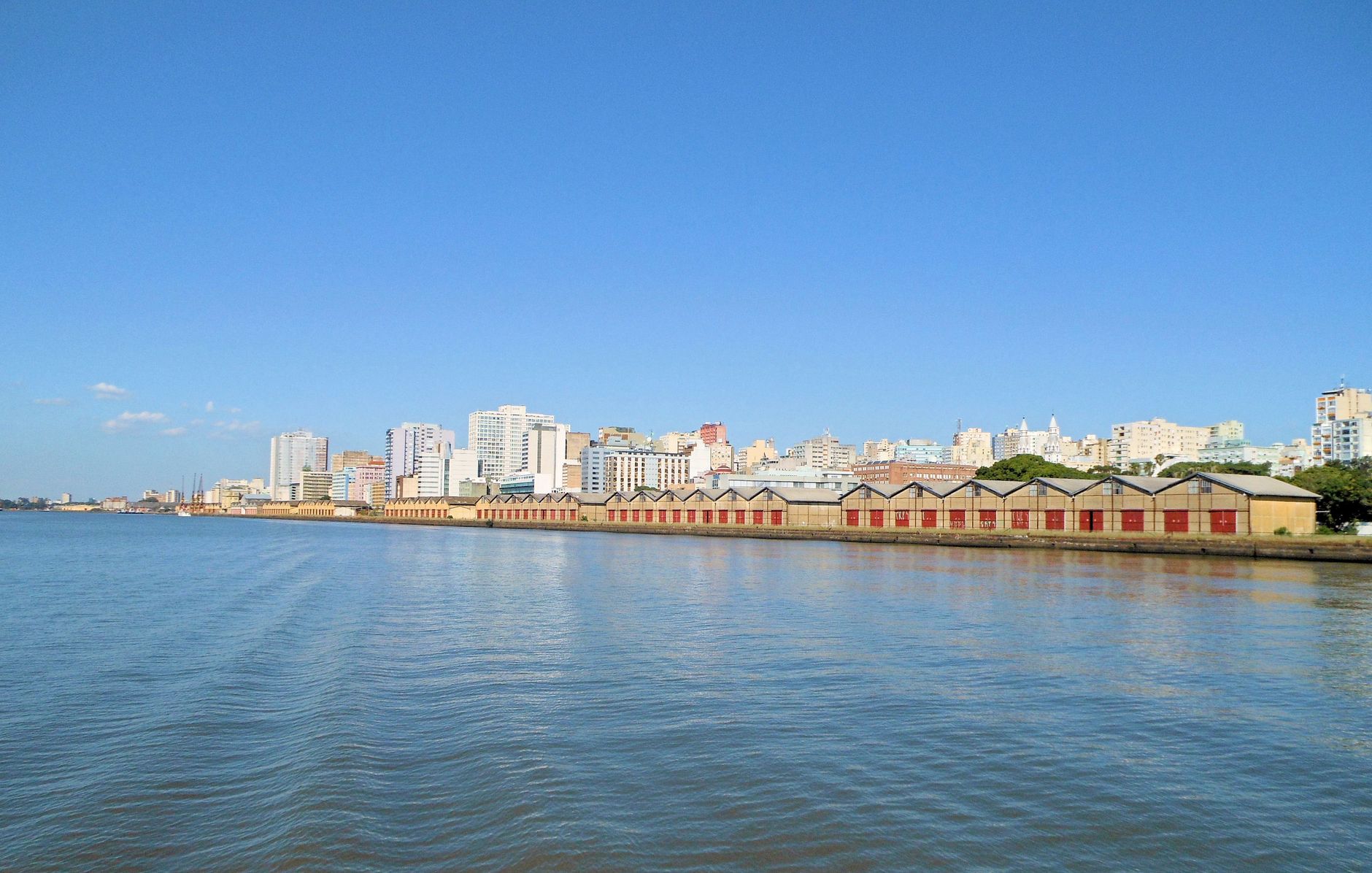
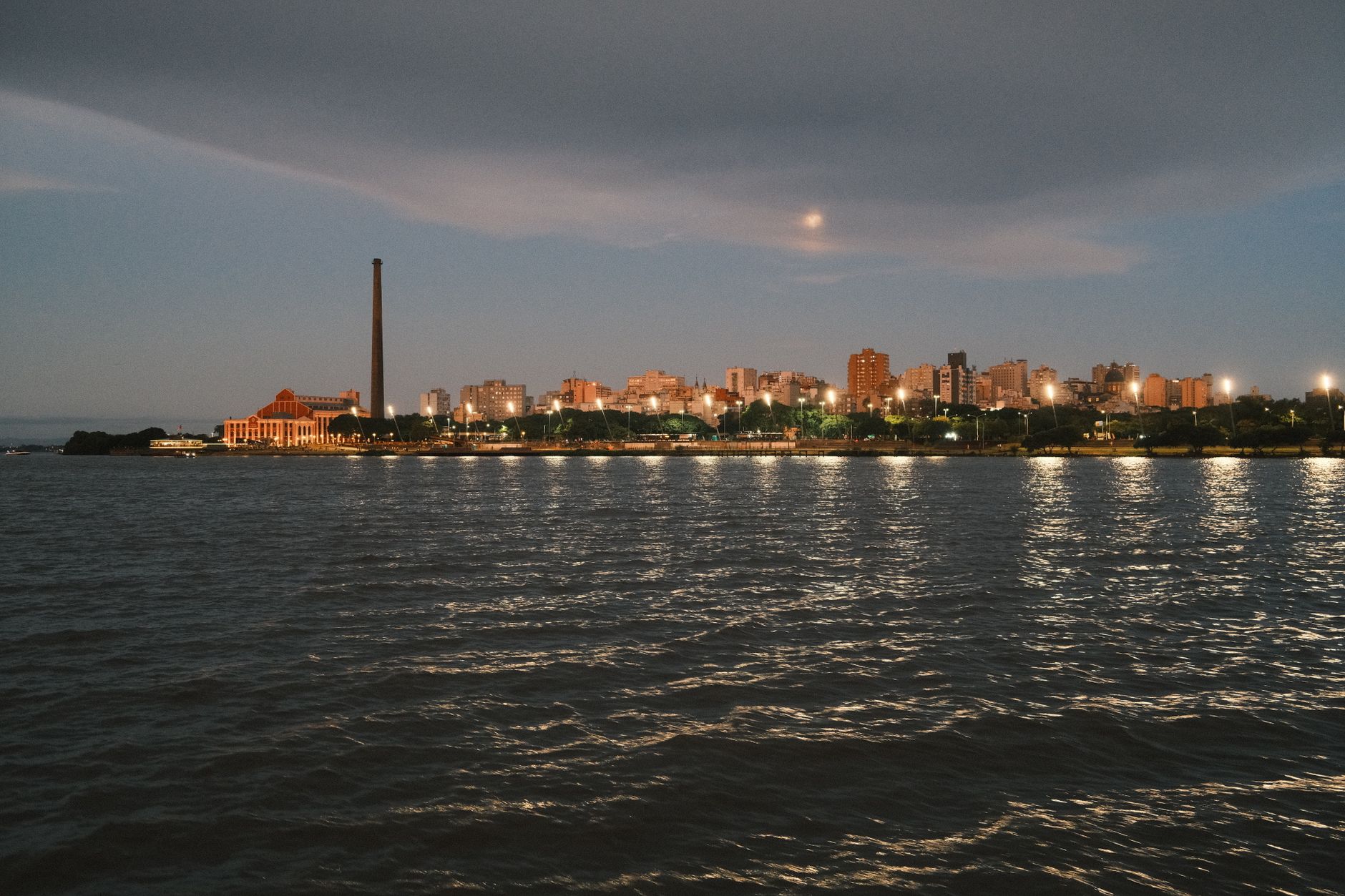

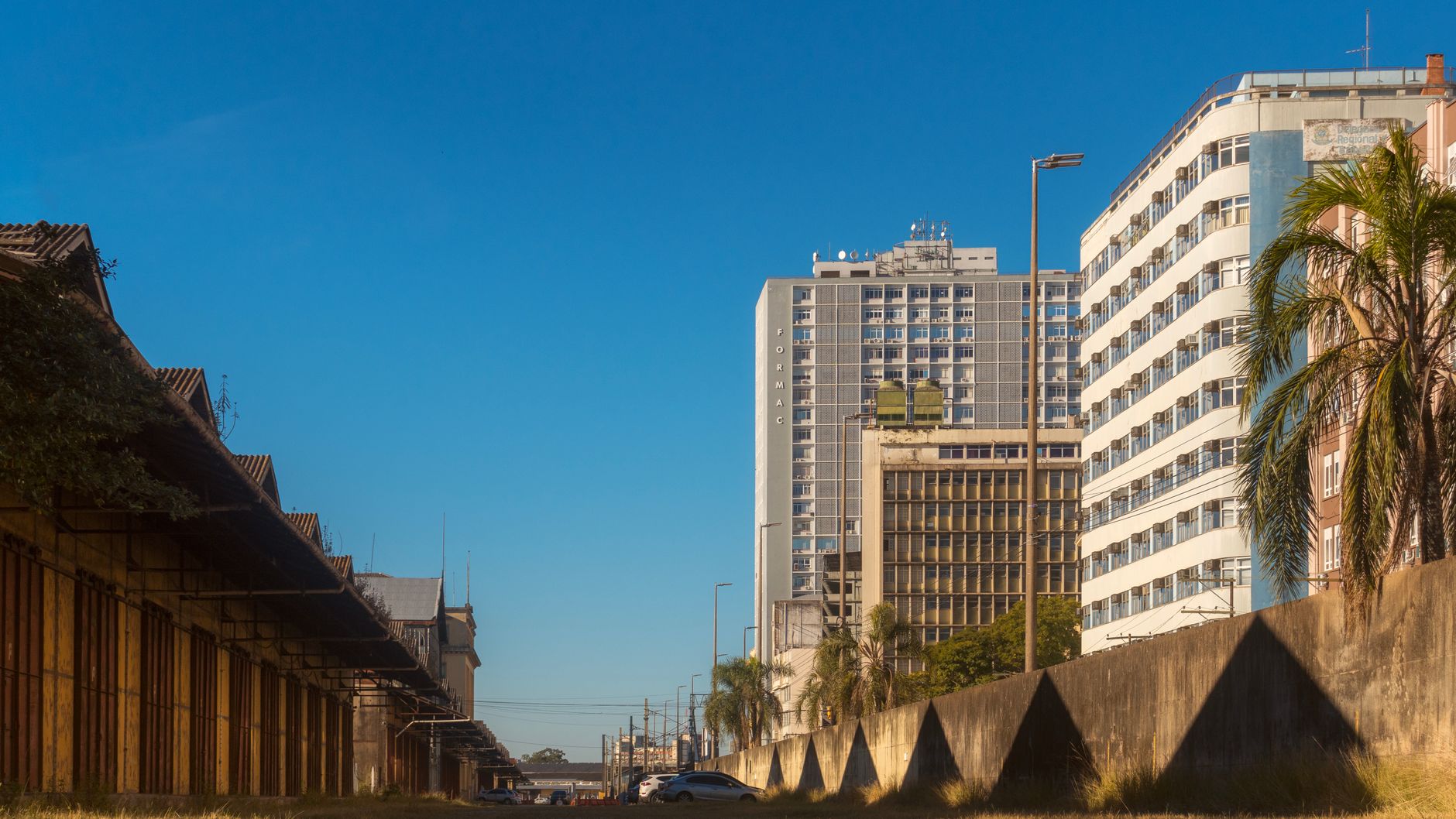
Stepping into Porto Alegre means encountering the bitter, grassy steam of chimarrão and woodsmoke from long-burning charcoal grills. The city wraps around the broad expanse of the Guaíba, where locals gather on concrete steps to watch the water turn copper at dusk. In the Centro Histórico, neoclassical facades sit shoulder to shoulder with utilitarian concrete. It is an unvarnished, hardworking provincial capital where meat is treated with stern devotion and conversation lingers late over draft beer.
Last updated 22 Aug 2026
Build a Porto Alegre itinerary.
Choose up to 4 threads that pull you in. Your plan arrives organised around them.
The Bed
Where to stay in Porto Alegre
Which part of town to book, and what each one costs you in walking, noise or quiet.
The Comparison
Porto Alegre, or somewhere near it
The places you are realistically choosing between, and the honest case for each.
The Local Record
Where to read more about Porto Alegre
The blogs, boards, guides and operators worth bookmarking.
What to do in Porto Alegre Southern Brazil Brazil
Porto Alegre moves between the dense, tree-shaded grid of Cidade Baixa and the wide riverbank of the Guaíba. The day revolves around lingering lunches of slow-roasted beef, afternoon walks beneath jacaranda trees, and sharing rounds of mate on public lawns. It suits travellers who prefer regional depth and everyday urban life over polished resort amenities, offering robust southern food, honest cultural institutions, and very little tourist pretension.
24 hours in Porto Alegre Southern Brazil Brazil
Start early at Mercado Público for strong drip coffee and a pastry at Banca 40. Walk through Praça da Alfândega to see MARGS, take lunch at a traditional churrascaria downtown, and finish the afternoon walking the waterfront at Orla do Guaíba near Usina do Gasômetro, just in time for sunset. Select 1 Day above to see it.
2 days in Porto Alegre Southern Brazil Brazil
Spend morning two climbing the steps to Casa de Cultura Mario Quintana, then explore leafy Moinhos de Vento for coffee along Rua Padre Chagas. In the evening, head south to Cidade Baixa for cold lager and a pressed xis sandwich at a sidewalk tavern, keeping walking distances under twenty minutes. Choose 2 Days to expand the plan.
3 days in Porto Alegre Southern Brazil Brazil
A third day allows an easy ninety-minute bus ride north to Bento Gonçalves and the Vale dos Vinhedos for sparkling wine tastings, or a relaxed morning browsing the Sunday antiques market at Brique da Redenção followed by galeto ao primo canto in Santa Cecília.
Porto Alegre Southern Brazil Brazil itineraries by interest
Meat Traditions in Porto Alegre Southern Brazil Brazil
Seek out beef rib cooked low and slow for eight hours over charcoal at traditional galpões, accompanied by fried polenta, farofa, and fresh chimichurri.
Public Markets in Porto Alegre Southern Brazil Brazil
Browse the 1869 Mercado Público for dried erva-mate, cured charque, warm pastéis de camarão, and a bowl of nata ice cream from Banca 40 on the ground floor.
Modern Art in Porto Alegre Southern Brazil Brazil
Take bus 179 down south to the Álvaro Siza-designed Fundação Iberê Camargo, where cast concrete ramps frame prints, paintings, and sweeping river views.
Street Food in Porto Alegre Southern Brazil Brazil
Order a xis coraçao, the local griddled sandwich stuffed with chicken hearts, melted cheese, corn, and mayo, pressed flat on grease-blackened flat tops.
Waterfront Walks in Porto Alegre Southern Brazil Brazil
Walk the Orla do Guaíba paved promenade in late afternoon. Rent a shared bike near Usina do Gasômetro and grab a cold chopp before the sunset crowd gathers.
Historic Architecture in Porto Alegre Southern Brazil Brazil
Examine pink stone and neo-Renaissance arches at Santander Cultural and MARGS on Praça da Alfândega, then walk up the hill to the 1920s Catedral Metropolitana.
Urban Parks in Porto Alegre Southern Brazil Brazil
Join the Sunday Brique da Redenção at Parque Farroupilha, where antique dealers, leather craftsmen, and folk musicians spread across Avenida José Bonifácio.
Neighborhood Taverns in Porto Alegre Southern Brazil Brazil
Head to Cidade Baixa around Rua Lima e Silva after dark for cold bottles of Polar beer, fried cassava, and effortless outdoor seating under leafy jacarandas.
Coffee & Pastries in Porto Alegre Southern Brazil Brazil
Climb to the top terrace of Casa de Cultura Mario Quintana for espresso and layered torta de maçã overlooking the tiled rooftops of the Centro Histórico.
Italian Heritage in Porto Alegre Southern Brazil Brazil
Sample galeto al primo canto, tender young chicken roasted over grape vine embers, served family-style with radicchio, capeletti soup, and polenta.
Wine & Vineyards in Porto Alegre Southern Brazil Brazil
Take a morning bus to the Serra Gaúcha region around Bento Gonçalves to sample local sparkling wines made from Chardonnay and Pinot Noir in cool mountain soils.
Local Craft Traditions in Porto Alegre Southern Brazil Brazil
Find handmade leather boots, silver-trimmed cuia gourds, and polished stainless steel bombillas in the rustic stalls bordering the Mercado Público colonnades.