Recife.


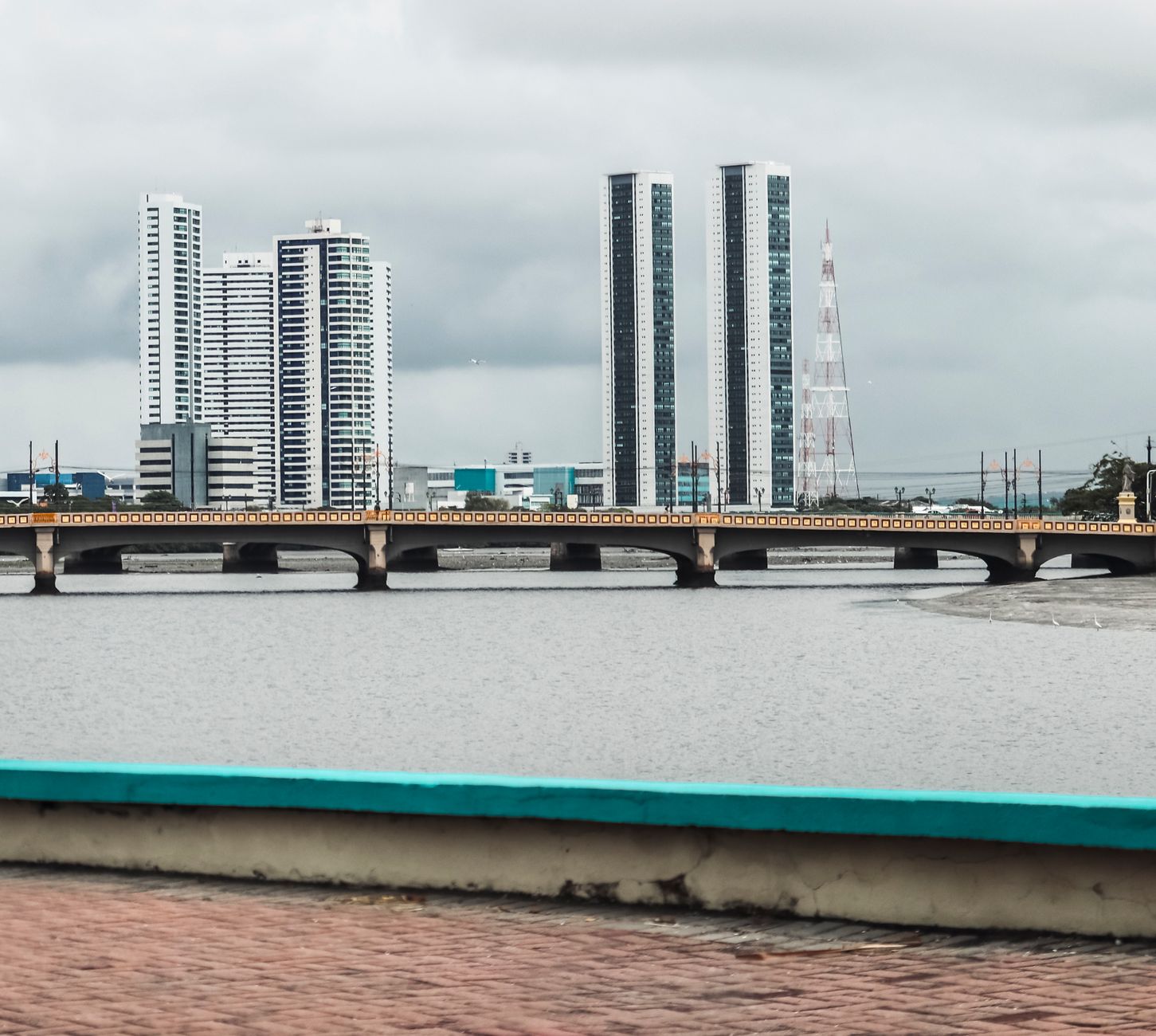


Recife sits on Pernambuco's coast around Guararapes International Airport, twenty minutes south of downtown. It is known for its Atlantic reef line, seventeenth-century Dutch fortifications, and heavy culinary roots in coastal seafood. Recife is worth visiting if you want rich crab stews in working-class boat docks, Dutch colonial history, and lively maracatu drumming workshops. Look elsewhere if you expect safe ocean swimming directly off urban beaches or a quiet, compact mountain retreat.
Last updated 27 Sept 2026
Build a Recife itinerary.
Choose up to 4 threads that pull you in. Your plan arrives organised around them.
The Bed
Where to stay in Recife
Which part of town to book, and what each one costs you in walking, noise or quiet.
The Comparison
Recife, or somewhere near it
The places you are realistically choosing between, and the honest case for each.
The Local Record
Where to read more about Recife
The blogs, boards, guides and operators worth bookmarking.
What to do in Recife Northeast Brazil Brazil
Recife splits across river deltas, barrier islands, and Atlantic beachfronts. Daily rhythms alternate between quiet colonial churches in Santo Antônio and bustling dockside warehouses in Bairro do Recife. It suits travellers who appreciate layered seventeenth-century Dutch history, raw percussion traditions, and long lunches over bubbling moquecas rather than resort loungers.
24 hours in Recife Northeast Brazil Brazil
Start at Praça do Marco Zero in Recife Antigo, tour Paço do Frevo, and take the tiny ferry to the coastal reef wall. Grab lunch at Mercado de São José over crab stew and fried macaxeira. Finish thirty minutes west at Instituto Ricardo Brennand to see Dutch colonial masterworks before evening cachaça in Boa Vista. Select 1 Day above to see it.
2 days in Recife Northeast Brazil Brazil
Spend morning twenty minutes north in Olinda, climbing the cobblestones to Alto da Sé for tapioca crepes and Atlantic views. Return southward for Francisco Brennand's cavernous sculpture mill in Várzea, followed by dinner in Poço da Panela for arrumadinho and sun-cured beef. Choose 2 Days to expand the plan.
3 days in Recife Northeast Brazil Brazil
A third day opens a trip forty minutes north to the calm tidal waters of Ilha de Itamaracá and seventeenth-century Fort Orange. Alternatively, take the morning slow with a Capibaribe river boat tour followed by fresh bolo de rolo in the quiet leafy gardens of Casa Forte.
Recife Northeast Brazil Brazil itineraries by interest
Local Seafood in Recife Northeast Brazil Brazil
Order caldinho de sururu along Boa Viagem or sit down for clay-pot peixada pernambucana simmered with coconut milk, dendê oil, and pirão.
Street Food in Recife Northeast Brazil Brazil
Watch street cooks griddle tapioca crepes stuffed with carne de sol and coalho cheese, or grab hot pastel de camarão from Mercado de São José.
Colonial History in Recife Northeast Brazil Brazil
Walk the seventeenth-century Dutch ramparts of Forte das Cinco Pontas and visit Kahal Zur Israel, the earliest recorded synagogue in the Americas.
Folk Music in Recife Northeast Brazil Brazil
Listen to brisk frevo brass lines in Paço do Frevo and join community maracatu percussion rehearsals echoing through Bairro do Recife on weekends.
Ceramics & Sculpture in Recife Northeast Brazil Brazil
Tour the giant brick kilns and monumental ceramic sculptures built by Francisco Brennand across his restored sugar mill estate in Várzea.
Art Museums in Recife Northeast Brazil Brazil
Inspect Dutch master canvases by Frans Post and rare seventeenth-century colonial weapons inside Instituto Ricardo Brennand's castle complex.
Public Markets in Recife Northeast Brazil Brazil
Navigate Mercado de São José's 1871 iron pavilion for dried jerked beef, handwoven carnauba palm baskets, and freshly cracked guaraná syrup.
Neighbourhood Walks in Recife Northeast Brazil Brazil
Stroll the nineteenth-century port warehouses along Praça do Marco Zero and cross the pedestrian bridges linking Santo Antônio with Recife Antigo.
Baking Traditions in Recife Northeast Brazil Brazil
Taste bolo de rolo, the thin layered sponge cake rolled tight with melted guava paste, perfected by bakers across Casa Forte and Derby.
Day Trips in Recife Northeast Brazil Brazil
Climb the steep colonial cobblestones of neighbouring Olinda to see the Baroque gold leaf inside the 1585 Convento de São Francisco.
Coastal Estuaries in Recife Northeast Brazil Brazil
Board a small wooden catamaran along the Capibaribe River to view mangrove wetlands, colonial quays, and the offshore reef sculpture park.
Regional Spirits in Recife Northeast Brazil Brazil
Sample sugarcane cachaça infused with native fruits at old taverns across Boa Vista, paired with fried sun-dried beef and cassava.