Quetzaltenango.


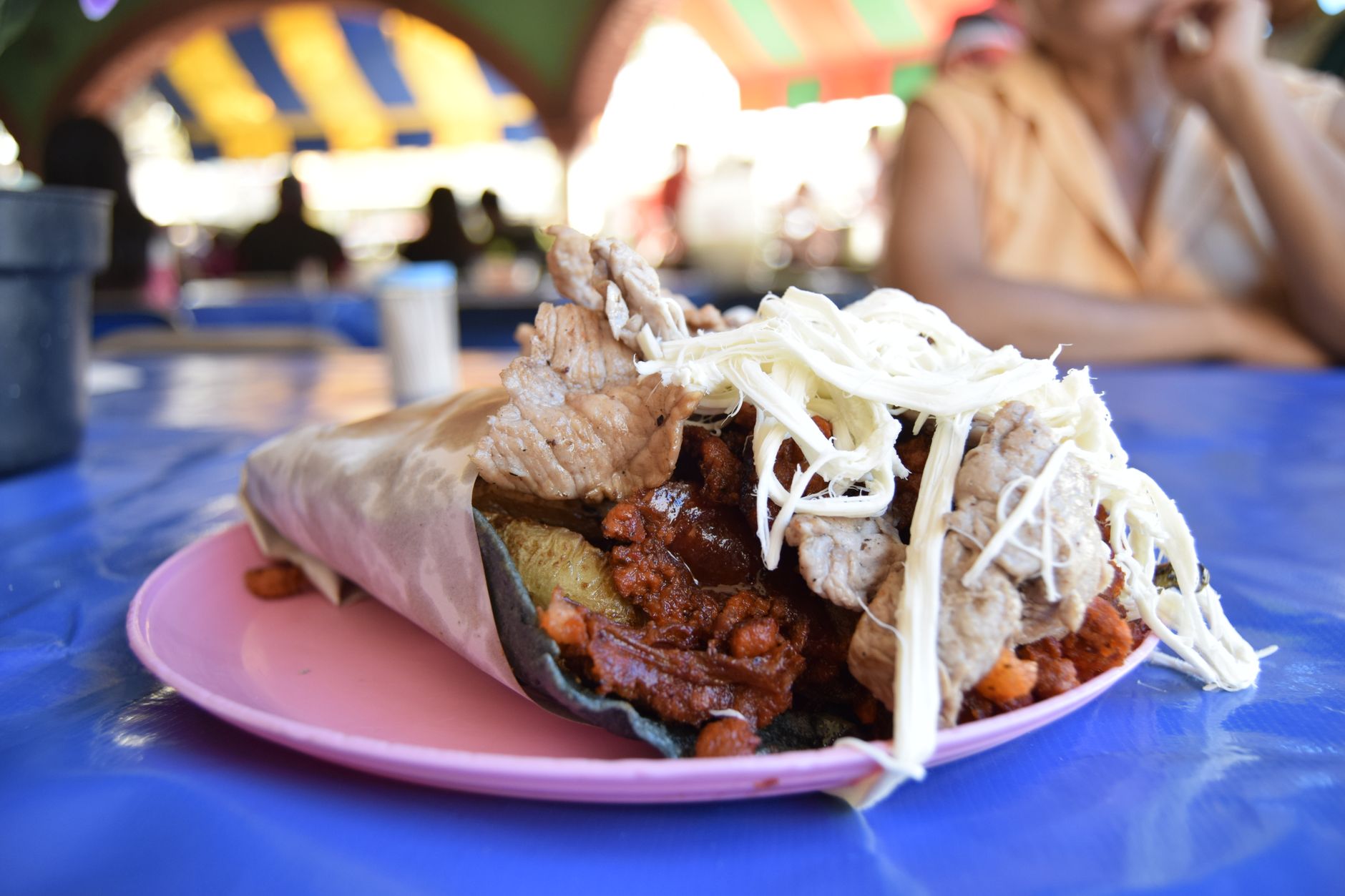
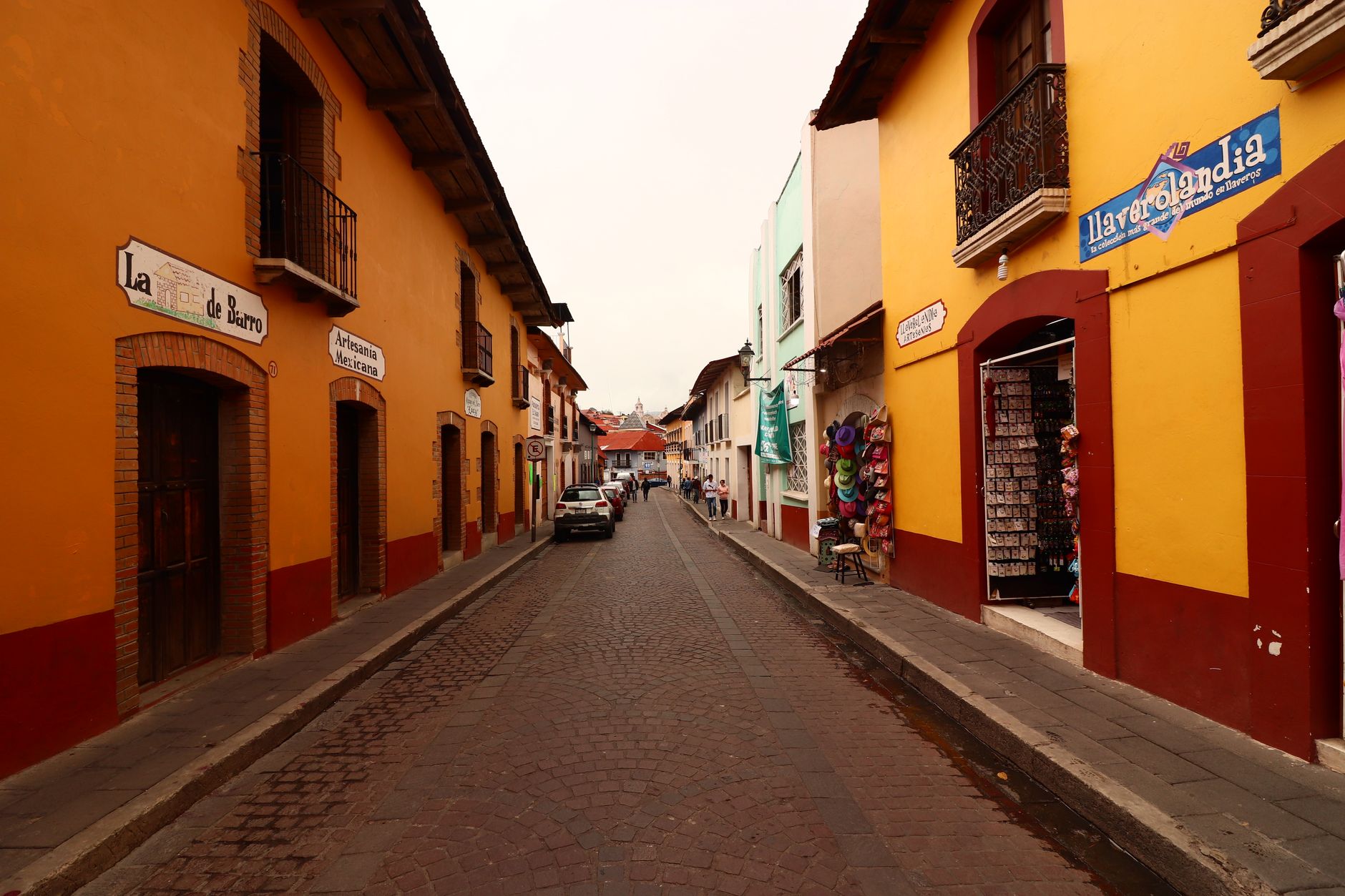
Quetzaltenango sits four hours west of Guatemala City along the Pan-American Highway, set in a mountain bowl at 2,330 metres. The city is known for its rigorous Spanish language schools, neoclassical stonework around Parque Centroamérica, and direct access to western highland volcanoes. Quetzaltenango is worth visiting if you want high-altitude mountain trekking, unvarnished K'iche' markets, and hearty highland stews. Look elsewhere if you want warm tropical weather, polished luxury resorts, or manicured tourist corridors.
Last updated 8 Nov 2026
Build a Quetzaltenango itinerary.
Choose up to 4 threads that pull you in. Your plan arrives organised around them.
The Bed
Where to stay in Quetzaltenango
Which part of town to book, and what each one costs you in walking, noise or quiet.
The Comparison
Quetzaltenango, or somewhere near it
The places you are realistically choosing between, and the honest case for each.
The Local Record
Where to read more about Quetzaltenango
The blogs, boards, guides and operators worth bookmarking.
What to do in Quetzaltenango Quetzaltenango Guatemala
Quetzaltenango is Guatemala's working highland capital, arranged around the grey volcanic stone of Zona 1 and the sprawling commercial sprawl of Zona 3. Mornings begin with thick drinking chocolate and the hum of early commuter minivans. The pace suits walkers, language students, and trekkers who prefer wool jumpers to resort air conditioning.
24 hours in Quetzaltenango Quetzaltenango Guatemala
Start early with fresh shecas near Parque Centroamérica before touring the 1534 cathedral facade. Have lunch at a comedor inside Mercado Central, ordering pepián stew. Spend the afternoon at the municipal theatre and finish with local craft beer or highland coffee in Pasaje Enríquez. Select 1 Day above to see it.
2 days in Quetzaltenango Quetzaltenango Guatemala
Spend morning two catching a microbus to Almolonga's valley farms, then continue ten minutes up the mountain to soak at Fuentes Georginas. Return to town for a late lunch of spiced paches, followed by a walk through the mausoleums and folklore of the Cementerio General. Choose 2 Days to expand the plan.
3 days in Quetzaltenango Quetzaltenango Guatemala
A third day allows an early climb up Volcán Santa María, rewarding you with views into the active Santiaguito crater below. Alternatively, spend a slower morning visiting the weaver cooperatives in San Andrés Xecul and San Cristóbal Totonicapán.
Quetzaltenango Quetzaltenango Guatemala itineraries by interest
Street Food in Quetzaltenango Quetzaltenango Guatemala
Eat hot shecas filled with sweet bean paste or cheese, and grab potato paches wrapped in mashán leaves from street vendors on 12 Avenida.
Hiking in Quetzaltenango Quetzaltenango Guatemala
Climb the steep ash trail to Volcán Santa María at sunrise, or trek three days across ridge trails down to Lake Atitlán with local guides.
Traditional Markets in Quetzaltenango Quetzaltenango Guatemala
Navigate the dense aisles of Mercado La Democracia for toasted chilies, fresh queso de capas, wild greens, and hand-ground maseca.
Sacred Architecture in Quetzaltenango Quetzaltenango Guatemala
Visit the neoclassical Catedral del Espíritu Santo with its preserved 1530s facade, then head to Salcajá for Central America's oldest church.
Hot Springs in Quetzaltenango Quetzaltenango Guatemala
Soak in the sulfur-rich thermal pools of Fuentes Georginas, fed by Volcán Zunil and set amid dense, high-elevation cloud forest.
Coffee & Cafes in Quetzaltenango Quetzaltenango Guatemala
Drink light-roast highland arabica at cafes near Pasaje Enríquez, sourced directly from smallholder farms in San Martín Sacatepéquez.
Textile Traditions in Quetzaltenango Quetzaltenango Guatemala
Examine backstrap-woven jaspe cottons and intricate Maya K'iche' cortes at the bustling Tuesday textile market in nearby San Cristóbal Totonicapán.
Historic Squares in Quetzaltenango Quetzaltenango Guatemala
Walk Parque Centroamérica to inspect the volcanic stone columns of the Municipal Theatre and Casa de la Cultura, built during the 1890s coffee boom.
Regional Stews in Quetzaltenango Quetzaltenango Guatemala
Order bowls of pepián de pollo or dark, chili-spiced jocón at comedores near Parque Juárez, served with steaming tamalitos blancos.
Day Trips in Quetzaltenango Quetzaltenango Guatemala
Take a microbus out to Almolonga for terraced vegetable farms and Zunil's shrine to San Simón, where pilgrims offer tobacco and aguardiente.
Language Learning in Quetzaltenango Quetzaltenango Guatemala
Enroll in one-on-one K'iche' or Spanish immersion schools housed in breezy colonial courtyards throughout the quiet streets of Zona 1.
Cemetery Art in Quetzaltenango Quetzaltenango Guatemala
Tour the Cementerio General to see elaborate family crypts and the tomb of Vanushka, surrounded by written petitions from hopeful lovers.