
.jpg)

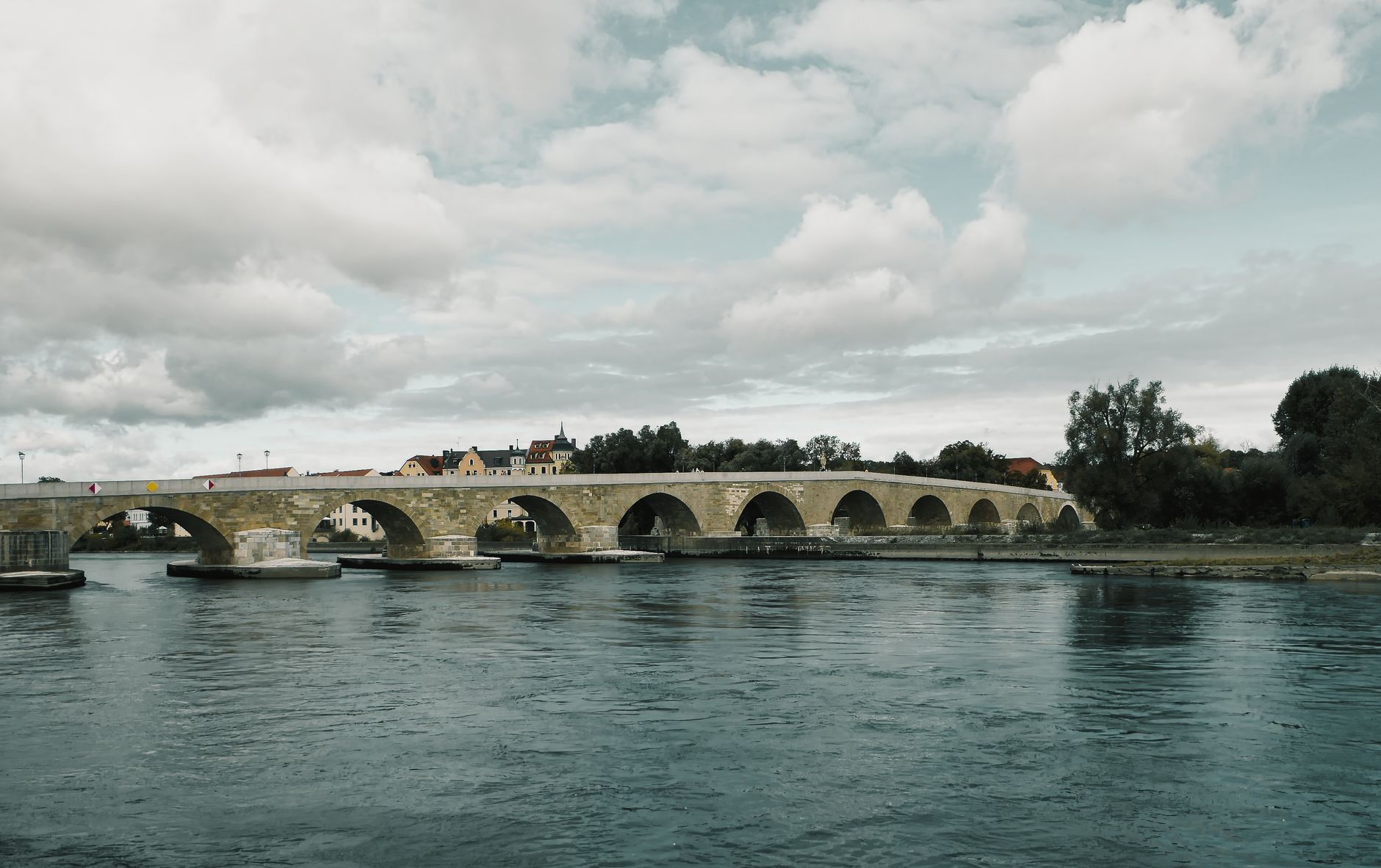


Regensburg sits ninety minutes north of Munich by direct regional train along the Danube. It is known for its intact medieval core, Roman fortifications, and a twelfth-century stone bridge. Regensburg is worth visiting if you want intact Gothic architecture alongside riverside beer taverns serving charcoal-grilled sausages. Look elsewhere if you want high-tempo nightlife, sprawling contemporary art museums, or alpine mountain scenery.
Last updated 12 Oct 2026
Build a Regensburg itinerary.
Choose up to 4 threads that pull you in. Your plan arrives organised around them.
The Bed
Where to stay in Regensburg
Which part of town to book, and what each one costs you in walking, noise or quiet.
The Comparison
Regensburg, or somewhere near it
The places you are realistically choosing between, and the honest case for each.
The Local Record
Where to read more about Regensburg
The blogs, boards, guides and operators worth bookmarking.
What to do in Regensburg Bavaria Germany
Regensburg is built for walking at an unhurried pace. The old town packs two millennia of stone into a compact bend of the Danube, where Roman masonry anchors alleys of pastel merchant houses. Days orbit around cathedral squares, quiet courtyards, and riverside benches. It suits travellers who appreciate historical depth, slow afternoon beers under leafy chestnut canopies, and a town that feels lived-in rather than staged.
24 hours in Regensburg Bavaria Germany
Start early at St. Peter's Cathedral before the nave fills up, then trace Roman stonework through Porta Praetoria. Order six sausages with kraut at Historische Wurstkuchl by the river for lunch, cross the Stone Bridge, and finish with a Kneitinger Bockbier in the old town. Everything is within a fifteen-minute walk. Select 1 Day above to see it.
2 days in Regensburg Bavaria Germany
Spend morning two inside Schloss Thurn und Taxis, wandering its quiet cloister and carriage museum. Cross over to Stadtamhof on the north bank for an afternoon filter coffee, then settle into Spitalgarten for roast pork and house-brewed lager as the evening light hits the Danube. Choose 2 Days to expand the plan.
3 days in Regensburg Bavaria Germany
A third day allows an easy morning boat trip downriver to Walhalla, climbing the marble steps for a wide view across the Bavarian plain. Return for a slow afternoon wandering the quiet paths of Unterer Wöhrd island before dinner at a traditional tavern on Haidplatz.
Regensburg Bavaria Germany itineraries by interest
Medieval Architecture in Regensburg Bavaria Germany
Roman arches at Porta Praetoria meet thirteenth-century patrician towers and the twin French Gothic spires of St. Peter's Cathedral.
Local Sausage & Beer in Regensburg Bavaria Germany
Historic Wurstkuchl grills pork links over beechwood charcoal beside the Danube, served with sweet mustard and Kneitinger Dunkel.
Historic Bridges in Regensburg Bavaria Germany
The 1146 Stone Bridge carried Holy Roman emperors across the Danube; walk its sixteen arches at dusk for views back to the cathedral.
Monastic Heritage in Regensburg Bavaria Germany
St. Emmeram Abbey preserves thousand-year-old cloisters and Ottonian crypts, later turned into the princely residence of Thurn und Taxis.
Riverside Taverns in Regensburg Bavaria Germany
Spitalgarten pours house-brewed helles under chestnut trees on the northern bank, looking directly across the water to the old city.
Jewish History in Regensburg Bavaria Germany
Neupfarrplatz covers the medieval Jewish quarter, with Dani Karavan's white relief sculpture outlining the foundations of the 1519 synagogue.
River Cruising in Regensburg Bavaria Germany
Sightseeing boats depart the Old Stone Bridge for the Walhalla hall of fame downstream, navigating the Danube's narrow historical locks.
Classic Bakeries in Regensburg Bavaria Germany
Café Prinzess has made pralines and tortes since 1686, serving dark roasted filter coffee on the cobblestones of the Rathausplatz.
Day Trips in Regensburg Bavaria Germany
Take a local bus or bike path ten kilometres east to Walhalla, a Doric marble temple perched above the Danube honoring German historical figures.
Urban Walking in Regensburg Bavaria Germany
Wander the narrow alleyways around Unter den Schwibbögen, where tall merchant houses keep the stone streets shaded during Bavarian summers.
Palace Interiors in Regensburg Bavaria Germany
Tour Schloss Thurn und Taxis to see neo-Renaissance staterooms, marble ballrooms, and intact stables built over medieval monastery grounds.
River Islands in Regensburg Bavaria Germany
Cross the pedestrian spans to Oberer Wöhrd and Unterer Wöhrd, leafy river islands with quiet walking paths, gravel banks, and park benches.