Reykjavík.


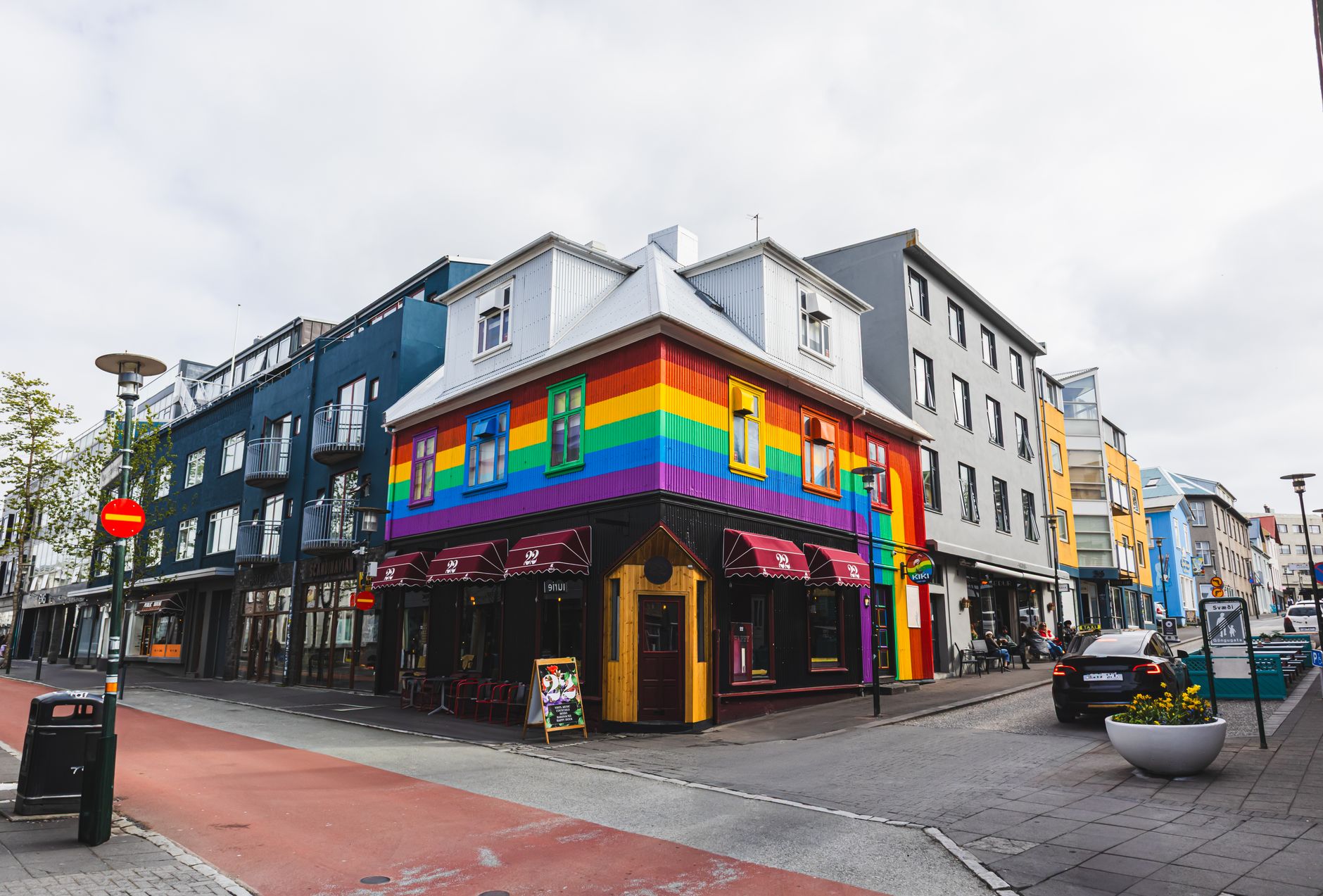
Low Atlantic cloud rolls over Mount Esja across the water, framing a harbour where diesel-scented trawlers dock alongside glass-panelled concert halls. Down along Laugavegur, corrugated iron clads timber houses painted in unapologetic primary colours. Life here moves between the biting salt wind outside and the steaming mineral heat of communal public baths, where locals trade politics in thirty-nine-degree water. Reykjavík is worth visiting if you want communal thermal bathing, arctic char pulled straight from cold waters, and compact streets made for brisk walking. Look elsewhere if you want balmy beach weather, budget-friendly dining, grand historic architecture, or a sprawling metropolis.
Last updated 2 Sept 2026
Build a Reykjavík itinerary.
Choose up to 4 threads that pull you in. Your plan arrives organised around them.
The Bed
Where to stay in Reykjavík
Which part of town to book, and what each one costs you in walking, noise or quiet.
The Comparison
Reykjavík, or somewhere near it
The places you are realistically choosing between, and the honest case for each.
The Local Record
Where to read more about Reykjavík
The blogs, boards, guides and operators worth bookmarking.
What to do in Reykjavík Capital Region Iceland
The capital arranges itself neatly around the Old Harbour and the shopping spine of Laugavegur. Daily life runs on strong filter coffee, brisk coastal walks, and evening soaks in neighbourhood geothermal pools. It suits independent walkers, solo travellers, and curious eaters who prefer walkable scale, stark northern light, and straightforward hospitality over crowded urban sprawl.
24 hours in Reykjavík Capital Region Iceland
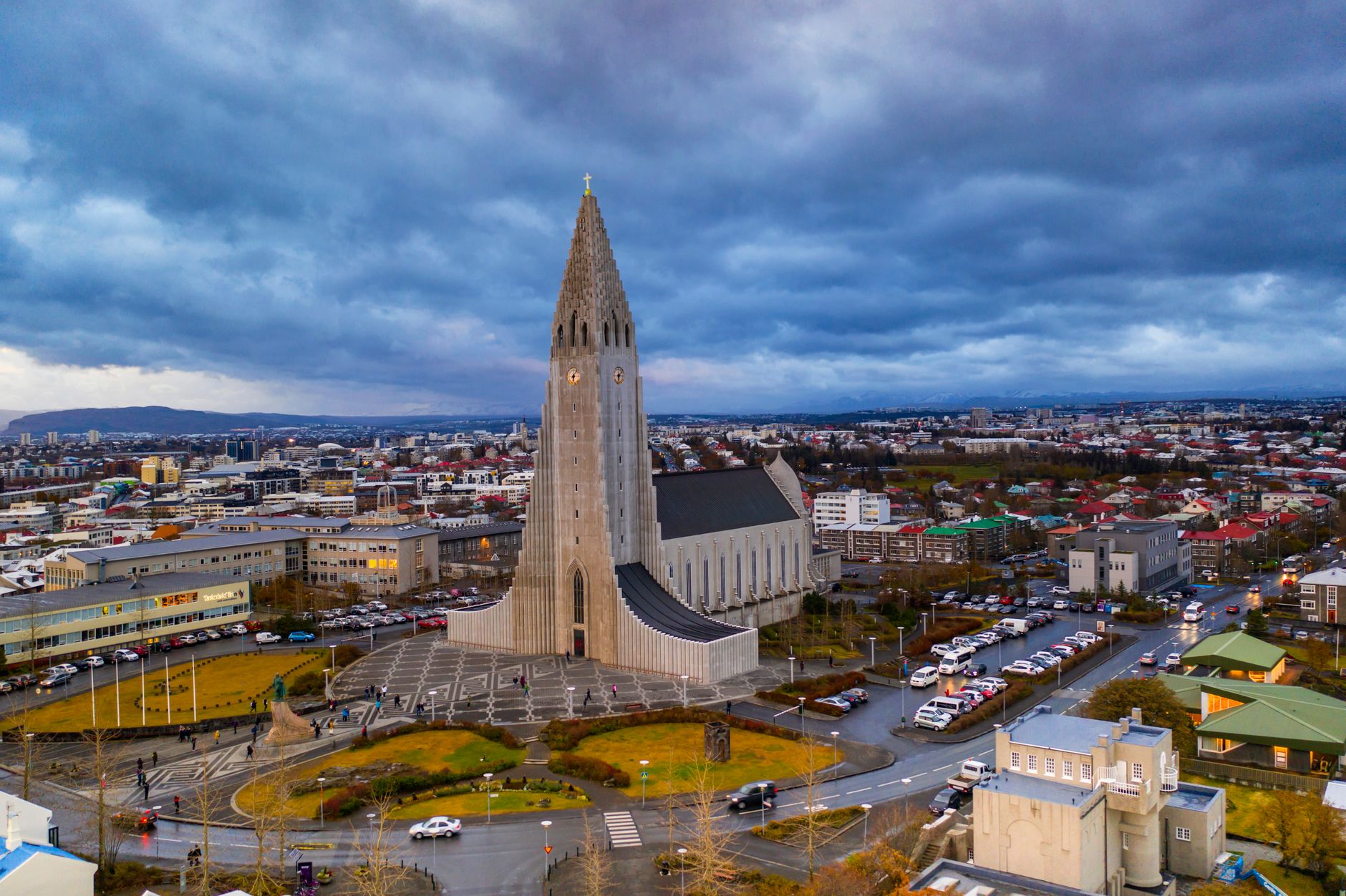
Start early at Brauð & Co for warm pastries, then head up the tower at Hallgrímskirkja before the tour coaches arrive. Walk down Skólavörðustígur to the harbour for a lunch of fresh haddock plokkfiskur, visit Harpa in the afternoon light, and end the evening in the outdoor hot tubs at Sundhöllin. Select 1 Day above to see it.
2 days in Reykjavík Capital Region Iceland
Day two belongs to Grandi and the western shore. Tour the maritime docks, sample rye bread ice cream, and walk out to the tidal island of Grótta at low tide. For dinner, book a table in the Old Town for roasted lamb or salt cod, followed by a quiet pint of local stout near Austurvöllur square. Choose 2 Days to expand the plan.
3 days in Reykjavík Capital Region Iceland
With a third day, leave the centre behind. Take the public bus out to the steaming geothermal valley of Reykjadalur for a soak in a warm river, or rent a car for the rift valley at Þingvellir. Return to town for a late, unhurried dinner of grilled langoustine tails along the docks.
Reykjavík Capital Region Iceland itineraries by interest
Local Seafood in Reykjavík Capital Region Iceland
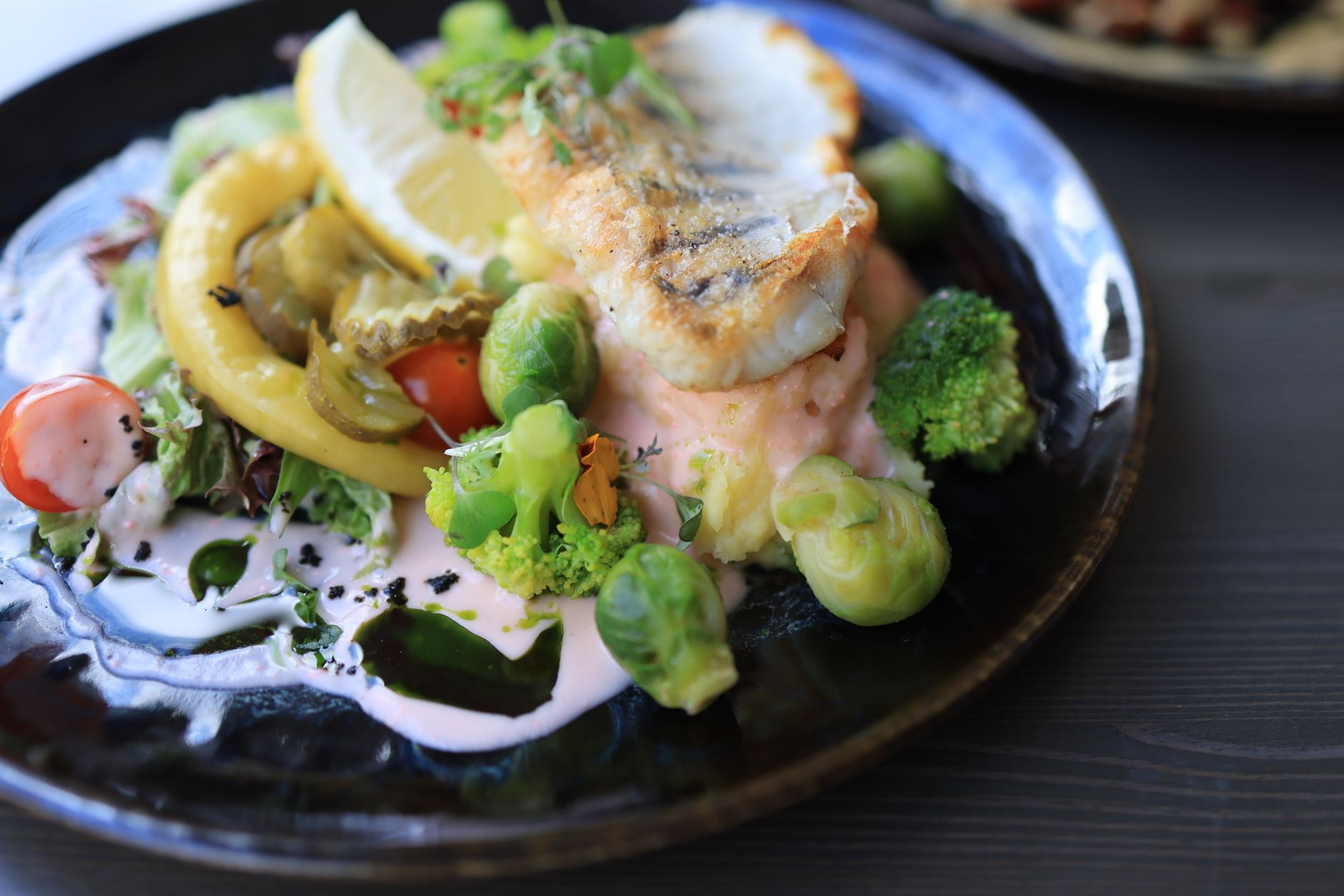
Order pan-fried arctic char with buttered potatoes, salted cod at Grandi harbour, and steaming bowls of tomato-rich langoustine soup.
Public Baths in Reykjavík Capital Region Iceland
Join residents in the outdoor hot pots and steam rooms at Vesturbæjarlaug or Sundhöllin, the city's oldest pool designed by Guðjón Samúelsson.
Modern Architecture in Reykjavík Capital Region Iceland
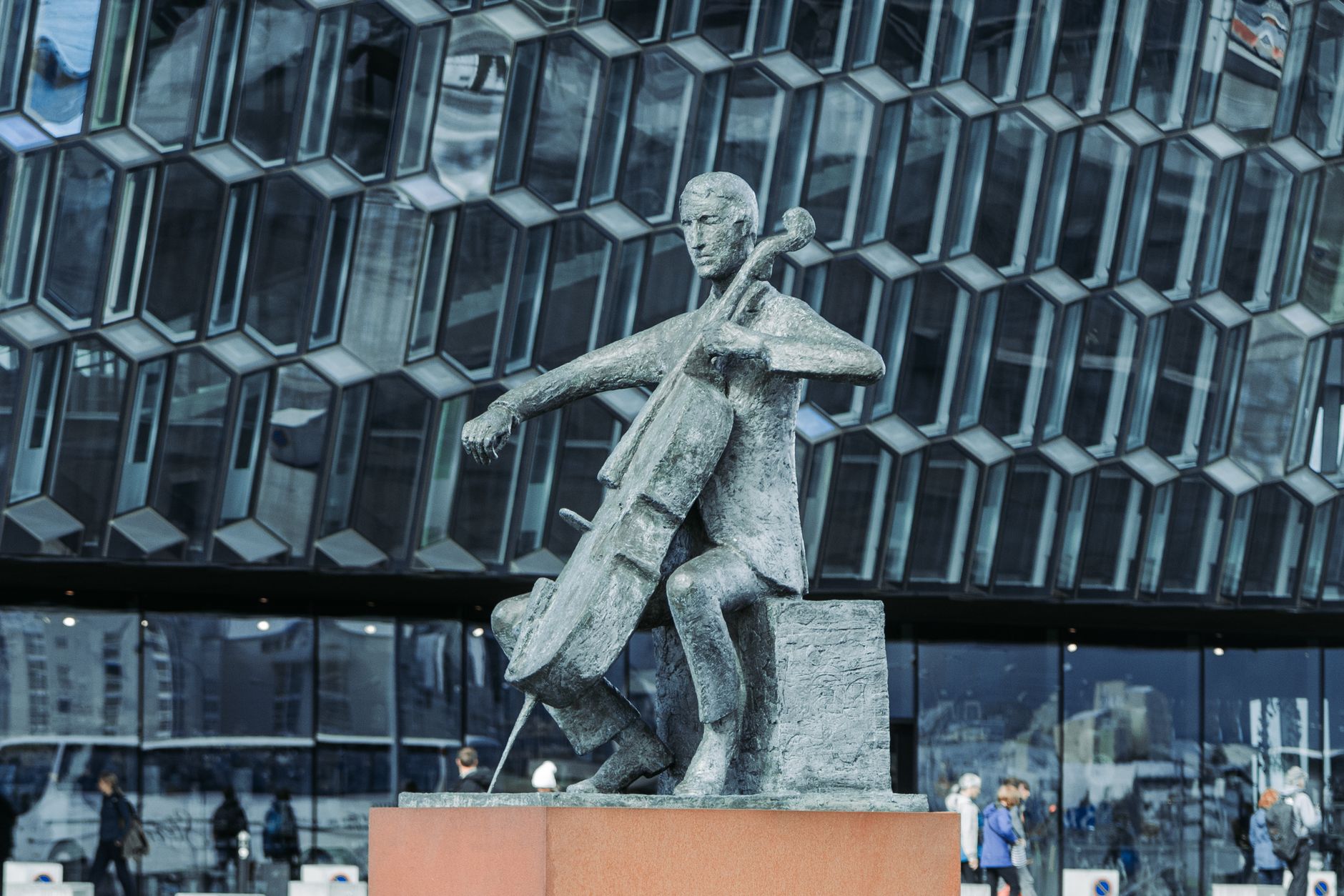
Study the basalt-inspired concrete facade of Hallgrímskirkja and the geometric glass honeycomb facade of Harpa Concert Hall on the waterfront.
Street Food in Reykjavík Capital Region Iceland
Line up at Bæjarins Beztu Pylsur for lamb hot dogs with crispy onions, sweet mustard, and remoulade, or grab warm cinnamon buns from Brauð & Co.
Maritime History in Reykjavík Capital Region Iceland
Board the preserved Coast Guard vessel Óðinn at the Maritime Museum in Grandi to understand the bitter 20th-century Cod Wars.
Craft Beer in Reykjavík Capital Region Iceland
Sample local stouts and pale ales brewed with pure glacial water at Skúli Craft Bar or Malbygg taps along the central streets.
Modern Art in Reykjavík Capital Region Iceland
Browse Nordic contemporary installations at the Reykjavík Art Museum's Hafnarhús warehouse and the sculpture garden behind the Einar Jónsson Museum.
Coastal Walks in Reykjavík Capital Region Iceland
Follow the paved shoreline path past the Sun Voyager steel sculpture toward the quiet Grótta lighthouse on the Seltjarnarnes peninsula.
Coffee Culture in Reykjavík Capital Region Iceland
Sit with single-origin filter roasts and cardamom buns at Kaffitár or Reykjavík Roasters near the quiet square of Kárastígur.
Historic Houses in Reykjavík Capital Region Iceland
Walk the compact streets of Þingholtin to see turf-insulated foundations and colourful corrugated-iron homes dating to the 1890s.
Independent Bookshops in Reykjavík Capital Region Iceland
Browse translated Icelandic sagas and poetry at Bókin or Mál og Menning, lingering with coffee among stacks of local literature.
Day Trips in Reykjavík Capital Region Iceland
Drive forty minutes south to the steaming lava fields of Reykjanes or inland to the historic continental rift at Þingvellir National Park.