Vík í Mýrdal.


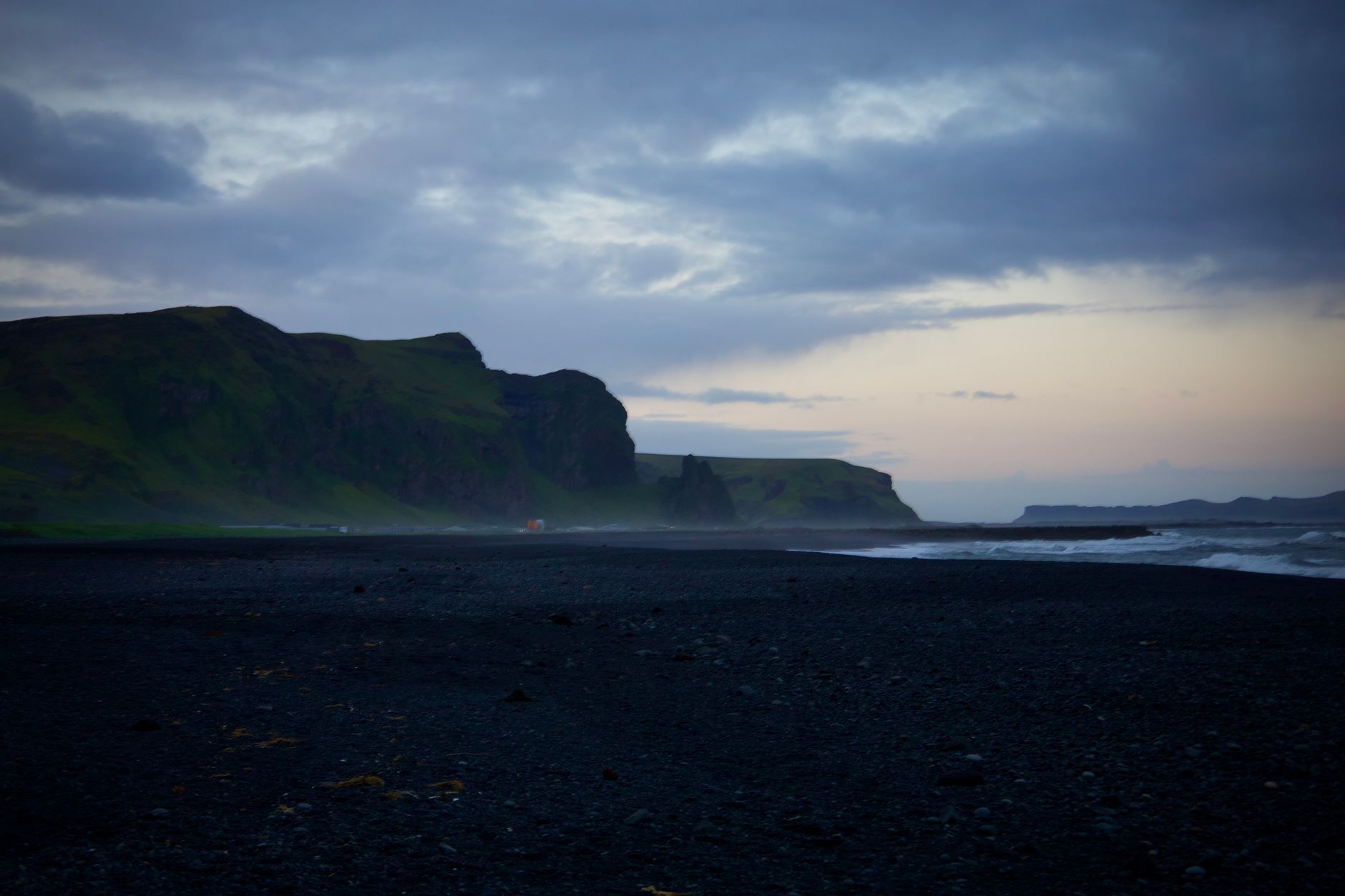

Gravel crunches beneath heavy boots as the North Atlantic rolls in cold and relentless against basalt sand. Vík sits directly beneath the Katla volcano, marked by its red-roofed 1934 church on the hill and sea stacks rising like petrified masts from the surf. You walk between quiet turf-roofed houses, eat smoked char, and brace against wind that could strip paint from a rental car. It is dramatic, stripped of pretension, and entirely elemental.
Last updated 2 Sept 2026
Build a Vík í Mýrdal itinerary.
Choose up to 4 threads that pull you in. Your plan arrives organised around them.
The Bed
Where to stay in Vík í Mýrdal
Which part of town to book, and what each one costs you in walking, noise or quiet.
The Comparison
Vík í Mýrdal, or somewhere near it
The places you are realistically choosing between, and the honest case for each.
The Local Record
Where to read more about Vík í Mýrdal
The blogs, boards, guides and operators worth bookmarking.
What to do in Vík í Mýrdal South Iceland Iceland
Vík is shaped by the curve of Route 1 and the shadow of Mount Reynisfjall. Days here orbit the elements: checking weather radars, walking the basalt shore, and drying wool socks beside a radiator. It suits travellers who welcome the raw edge of the North Atlantic and prefer quiet evenings over curated nightlife, with everything in the village reachable on foot in fifteen minutes.
24 hours in Vík í Mýrdal South Iceland Iceland
Spend your morning walking the black sands of Víkurfjara before climbing to Víkurkirkja for the view. Grab a bowl of hot lamb soup at a local cafe by midday, then drive ten minutes to the basalt columns of Reynisfjara. Wind down the evening over pan-fried Arctic char in the village centre. Select 1 Day above to see it.
2 days in Vík í Mýrdal South Iceland Iceland
A second day lets you drive fifteen minutes west to Dyrhólaey promontory to watch seabirds above the rock arch. Head inland to the quiet valleys near Þakgil for a rugged canyon walk, then return to Vík for a bowl of creamy fish stew and local craft beer as the coastal fog rolls in. Choose 2 Days to expand the plan.
3 days in Vík í Mýrdal South Iceland Iceland
Three days opens up a morning on Sólheimajökull glacier with crampons, followed by a drive east to the moss-covered lava fields of Eldhraun. You can take your time at the Skógar Folk Museum, admiring historic turf farmhouses without the rush of tour bus schedules.
Vík í Mýrdal South Iceland Iceland itineraries by interest
Coastal Walks in Vík í Mýrdal South Iceland Iceland
Walk the black sands of Víkurfjara toward the Reynisdrangar sea stacks, timing your steps carefully around the powerful Atlantic swell.
Volcanic Geology in Vík í Mýrdal South Iceland Iceland
Study basalt columns at Reynisfjara and track the seismic history of Katla, the ice-capped volcano sleeping right above the village.
Bird Watching in Vík í Mýrdal South Iceland Iceland
Scan the sheer cliffs of Reynisfjall for nesting Atlantic puffins and fulmars between May and August, easily reached via the steep ridge trail.
Wool Craft in Vík í Mýrdal South Iceland Iceland
Browse unspun lopi yarn and hand-knitted lopapeysa sweaters at the local Vík wool centre, spun from tough double-coated Icelandic fleece.
Traditional Food in Vík í Mýrdal South Iceland Iceland
Try creamy plokkfiskur fish stew served with dense dark rye bread, or roasted Arctic char caught in glacial rivers nearby.
Sacred Architecture in Vík í Mýrdal South Iceland Iceland
Climb the gravel path to Víkurkirkja, the 1934 white church with a red roof that doubles as the town evacuation point during an eruption.
Glacier Treks in Vík í Mýrdal South Iceland Iceland
Gear up with crampons for guided walks across the blue ice ridges and volcanic ash bands of nearby Sólheimajökull glacier tongue.
Coastal Caves in Vík í Mýrdal South Iceland Iceland
Inspect the cavernous Hálsanefshellir sea cave, carved out of hexagonal basalt pillars along the pounding edge of Reynisfjara beach.
Baking Traditions in Vík í Mýrdal South Iceland Iceland
Warm up with freshly baked cinnamon snúðar and rye bread pots steamed slowly in geothermal ground at local village bakeries.
Day Trips in Vík í Mýrdal South Iceland Iceland
Drive west to the thundering curtains of Skógafoss and Seljalandsfoss, or east toward the mossy expanse of the Eldhraun lava field.
Canyon Hiking in Vík í Mýrdal South Iceland Iceland
Hike along the rim of Fjaðrárgljúfur, a sheer 100-metre-deep canyon carved through hyaloclastite rock by melting glacial floods.
Lighthouse Trails in Vík í Mýrdal South Iceland Iceland
Follow the coastal promontory road up to Dyrhólaey lighthouse for sweeping panoramic views over the black arch and miles of empty shore.