Riverton.


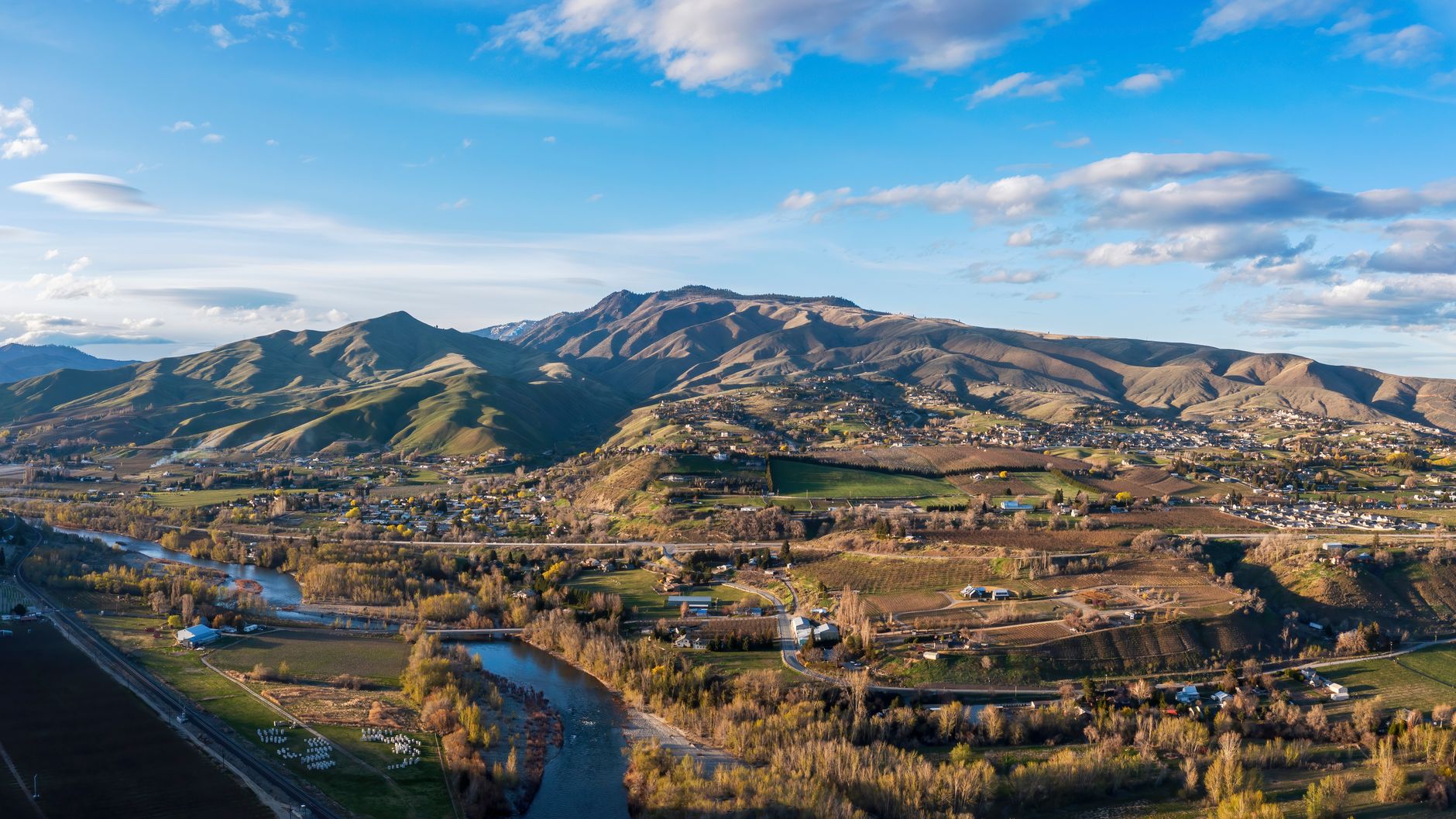


Riverton sits thirty minutes west of Invercargill along State Highway 99, where the Aparima River meets Foveaux Strait. It is one of the oldest permanent settlements in the country, built around whaling stations, flax milling, and estuary fishing. Riverton is worth visiting if you want wild southern beaches, fresh blue cod, and unvarnished coastal history. Look elsewhere if you need polished nightlife, upscale shopping, or reliable resort weather.
Last updated 12 Nov 2026
Build a Riverton itinerary.
Choose up to 4 threads that pull you in. Your plan arrives organised around them.
The Bed
Where to stay in Riverton
Which part of town to book, and what each one costs you in walking, noise or quiet.
The Comparison
Riverton, or somewhere near it
The places you are realistically choosing between, and the honest case for each.
The Local Record
Where to read more about Riverton
The blogs, boards, guides and operators worth bookmarking.
What to do in Riverton Southland New Zealand
The town straddles the Aparima River bridge, separating the historic centre from the residential headlands of Riverton Rocks. Days naturally tick to the rhythm of the tides, dog walkers on Taramea Bay, and the hum of diesel trollers returning to the jetty. It suits travellers who appreciate salt air, quiet roads, and an honest plate of fish without tourist gloss.
24 hours in Riverton Southland New Zealand
Start with a warm flat white and a Southland cheese roll on Palmerston Street before visiting Te Hikoi Museum. Drive five minutes south to walk the wind-beaten headland at Howell's Point, then pick up hot blue cod and chips to eat on the bench above Taramea Bay. Select 1 Day above to see it.
2 days in Riverton Southland New Zealand
Spend your second morning climbing the forested tracks of Mores Scenic Reserve for views across Foveaux Strait. Head ten minutes west along State Highway 99 to Colac Bay for a beach walk among the surf breaks, followed by a pub meal by the fire. Choose 2 Days to expand the plan.
3 days in Riverton Southland New Zealand
A third day allows an unhurried drive along the Southern Scenic Route to Orepuki and McCracken's Rest, stopping to scramble onto the rock shelf at Monkey Island at low tide. Return through Tuatapere for a traditional venison sausage before an evening stroll on Mitchells Bay.
Riverton Southland New Zealand itineraries by interest
Local Seafood in Riverton Southland New Zealand
Order pan-fried blue cod, battered flounder, and minced paua patties straight from takeaway counters near the wharf on Palmerston Street.
Coastal Walks in Riverton Southland New Zealand
Follow the coastal trail around Howell's Point Reserve for views across Foveaux Strait toward Stewart Island, watching for feeding hector dolphins.
Maritime History in Riverton Southland New Zealand
Tour the Te Hikoi Museum on Palmerston Street to trace early whaling stations, sealers, and early interactions between southern Maori and settlers.
Surfing in Riverton Southland New Zealand
Paddle into consistent point breaks and beach peaks at Taramea Bay and Colac Bay, where southwest swells hit the rocky headlands cleanly.
Art Galleries in Riverton Southland New Zealand
Browse working ceramic studios, bone carvings, and painter workshops scattered along Palmerston Street and nearby seaside backroads.
Birdwatching in Riverton Southland New Zealand
Spot royal spoonbills, godwits, and southern black-backed gulls working the mudflats along the Jacobs River Estuary at low tide.
Heritage Architecture in Riverton Southland New Zealand
Walk past nineteenth-century timber cottages and stone storehouses built during the flax and timber boom along the Aparima waterfront.
Estuary Kayaking in Riverton Southland New Zealand
Launch a kayak into the sheltered waters of the Jacobs River Estuary on calm mornings to drift past roosting waders and tidal sandbars.
Beachcombing in Riverton Southland New Zealand
Search the driftwood piles and rocky shelves of Mitchells Bay for Southland paua shells, greenstone pebbles, and smooth quartz agates.
Day Trips in Riverton Southland New Zealand
Drive west along the Southern Scenic Route toward Colac Bay, Monkey Island, and the ancient fossil forest exposed at Curio Bay.
Native Bush Walks in Riverton Southland New Zealand
Trek through the coastal podocarp canopy in Mores Scenic Reserve, taking the hilltop track for panoramic views over the Southland plains.
Local Cafes in Riverton Southland New Zealand
Stop in town for cheese rolls, flat whites, and fruit pies baked daily by counter staff who know half the room by their first name.