Sarajevo.


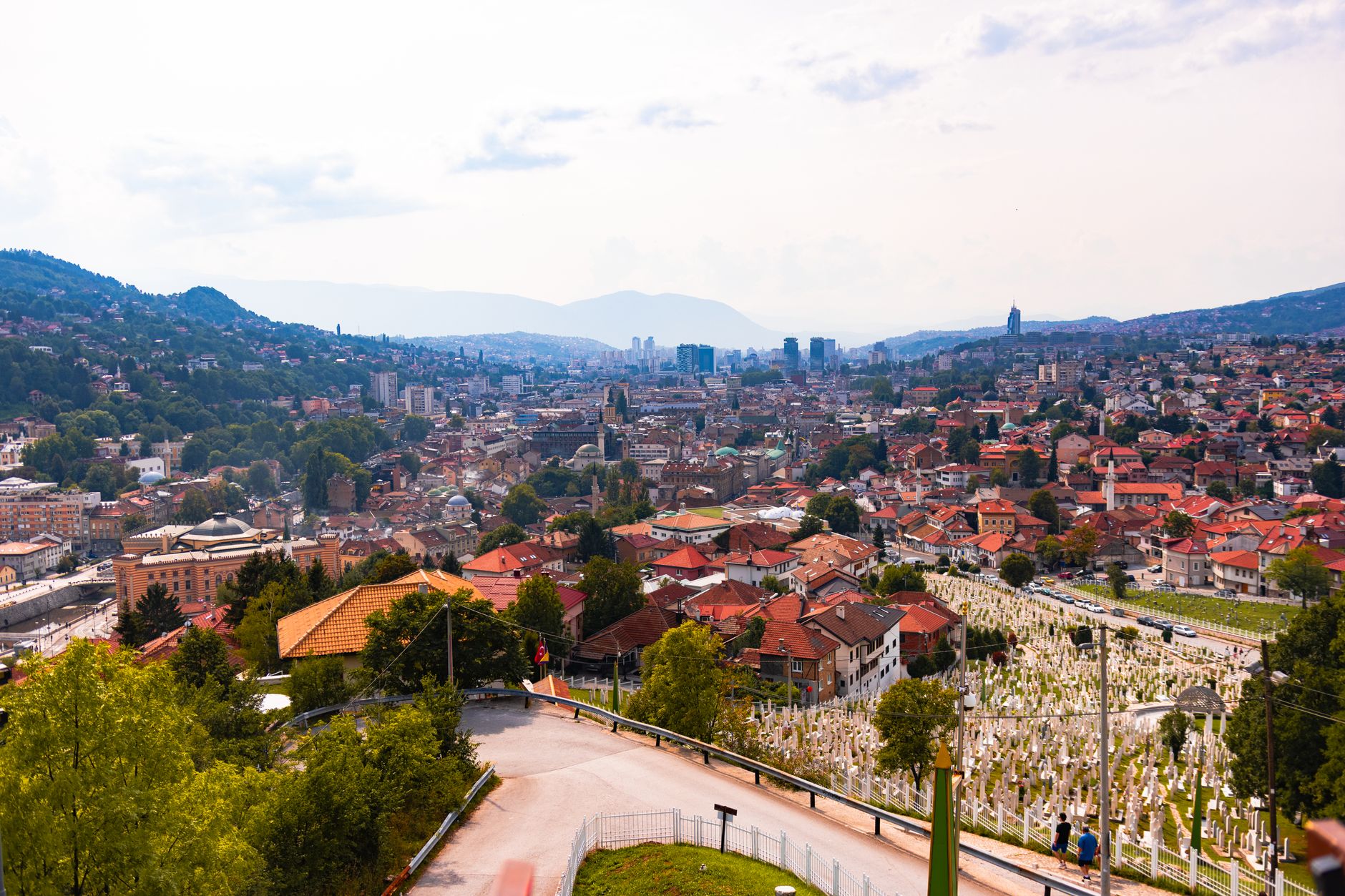


Located in the Dinaric Alps around two hours north of Mostar by a scenic mountain train, Sarajevo is the crossroads where Ottoman alleyways meet Austro-Hungarian facades. The city is renowned for its centuries-old coffee culture, charcoal-grilled meats, and a complex twentieth-century history etched into its concrete. Sarajevo is worth visiting if you want to drink unfiltered coffee poured from copper pots, examine modern history where it happened, and eat warm pita straight from neighbourhood ovens. Look elsewhere if you want coastal beaches, sleek public transit, high-end luxury shopping, or an itinerary free of heavy modern history.
Last updated 9 Sept 2026
Build a Sarajevo itinerary.
Choose up to 4 threads that pull you in. Your plan arrives organised around them.
The Bed
Where to stay in Sarajevo
Which part of town to book, and what each one costs you in walking, noise or quiet.
The Comparison
Sarajevo, or somewhere near it
The places you are realistically choosing between, and the honest case for each.
The Local Record
Where to read more about Sarajevo
The blogs, boards, guides and operators worth bookmarking.
What to do in Sarajevo Sarajevo Bosnia and Herzegovina
Sarajevo sits along the Miljacka River in a long valley framed by steep hills. A single stroll takes you from the low stone arches of the Ottoman Bascarsija to the grand neo-Renaissance buildings of Ferhadija street. Days revolve around leisurely coffee, platefuls of grilled meats, and walks up to hillside viewpoints. It suits travellers who appreciate layered history, hearty regional cooking, and cities best navigated on foot.
24 hours in Sarajevo Sarajevo Bosnia and Herzegovina
Start with morning coffee and fresh burek in Bascarsija before visiting the Gazi Husrev-beg Mosque and the Latin Bridge. Ride the cable car up Mount Trebevic in the afternoon to walk the old bobsleigh track. Return for cevapi at Zeljo, finishing at the Yellow Fortress for the evening call to prayer over the valley. Select 1 Day above to see it.
2 days in Sarajevo Sarajevo Bosnia and Herzegovina
Spend your second day outside the old core. Tour the Tunnel of Hope near Ilidza to grasp the 1990s siege, then visit the War Childhood Museum. For dinner, head across the river to Bistrik for slow-cooked veal shank, local sour cherry brandy, and a glass of dry Blatina red wine. Choose 2 Days to expand the plan.
3 days in Sarajevo Sarajevo Bosnia and Herzegovina
With a third day, board the early train to Mostar, cutting through the dramatic Neretva River canyon. Alternatively, hire a driver for the day to explore the cold mountain spring at Vrelo Bosne or the Ottoman dervish monastery built into the limestone cliff face at Blagaj.
Sarajevo Sarajevo Bosnia and Herzegovina itineraries by interest
Street Food in Sarajevo Sarajevo Bosnia and Herzegovina
Order ten pieces of cevapi tucked into hot somun bread with raw diced onion and thick kajmak cheese at Cevabdzinica Zeljo in Bascarsija.
Coffee Culture in Sarajevo Sarajevo Bosnia and Herzegovina
Sip thick bosanska kafa served in a copper dzezva with a sugar cube and rahat lokum along the flagstones of Kazandziluk street.
Sacred Architecture in Sarajevo Sarajevo Bosnia and Herzegovina
Walk between the 1530 Gazi Husrev-beg Mosque, the Sacred Heart Cathedral, and the Old Jewish Synagogue, all within a few central blocks.
Modern History in Sarajevo Sarajevo Bosnia and Herzegovina
Inspect the 1914 Latin Bridge assassination site, the Tunnel of Hope by the airport, and the poignant displays at the War Childhood Museum.
Craft Traditions in Sarajevo Sarajevo Bosnia and Herzegovina
Listen to coppersmiths hammering ornate ibrik pots and serving trays along the narrow medieval shopfronts of Kazandziluk.
Baked Goods in Sarajevo Sarajevo Bosnia and Herzegovina
Buy warm rolled burek stuffed with spiced minced meat or sirnica with fresh curd cheese by weight from classic spots like Buregdzinica Sac.
Mountain Hiking in Sarajevo Sarajevo Bosnia and Herzegovina
Take the rebuilt cable car up Mount Trebevic to explore the forested trails and the graffiti-covered concrete 1984 Olympic bobsleigh track.
Scenic Viewpoints in Sarajevo Sarajevo Bosnia and Herzegovina
Climb the cobblestone switchbacks up to Zuta Tabija, the Yellow Fortress, just before sunset to watch the valley light up as calls to prayer echo.
Regional Wine in Sarajevo Sarajevo Bosnia and Herzegovina
Sample crisp white Zilavka and mineral-driven red Blatina wines produced in the southern sun-baked vineyards of nearby Herzegovina.
Produce Markets in Sarajevo Sarajevo Bosnia and Herzegovina
Browse smoked meats, wheels of Livno sheep cheese, and seasonal berries at the indoor Markale market hall and outdoor stalls.
Riverside Walks in Sarajevo Sarajevo Bosnia and Herzegovina
Follow the Miljacka River past stone bridges and the ornate neo-Moorish Vijecnica, the meticulously restored National Library.
Day Trips in Sarajevo Sarajevo Bosnia and Herzegovina
Ride the morning train south down the canyon to Mostar or head to the springs and Ottoman village of Blagaj beside the Buna River.