

Stavanger sits on Norway's southwest coast, fifty minutes by air from Oslo, shaped by North Sea herring, canning, and offshore oil. It balances whitewashed timber neighbourhoods with sharp coastal restaurants and fast boats into Lysefjord. Stavanger is worth visiting if you want top-tier cold-water seafood, steep fjord walks, and well-preserved eighteenth-century wooden architecture. Look elsewhere if you want guaranteed sunshine, budget-friendly nights out, or sprawling metropolitan museums.
Last updated 16 Oct 2026
Build a Stavanger itinerary.
Choose up to 4 threads that pull you in. Your plan arrives organised around them.
The Bed
Where to stay in Stavanger
Which part of town to book, and what each one costs you in walking, noise or quiet.
The Comparison
Stavanger, or somewhere near it
The places you are realistically choosing between, and the honest case for each.
The Local Record
Where to read more about Stavanger
The blogs, boards, guides and operators worth bookmarking.
What to do in Stavanger Rogaland Norway
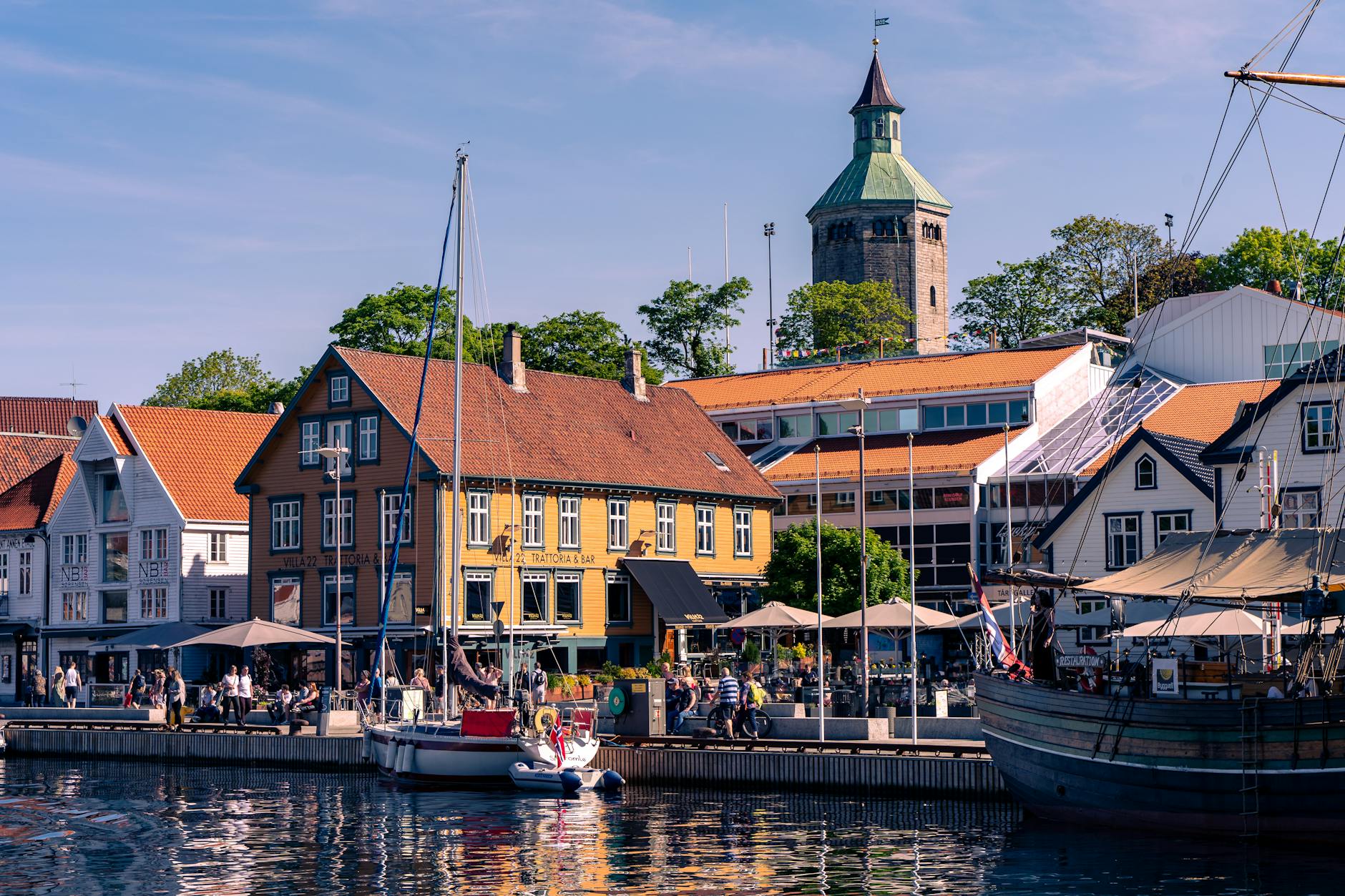
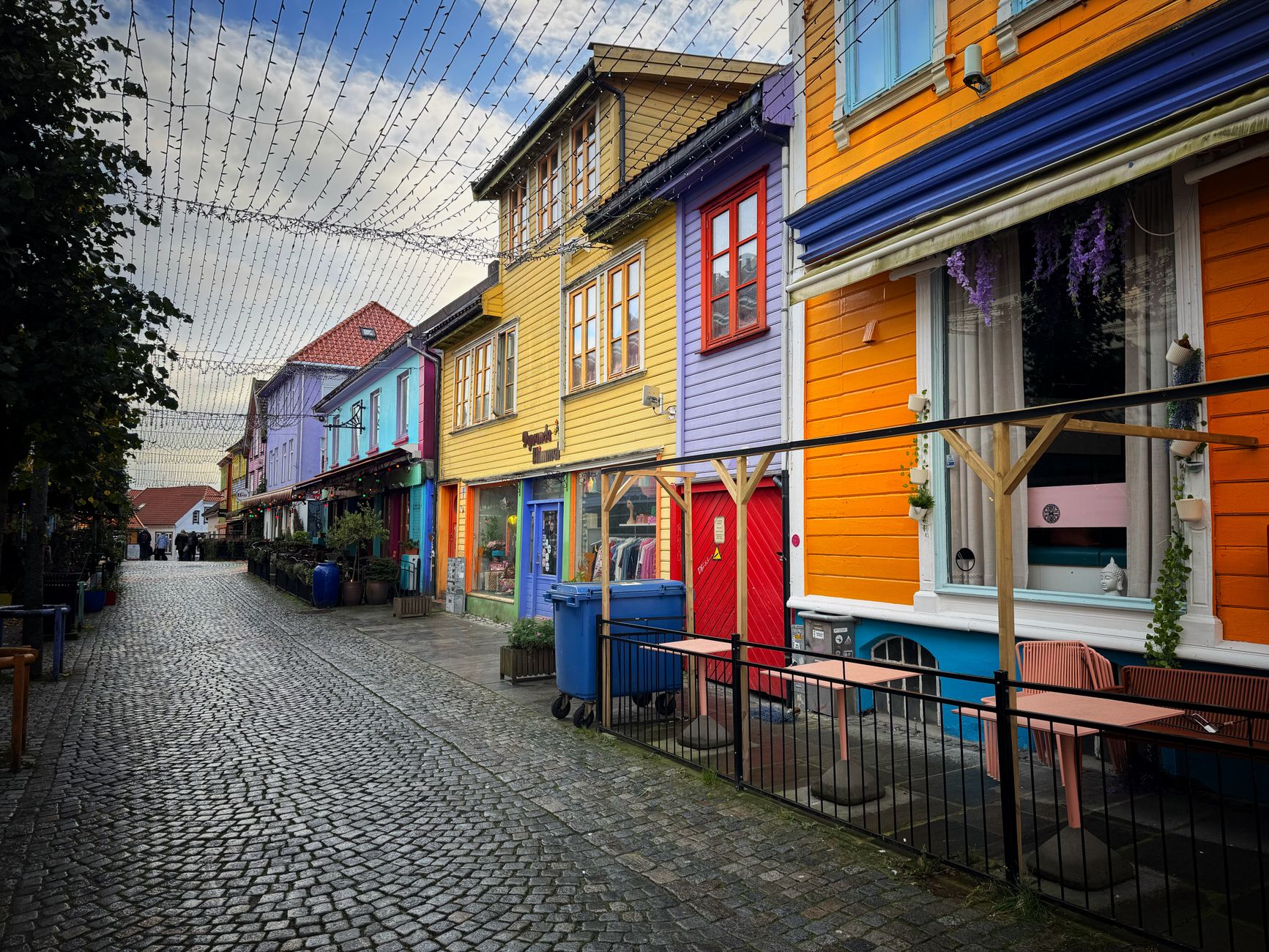
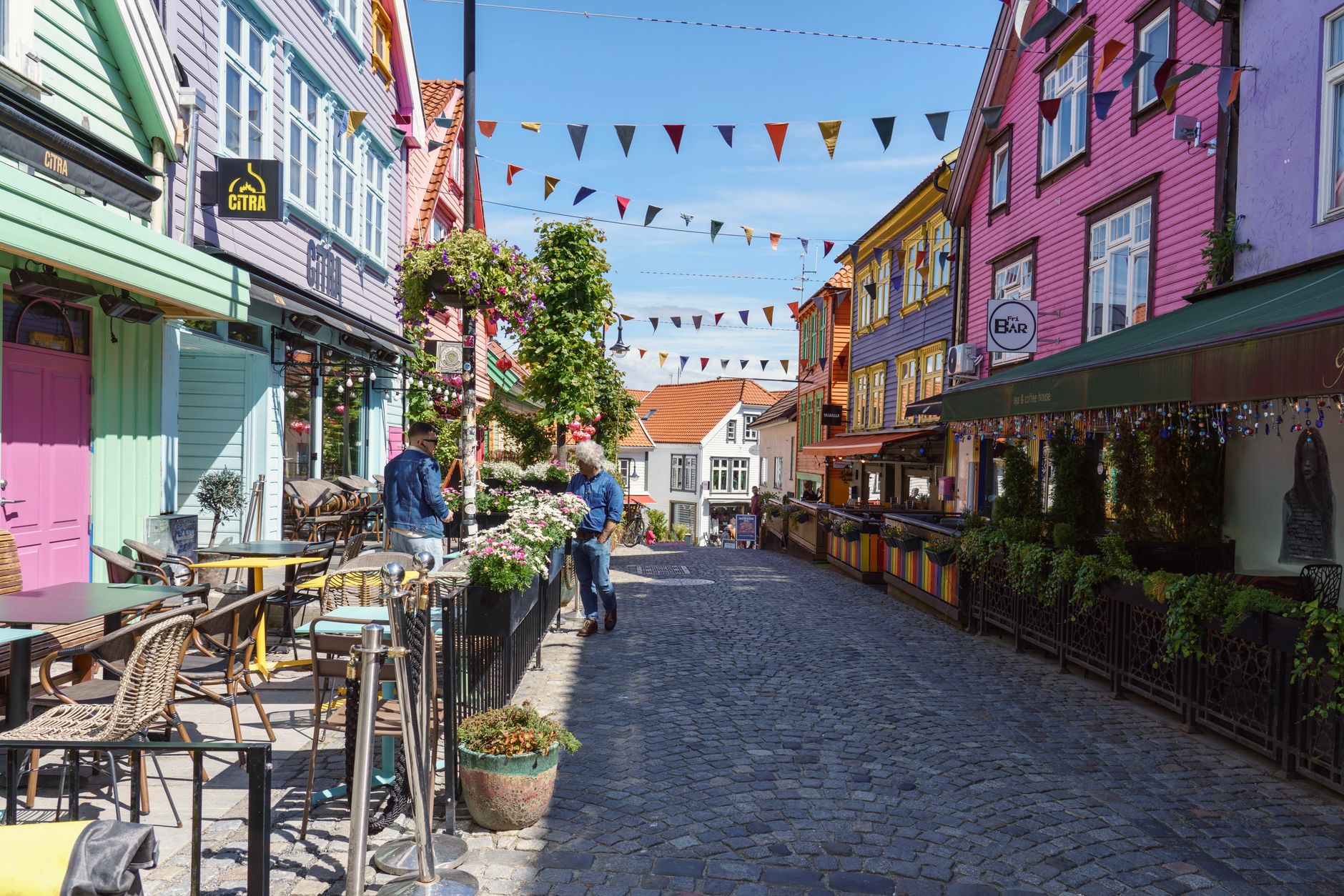
The harbour of Vågen anchors the town, flanked by the white wooden lanes of Gamle Stavanger to the west and colourful Øvre Holmegate to the east. Days revolve around weather windows, ferry timetables, and long meals of cold-water shellfish. It suits active travellers who appreciate compact walking distances, rich industrial history, and access to deep fjords without sacrificing comfortable beds and serious cooking.
24 hours in Stavanger Rogaland Norway
Start at eight with fresh buns on Øvre Holmegate, then walk the quiet cobbled alleys of Gamle Stavanger before the museum crowds arrive. Catch the noon ferry into Lysefjord, return by late afternoon, and finish with fresh steamed mussels and local cider along the stone quays of Skagenkaien. Select 1 Day above to see it.
2 days in Stavanger Rogaland Norway
Dedicate your second morning to the four-hour hike up Preikestolen, reachable by bus across the Ryfast tunnel. Return to town to explore the raw street art in the Storhaug neighbourhood, then book a table for salted cod and local root vegetables at a quiet bistro near the cathedral. Choose 2 Days to expand the plan.
3 days in Stavanger Rogaland Norway
Ride the local train south to the sweeping dunes of Jæren at Borestranda for empty coastal walking and sharp sea air. In the afternoon, explore the medieval stone cloisters of Utstein Abbey on Mosterøy, ending with cured meats and aged farmhouse cheeses back by the harbour.
Stavanger Rogaland Norway itineraries by interest
Local Seafood in Stavanger Rogaland Norway
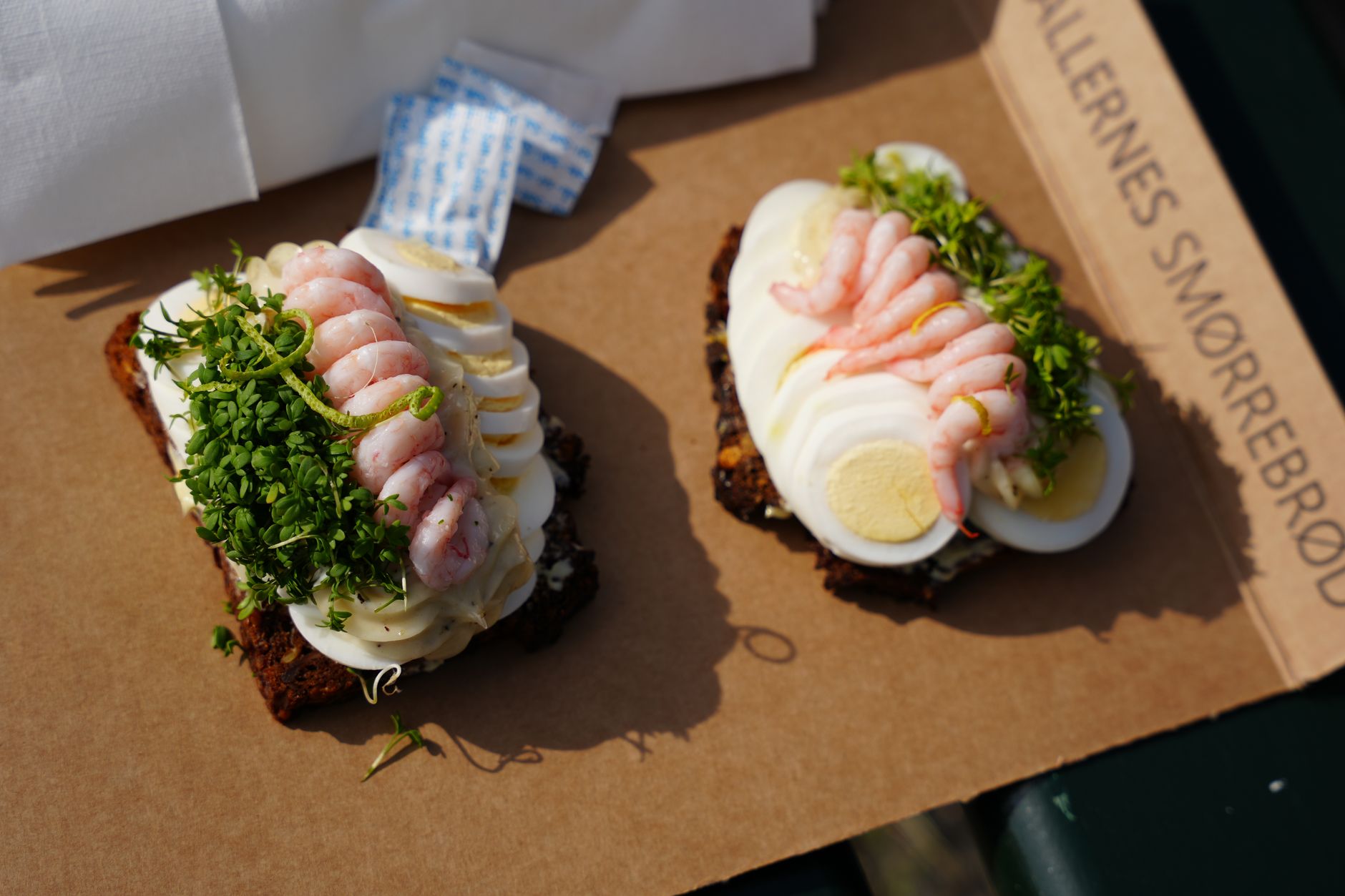
Slurp local brown crab, cold-water prawns from the harbour skiffs, and line-caught cod served with butter sauces across Vågen docks.
Maritime History in Stavanger Rogaland Norway
Tour the preserved Canning Museum in Gamle Stavanger and the Petroleum Museum for an unvarnished look at deep-sea roughnecks and sardine workers.
Historic Architecture in Stavanger Rogaland Norway
Wander Gamle Stavanger, an enclave of 173 whitewashed wooden cottages from the 18th century, and the 12th-century Anglo-Norman Stavanger Cathedral.
Hiking in Stavanger Rogaland Norway
Take the morning express bus to Preikestolen for a four-hour return trek climbing 350 vertical metres over granite plateaus above Lysefjord.
Street Art in Stavanger Rogaland Norway
Trace large murals across the eastern docks and Storhaug, relics of the annual Nuart festival that cover concrete silos and brick walls.
Fine Dining in Stavanger Rogaland Norway
Book months early for multi-course foraging and seafood menus at RE-NAA or Sabi Omakase, where local langoustines meet meticulous craft.
Fjord Cruises in Stavanger Rogaland Norway
Board electric catamarans from Strandkaien for a three-hour run past the sheer granite walls of Lysefjord and the mist of Hengjanefossen.
Coastal Walks in Stavanger Rogaland Norway
Walk the windswept coastal paths and shifting sand dunes at Jæren beaches, twenty minutes south by local train to Borestranda.
Craft Beer in Stavanger Rogaland Norway
Sample local farmhouse ales and barrel-aged stouts at Lervig Local or Cardinal Pub, which keeps hundreds of international and Norwegian bottles.
Bakeries & Cafes in Stavanger Rogaland Norway
Grab cardamom buns and dense rye loaves at Kanelsnurren or settle into Bøker og Børst on colourful Øvre Holmegate for pour-over coffee.
Day Trips in Stavanger Rogaland Norway
Take the passenger ferry to Flor og Fjære on Sør-Hidle island for manicured palm gardens, or catch the express boat out to the island of Utstein.
Modern Art in Stavanger Rogaland Norway
Visit Stavanger Art Museum by Lake Mosvatnet, home to Lars Hertervig's moody 19th-century coastal landscapes and contemporary regional works.