

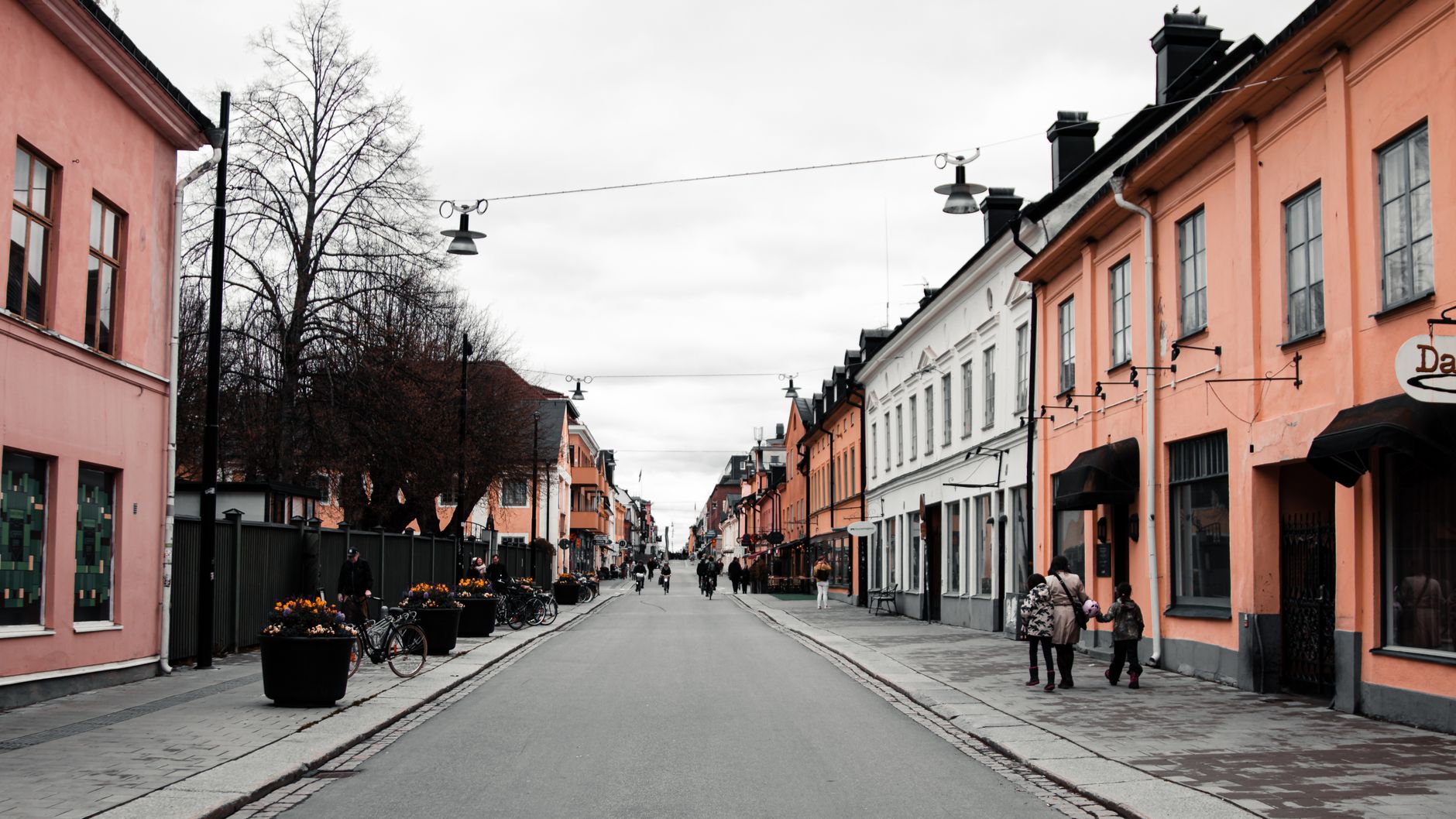


Thirty-eight minutes north of Stockholm by direct train from Central Station, Uppsala is Sweden’s historic intellectual capital. The city is defined by Scandinavia’s oldest university, founded in 1477, and the towering brick cathedral where Swedish monarchs were crowned. Fyrisån river splits the old cobblestone quarter from modern shops. Uppsala is worth visiting if you want monumental Gothic brickwork, layered Viking burial mounds, and riverside fika without Stockholm prices. Look elsewhere if you want public nightlife outside student-only clubs, coastal scenery, or the fast pace and luxury shopping of a major metropolis.
Last updated 9 Sept 2026
Build a Uppsala itinerary.
Choose up to 4 threads that pull you in. Your plan arrives organised around them.
The Bed
Where to stay in Uppsala
Which part of town to book, and what each one costs you in walking, noise or quiet.
The Comparison
Uppsala, or somewhere near it
The places you are realistically choosing between, and the honest case for each.
The Local Record
Where to read more about Uppsala
The blogs, boards, guides and operators worth bookmarking.
What to do in Uppsala Uppland Sweden
Uppsala centers neatly on the Fyrisån river, with the historic academic quarter rising west toward the cathedral and the railway and commercial grid laid out to the east. Daily life moves on two wheels and pauses for coffee. It is a compact, walkable town suited to travellers who like deep history, grand brick architecture, quiet gardens, and slow afternoons in classic konditori without having to navigate metropolitan chaos.
24 hours in Uppsala Uppland Sweden
Start early at Uppsala Cathedral before the tour groups land, then cross the lawn to Gustavianum. Grab a cardamombulle at Güntherska by the water for lunch, climb the hill to Uppsala Slott for the afternoon view, and end with traditional Wallenbergare meatballs at a bistro near Svartbäcksgatan. Select 1 Day above to see it.
2 days in Uppsala Uppland Sweden
Take bus 4 out to Gamla Uppsala to walk the 6th-century royal mounds and visit the open-air Disagården farmstead. Return to town for lunch, spend the afternoon among the medicinal beds at Linnéträdgården, and try local sour ales and cured arctic char along Dragarbrunn in the evening. Choose 2 Days to expand the plan.
3 days in Uppsala Uppland Sweden
A third day allows a ride on the historic Lennakatten steam railway out to the lake at Faringe, or a quiet excursion to the 17th-century ironworks village of Lövstabruk. Back in the city, linger through the botanical glasshouses or rent a bicycle to pedal south along the river.
Uppsala Uppland Sweden itineraries by interest
Sacred Architecture in Uppsala Uppland Sweden
Stand beneath the towering 119-metre brick spires of Uppsala Cathedral, burial place of King Gustav Vasa and botanist Carl Linnaeus.
Academic Heritage in Uppsala Uppland Sweden
Tour the 1620s anatomical theatre at Museum Gustavianum and inspect the 6th-century Silver Bible housed inside the Carolina Rediviva library.
Botanical Gardens in Uppsala Uppland Sweden
Walk the restored 18th-century planting beds at Linnéträdgården and explore the tropical glasshouses and baroque parterres at Botaniska trädgården.
Archaeological Sites in Uppsala Uppland Sweden
Inspect the three massive 6th-century royal burial mounds at Gamla Uppsala, followed by a glass of local mead at the adjacent museum.
Cafe Culture in Uppsala Uppland Sweden
Order cardamom buns, princess cake, and dark roast coffee at century-old bakeries like Güntherska Hovkonditori along the Fyrisån river.
Castles & Fortresses in Uppsala Uppland Sweden
Walk the pink 16th-century ramparts of Uppsala Slott for sweeping views across the university gardens and the historic church spires.
Traditional Dining in Uppsala Uppland Sweden
Eat classic husmanskost like venison meatballs, pickled herring, and fried salted pork with lingonberries at historic taverns near Svartbäcksgatan.
Riverside Walks in Uppsala Uppland Sweden
Follow the weeping willows and wooden footbridges along Fyrisån from the central falls down toward the open pastureland of Stadsträdgården.
Day Trips in Uppsala Uppland Sweden
Ride the narrow-gauge Lennakatten steam railway east into the Uppland countryside and the historic 17th-century ironworks at Vallonbruken.
Local Craft Beer in Uppsala Uppland Sweden
Sample farmhouse ales and craft porters at local microbreweries like Uppsala Brygghus and taprooms tucked behind Dragarbrunnsgatan.
City Parks in Uppsala Uppland Sweden
Rest your legs in Stadsträdgården with views of passing rowers, or stroll the quiet wooded paths around the university hospital grounds.
Museum Collections in Uppsala Uppland Sweden
View Augsburg Art Cabinets at Gustavianum and contemporary Nordic prints at Uppsala Konstmuseum inside the castle's south wing.