

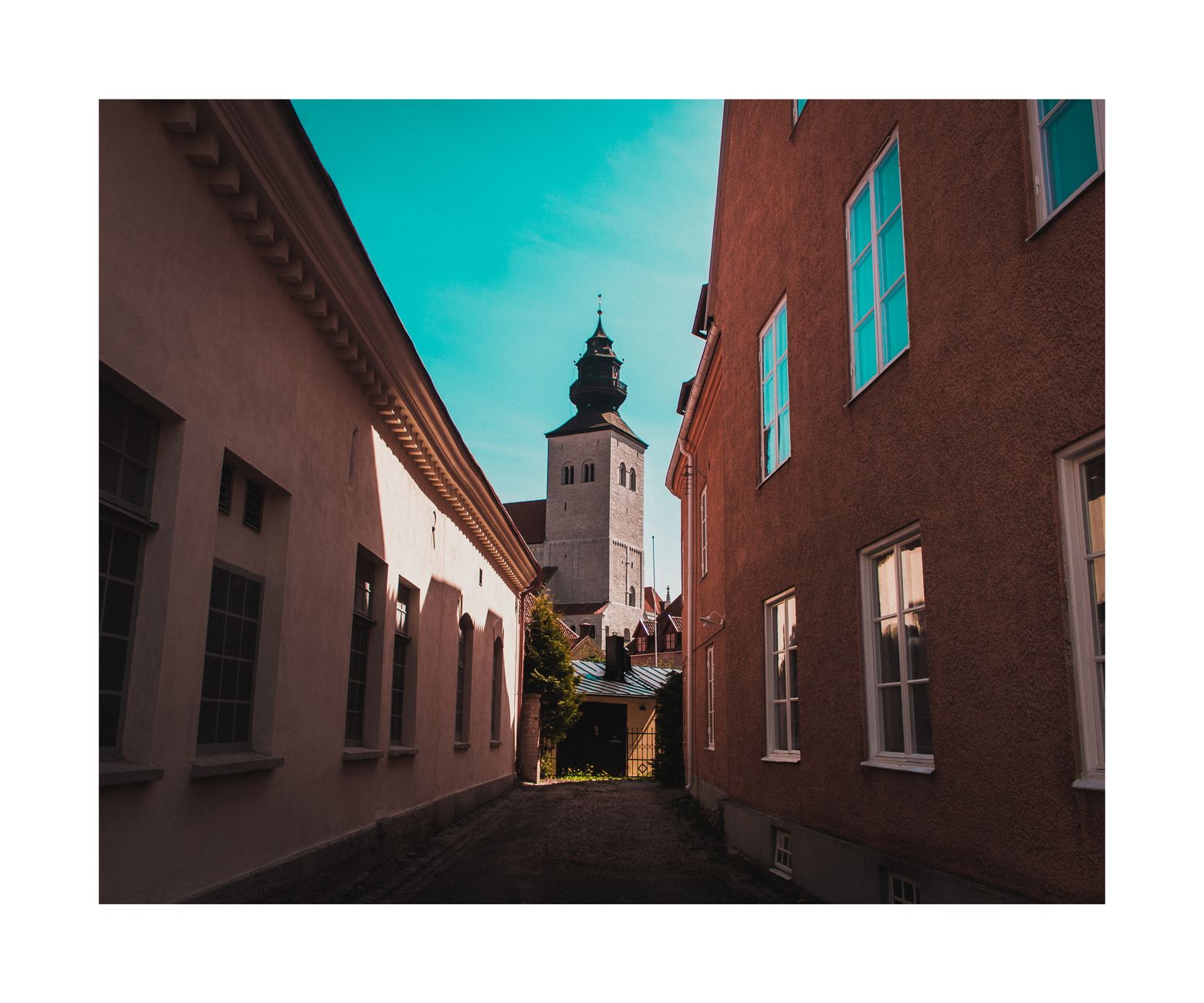
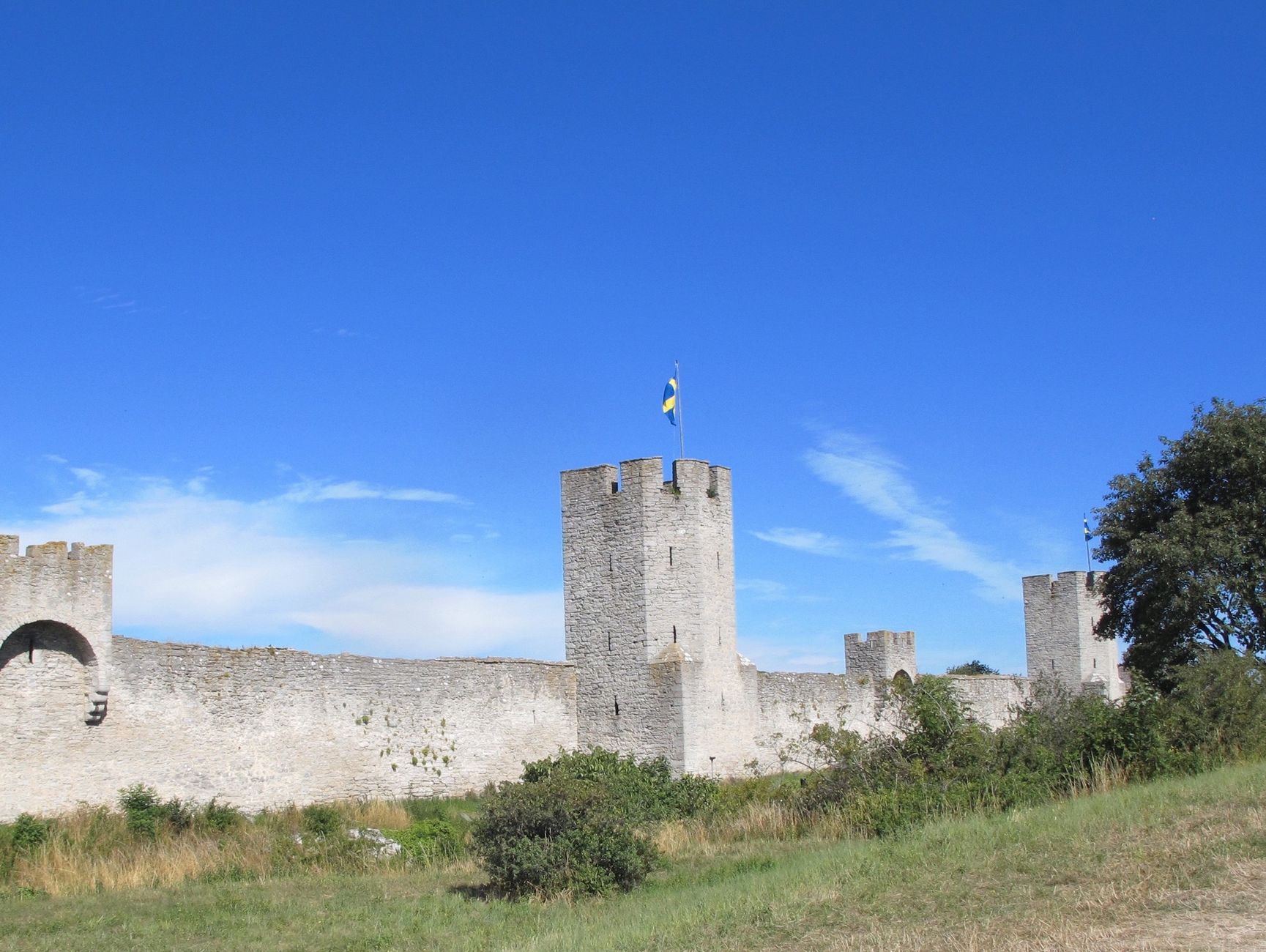

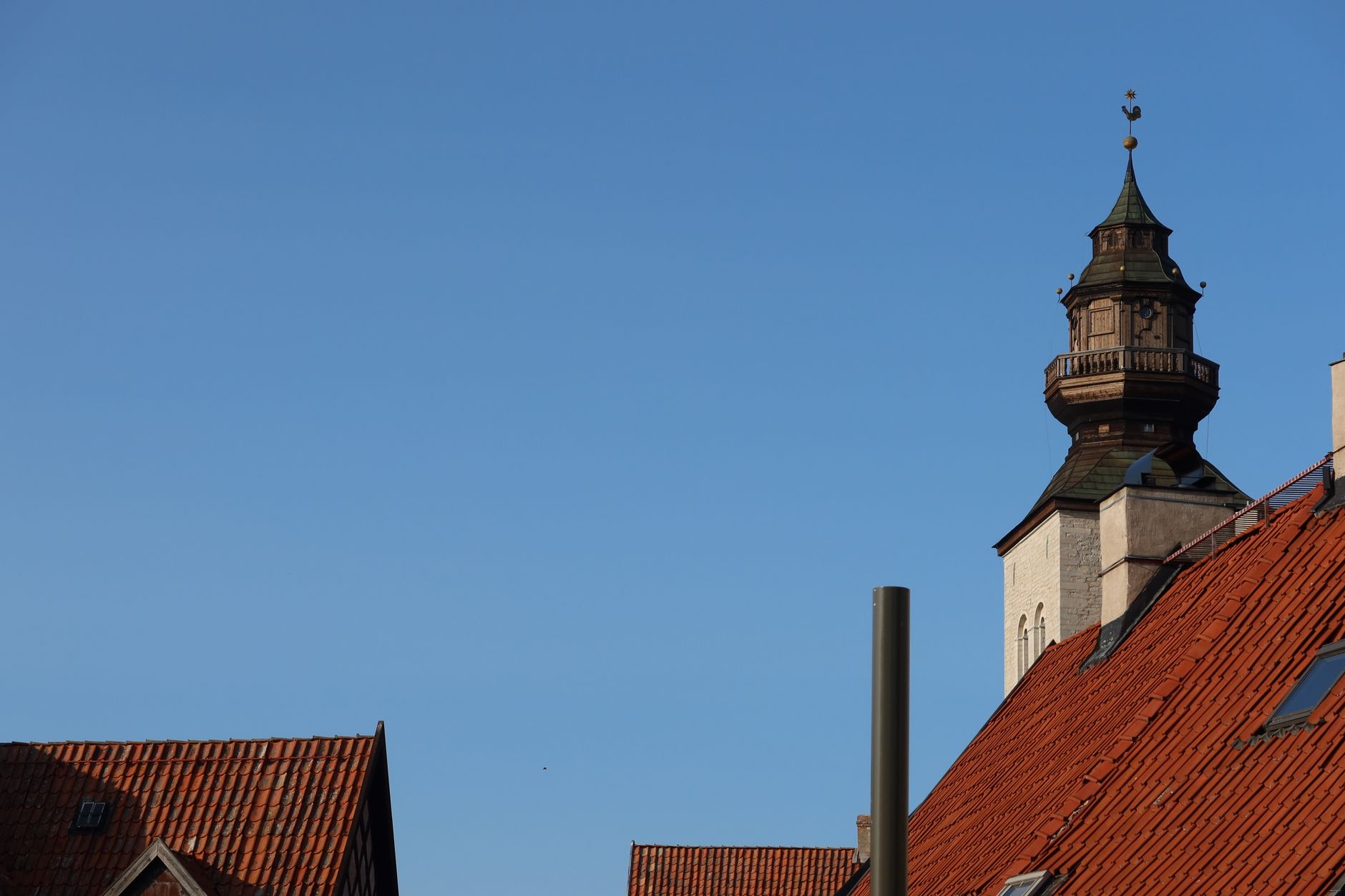
Limestone dust coats the cobbles along Strandgatan as the Baltic wind pushes past the harbour. Inside the 3.4-kilometre thirteenth-century ring wall, ruined Hanseatic churches stand roofless among steep lanes of pastel cottages and rosebushes. The incline from the water up to St. Nicolai will test your calves, though a warm cardamom bun softens the blow. Visby is worth visiting if you want to explore an intact medieval fortified port on foot and eat cold-smoked Baltic salmon by the ramparts. Look elsewhere if you need flat and accessible pavements, sandy resort beaches within walking distance, active nightlife outside of peak July, or a deep roster of indoor sights for rainy days.
Last updated 2 Sept 2026
Build a Visby itinerary.
Choose up to 4 threads that pull you in. Your plan arrives organised around them.
The Bed
Where to stay in Visby
Which part of town to book, and what each one costs you in walking, noise or quiet.
The Comparison
Visby, or somewhere near it
The places you are realistically choosing between, and the honest case for each.
The Local Record
Where to read more about Visby
The blogs, boards, guides and operators worth bookmarking.
What to do in Visby Gotland Sweden
Visby is built on limestone terraces stepping down to the Baltic, enclosed by northern Europe's best-preserved medieval city wall. Days here run on a steady rhythm of morning walks through church ruins like St. Nicolai, quiet coffee breaks with kardemummabullar on Mellangatan, and evening strolls along the seaside promenade. It suits travellers who like historic architecture, brisk coastal air, and unhurried dinners of island lamb and smoked fish.
24 hours in Visby Gotland Sweden
Start early at the Gotlands Museum before walking the interior ramparts of the Ringmuren. Grab a lunch of smoked Baltic herring at the harbour, then spend the afternoon navigating the cobbled alleys around Fiskargränd. Finish with Gotland lamb and saffranspannkaka near Stora Torget. The whole town is walkable across three kilometres. Select 1 Day above to see it.
2 days in Visby Gotland Sweden
Day two lets you rent a bicycle to pedal five kilometres north along the coast to the limestone cliffs of Galgberget. Head back through the DBW Botanical Garden for a quiet afternoon among fig trees and roses, then settle into a tavern on Wallers Plats for fried Gotland flounder and a pint of local juniper ale. Choose 2 Days to expand the plan.
3 days in Visby Gotland Sweden
A third day gives you time to take the 50-minute drive north and hop the free car ferry to Fårö. Spend the morning walking among the limestone rauk monoliths at Langhammars and eating crêpes at Kutens Bensin, before returning to Visby for a final sunset drink above the town on Kyrktrappan.
Visby Gotland Sweden itineraries by interest
Local Seafood in Visby Gotland Sweden
Eat hot-smoked Baltic herring, cured salmon, and fresh shrimp with dill mayonnaise at the harbour shacks along Skeppsbron.
Sacred Architecture in Visby Gotland Sweden
Climb through the roofless nave of St. Karin and visit the twin towers of Visby Cathedral, consecrated in 1225.
Medieval History in Visby Gotland Sweden
Walk the 3.4-kilometre Ringmuren wall, punctuated by 36 towers, and see silver hoards at the Gotlands Museum on Strandgatan.
Regional Baking in Visby Gotland Sweden
Order traditional saffranspannkaka served with dewberry jam and whipped cream at family bakeries tucked behind Stora Torget.
Coastal Walks in Visby Gotland Sweden
Follow Strandpromenaden north along the stony shoreline for five kilometres from the harbour to the limestone bluffs of Galgberget.
Craft Traditions in Visby Gotland Sweden
Find Gotland curly sheepskin rugs, hand-thrown ceramics, and forged ironware in workshops lining Mellangatan and S:t Hansgatan.
Markets & Produce in Visby Gotland Sweden
Pick up local Gotland truffles, ramson butter, and cured lamb sausage from morning vendors trading on the cobbles of Stora Torget.
Botanical Gardens in Visby Gotland Sweden
Rest on the wooden benches in DBW's Botanical Garden near the sea wall, shaded by centuries-old walnut trees and climbing roses.
Day Trips in Visby Gotland Sweden
Drive north to the Fårö ferry to walk among giant sea stack rauk formations at Langhammars and visit the sandy bay of Sudersand.
Bicycle Touring in Visby Gotland Sweden
Rent a three-speed bike at the ferry terminal and cycle coastal routes past windmill ruins to the fishing village of Gnisvärd.
Local Beer & Spirits in Visby Gotland Sweden
Sample farmhouse Gotlandsdricka brew and juniper-forward spirits alongside smoked meats at tavern tables in the old town alleys.
Cliff Views in Visby Gotland Sweden
Climb the wooden steps to Kyrktrappan above the cathedral for a wide look across terracotta roofs and the open Baltic Sea at dusk.