



Wind cuts across the Kattegat, rattling the masts at the docklands before losing its teeth along the narrow cobbles of the Latin Quarter. Denmark’s second city sits low on the water, balancing fourteenth-century cathedral brickwork against the razor-sharp glass of modern dock redevelopments. You come here to walk easily: bakeries turn out cardamom buns at dawn, coffee bars brew with quiet precision, and the forest trails at Marselisborg run right down to the grey sea.
Last updated 2 Sept 2026
Build a Aarhus itinerary.
Choose up to 4 threads that pull you in. Your plan arrives organised around them.
The Bed
Where to stay in Aarhus
Which part of town to book, and what each one costs you in walking, noise or quiet.
The Comparison
Aarhus, or somewhere near it
The places you are realistically choosing between, and the honest case for each.
The Local Record
Where to read more about Aarhus
The blogs, boards, guides and operators worth bookmarking.
What to do in Aarhus Jutland Denmark
Aarhus moves at a civilized coastal pace. The city core is compact enough to navigate entirely on foot, centered on the canal and the medieval streets of the Latin Quarter. Days balance world-class cultural institutions like Moesgaard and ARoS with harbour walks and bakeries serving proper rye bread. It suits travellers who appreciate great design, brisk sea air, and straightforward Danish hospitality without the frantic tourist volume of Copenhagen.
24 hours in Aarhus Jutland Denmark
Start with cardamom buns and coffee in the Latin Quarter, then climb ARoS for the skyline view through tinted glass. Walk down to Aarhus Street Food for lunch, followed by an afternoon exploring the open-air lanes of Den Gamle By. Finish with fried plaice and a cold pilsner along the canal. Select 1 Day above to see it.
2 days in Aarhus Jutland Denmark
Devote your second morning to Moesgaard Museum, set into the southern hillside just fifteen minutes away by bus 18. Afterwards, walk through the Marselisborg beech woods to the Infinite Bridge. Spend the evening out in the modern Aarhus Ø docklands for fresh oysters and natural wine. Choose 2 Days to expand the plan.
3 days in Aarhus Jutland Denmark
A third day allows for the 45-minute train journey north to the cobbled streets of Ebeltoft and the rugged hills of Mols Bjerge National Park. Alternatively, stay local for a morning dip at the harbour baths, followed by an afternoon cycling through the beech forest at Riis Skov.
Aarhus Jutland Denmark itineraries by interest
Modern Art in Aarhus Jutland Denmark
Walk through Olafur Eliasson’s rainbow panorama at ARoS, then head underground for immersive installations and nine rooms of contemporary works.
Historic Quarters in Aarhus Jutland Denmark
Cobblestones, timber-framed houses, and courtyard cafes define the 14th-century Latin Quarter around Volden, Graven, and Badstuegade.
Open-Air Museums in Aarhus Jutland Denmark
Explore Den Gamle By, where seventy-five relocated historic buildings recreate Danish town life from the 18th century through the 1970s.
Local Seafood in Aarhus Jutland Denmark
Sample fresh plaice, smoked herring, and cold-water shrimp along the harbourfront or at the daily fish market stalls by the canal.
Bakeries & Cafes in Aarhus Jutland Denmark
Order warm sourdough buns with butter and Vesterhavsost cheese at La Cabra or sourdough pastries from Jumbo Bakery on the harbour.
Viking History in Aarhus Jutland Denmark
Step beneath the St. Clemens Cathedral to find the Viking Museum, preserving 10th-century ramparts and carved runic stones where they stood.
Coastal Walks in Aarhus Jutland Denmark
Follow the coastal path through Marselisborg deer park down to the circular Infinite Bridge curving over the gentle waves of the bay.
Prehistoric Archaeology in Aarhus Jutland Denmark
Head south to Moesgaard Museum to stand before the Grauballe Man, Denmark’s remarkably preserved Iron Age bog body from 300 BC.
Modern Architecture in Aarhus Jutland Denmark
Tour the waterfront Aarhus Ø district to view Bjarke Ingels' jagged Isbjerget housing blocks and bathe at the wooden harbour sea pool.
Market Stalls in Aarhus Jutland Denmark
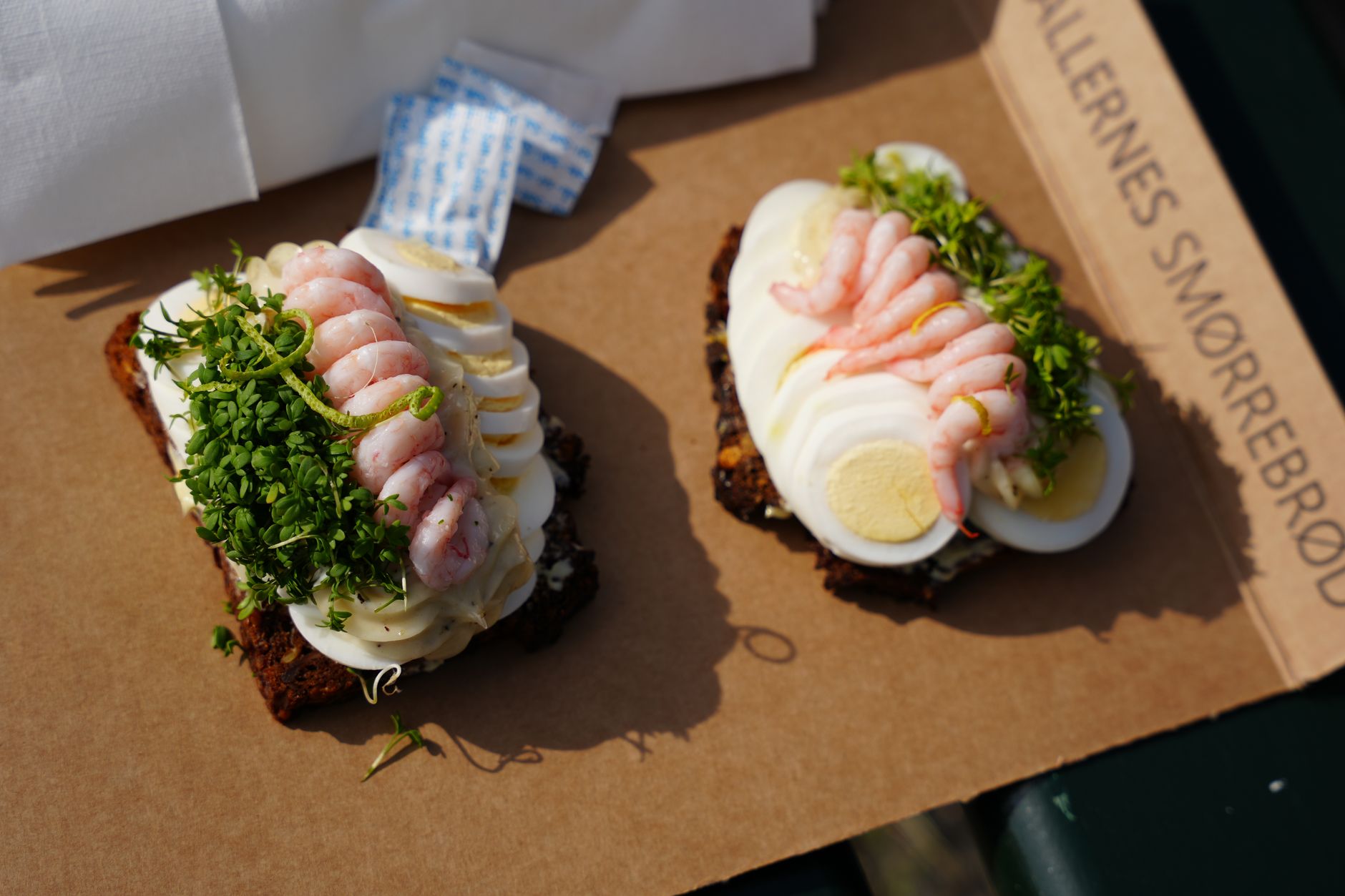
Browse smørrebrød and international street stalls at Aarhus Street Food, housed inside the converted central bus garage on Ny Banegårdsgade.
Sacred Architecture in Aarhus Jutland Denmark
Inspect the gothic brick tower and 15th-century fresco fragments at Aarhus Domkirke, the longest cathedral in Denmark at ninety-three metres.
Forest Cycling in Aarhus Jutland Denmark
Rent a city bike and pedal the flat gravel paths through Riis Skov, looking out over the water under canopies of mature green beech trees.