



Odense sits on the island of Funen, an eighty-minute direct train ride west of Copenhagen Central Station. Denmark’s third city is best known as the birthplace of Hans Christian Andersen and for its preserved timbered core along the Odense River. It serves as a relaxed cultural stop between Zealand and Jutland, easily navigated on foot or by city bike. Odense is worth visiting if you want to trace 19th-century fairy-tale roots and eat classic smoked eel smørrebrød in historic merchant quarters. Look elsewhere if you want high-energy nightlife, fast-paced metropolitan bustle, or immediate access to coastal beaches.
Last updated 9 Sept 2026
Build a Odense itinerary.
Choose up to 4 threads that pull you in. Your plan arrives organised around them.
The Bed
Where to stay in Odense
Which part of town to book, and what each one costs you in walking, noise or quiet.
The Comparison
Odense, or somewhere near it
The places you are realistically choosing between, and the honest case for each.
The Local Record
Where to read more about Odense
The blogs, boards, guides and operators worth bookmarking.
What to do in Odense Funen Denmark
Odense centres on a tidy pedestrian core where the medieval quarter of Overgade meets the calm banks of the Odense River. Days here revolve around unhurried museum visits, bicycle rides through Munke Mose, and long midday lunches featuring smoked Funen cheese and rye bread. It suits travellers who appreciate walkable scale, straightforward rail links, and well-curated Danish history over hectic urban density.
24 hours in Odense Funen Denmark
Start early at the Hans Christian Andersen Museum and his childhood home on Munkemøllestræde. For lunch, settle in for smørrebrød and dark beer at Klostertorvet. Spend the afternoon exploring the brick crypt at Saint Canute's Cathedral, then stroll along Vintapperstræde before dinner in the Brandts Passage quarter. Select 1 Day above to see it.
2 days in Odense Funen Denmark
A second day lets you rent a bicycle and follow the river path to the thatched timber cottages at Den Fynske Landsby. Afterwards, stop at Fruens Bøge for traditional pastry before heading north to the harbour baths at Odense Havn, finishing with fresh seafood and cider along the quay. Choose 2 Days to expand the plan.
3 days in Odense Funen Denmark
With three days, take a thirty-minute regional train to Egeskov Castle to see the Renaissance ramparts and classic motor collections. Back in Odense, browse the Saturday morning market on Sorte Brødre Torv, followed by an afternoon admiring modern Danish photography at Kunstmuseum Brandts.
Odense Funen Denmark itineraries by interest
Literary History in Odense Funen Denmark
Visit the Hans Christian Andersen Museum and the tiny yellow corner cottage on Hans Jensens Stræde where the writer grew up in 1805.
Traditional Dining in Odense Funen Denmark
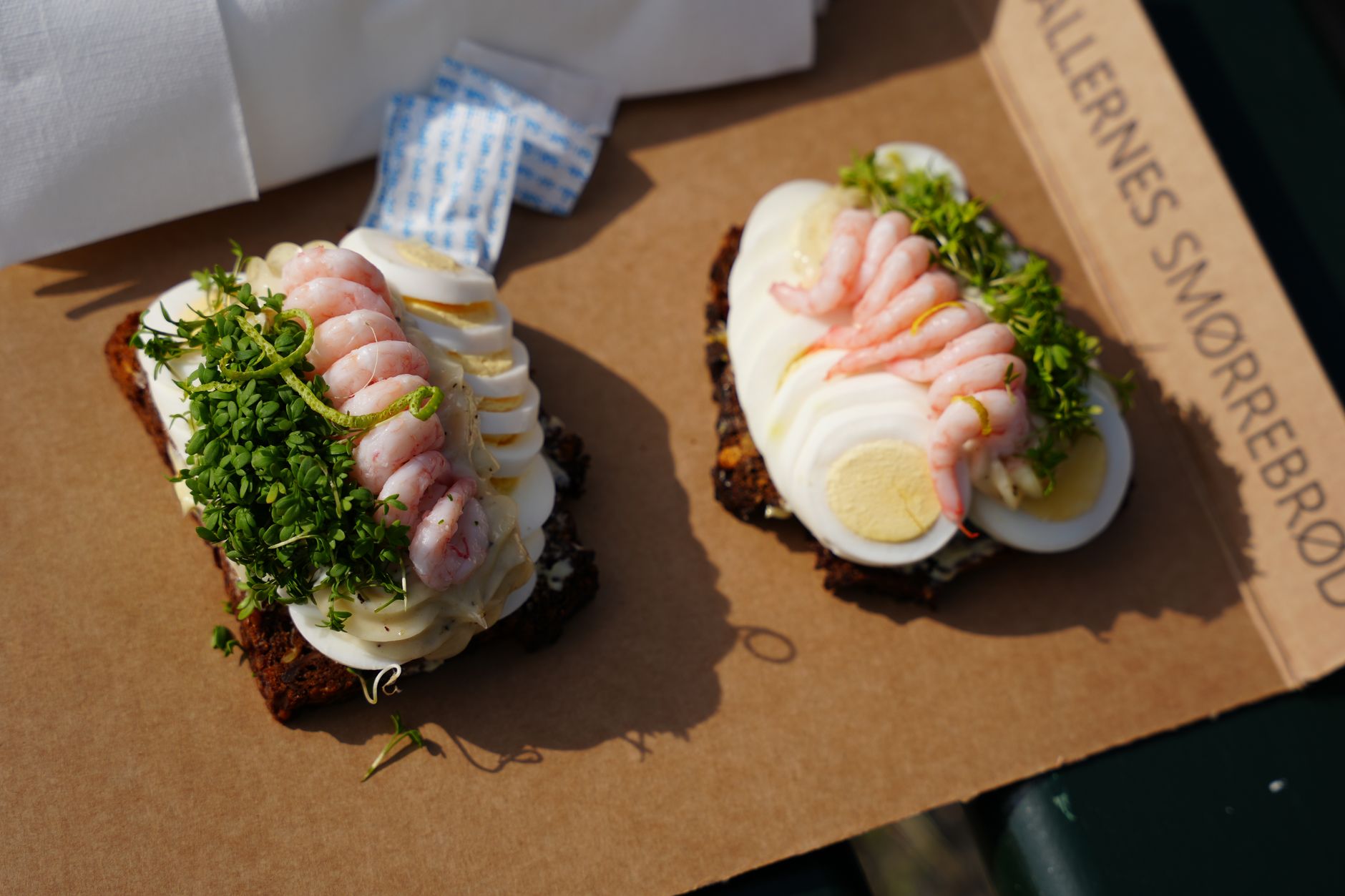
Order open-faced smørrebrød topped with pickled herring, curried egg, or smoked pork tenderloin at classic lunchrooms like Den Gamle Kro.
Sacred Architecture in Odense Funen Denmark
Descend into the 11th-century brick crypt of Saint Canute's Cathedral to view the gilded altar screen and the royal skeleton of King Canute.
Open-Air Museums in Odense Funen Denmark
Walk among thatched 18th-century farmhouses and watermills brought together from across Funen at Den Fynske Landsby.
City Cycling in Odense Funen Denmark
Rent an orange city bike to follow the paved Odense Å river trail southward from Munke Mose park toward the forest edges of Fruens Bøge.
Local Produce in Odense Funen Denmark
Browse local stalls on Sorte Brødre Torv on Wednesday and Saturday mornings for Funen smoked cheese, honey, and seasonal strawberries.
Craft Beer in Odense Funen Denmark
Drink cold microbrews from regional Funen breweries at Christian Firtal, tucked into the cobblestones of Vintapperstræde.
Contemporary Art in Odense Funen Denmark
Explore contemporary Scandinavian paintings and sculpture exhibitions housed in the former textile factory at Kunstmuseum Brandts.
Railway History in Odense Funen Denmark
Climb into vintage steam locomotives and royal carriages at the Danish Railway Museum right beside the central train station.
Historic Quarters in Odense Funen Denmark
Stroll the low-slung, pastel-painted 19th-century workers' cottages along Overgade, Nedergade, and the cobblestones of Paapirøen.
Day Trips in Odense Funen Denmark
Take a thirty-minute train south to Egeskov Castle, Europe’s best-preserved Renaissance water castle surrounded by moat waters.
Harbour Culture in Odense Funen Denmark
Walk out to the regenerated Odense Havn for public harbour baths, street food stalls, and waterside coffee near the old flour mills.