

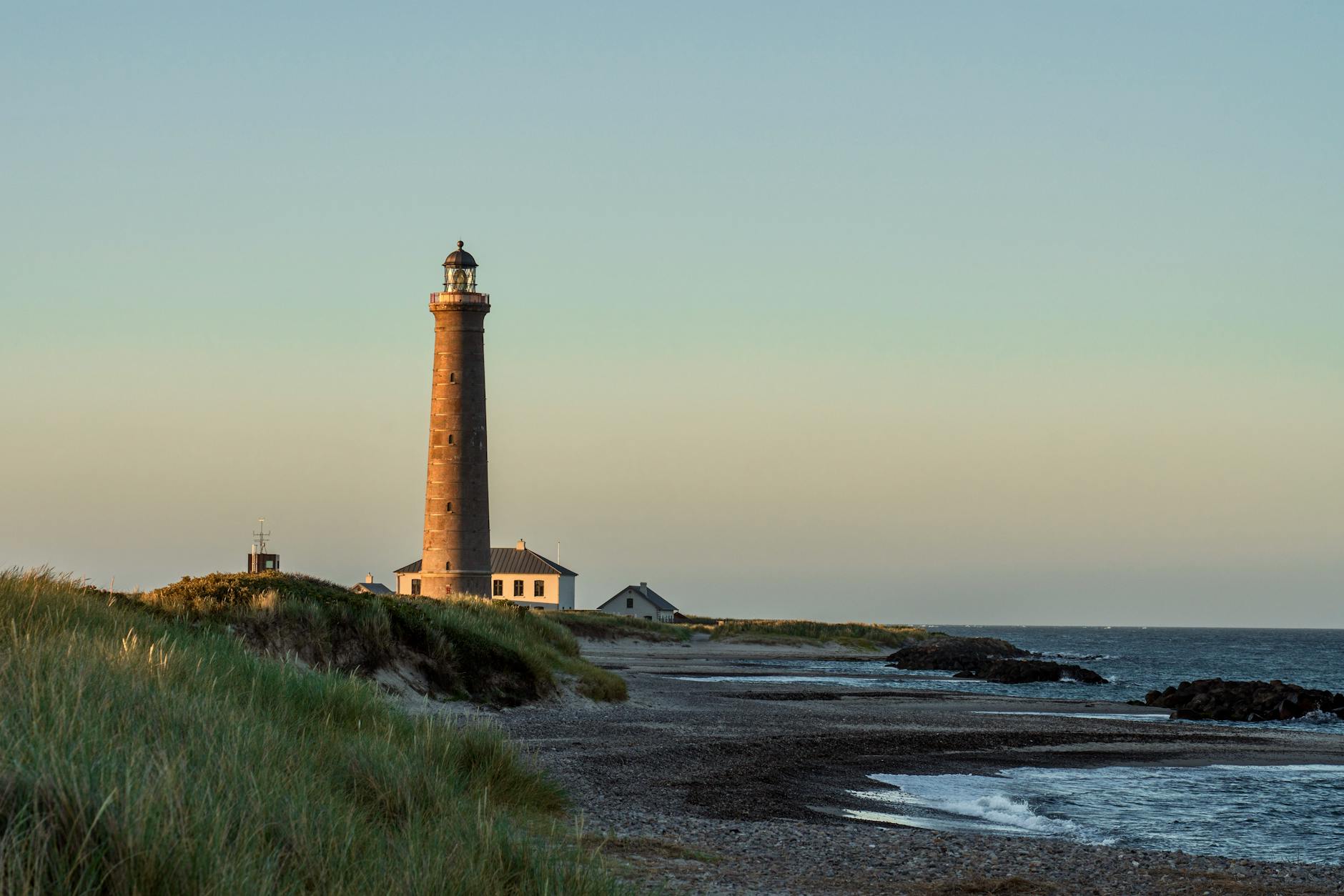
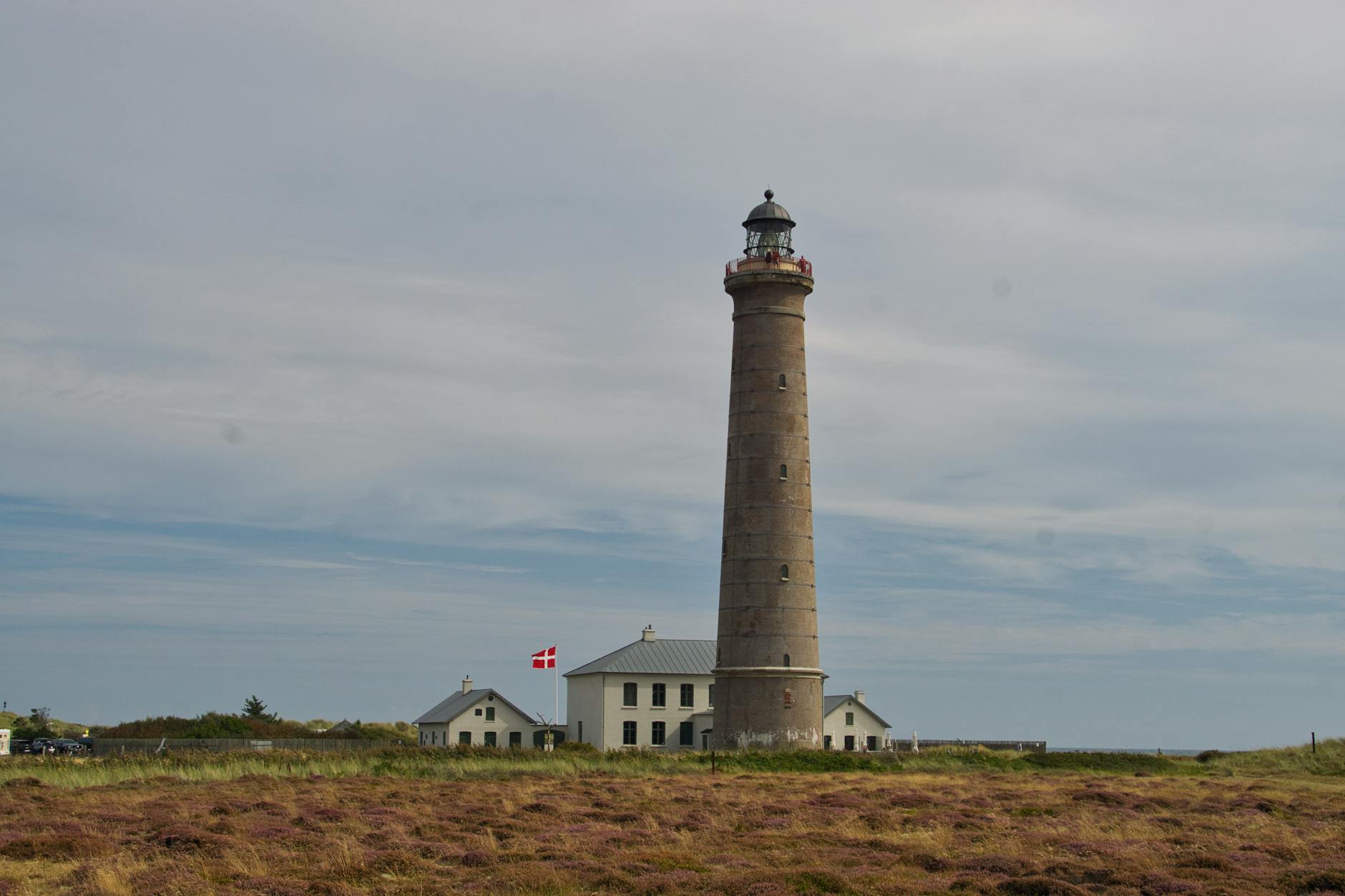


The wind off the Kattegat hits you before you reach the sandbar. Up here on Jutland’s tapered tip, low yellow-washed houses huddle under red tile roofs rimmed in white mortar to survive winter gales. Fishermen still land cod and herring at the harbour while visitors stand in line for butter-fried plaice. The luminous Nordic sky drew the nineteenth-century painters; today, you simply come to watch two opposing seas collide at Grenen and eat smoked fish straight off the docks.
Last updated 2 Sept 2026
Build a Skagen itinerary.
Choose up to 4 threads that pull you in. Your plan arrives organised around them.
The Bed
Where to stay in Skagen
Which part of town to book, and what each one costs you in walking, noise or quiet.
The Comparison
Skagen, or somewhere near it
The places you are realistically choosing between, and the honest case for each.
The Local Record
Where to read more about Skagen
The blogs, boards, guides and operators worth bookmarking.
What to do in Skagen Jutland Denmark
Skagen sits at the very tip of Denmark, shaped by shifting dunes, salt wind, and maritime commerce. Days here split between cycling the quiet streets of yellow cottages, examining nineteenth-century regional paintings, and watching two distinct seas collide at Grenen. It suits travellers who appreciate breezy outdoor walking, understated Nordic design, and unpretentious seafood served right where the fishing boats tie up.
24 hours in Skagen Jutland Denmark
Rent a bike by the station, pedal north to walk the sandspit at Grenen, then head into town for the Ancher collection at Skagens Museum. Lunch on butter-fried plaice at the harbour packhouses, and spend your evening watching the sun dip into the North Sea at Gamle Skagen. Select 1 Day above to see it.
2 days in Skagen Jutland Denmark
Devote day two to the encroaching sand. Walk the pine woods around Den Tilsandede Kirke, then drive south to climb the massive mobile dunes of Råbjerg Mile. Finish with open-faced smørrebrød and a glass of chilled herb snaps in the historic dining room at Brøndums Hotel. Choose 2 Days to expand the plan.
3 days in Skagen Jutland Denmark
A third day allows an easy loop along the eastern coast to Frederikshavn or a birdwatching walk across the heather moorlands of Hulsig Hede. Back in Skagen, linger over smoked shrimp along Havnevagtvej and browse the independent pottery studios off Skt. Laurentii Vej.
Skagen Jutland Denmark itineraries by interest
Local Seafood in Skagen Jutland Denmark
Order pan-fried Skagen plaice in brown butter with lingonberries or pick up warm smoked mackerel from the smokehouses along the red wooden harbour packhouses.
Visual Arts in Skagen Jutland Denmark
Study the distinctive coastal light in P.S. Krøyer and Anna Ancher canvases at Skagens Museum, then step into the preserved studios at Anchers Hus.
Coastal Walks in Skagen Jutland Denmark
Walk the exposed spit of Grenen where the waves of Skagerrak and Kattegat collide, or trace the breezy dunes along the North Sea shoreline at Højen.
Maritime History in Skagen Jutland Denmark
Climb the 1858 grey lighthouse for open sea views and inspect the replica bascule light, the Vippefyr, which guided sailors along the headland in 1627.
Natural Wonders in Skagen Jutland Denmark
Trek across Råbjerg Mile, Denmark’s largest shifting sand dune, which moves up to eighteen metres each year across the barren coastal moorland.
Historic Architecture in Skagen Jutland Denmark
Visit Den Tilsandede Kirke, a fourteenth-century church buried by shifting sands, where only the solitary white tower remains above ground level.
Traditional Taverns in Skagen Jutland Denmark
Take a table in the wood-panelled dining room at Brøndums Hotel for open-faced smørrebrød and a glass of bitter bog-myrtle snaps distilled nearby.
Bicycle Touring in Skagen Jutland Denmark
Rent a sturdy single-speed cruiser on Skt. Laurentii Vej to pedal the flat, paved cycle paths connecting the town centre, harbour, and sandy headland.
Local Produce in Skagen Jutland Denmark
Pick up local sea buckthorn jam, handmade boiled candies from Bolcheriet, and fresh dark rye loaves from the bakeries along the main pedestrian strip.
Beaches in Skagen Jutland Denmark
Find calm bathing along the eastern Kattegat shore at Sønderstrand or watch crashing waves and sunsets from the western beaches at Gamle Skagen.
Harbour Life in Skagen Jutland Denmark
Wander past industrial trawlers at Skagen Havn, Denmark’s busiest fishing port, where morning catch auctions give way to busy quayside lunch counters.
Day Trips in Skagen Jutland Denmark
Drive thirty minutes south to the maritime town of Frederikshavn or explore the quiet, windswept nature reserves around the shallow waters of Jerup.