
_(8).jpg)
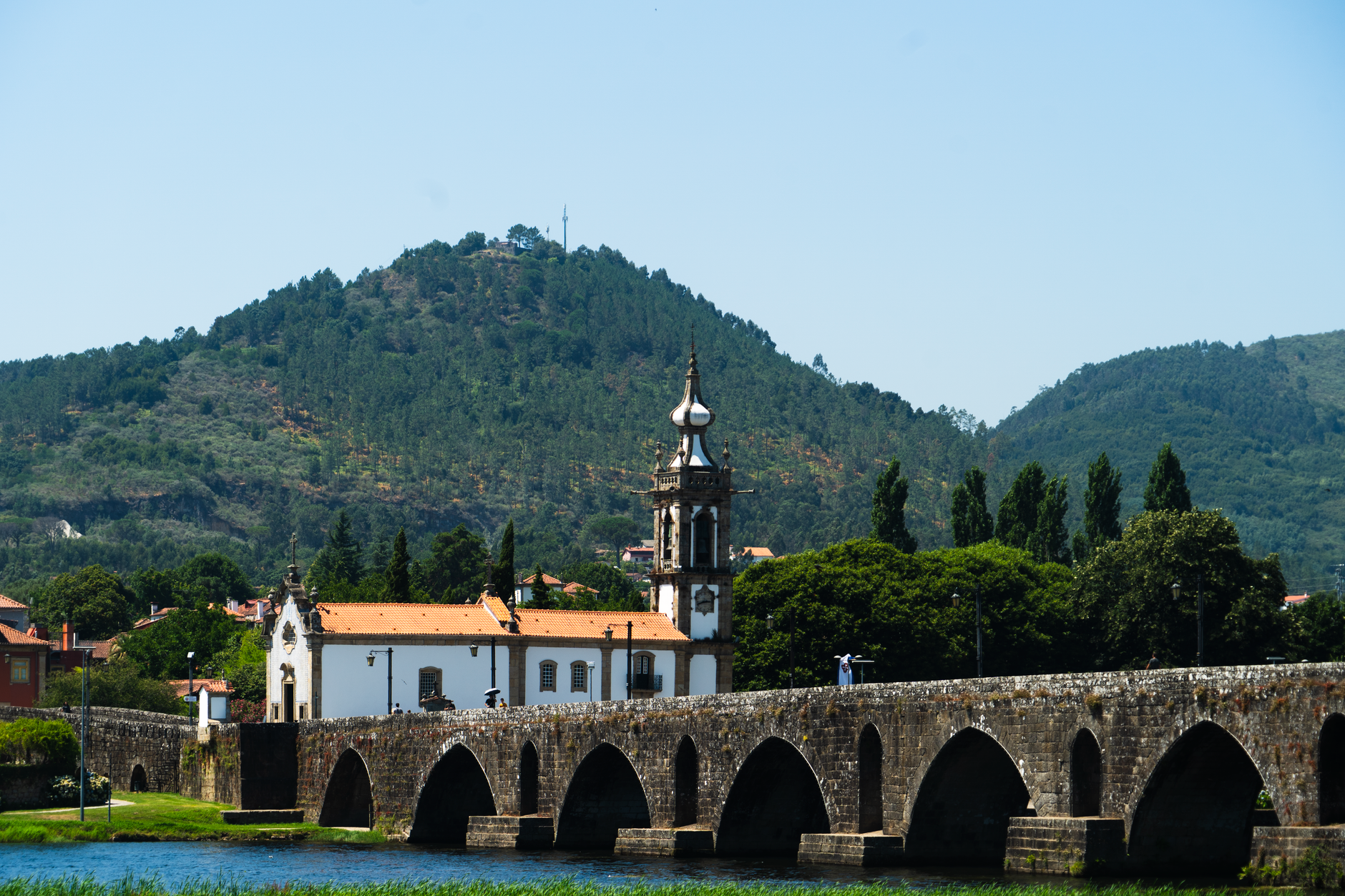

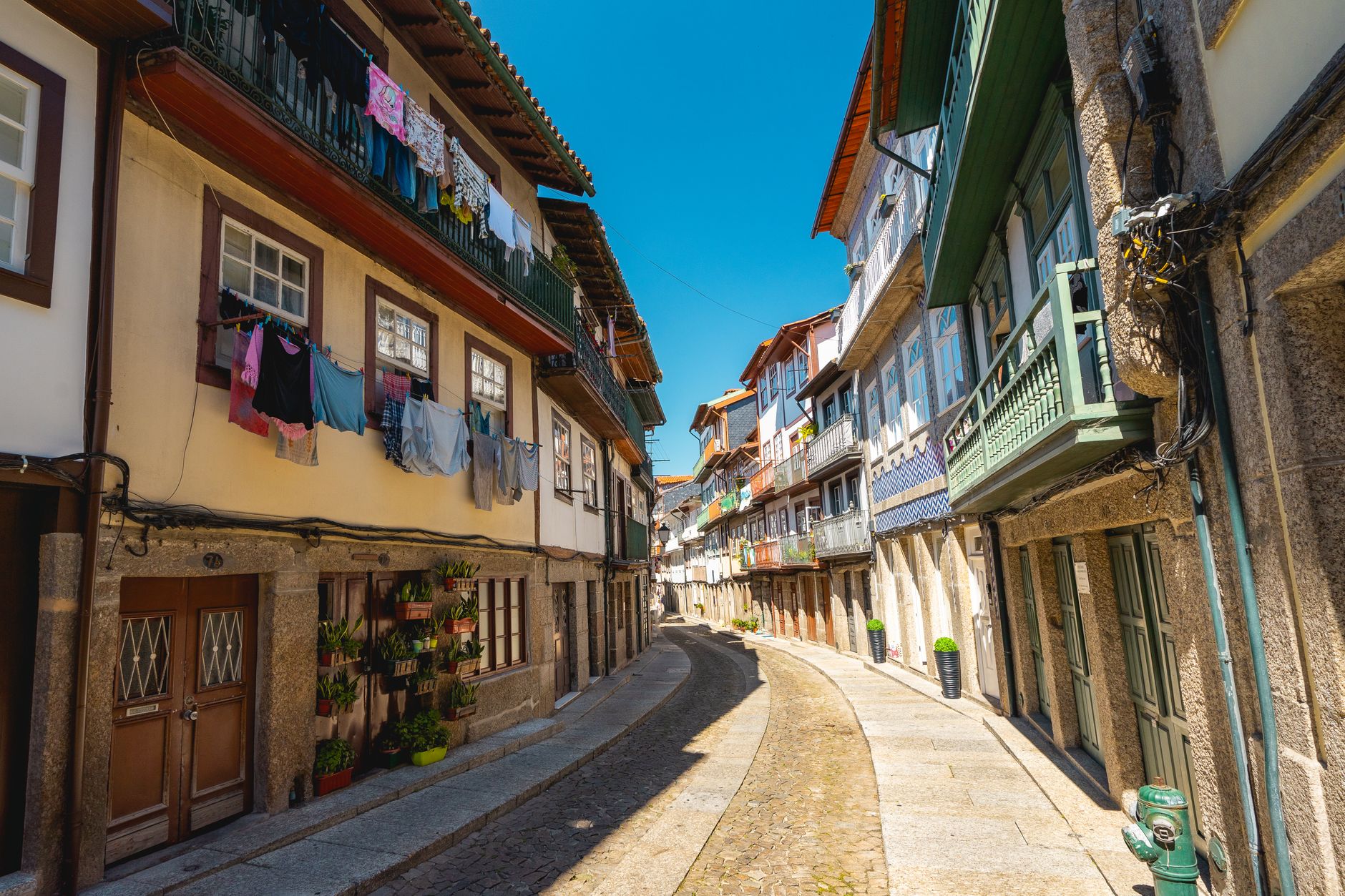
The River Tâmega splits Amarante in two, rushing past dark granite houses and the arched eighteenth-century bridge. You come for the convent of São Gonçalo and the unapologetic sugar rush of egg-yolk pastries lined up in shop windows along Rua 31 de Janeiro. It smells of woodsmoke, river damp, and roasted kid. You can cross the town on foot in twenty minutes, pausing on the stone bridge to watch local fishermen cast for trout under the shadow of the Marão hills.
Last updated 22 Aug 2026
Build a Amarante itinerary.
Choose up to 4 threads that pull you in. Your plan arrives organised around them.
We'll craft a 3-lens plan for Amarante, one collapsible strand per lens.
Riverfront Walks
Stroll the shaded path along the banks of the Tâmega below Ponte de São Gonçalo, watching herons fish the shallows where willow branches touch the slow current.
Riverfront Walks
Stroll the shaded path along the banks of the Tâmega below Ponte de São Gonçalo, watching herons fish the shallows where willow branches touch the slow current.
Tâmega Riverbank Stroll
Trilho das Azenhas
Walk the flat wooden footpaths flanking the Tâmega south of the old bridge. Free access, takes about an hour round-trip, shaded by plane trees and willows.
Editor TipBuilt along the weir-fed river system, this green path follows historic watermills that ground regional rye and maize for centuries before electric milling took over. Wear shoes with grip; river mist can leave the wooden boardwalk damp and surprisingly slick well past noon.
Walking the Tâmega Riverbank
Parque Florestal de Amarante
Free admission. Cross the pedestrian footbridge from the town centre and follow shaded trails beneath century-old sequoias. Allow about an hour.
Editor TipPlanted in 1916 by silviculturist António Lago Cerqueira, the park helped reforest the nearby Marão slopes while acclimatising exotic trees to northern Portuguese soil. The wooden benches near the river weir give you the best view of the water without the town centre foot traffic.
Traditional Dining
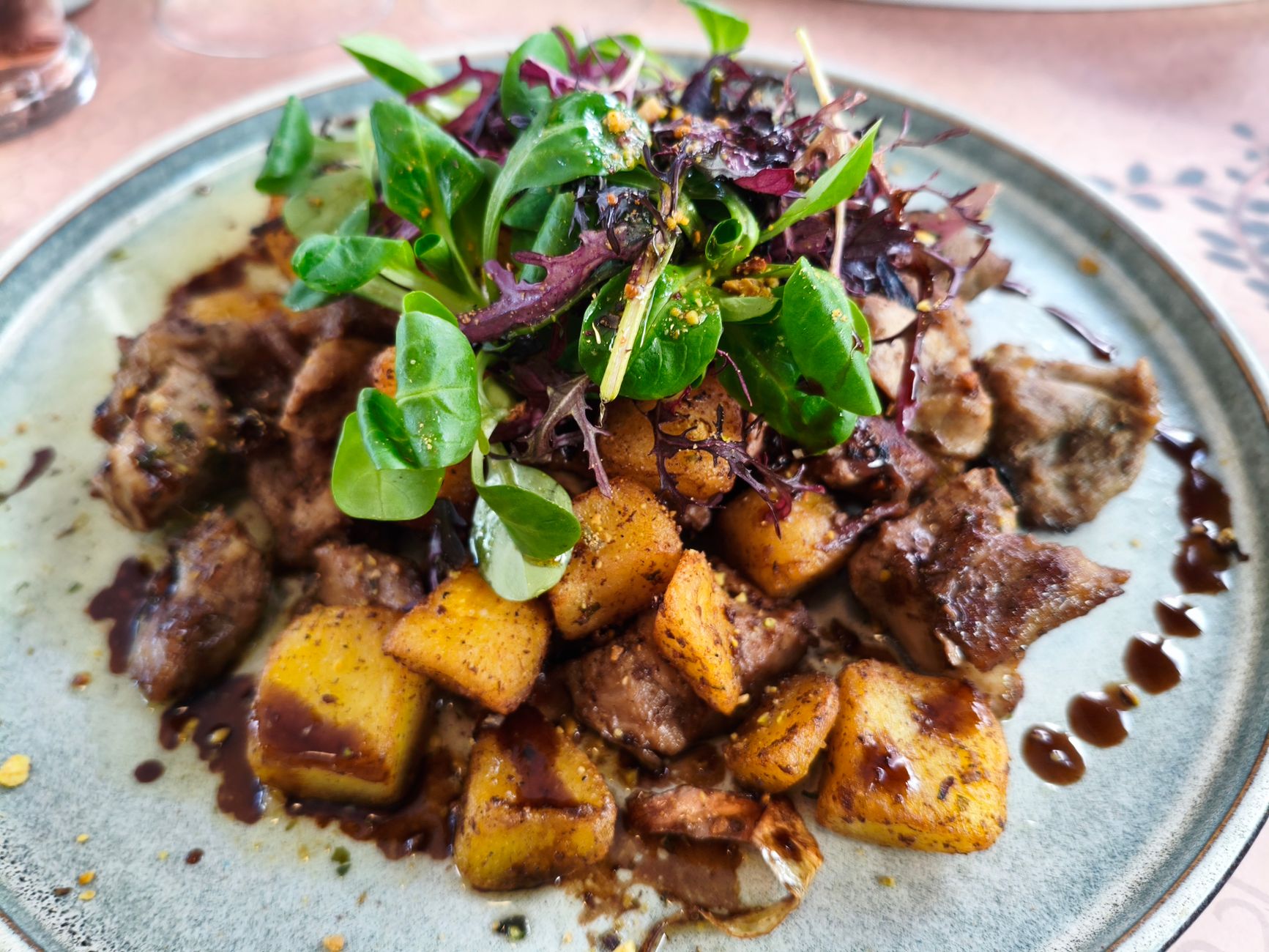
Sit down for cabrito assado no forno, slow-roasted goat with rice and potatoes, served in terracotta baking dishes at longstanding riverside restaurants like Zé da Calçada.
Traditional Dining
Sit down for cabrito assado no forno, slow-roasted goat with rice and potatoes, served in terracotta baking dishes at longstanding riverside restaurants like Zé da Calçada.
Wood-Fired Roast Kid
Restaurante Zé da Calçada
Book a river-facing table inside this 19th-century granite dining room. Expect around thirty euros per person; order the cabrito assado with roasted potatoes.
Editor TipMountain-grazed kid goat slow-roasted in clay vessels over oak embers is the benchmark of Minho and Douro Litoral cooking, cut cleanly by crisp local Vinho Verde. Ask for a cold bottle of local white made from the Azal grape; its brisk acidity balances the rich kid fat perfectly.
Tasting Azal and Mountain Charcuterie
Quinta de Santa Cristina
Tastings run around fifteen euros; reserve twenty-four hours ahead. Expect sharp, mineral-driven white wines served alongside dry-cured Bísaro pork sausage.
Editor TipHigh-altitude granite soil and cool breezes from the Marão range yield dry, structured Azal and Avesso grapes, a stark contrast to the fizzy coastal wines sold abroad. Ask if they have opened any single-varietal Batoca; almost nobody outside this specific valley bottles it.
Wood-Fired Mountain Kid Goat
Restaurante O Quelha
Expect to pay roughly twenty euros per person. Book ahead by phone for dinner at eight, and order the cabrito assado served in black earthenware alongside baked rice.
Editor TipMarão mountain cooking relies on seasoned kid goat roasted slowly in wood-fired ovens with bay, garlic, and lard, a hearty pastoral tradition preserved in the high village of Aboadela. The local red Vinho Verde is brisk and astringent; it cuts through the rich goat fat perfectly.
Day Trips
Follow the Romanesque Route north to the twelfth-century monastery of Travanca or drive thirty minutes east over the Marão pass into the terraced vineyards of the Douro.
Day Trips
Follow the Romanesque Route north to the twelfth-century monastery of Travanca or drive thirty minutes east over the Marão pass into the terraced vineyards of the Douro.
Conventual Sweets Over the River
Confeitaria da Ponte
Order a bica and a box of egg-rich papos de anjo at the marble counter, then take a seat on the wooden balcony over the river. Expect to spend around four euros.
Editor TipCenturies of conventual baking turned surplus egg yolks and sugar into an art form across northern Portugal, yielding dense pastries that have changed little since the 1700s. Snag the narrow river-facing balcony before nine to watch local rowers slip through the morning mist.
Granite Arches and Cloisters
Igreja e Convento de São Gonçalo
Cross the stone bridge to enter the 16th-century church and its tranquil multi-tiered cloisters. Admission to the sanctuary is free; spend an hour exploring.
Editor TipAmarante defended this narrow crossing against French forces in 1809 during the Peninsular War, turning this granite bridge into a symbol of northern resistance. Seek out the painted ceramic figures of the cloister chapel before the midday tour groups gather at the high altar.
Walking the Tâmega River Trail
Ecopista do Tâmega
Free access daily. Walk the shaded six-kilometre section north toward Gatão, where steep granite cuttings drop straight into the cold green river below.
Editor TipBuilt over the decommissioned 1909 narrow-gauge railway line, this paved greenway cuts across old granite bridges and terraced vineyards that have produced regional wine for centuries. Start at the old Amarante rail station before mid-morning heat reflects off the bare granite cliffs.
Note from the Editor
“Amarante belongs to the early riser. The tour coaches from Porto roll in after eleven, so cross the bridge and secure your riverfront table while the granite is still cold and the Tâmega runs quiet.”
The Bed
Where to stay in Amarante
Which part of town to book, and what each one costs you in walking, noise or quiet.
The Comparison
Amarante, or somewhere near it
The places you are realistically choosing between, and the honest case for each.
The Local Record
Where to read more about Amarante
The blogs, boards, guides and operators worth bookmarking.
What to do in Amarante Douro Portugal
Amarante is built for slow wanderers who appreciate deep culinary stubbornness and quiet river scenery. The day centers on the Ponte de São Gonçalo and the riverside square, moving between convent pastry counters, the Amadeo de Souza-Cardoso museum, and relaxed lunches of slow-roasted kid. It suits travellers who prefer walkable historic quarters, cool green wine, and fresh mountain air over hectic tour itineraries.
24 hours in Amarante Douro Portugal
Start with coffee and a papo de anjo on the terrace at Confeitaria da Ponte before touring Mosteiro de São Gonçalo. Spend your afternoon admiring Portuguese modernism at the adjacent municipal museum, then settle into a riverfront table at Zé da Calçada for cabrito assado and a chilled pitcher of local Azal. Select 1 Day above to see it.
2 days in Amarante Douro Portugal
Rent a bicycle for the morning to ride the gentle Ecopista da Linha do Tâmega through the valley toward Gatão. Return for a quiet afternoon exploring the Romanesque tower and granite cloisters of nearby Mosteiro de Travanca, followed by cured bísaro ham and cheese at a traditional tasca. Choose 2 Days to expand the plan.
3 days in Amarante Douro Portugal
Dedicate your third day to the high granite passes of Serra do Marão. Hike the pine-scented tracks around Senhora da Serra, or drive eastward over the mountain crest to spend an afternoon tasting Old World reds in the terraced Douro Valley, returning to Amarante for a quiet evening by the Tâmega.
Amarante Douro Portugal itineraries by interest
Sacred Architecture in Amarante Douro Portugal
Tour the sixteenth-century Mosteiro de São Gonçalo with its multi-tiered Italianate facade, painted cloisters, and the tomb where unmarried visitors touch the saint to find a partner.
Confectionery Traditions in Amarante Douro Portugal
Order papos de anjo, brisas do Tâmega, and foguetes at Confeitaria da Ponte, made with egg yolks and sugar syrup from recipes preserved by local nuns for centuries.
Modern Art in Amarante Douro Portugal
Visit the Museu Municipal Amadeo de Souza-Cardoso beside the monastery to see cubist and futurist canvases by the pioneering painter born nearby in Manhufe in 1887.
Local Wines in Amarante Douro Portugal
Sip crisp, mineral white Vinho Verde made from local Azal and Avesso grapes, poured cold alongside cured presunto in the stone-walled tascas off Rua 31 de Janeiro.
Traditional Dining in Amarante Douro Portugal
Sit down for cabrito assado no forno, slow-roasted goat with rice and potatoes, served in terracotta baking dishes at longstanding riverside restaurants like Zé da Calçada.
Riverfront Walks in Amarante Douro Portugal
Stroll the shaded path along the banks of the Tâmega below Ponte de São Gonçalo, watching herons fish the shallows where willow branches touch the slow current.
Mountain Trails in Amarante Douro Portugal
Drive into the Serra do Marão along the N101 and trailheads near Ansiães to walk rough granite ridges and pine forests with views across the Tâmega valley.
Historic Bridges in Amarante Douro Portugal
Inspect the defensive stone arches of Ponte de São Gonçalo, where local forces held off invading French Napoleonic troops under General Loison for fourteen days in 1809.
Cycling Routes in Amarante Douro Portugal
Ride the flat, paved Ecopista da Linha do Tâmega along the former railway line, winding nearly forty kilometres north toward Celorico de Basto through oak groves.
Markets & Produce in Amarante Douro Portugal
Browse the Wednesday and Saturday open-air market by the river for smoked bísaro pork sausages, wheels of mountain sheep cheese, honey, and garden greens.
Day Trips in Amarante Douro Portugal
Follow the Romanesque Route north to the twelfth-century monastery of Travanca or drive thirty minutes east over the Marão pass into the terraced vineyards of the Douro.
Folk Traditions in Amarante Douro Portugal
Experience the June Festas de São Gonçalo, when bakeries stack thousands of sweet phallic cakes called doces fálicos, an ancient fertility rite turned lighthearted feast.