Amboise.
.jpg)

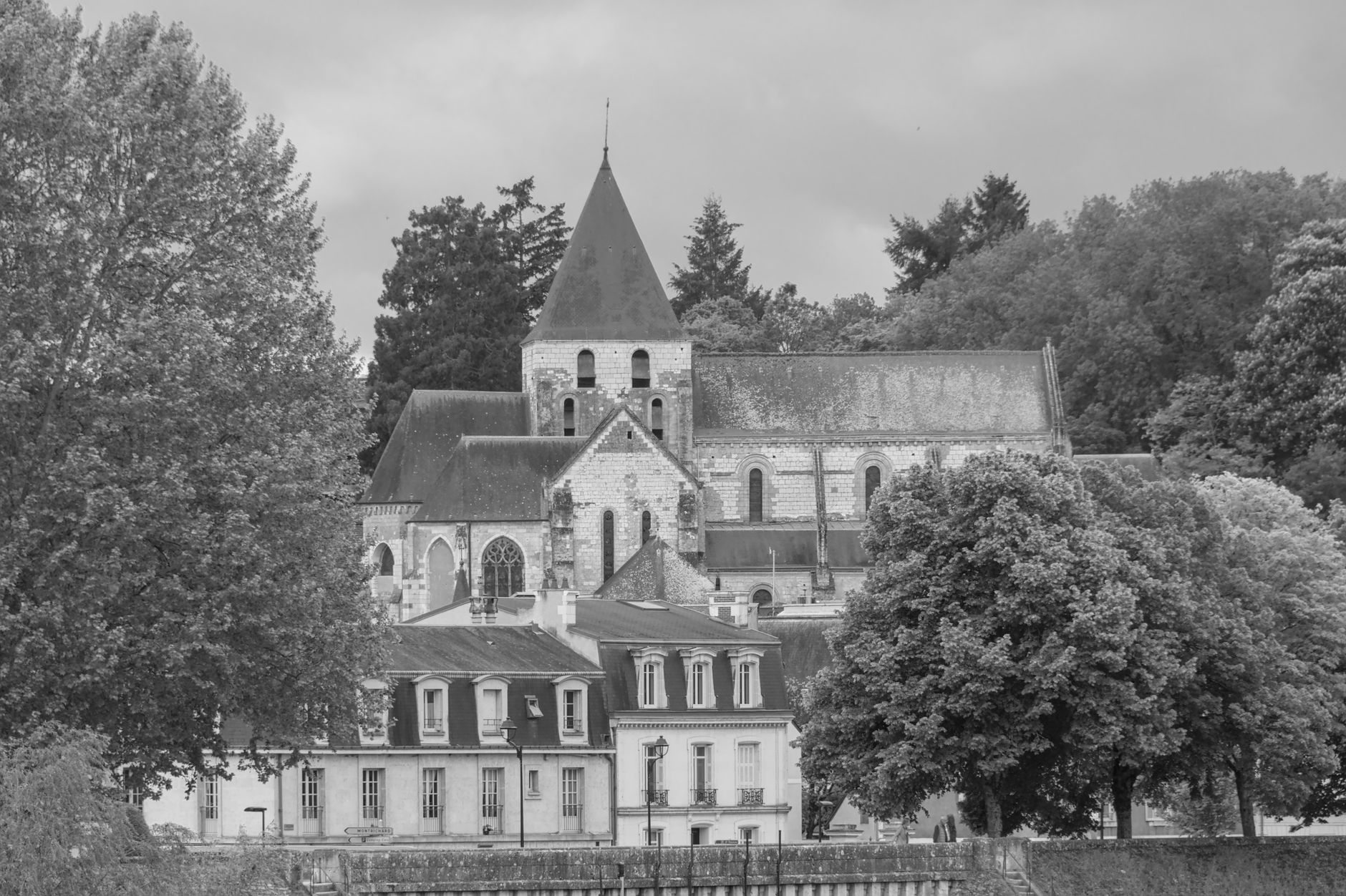


Tuffeau stone glints pale cream in the morning light along the Loire, where royal ramparts still crowd the skyline above timber-framed houses. You cross the bridge from Île d'Or into a town that smells faintly of woodsmoke, roasted rillons, and wet chalk cellars. Francis I brought Leonardo da Vinci here in 1516 to tinker away his final years at Château du Clos Lucé. Today the town moves at the steady pace of market vendors unpacking goat cheese and locals drinking Touraine-Amboise reds by the river.
Last updated 28 Aug 2026
Build a Amboise itinerary.
Choose up to 4 threads that pull you in. Your plan arrives organised around them.
The Bed
Where to stay in Amboise
Which part of town to book, and what each one costs you in walking, noise or quiet.
The Comparison
Amboise, or somewhere near it
The places you are realistically choosing between, and the honest case for each.
The Local Record
Where to read more about Amboise
The blogs, boards, guides and operators worth bookmarking.
What to do in Amboise Loire Valley France
Amboise is an unpretentious riverside base framed by royal stone and working vineyards. Days settle into a gentle rhythm of château visits, troglodyte cellar tastings, and long lunches under plane trees. It suits travellers who prefer walkable historical centres over car-bound touring, offering Renaissance history within easy strolling distance of bakeries, wine shops, and the broad gravel sandbars of the Loire.
24 hours in Amboise Loire Valley France
Start early at Château Royal d'Amboise before tour buses arrive. Walk ten minutes up Rue du Clos Lucé for lunch of pork rillettes and Touraine Sauvignon, then spend the afternoon among Leonardo's machine models. Finish with sunset drinks on the bridge to Île d'Or. Select 1 Day above to see it.
2 days in Amboise Loire Valley France
Cross the river for a morning bike ride through the Vouvray vineyards, sampling mineral Chenin Blanc in damp tuffeau cellars. Return for market-fresh Sainte-Maure cheese and roast chicken along the quai, followed by an evening exploring the troglodyte lane of Rue Victor Hugo. Choose 2 Days to expand the plan.
3 days in Amboise Loire Valley France
Take the twenty-minute drive south to Château de Chenonceau before midday crowds assemble, or venture east to the garden festival at Chaumont-sur-Loire. Settle back into Amboise for a quiet riverboat ride on a flat-bottomed wooden toue as the evening light hits the chalk cliffs.
Amboise Loire Valley France itineraries by interest
Royal History in Amboise Loire Valley France
Château Royal d'Amboise towers over the river; see Leonardo's tomb in the 15th-century Saint-Hubert Chapel and Charles VIII's horse ramps.
Wine & Vineyards in Amboise Loire Valley France
Taste Touraine-Amboise AOC wines, crisp Chenin Blanc, and earthy Côt in troglodytic limestone cellars dug directly into the hillside cliffs.
Local Produce in Amboise Loire Valley France
The sprawling Sunday market along Quai des Mariniers fills baskets with Sainte-Maure-de-Touraine goat cheese, rillons, and fresh river zander.
Cycling in Amboise Loire Valley France
Ride flat, signposted La Loire à Vélo routes west to Vouvray vineyards or east along quiet towpaths to the 16th-century Château de Chaumont.
Historic Architecture in Amboise Loire Valley France
Wander Rue Victor Hugo and Rue Nationale to see 15th-century half-timbered houses, vaulted stone arches, and Renaissance manor facades.
River Life in Amboise Loire Valley France
Board a traditional wooden toue cabanée at the quayside to navigate wide Loire sandbanks, spotting grey herons and beaver lodges at dusk.
Renaissance Science in Amboise Loire Valley France
Walk uphill to Château du Clos Lucé, where working scale models of Renaissance flying machines, bridges, and locks dot the landscaped park.
Troglodytic Heritage in Amboise Loire Valley France
Head toward the hillside caves along the D751 road to explore ancient quarried dwellings converted into wine caves and mushroom farms.
Day Trips in Amboise Loire Valley France
Drive twenty minutes south through beech forests to Château de Chenonceau, spanning the Cher river on grand Renaissance stone arches.
Casual Dining in Amboise Loire Valley France
Pull up a café chair along Place Michel Debré for a plate of pork rillettes, warm andouillette sausage, and crusty baguettes with local butter.
Forest Walks in Amboise Loire Valley France
Follow marked trails into the nearby Forêt d'Amboise, a former royal hunting forest shaded by ancient oak, hornbeam, and chestnut groves.
Scenic Viewpoints in Amboise Loire Valley France
Cross the bridge to Île d'Or at sunset for the classic panoramic view of the château ramparts reflected across the wide Loire currents.