Lyon.

.jpg)
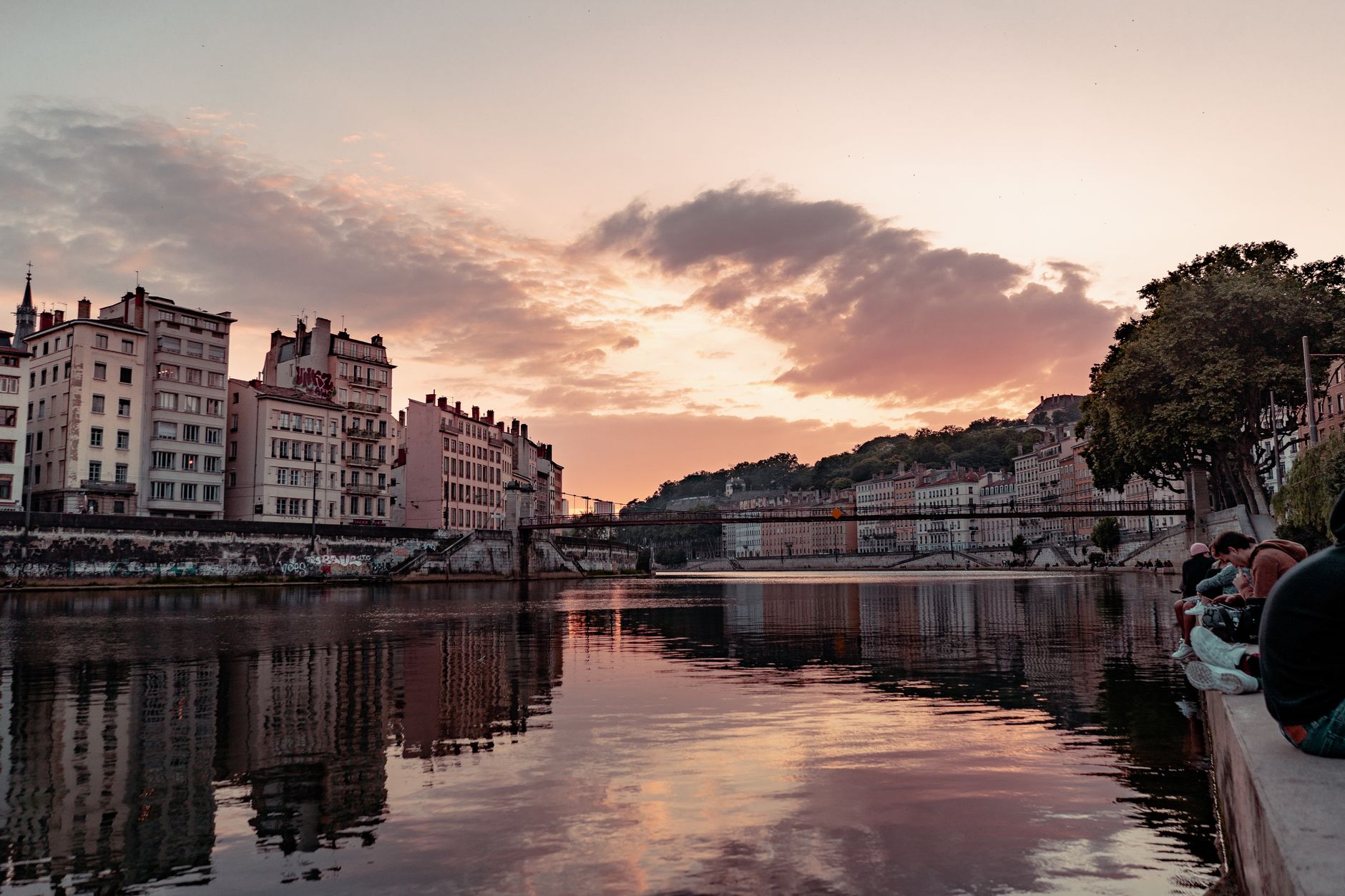


Two rivers converge here with deliberate precision, dividing Renaissance stone from steep nineteenth-century silk workshops. You walk between the Saône and the Rhône, cutting through dark traboule passageways designed to keep bolts of woven fabric dry. In the tiled bouchons, lunch remains an unapologetic endurance test of quenelles de brochet and warm saucisson. The light turns slate-grey over Fourvière by dusk, just as the wine bars along Rue Mercière pull out their first carafes of Beaujolais.
Last updated 27 Aug 2026
Build a Lyon itinerary.
Choose up to 4 threads that pull you in. Your plan arrives organised around them.
The Bed
Where to stay in Lyon
Which part of town to book, and what each one costs you in walking, noise or quiet.
The Comparison
Lyon, or somewhere near it
The places you are realistically choosing between, and the honest case for each.
The Local Record
Where to read more about Lyon
The blogs, boards, guides and operators worth bookmarking.
What to do in Lyon Auvergne-Rhône-Alpes France
The rhythm of the city belongs to its geography, pinned between two major rivers and two steep hills. Your day revolves around the midday table, whether at a cramped bouchon counter or inside a bustling covered market. It suits travellers who like purposeful walking, architectural layers from Roman foundations to Renaissance loggias, and hearty cooking that makes zero concessions to modern diet trends.
24 hours in Lyon Auvergne-Rhône-Alpes France
Start early in Vieux Lyon navigating the traboules before the crowds arrive. Walk across the Pont Bonaparte to lunch on saucisson brioché along Rue des Marronniers. Ride the funicular up Fourvière for Roman theatres by mid-afternoon, then end with a carafe of Saint-Joseph along the Saône quays. Select 1 Day above to see it.
2 days in Lyon Auvergne-Rhône-Alpes France
Dedicate day two to the silk-weaving quarter of Croix-Rousse, climbing the Montée de la Grande-Côte for open city views. Spend midday tasting Saint-Marcellin cheese at Les Halles de Lyon, then take a quiet late-afternoon stroll through the glasshouses at Parc de la Tête d'Or. Choose 2 Days to expand the plan.
3 days in Lyon Auvergne-Rhône-Alpes France
A third day allows for a slow morning in the antique shops of the Ainay district before catching the 25-minute train south to Vienne to explore its Roman temple and hillside amphitheatre. Return to the Presqu'île for a final dinner of roast duck and Côtes du Rhône.
Lyon Auvergne-Rhône-Alpes France itineraries by interest
Traditional Dining in Lyon Auvergne-Rhône-Alpes France
Sit at checked tablecloths for pike quenelles in crayfish sauce, tablier de sapeur, and pots of red Côtes du Rhône in centuries-old bouchons.
Markets & Produce in Lyon Auvergne-Rhône-Alpes France
Browse the stalls at Les Halles de Lyon for creamy Saint-Marcellin cheese, rosette de Lyon, pralines roses, and fresh oysters opened to order.
Urban Walking in Lyon Auvergne-Rhône-Alpes France
Navigate the traboules of Vieux Lyon and Croix-Rousse, hidden Renaissance passageways connecting courtyards, stairwells, and quiet side alleys.
Industrial Heritage in Lyon Auvergne-Rhône-Alpes France
Climb the slopes of Croix-Rousse to see working Jacquard looms and the tall, sunlit ateliers where nineteenth-century canuts wove fine silk.
Sacred Architecture in Lyon Auvergne-Rhône-Alpes France
Ride the funicular to the hilltop Basilique Notre-Dame de Fourvière and explore the Romanesque Saint-Jean Cathedral down in the old quarter.
Wine & Vineyards in Lyon Auvergne-Rhône-Alpes France
Sample Gamay from Beaujolais and Syrah from the northern Rhône Valley by the carafe at traditional zinc-topped bistros along the Presqu'île.
Ancient History in Lyon Auvergne-Rhône-Alpes France
Wander the twin Roman theatres on Fourvière hill and inspect ancient bronze tablets in the subterranean Gallo-Roman Museum built into the slope.
Rivers & Waterways in Lyon Auvergne-Rhône-Alpes France
Walk the pedestrian quays along the Saône, cross the red footbridges, and watch river barges glide past pastel facades toward the Confluence.
Modern Art in Lyon Auvergne-Rhône-Alpes France
Tour the sharp steel-and-glass Musée des Confluences and the collection of twentieth-century French masters inside the grand Musée des Beaux-Arts.
Bakery & Sweets in Lyon Auvergne-Rhône-Alpes France
Pick up a brioche aux pralines roses at Pralus and flaky almond croissants from neighbourhood boulangeries across the Ainay district.
Parks & Gardens in Lyon Auvergne-Rhône-Alpes France
Stroll the shaded paths of Parc de la Tête d'Or, home to a nineteenth-century botanical garden, towering glasshouses, and a wide boating lake.
Day Trips in Lyon Auvergne-Rhône-Alpes France
Take a thirty-minute regional train south to Vienne for Roman ruins, or head north to the rolling granite hills of the Beaujolais wine country.